Picking a Croatian island resort sounds simple until you realize three Dalmatian islands all promise turquoise water and pine-shaded resorts, so which one actually fits your travel style and budget? Hvar, Brac and Korcula sit within easy reach of Split, yet each delivers a very different kind of vacation, from glamorous beach clubs to quiet pebble coves and family-friendly shallows.
This guide compares the three side by side. We break down Hvar’s nightlife and lavender hills, Brac’s famous Zlatni Rat beach, and Korcula’s walled old town and sleepy tavernas. You’ll find practical notes on ferries, seasonal crowds and typical summer room rates, plus a section matching each island to couples, families and slow travelers. We finish with timing and booking tips, so you can lock in the right resort at the right price before the summer rush.
Hvar: Glamour, Nightlife and Lavender Hills
Hvar town is the most polished and priciest base on the island, with a lively marina scene and a summer room range of roughly €180–€400 per night. The riva, the palm-lined waterfront promenade, is the social heart of the island: yachts come and go all day, and by evening the bars and wine terraces along it fill up fast. If you want that postcard version of the Adriatic with a cocktail in hand, this is where you’ll find it.
Hvar suits couples and groups above all. Beach clubs line the coves a short walk or water taxi from town, wine bars pour local Plavac Mali, and people-watching on the riva is practically a sport. The town is compact and walkable, so most resorts put you within a few minutes of dinner and drinks.
Escaping the crowds inland
If the marina scene sounds like too much, look inland. Villages like Stari Grad offer calmer resort alternatives at noticeably lower prices, and they’re only a short drive from Hvar town. You trade some buzz for lavender fields, stone villages and quieter evenings.
Timing matters here more than on the other islands. Expect crowds and peak pricing mid-June to early September; May and late September are far quieter, and with Hvar’s 2,700+ hours of annual sunshine, shoulder-season days still feel properly warm.
Brac: Family Beaches and the Famous Zlatni Rat
Brac is the island you picture when you think of classic Croatian beach holidays. On the south coast, the small town of Bol sits near Zlatni Rat, the famous white pebble spit that juts into the sea. It’s one of the most photographed beaches in the Adriatic, and part of its charm is that it isn’t static: the spit’s shape shifts with wind and currents, so it looks slightly different from one visit to the next.
The practical family base
For families, Supetar on the north coast is usually the smartest choice. It’s reached by a 50-minute ferry from Split, which makes it the easiest island to reach with kids, luggage and a rental car in tow. Supetar has a relaxed waterfront, good restaurants and plenty of apartment-style accommodation, and it works as a convenient hub for exploring the rest of the island by car.
Brac also earns its place for active travelers. The south coast around Bol is a well-known windsurfing spot, kayaking is easy to arrange along the shore, and the island’s shallow, swimmable coves are ideal for children who like to splash close to the edge. Water shoes help on the pebbles.
On price, Brac generally sits between Hvar and Korcula. You’ll find more apartment-style and family resort options here than on the other two islands, which keeps week-long stays manageable for larger groups.
Korcula: Quiet Coves and Old-Town Charm
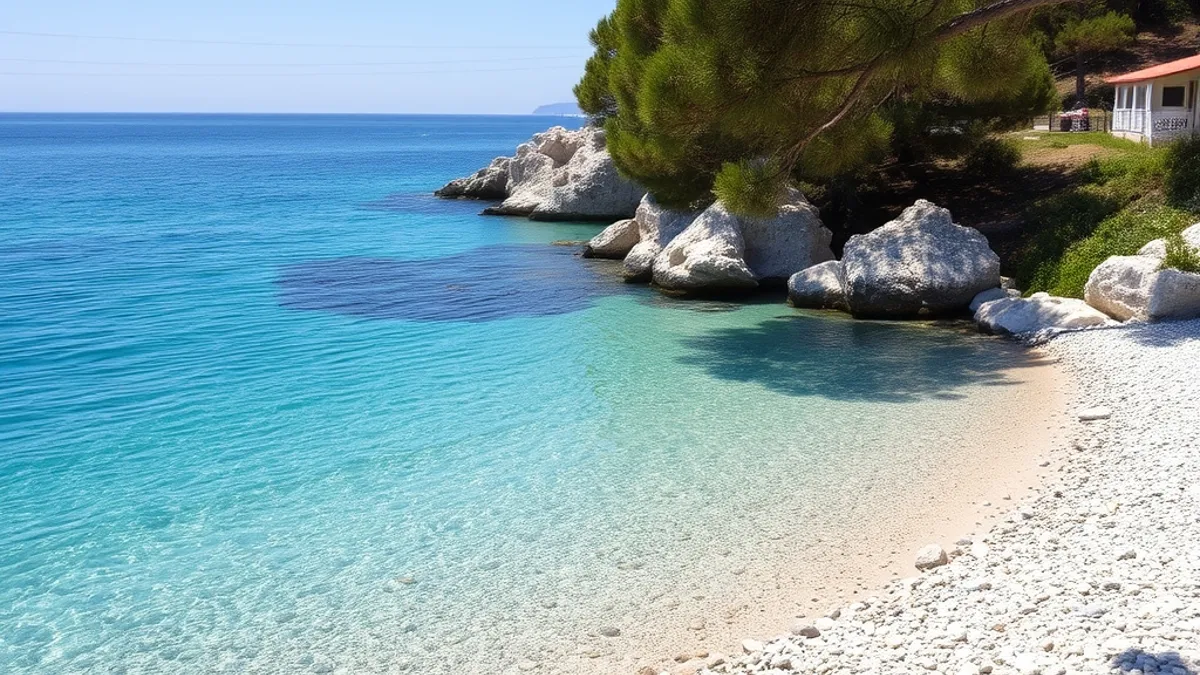
Korcula is the low-key pick of the three, and for many repeat visitors to Croatia, that’s exactly the appeal. For similar waterfront stays, it’s typically 20–30% cheaper than Hvar, so the same budget that buys a mid-range room on Hvar often stretches to something closer to the water here. The island’s rhythm is slower: sleepy pebble coves, terraced vineyards and family-run tavernas where dinner lasts all evening.
More than a beach island
Korcula Town gives the island cultural depth you might not expect. Its walled old town is a small, well-preserved medieval grid of narrow lanes and stone houses, and the local Marco Polo lore, whether or not he was truly born here, is woven into museums, towers and souvenir stalls alike. It’s the kind of place you explore in an hour and then return to every evening for a drink on the walls.
Access takes a bit more planning. Ferries run from Split in about 2.5–3.5 hours, or about 2 hours from Dubrovnik, which makes Korcula a natural fit for a Dalmatian coast route rather than a quick island hop. Connections are less frequent than to Hvar or Brac, so check timetables before fixing your dates.
Choose Korcula if you’re seeking quiet coves, vineyards and local tavernas over nightlife. It rewards travelers who want to unpack once and settle into a slower pace.
How the Three Islands Compare Side by Side
Picking between these three islands gets much easier once you line them up on the things that actually shape a stay: the atmosphere, the ferry logistics, the nightly cost and the kind of beach you’ll be walking to. No single island wins on everything, which is exactly why the comparison matters. Think about how you want your evenings to feel before you start comparing rooms, because that single decision will narrow the field faster than any price chart.
On vibe, the differences are immediate. Hvar town feels polished and social, with a marina scene that hums well past dinner. Brac is energetic in a family way, full of swimmers, windsurfers and kids building pebble towers. Korcula moves at a slower, more traditional rhythm, where evenings center on tavernas rather than beach clubs. None of these is better — they simply suit different travelers, and the right match depends on whether you want buzz, beach time or quiet.
Budget-wise, Hvar town sits at the top of the range in summer, while similar waterfront stays on Korcula often come in noticeably below that. Brac generally lands between the two, with plenty of apartment-style and family resort options that stretch the budget further, especially for longer stays.
- Vibe: Hvar is glamorous and social, Brac is active and family-friendly, Korcula is calm and traditional — the feel of each island is noticeable within an hour of arriving.
- Access: Brac is the easiest to reach from Split thanks to a roughly 50-minute ferry to Supetar; Hvar is the fastest by catamaran from Split at about 1–2 hours; Korcula is the most remote, which keeps the crowds away but adds travel time.
- Budget: Hvar commands the highest summer rates, Korcula typically undercuts it by a meaningful margin for comparable waterfront stays, and Brac sits in between.
- Beaches: Brac wins for iconic swimming at Zlatni Rat, whose white pebble spit shifts shape with wind and currents; Hvar takes the prize for beach clubs and stylish lounging; Korcula is best for secluded pebble coves where you may share the water with only a handful of others.
Choosing a Croatian Island Resort for Your Travel Style
The right island depends less on which one is “best” and more on how you like to travel. Three very different traveler types tend to gravitate toward three very different islands here, and the match is usually obvious once you’re honest about your pace.
If you’re a couple chasing sunsets and a social buzz
Couples who want sunset evenings followed by wine bars and people-watching should shortlist Hvar town first. It’s the most polished base on the Adriatic, with a riva built for lingering. If that sounds appealing but the summer prices and crowds don’t, the quieter inland villages on Hvar offer calmer resort alternatives at lower rates, still a short drive from town when you want the action.
If you’re traveling with kids or as a slow traveler
Families with children should favor Brac. The shallow, swimmable coves are forgiving for younger swimmers, the ferry logistics from Split are the simplest of the three islands, and the range of apartment-style and family resorts makes planning straightforward. Slow travelers and repeat visitors, meanwhile, tend to find the best value and calm on Korcula — lower prices, sleepy coves, vineyards and local tavernas, with enough old-town charm to reward a second and third visit.
Once you’ve matched the island to your pace, narrow the field by practical resort details: size, pool access and how walkable it is to town. A large resort with a pool suits families who want everything on-site, while smaller stays near a walkable old town suit couples who plan to eat out every night.
When to Go and How to Book Smart
Timing and booking strategy matter as much on these islands as the choice of island itself. Rates and crowds swing sharply between peak summer and the shoulder months, and the best sea-view rooms tend to disappear first. A little planning goes a long way, and it usually costs nothing except a bit of calendar discipline.
- Pick your window first. Aim for mid-June to early September if you want full resort services, every beach club open and the liveliest atmosphere. If lower rates and thinner crowds matter more, target May or late September, when the islands are far quieter but still pleasant.
- Book 3–6 months ahead for summer. Sea-view rooms at the most desirable resorts sell out well before peak season, so reserving early is the surest way to secure both the room category and the rate you want.
- Check ferry and catamaran timetables before locking in dates. Korcula sees fewer daily sailings than the other two islands, so your travel days may need to flex around the schedule rather than the other way around.
- Factor in the weather advantage. Hvar records roughly 2,700+ hours of sunshine per year, among the highest in the Adriatic, which makes even shoulder-season trips reliably warm and bright.
One last practical note: once your dates are set, confirm your ferry or catamaran booking at the same time as your room, especially in July and August when sailings fill up. Coordinating both reservations together means you won’t end up with a perfect resort and no sensible way to reach it. If your plans change, most ferry operators allow date changes for a fee, but check the conditions when you book.
Which Dalmatian Island Should You Pick?
So, which Dalmatian island fits your style and budget? Hvar delivers glamour and nightlife, Brac delivers beaches and family ease, and Korcula delivers quiet and value. All three offer that clear Adriatic water and pine-shaded coastline, but they reward very different kinds of travelers.
Your choice really comes down to three things: the vibe you want, the budget you have, and how much ferry time you’ll accept. If you want to be seen at a beach club, choose Hvar. If you want shallow coves and easy logistics with kids, choose Brac. If you want sleepy tavernas at a gentler price, choose Korcula. And whichever island you pick, booking early for summer remains the single biggest lever on both price and room choice. If this guide helped you decide, leave a comment or share it with a friend.