Planning glamping in New Zealand is less about finding one perfect tent and more about matching the right region to the right month. The same week in July can bring frost to an alpine dome near Queenstown while a covered pod in Northland stays mild and dry. If you book first and check the weather later, you risk paying peak rates for a site that is either shut for winter or sweltering in a heat you did not pack for.
This guide works season-first. We break down where to go in summer on the coastal North Island, why autumn suits Rotorua and Hawke’s Bay, which regions stay comfortable through winter, and when the Southern Lakes window opens around Queenstown and Wanaka. You will also find practical advice on choosing between safari tents, domes and heated pods, plus realistic booking lead times so the best waterfront and lakeside sites are still available when you want them.
Why Season Decides Where to Go Glamping in New Zealand
New Zealand is two long islands with genuinely different climates, and that shapes every glamping decision you will make. The country stretches from subtropical Northland in the far north to alpine Otago in the south, so the same month can mean beach weather up north and frost down south. A January night in the Bay of Islands might call for a light sheet, while the same night in a Southern Lakes dome needs a proper duvet and often a heater.
Most sites are seasonal, not year-round
This climate spread means most glamping sites operate seasonally. South Island alpine domes often close between May and September, when cold nights, snow and short days make lightweight canvas impractical. North Island sites, especially in the warmer north, tend to run year-round because winters there are mild rather than severe. If you have your heart set on a specific dome or pod, always confirm its operating season before you build a trip around it.
The practical takeaway is simple: matching region to month matters more than picking a single “best” spot. There is no one place that works for every month of the year, but there is a right place for your dates. Work out when you can travel first, then choose the region whose season lines up with it, and your glamping trip will feel effortless instead of lucky.
Summer (December–February): Coastal North Island
Summer, from December to February, is when New Zealand’s coastal North Island shows off, and it is the easiest season to plan around if you love water. Bay of Islands and Coromandel shine from November to April, with water temperatures suitable for swimming, so a beachfront tent or pod here feels like a genuine seaside holiday rather than camping with better views.
Coromandel and the Bay of Islands
The Coromandel Peninsula is the classic choice. Glamping sites here put beachfront tents and pods steps from Hot Water Beach and Cathedral Cove, so you can dig your own hot pool at low tide or walk to one of the country’s most photographed coves before the day crowds arrive. Further north, Bay of Islands glamping pairs warm 20–25°C days with swimming and sailing, and many sites sit within easy reach of boat tours and water taxis.
The trade-off is price and competition. Expect top rates of NZ$300–500 per night for the most desirable waterfront sites in peak summer, and book 3–6 months ahead if you want an ocean-front position rather than whatever remains. If your dates are flexible, late November or early March often delivers similar swimming conditions with more availability. And if a beachfront summer elsewhere is on your longer list, it is worth reading how private villa stays in the Caribbean compare on space and service before you commit.
Autumn (March–April): Central North Island and Hawke’s Bay
Autumn, from March to April, is the smart traveler’s season in the central North Island. The summer crowds thin out, prices soften, and the weather stays settled, which makes it ideal for glamping regions that feel overheated or busy in January. Shoulder-season rates drop to roughly NZ$150–300 per night, and you can often book just four to eight weeks ahead and still have a good choice of sites.
Rotorua’s lakes and Hawke’s Bay vineyards
Rotorua suits lakeside glamping beautifully in autumn, with mild 15–20°C days, fewer visitors, and the added comfort of hot pools and geothermal warmth nearby when evenings cool down. Lakeside domes and tents here give you steam rising off the water in the morning and easy access to the region’s walks and thermal parks. If you want a sense of how atmospheric lakeside glamping can feel outside the peak months, our glamping review from Castel Volturno in Italy shows what a well-run lakeside site delivers in the shoulder season.
Hawke’s Bay is the other autumn winner. Vineyard stays combine harvest-season atmosphere with stable autumn weather, so you can wake up among the vines, watch the picking crews at work, and finish the day with wine produced meters from your tent. A site that commands peak rates in summer becomes noticeably more affordable at this time of year, though popular vineyard stays do fill early around harvest weekends, so lock in your dates once you know them.
Winter (May–August): Rotorua and the Far North
Winter is when most of New Zealand’s glamping map shrinks, but it is also when the North Island shows its best side. Rotorua stands out as the most comfortable winter glamping base in the country, thanks to geothermal heat. Soaking in a natural hot pool while steam rises off the ground is a fair trade for daytime temperatures that hover around 10–15°C.
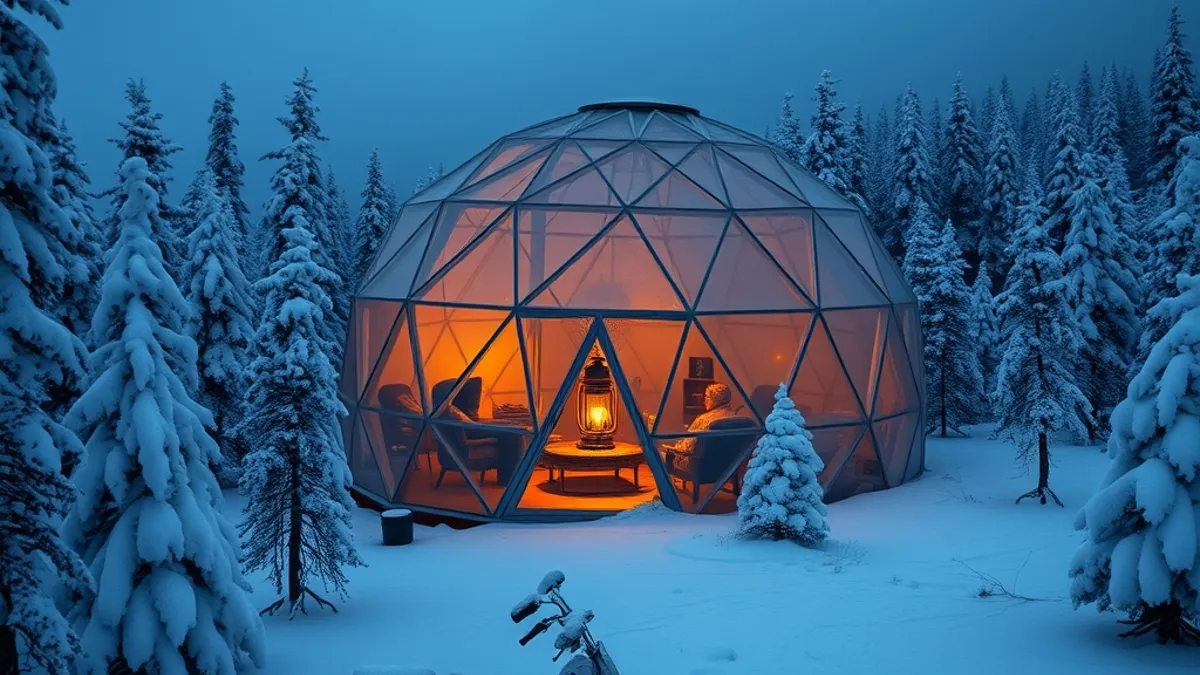
Farther north, the Bay of Islands and Northland stay mild enough for glamping year-round. Insulated cabins and covered pods here are built for the season, and you can still walk on beaches and watch boats cross the bay without heavy gear. If you love the idea of cozy stays in cold climates, you might also enjoy reading about Lapland homestays for snowy days, where winter comfort is an art form.
Vetting listings carefully matters more in winter than in any other season. A tent that felt romantic in January can feel bleak in July. Use this checklist when comparing winter options:
- Solid walls: cabins, pods and hard-sided structures hold heat far better than canvas and cut down on condensation overnight.
- Wood burners or heating: a wood burner inside the unit is the gold standard; look for details on how firewood is supplied and whether the fire needs keeping overnight.
- Insulation and flooring: insulated panels or raised wooden floors make a real difference when nights drop close to freezing.
- Hot water reliability: confirm whether the outdoor bath or shower is heated on demand or only at set times in the cooler months.
Spring and Alpine Summer (October–April): Queenstown and Wanaka
The Southern Lakes region around Queenstown and Wanaka has one of the shortest glamping windows in the country. Because of alpine conditions, the season runs roughly October to April, and outside those months most alpine sites simply close. If Queenstown or Wanaka is on your list, plan your trip around this window rather than hoping for a winter exception.
What you get inside the season
Lakeside domes and eco-pods near Wanaka pair mountain views with genuine comfort. In October and November, spring blossom fills the valleys and the hills are still green from winter rain. By December and January, you get long summer evenings where the light lingers until late, ideal for a glass of local wine outside your dome.
Why the shoulder months win on price
October and April bookends deliver the region’s lowest rates, typically around NZ$120–250 per night. You trade a bit of warmth for quieter trails, easier restaurant bookings and better availability at the most photogenic sites. Weather in these months can be changeable, so pack layers, but many travelers find the combination of lower cost and thinner crowds makes the shoulder months the smartest time to visit the Southern Lakes.
How to Choose and Book the Right Site
Once you know which region suits your dates, the booking process becomes straightforward. The key is matching the type of structure to the conditions you will actually face, then timing your reservation around the season. A canvas tent that feels magical on a warm summer coast can be miserable in a chilly alpine valley, so work through these steps before you pay any deposit:
- Match the stay type to the season. Safari tents and open-fronted canvas setups shine on summer coasts where nights stay warm and you can live half outdoors. Domes and pods with solid walls, insulation and heating are the better choice for winter trips and alpine zones, where comfort matters more than panoramic views alone.
- Confirm the site is open for your dates. Many glamping operations, especially in alpine parts of the South Island, run seasonal calendars and shut for the colder months. Email the host or check the booking calendar directly before committing to off-season dates. A listing that shows as “available” on a generic platform may still be closed in reality, and platforms do not always update this promptly.
- Book early for summer. Premium domes and pods for December to February stays are the first to go, particularly waterfront and vineyard sites. These rarely reopen once cancelled, so reserve as far ahead as the host allows.
- Use shoulder-season flexibility. Traveling in March–April or September–November usually suits spontaneous trips, with shorter lead times and better rates at many sites.
- Read the fine print on heating, bedding and cancellations. Ask what heating is provided, whether bedding is included and how flexible the cancellation policy is. These details matter most in the cooler months and at remote sites where a cold night is hard to fix.
Following this order keeps you from falling in love with a site that is closed, underheated or already booked. Ten minutes of checking saves the disappointment of a cancelled plan later, and it often surfaces better options nearby if your first choice is full.
The Season-First Way to Plan Your Trip
So the answer to “where should I glamp?” really starts with “when.” Match your travel months to the region first: summer belongs to the coastal North Island around the Coromandel and Bay of Islands, winter shifts the action to Rotorua and the Far North, and the Southern Lakes around Queenstown and Wanaka take center stage from October to April. If your dates are flexible, the shoulder seasons of March–April and September–November are the sweet spot, with prices dropping to NZ$120–300 per night and far fewer people competing for the same views.
Timing your booking matters just as much as picking the region. For a December–February trip, lock in premium domes and pods 3–6 months ahead to secure the best waterfront and lakeside sites. Shoulder-season travel gives you more breathing room, often just a few weeks’ notice. If this helped you pin down your dates, leave a comment or share the article with a fellow traveler.