Crete looks perfect on paper for a family holiday, and it usually is. The problem is choosing well. With four very different regions, hundreds of villas and a long season that shifts in price and character, many families book blind and only discover on arrival that the “shallow beach” is a five-minute drive away or the pool is too deep for a toddler. Picking the wrong area or week can turn a dream trip into a logistics exercise.
This guide walks through the decisions that matter most. We compare why Crete villas for families beat hotel rooms, break down the best regions from Chania to the south coast, explain which weeks suit beach-focused kids best, and show how to spot a genuinely family-friendly villa. You will also find practical booking advice on timing, budgets and airport transfers, plus ideas for days out that will not overtire young children. By the end, you should be able to match a region, a season and a villa to your family with confidence.
Why Crete Villas for Families Beat Hotel Rooms
The biggest advantage of a villa is the pool. Instead of competing for sun loungers around a hotel pool with fixed opening hours, your children can swim when they wake up, after their nap or in the evening while you watch from a lounger a few steps away. Supervision is simpler, and there are no crowds, no queues for inflatables and no racing other kids to the shallow end.
The money and comfort math
For a week or longer, the economics often favor a villa. A family of four typically needs two hotel rooms, each charged separately, while a three-bedroom villa with a kitchen is one rental. Eating breakfast at home and cooking a few dinners brings food costs down significantly, and separate bedrooms mean toddlers nap in a dark room while parents read in the living room rather than whispering in the dark at 8 pm.
Practical details matter too. Many family villas provide a washing machine, which is a lifesaver after beach days and ice-cream accidents, and most owners supply cots and high chairs on request. Ask before booking rather than assuming, and confirm whether baby equipment is free or carries a small fee. These small conveniences are what make a week-long villa stay feel calmer than a hotel, with more space to spread out and no packing everything up for a single dinner out.
Best Areas in Crete for a Family Villa
Crete is a big island, and the right region depends on your priorities: transfer time, beach type and how much bustle you want nearby. The north coast has the main airports and the most developed resorts, while the south is quieter with calmer seas but longer drives. Here is how the main family options compare.
The Chania region combines old town charm with some of the island’s best family beaches. Agia Marina and Almyrida both have shallow, gently shelving water, so children can play at the edge while you keep an eye on them from the sand. Rethymno works well for families who want everything walkable: a long sandy beach right by town and a compact Venetian old town for evening strolls, roughly an hour’s drive from Chania airport. Further east, the Lasithi area around Elounda offers calm bays and the island’s most upscale villas, about 1.5 hours from Heraklion airport.
- Chania region: Agia Marina has a long blue-flag beach with tavernas behind it, while Almyrida is a small village where you can walk from villa to beach to dinner without using the car.
- Rethymno: the beach runs for kilometers west of town, so even in high summer you can usually find open sand, and the old town’s fountain-lined lanes are stroller-friendly in the evenings.
- Elounda: the bay stays glassy even when the north coast is windy, and boat trips to nearby Spinalonga island make an easy half-day outing with kids.
- South coast (Plakias, Agia Galini): the sea is noticeably calmer here, and beaches are less crowded, but expect longer transfer times from either airport, so plan an overnight stop or a patient first day.
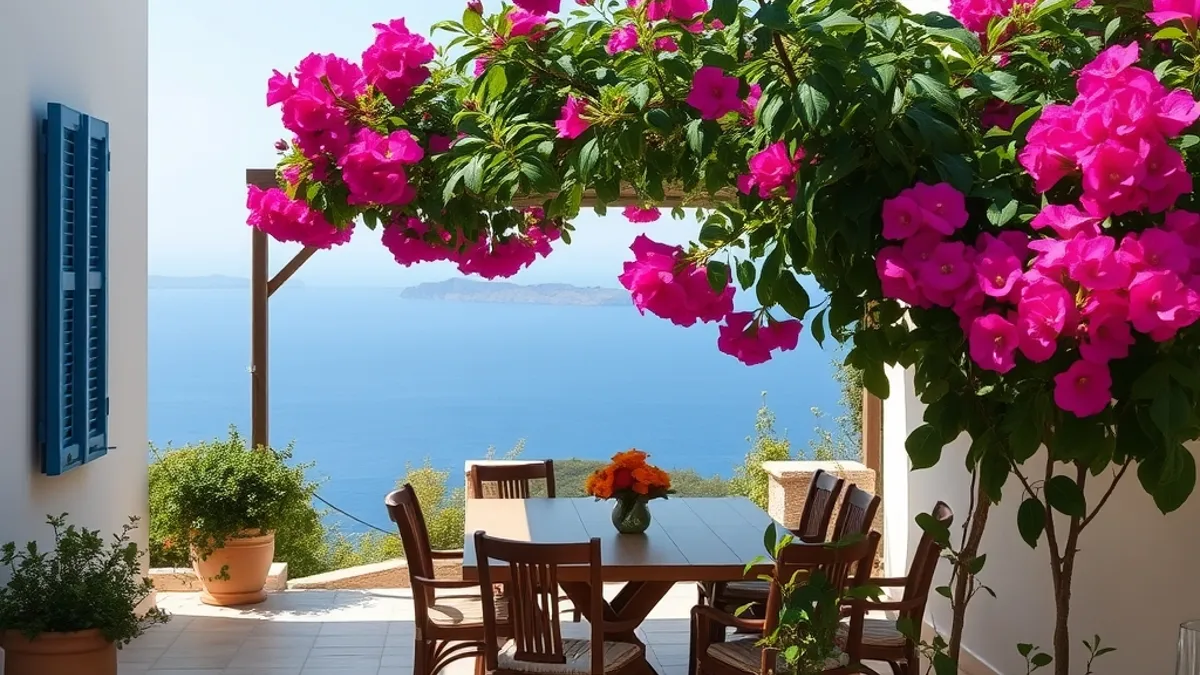
Choosing the Right Season for Your Stay
Timing shapes both your budget and your beach days. May-June and September-October are the sweet spot for most families: the sea is already warm for swimming, and villa prices typically run 40-60% lower than peak July-August rates. In September the water is at its warmest of the year, and beaches that felt packed in August suddenly have space again.
If you can only travel in peak season
July and August suit beach-focused families who want long, hot days and lively resort atmospheres, and many kids’ clubs and water sports operate at full capacity then. The trade-off is the meltemi, a summer wind that blows across the northern coast and can whip up waves on exposed beaches. If you travel in these months, look for villas near sheltered bays or on the calmer south coast, and keep a windier-day plan ready.
The shoulder months also make everyday life easier. Restaurant tables in popular towns no longer require a wait, car-ferry queues for day trips are shorter, and sightseeing at sites like ancient ruins is far more comfortable in cooler morning temperatures. For families with toddlers or school-age children who can travel outside strict holiday dates, June and September usually deliver the best overall value and the most relaxed pace.
How to Spot a Genuinely Family-Friendly Villa
The photos in a villa listing can make any place look perfect, so it pays to ask specific questions before you pay a deposit. A villa that suits a couple or a group of friends is not automatically right for a family with a toddler or a crawling baby. The difference usually comes down to a handful of practical details around the pool, the bedrooms and the outdoor space.
Start with the pool, since it will likely be the center of your days. Ask the owner or agent for the exact depth at both ends, and whether there is a shallow shelf or a separate children’s section. A pool with a sudden drop from a shallow edge is a genuine hazard for little ones, while a gradual entry or a fenced pool area lets parents relax a little. Also ask whether pool access is directly from the terrace or down steps.
Bedroom layout matters more than most families expect. A “three-bedroom villa” occasionally means two real bedrooms plus a sofa bed in the living room, which is a poor deal when you want your children asleep by 8 pm and your own evening intact. Confirm that each child has a proper bed and that your room has a door, not a curtain or mezzanine.
- Pool safety: ask whether the owner can fit a temporary pool fence or cover for your dates, and whether an alarm or gate exists around the water.
- Stairs and terraces: many Cretan villas are built on slopes, so check whether stair gates can be fitted and whether terraces have railings or gates at open edges.
- Outdoor shade: look for a pergola or covered dining area, since midday sun makes outdoor lunches difficult with small children.
- Cots and high chairs: confirm these are provided free and whether linen for the cot is included, so you avoid lugging your own.
- Everyday logistics: ask for the walking or short driving distance to the nearest supermarket, bakery and sandy beach, and whether the road to the villa is suitable for a rental car.
Booking Tips: Timing, Budget and Transfers
Good family villas in the most popular regions book out early, so timing is everything. For a July or August stay, aim to reserve 6-9 months ahead, especially if you want a specific village or a private pool with sea views. If your dates are flexible, June and September give you far more choice, and booking 2-3 months ahead is usually enough.
Budget realistically before you start searching. Family-friendly villas typically range from €120 to €350 per night, depending on the season, the size of the property and whether it has a private pool. A four-bedroom villa with a heated pool in August sits at the top of that range, while a two-bedroom place without a pool in June can sit near the bottom. Remember that the per-night price often covers the whole villa, so splitting with another family can bring the cost per bedroom close to a mid-range hotel.
Transfers and transport deserve a spot in your budget too. Most family villas sit outside towns, on hillsides or along coastal roads, so a hire car is practically essential for beaches, supermarkets and tavernas. Also think about which airport you fly into, because a villa in the wrong corner of the island can add hours to your arrival day.
- Deposit and payment terms: many owners ask for a deposit to secure dates, with the balance due closer to arrival, so read the cancellation terms carefully before committing.
- Car hire timing: book your rental vehicle at the same time as the villa in peak season, since family-sized cars and those with child seats sell out quickly.
- Airport matching: choose Chania airport for villas in the west of the island and Heraklion airport for the center and east, so you avoid a long transfer with tired children.
- Total cost check: ask whether air conditioning, cleaning, linen and the final cleaning fee are included in the quoted nightly rate, as these extras can shift your budget noticeably.
Family Days Out From Your Villa
One of the biggest advantages of a villa base is the freedom to plan days out at your own pace, but the size of Crete works against over-ambitious itineraries. The island is long, and drives that look short on the map can take far longer with children on board. As a rule, keep your day trips within roughly 1-1.5 hours of the villa each way, and you will return with everyone still speaking to each other.
Trips that reward the effort
The lagoons at Balos and Elafonisi are the classic examples: spectacular pink-tinged sand and shallow water, but reached by winding roads or a boat crossing, so start early and pack plenty of water and snacks. In the opposite direction, the archaeological museum in Heraklion is a superb cooler-weather option, and even younger children enjoy the frescoes and giant storage jars from the Minoan palaces. Both are doable from a well-chosen base, but neither pairs well with a second activity on the same day.
Easier days close to base
Water parks and boat trips running from the Rethymno and Chania areas are ideal for filling non-beach days, and they require far less logistics than a cross-island drive. A simple approach that works well for families with young children is to alternate: one big excursion, then one relaxed beach or pool day. That rhythm keeps the children rested, avoids overtired meltdowns, and leaves you feeling like you actually used the villa you paid for rather than just sleeping in it.
Wrapping Up Your Crete Family Villa Plan
Choosing between Crete’s regions, villa styles and seasons gets much easier when you take it step by step. Start by picking the region that matches your family: Chania and Rethymno for classic beaches and walkable old towns, Lasithi for calm upscale bays around Elounda, or the quieter south coast for gentler seas. Then aim for May-June or September, when prices drop well below the July-August peak and beaches feel warmer and far less crowded.
Once you know where and when, book early: peak-season family villas are best reserved 6-9 months ahead, while shoulder season allows a shorter window of 2-3 months. Before paying any deposit, double-check the details that matter most with young children, such as pool depth, fencing and a bedroom layout that gives everyone real space to sleep. Get those three things right, and a Crete villa becomes the easiest family holiday you have planned. If this helped, leave a comment or share the article with another family.