The Algarve stretches over 150 km of coastline, so choosing the wrong base can mean crowds, car dependency or a dead resort town out of season. That is the problem this Portugal Algarve resort guide sets out to solve. The region is really three destinations in one: a wild, cliff-lined west around Lagos and Sagres, a busy central belt of beach resorts between Albufeira and Vilamoura, and a calm, island-fronted east near Tavira.
Below, you will find a breakdown of each zone and the kind of traveler it suits, plus a clear look at seasons, sea temperatures and prices so you know when to go. The final sections cover how to match an area to your trip style and how far ahead to book, whether you are planning a July family stay or a mild winter golf trip. Read the area sections first, and the booking decision becomes much simpler.
Why the Algarve Is More Than One Destination
Most first-time visitors treat the Algarve as a single beach strip, then wonder why their hotel feels nothing like the photos they saw. The region actually runs roughly 150 km from the wilder, cliff-lined west coast around Sagres to the calm, island-fronted east near Tavira, and the character changes noticeably along the way. Sagres sits at the rugged southwestern tip, where Atlantic swell and headlands dominate. Tavira, at the opposite end, faces shallow lagoons and sandbar islands with barely a wave in sight.
Between those extremes, the coastline splits into three practical zones. The western areas suit surfers and anyone drawn to dramatic scenery, sea caves and wind-swept cliffs. The central stretch delivers the classic beach-resort experience: big hotels, family facilities and long sandy beaches backed by development. The east is quieter and flatter, with traditional towns, calm water and a slower pace of life.
Why zones matter more than hotel star ratings
Knowing these three zones first prevents the most common mistake: booking a resort far from the vibe you actually want. A lovely hotel in a quiet eastern village will frustrate a surfer; a family mega-resort in the central belt will overwhelm a couple seeking stillness. Decide which zone fits your trip before you compare individual properties, and everything else in this guide falls into place.
Lagos and the Western Algarve
Lagos is the natural anchor of the western Algarve, and it works because it combines two things rarely found together: a walkable old town and some of the most dramatic coastal scenery in Portugal. Within a few minutes’ stroll of the center you have cobbled lanes, small squares and a working marina, while the famous grottoes and golden cliffs of Ponta da Piedade sit just along the coast. Boat trips and kayak tours run from the waterfront to explore the caves up close.
Who this zone suits best
This is the pick for travelers who want scenery and evening atmosphere rather than pure beach lounging. The town has enough restaurants and bars to fill your nights, and the beaches near town are scenic but often backed by cliffs rather than wide resort promenades. If your ideal day ends with sunset from a headland rather than a sun lounger, Lagos fits.
Logistics are straightforward. Expect roughly 1 hour 15 from Faro Airport by car or train, with the coastal train line running along the coast to Lagos station. One honest caveat: the west is exposed to Atlantic weather, so conditions here are typically slightly cooler and windier than on the central coast. Pack a light windbreaker even in summer, and check sea conditions before swimming on exposed beaches.
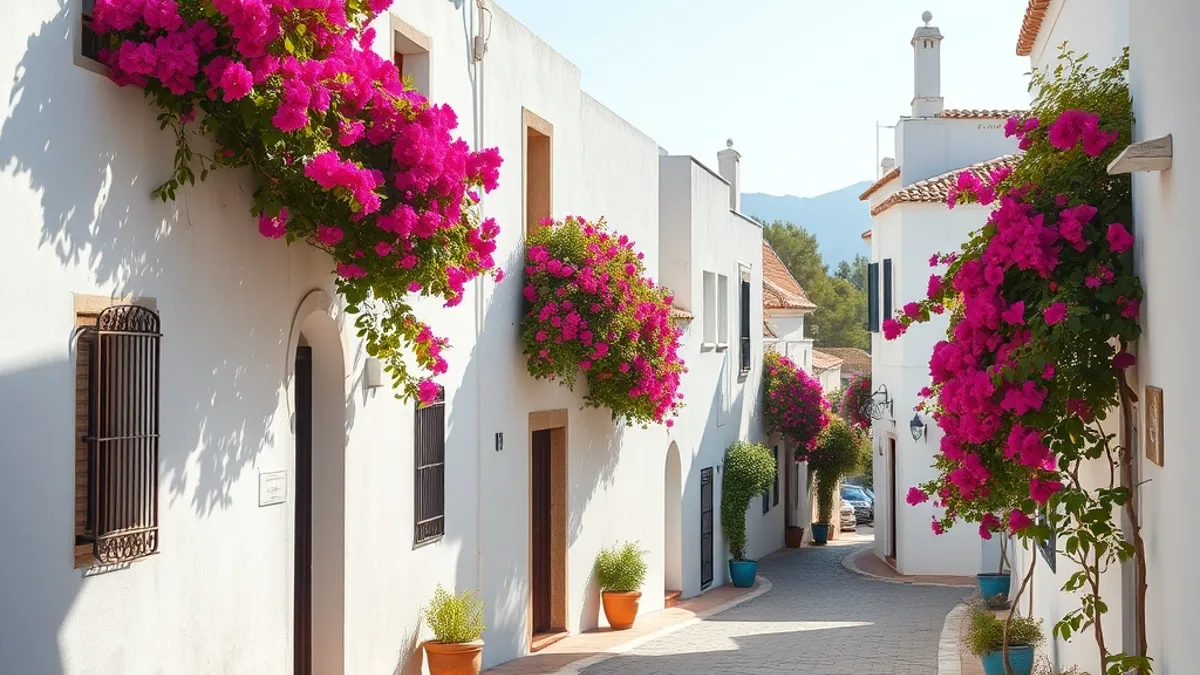
Albufeira to Vilamoura: The Central Resort Belt
The stretch of coast between Albufeira and Vilamoura is where the Algarve’s resort scene hits full stride. This is the densest concentration of large hotels, golf courses and marina-front properties in the region, and Vilamoura’s marina district is the centerpiece: a wide horseshoe of boats, waterfront restaurants and hotels where you can walk from your room to dinner without touching a car. Albufeira adds its own mix of lively old-town streets and purpose-built resort zones along the golden cliffs.
For families and golfers, this belt is hard to beat. You get the widest choice of stay types in the Algarve, from apartment-style complexes with kids’ pools to full-service golf resorts with multiple courses on-site or a short shuttle away. Everything tends to be within reach: supermarkets, water parks, mini-golf, beach bars and evening entertainment. If your priority is convenience and options rather than seclusion, this is your zone.
The trade-off: crowds in high summer
The flip side is that this is also the busiest stretch of coastline in July and August. Beach space gets tight, restaurant queues are real, and traffic on the main coastal road slows to a crawl at peak times. If you’re set on this area in peak season, book well ahead and consider staying slightly back from the beachfront, where rates soften and the walk to the sand is still manageable.
One practical note: the coastal train linking Lagos to Faro stops at stations serving this belt, including Albufeira’s, so you can reach much of it without a rental car. For Vilamoura itself, a taxi or transfer from the station or airport is usually the easier final leg, so check with your operator or hotel before arrival.
Tavira and the Eastern Algarve
Tavira sits on the eastern edge of the Algarve, facing the Ria Formosa, a chain of calm barrier islands that shelters the coast from Atlantic swell. The water between town and the islands is shallow and gentle, reached by a short ferry crossing, which makes swimming and beach days feel relaxed even in summer. The pace here is noticeably slower than the central resort belt, and it stays that way through the year.
This stretch of coast suits couples and travelers who want quiet days rather than packed beaches. Tavira itself is one of the prettiest towns in the region, with traditional white-and-gold architecture, church towers and a hilltop castle to wander. Development is far more restrained than around Albufeira, so you will find small guesthouses and low-rise hotels instead of towering apartment blocks. If that kind of slow, unhurried trip appeals to you, the mindset is similar to choosing a resort built for quiet days rather than one centered on nightlife.
Getting there and timing your stay
Tavira lies roughly 30-40 minutes east of Faro Airport by car, making it one of the easier areas to reach after landing. Nearby towns such as Santa Luzia and Cabanas share the same calm, island-fronted character. Outside the June to September window the whole area becomes noticeably quieter, which many visitors see as a plus rather than a drawback. Check ferry schedules and restaurant opening times in advance if you travel in the cooler months.
When to Go: Seasons, Prices and Sea Temperature
Timing shapes almost everything about an Algarve trip, from what you pay to how the beaches feel. Mid-June to early September is peak season, when the sea reaches its warmest at 21-23°C and the resort towns are at their liveliest. That is also when nightly rates climb to €250 or more, especially in July and August, and when you should expect crowded sand and booked-out restaurants in the central belt. If you are tied to school holidays, book early and lean toward the quieter eastern towns to soften the crowds.
The shoulder months are the sweet spot for many travelers. May, early June, late September and October combine warm water and mild air with rates that typically fall closer to €90-150 per night. You still get long, bright days for the beach, but with easier parking, shorter waits and a more relaxed pace in the resort towns.
Winter stays mild too, with daytime temperatures around 15-18°C, which is ideal for coastal walks and golf, though some resort towns go noticeably quiet between November and March. Many hotels drop their rates sharply in this window, so it can be excellent value if you do not need a busy atmosphere.
- Sea temperature swings more than air temperature: the water drops to roughly 15-17°C in winter, so swimming is mainly a summer activity even when sunny days make the coast tempting year-round.
- Shoulder season suits sightseeing: walking the Lagos cliffs or exploring Tavira’s old town is far more comfortable in mild air than under an August sun, and parking is easier too.
- Golfers favor the cooler months: the Algarve’s many courses are most playable in autumn, winter and spring, when fairways are greener and tee times easier to find.
- Check seasonal openings: some beach clubs, boat tours and smaller restaurants run reduced hours or close entirely outside peak season, so confirm details before booking a winter or early-spring stay.
How to Choose and Book Your Algarve Resort
Choosing an Algarve resort gets much easier once you treat it as a short sequence of decisions rather than an endless comparison of hotels. The coastline offers hundreds of properties, and scrolling through them all is the fastest way to feel overwhelmed. Work through the steps below in order, and the region’s 150 km of coast will narrow down to a shortlist in minutes.
- Match the area to your trip style first. The west around Lagos rewards travelers chasing scenery and evening atmosphere, the central belt offers the widest choice of family facilities and golf resorts, and the east around Tavira delivers calm and traditional charm. Fixing this one choice early prevents the most common booking mistake: falling for a great hotel in the wrong zone.
- Decide how much you value beach space versus buzz. In July and August the central resort belt is at its busiest, so if you are traveling then and want room to spread out, the west or east may serve you better than a big central resort.
- Book on the right lead time. For July and August stays, aim to book 3-6 months ahead to get a good choice of rooms and rates. Shoulder-season trips are more flexible and can often be booked 4-8 weeks out.
- Check whether your resort needs a car. The coastal train connects Lagos to Faro and Vila Real de Santo António, linking most western and central resort towns, but eastern villages and many beach clubs sit away from stations and often require driving.
- Confirm transfer times before committing. Faro Airport sits roughly 50-90 km from most major resort areas, so check how long the transfer will take from the specific town you pick, not just the region. A hotel that looks central on a map can still add an hour of travel with luggage and kids in tow.
Follow that order and the final booking becomes a small step instead of a research project. You will know the zone that fits your trip, the lead time that protects your options, and whether to rent a car the moment you land at Faro. From there, comparing two or three hotels in the same town is all that remains.
Wrapping Up Your Algarve Plan
Choosing where to base yourself in the Algarve comes down to one simple idea: the coastline is long enough that the west, center and east feel like three different destinations. Rather than scrolling through hundreds of hotels, start by picking your zone. If you want cliff walks and Atlantic energy, look west. If your priority is a big resort pool, kids’ clubs and golf courses within a short drive, the central belt makes sense. If calm lagoon water and quiet evenings sound like your kind of holiday, head east.
Once the zone is settled, let the season shape your budget and expectations. Summer delivers the warmest sea and the fullest calendar of activities, while shoulder months trade a little heat for better rates and space on the sand. Winter suits travelers who come for coastal walks, golf and lower prices rather than swimming. Match the place to the trip, then match the timing to the budget, and the rest of the planning falls into place. If this guide helped you plan, leave a comment or share it with a fellow traveler.