Traveling with kids means every decision carries more weight, and few are as divisive as hotels vs vacation rentals. One parent wants daily housekeeping and a pool at the front desk; the other wants a kitchen, a washing machine and bedrooms the children can actually sleep in. Both options can work brilliantly — but for the wrong trip, either one can leave you paying more and enjoying less.
This guide breaks the decision down into the questions that matter: how much space your family really gets, what you pay beyond the nightly rate, how much convenience each option delivers, and how safety and quality control differ between hotel chains and individual hosts. We also cover when to book each option, how to match your choice to city breaks versus longer beach or countryside trips, and the bottom line for family travelers. By the end, you should know exactly which option fits your next trip — and when mixing both makes sense.
Space and Sleeping Arrangements
Space is where the two options diverge most sharply, and it is usually the deciding factor for families with more than one child. A standard hotel room typically measures 25-35 m² and sleeps four at most — often with two adults crammed into one bed and the kids in a sofa bed or rollaway. Once you need a suite or connecting rooms to breathe, the nightly rate can jump by 50-100%, which quickly erases any price advantage the hotel seemed to have.
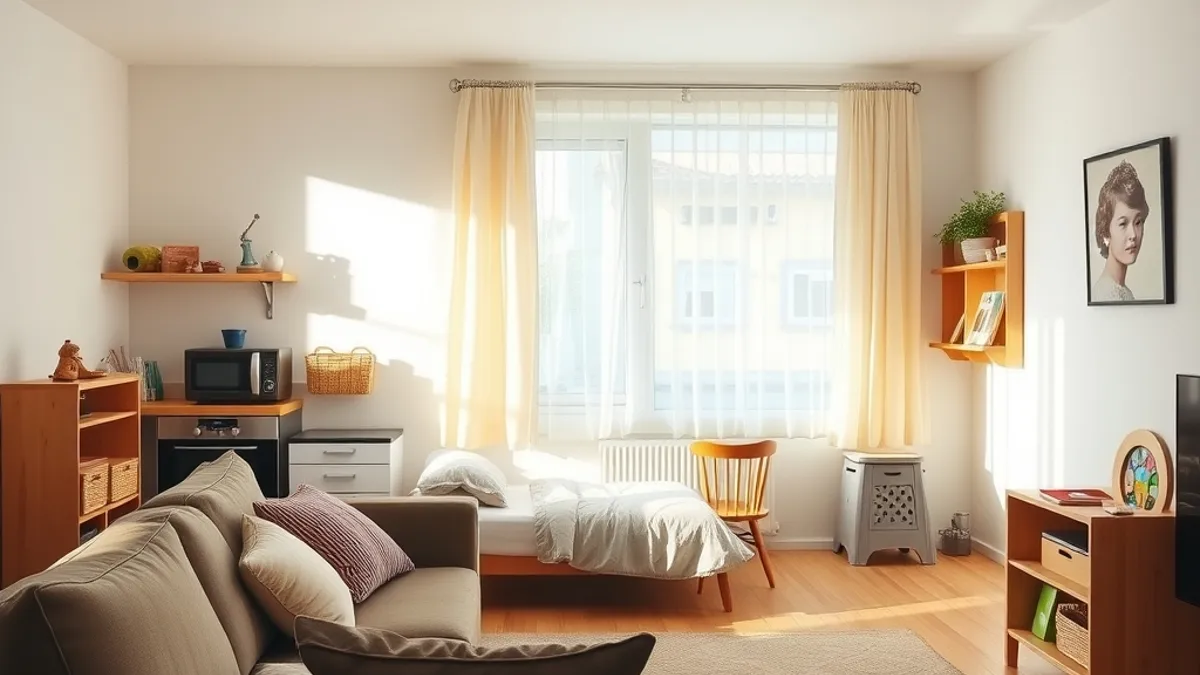
Vacation rentals flip that equation. A typical rental offers 60-120 m², meaning the kids get their own bedroom, you get yours, and everyone shares a living room for the evening. That layout matters more than it sounds: when children go to bed early, parents are not sitting in the dark whispering. You can watch a show, plan the next day or enjoy a glass of wine in a separate room — a small luxury that hotel stays rarely provide unless you pay suite prices.
Laundry: the underrated advantage
Most rentals include a washer and dryer, and on trips longer than a week this becomes a major advantage. Packing light, doing a load mid-trip and skipping the hotel laundry bill (or the overflowing suitcase) saves money, luggage space and stress. For families with young children, who generate laundry at an impressive rate, it is often the difference between packing for one week and packing for three.
Cost Comparison: Nightly Rates and Hidden Fees
On paper, the price comparison favors rentals for longer stays: for trips of a week or longer, vacation rentals usually cost 20-40% less per person than comparable hotel rooms. But the sticker price is not the whole story. Cleaning fees commonly add $75-200 per stay, and on a two-night trip that fee can push the effective nightly rate well above what a hotel would charge. The longer you stay, the more that one-time fee gets diluted — which is why rentals shine on week-long trips and lose their edge on short ones.
Hotels, by contrast, have no cleaning fees and highly predictable pricing. What you see when you book is essentially what you pay, which makes budgeting for a 2-3 night city break far simpler. There is no mental math about dividing a cleaning fee across three nights or wondering whether the resort adds extras at checkout.
- Kitchen access is often the biggest hidden saving. Preparing breakfast and one meal a day at “home” cuts restaurant spending dramatically, and with kids, restaurant meals add up faster than almost any other travel cost.
- Compare total stay cost, not nightly rates. A rental that looks pricier per night can win once you add the hotel’s restaurant bills, or lose once you factor in a taxi to a less central location.
- Short trips tilt toward hotels, long trips toward rentals. The cleaning fee hits hardest on 2-3 night stays, while the per-person savings compound over a week or more.
Before booking either option, calculate the full cost: nightly rate, fees, and realistic food spending. For most families, the kitchen alone decides the winner on any stay beyond a few nights.
Convenience and Services
What hotels take off your plate
The core hotel promise is that daily logistics disappear. Daily housekeeping resets your room while you are at breakfast, the front desk handles everything from lost room keys to late checkouts, and a concierge can book restaurants, taxis and tours on your behalf. Many family-oriented hotels add kids’ clubs, children’s pools and organized activities, which means parents get genuine downtime without planning anything. If you have ever arrived at a rental at 8 p.m. with tired kids and no idea how the coffee machine works, you know exactly what this service is worth.
What rentals ask of you
Vacation rentals run on self-sufficiency. You handle self check-in, manage keys or lockbox codes yourself, and coordinate any mid-stay cleaning on trips of 7+ nights — often at an extra cost you arrange directly with the host. There is no one to call at midnight if the wifi fails, though responsive hosts do exist and many handle problems quickly. The tradeoff is control: your own schedule, your own meals, no housekeeper knocking during nap time.
So who should choose which? Hotels suit families prioritising service and short stays, where a few days of convenience justifies the rate. Rentals suit longer trips, where self-sufficiency pays off — you settle into a routine, cook, do laundry, and the lack of daily service stops mattering. Match the option to how much logistics you want to outsource, and for how long.
Safety and Quality Control
One of the quieter advantages of hotels is that safety is largely handled for you. Staffed entrances and lobbies mean someone is always aware of who comes and goes, and most family-friendly chains follow consistent standards across their properties, from balcony railings to window locks. In-room safes give you a secure spot for passports and spare cash, which matters when you are traveling with documents for four or more people. If you want to see how these standards play out in practice, our review of a family-oriented hotel in Oia, Santorini shows what to look for.
Vacation rentals are a different story. There is no front desk and no brand standard to fall back on, so quality and safety depend entirely on the individual host. Two apartments on the same street can differ wildly in how well they are maintained, which is why the listing itself deserves a careful read before you book.
Reviews from other families are the most reliable signal you have. Parents tend to mention the details that matter, like whether the crib actually arrived or the pool was fenced. Beyond reviews, message the host directly and confirm the specifics in writing:
- Crib and high chair availability: ask whether they are provided free, whether the crib meets current safety standards, and whether linens for it are included.
- Stair gates: if the rental has multiple floors, confirm whether gates are installed at the top and bottom of the stairs or whether you need to bring portable ones.
- Pool fencing: for any rental with a private or shared pool, ask whether there is a locked fence or a pool alarm, especially if your children are not strong swimmers.
Hotel chains, by contrast, deliver more predictable standards from one city to the next. If you value knowing exactly what you will walk into after a long travel day, that consistency is worth real money to a family.
When to Book Each Option
Timing matters more for family travel than for almost any other kind of trip, because the rooms and homes that actually work for four or more people are the scarcest. For summer travel, book family hotels around 3-6 months ahead. Connecting rooms and family suites are limited in number at most properties, and they tend to sell out long before standard doubles do. Waiting until a few weeks before departure usually means choosing between an expensive suite or squeezing into rooms that were never designed for your family.
Book rentals even earlier
Popular vacation rentals in peak season fill 6-9 months out, and the effect is strongest in beach and ski destinations. The best-located homes with the right mix of bedrooms, a pool and a kitchen are often gone by late winter for a summer stay. If you have your heart set on a specific house you stayed in before, or one with glowing reviews, set a reminder and book the moment the calendar opens.
Cancellation flexibility favors hotels
Plans change with kids, and here hotels have a clear edge. Many hotels allow free cancellation until roughly 24-72 hours before arrival, which gives you room to shift dates if a flight changes or a child gets sick. Rentals typically require you to commit 30-60 days ahead, and canceling inside that window can cost you a large share of the booking. Check the exact policy before you pay, and consider travel insurance for the rental portion of a long trip.
Matching the Choice to Your Trip Type
The right accommodation depends less on the destination than on the shape of the trip. A two- or three-night city break almost always favors a hotel. You will spend your days walking between sights rather than hanging out at “home,” so the extra space of a rental buys you little. A hotel puts you in a walkable central location, skips the cleaning fee entirely, and keeps the logistics simple: one keycard, a front desk for questions and luggage storage after checkout.
Week-long trips to the beach or countryside flip the equation. There, the space, the kitchen and the laundry of a rental earn their keep every single day, and the one-time cleaning fee is spread across seven or more nights instead of three. Being able to throw swimsuits in the washer before packing up is worth more than any hotel perk.
Mixed itineraries, which many long-haul family trips turn out to be, work well as a combination. A hotel for the first nights after a long flight means someone else handles dinner, beds and breakfast while everyone recovers from jet lag. Then you move to a rental for the longer stretch, where self-catering and space pay off. A few things to weigh when you match the option to the trip:
- Parking and access: in cities, confirm whether the hotel charges for parking or whether the rental street requires resident permits; this can quietly change the cost math.
- Meal rhythm: if your kids nap early and you eat dinner after their bedtime, a rental’s living room and kitchen change your evenings; if you eat out every night anyway, the kitchen adds little.
- Luggage logistics: on a multi-stop itinerary, hotels with front desks make late check-ins and early checkouts painless, while rental self check-in works best when you are staying put for a while.
The Bottom Line for Family Travelers
So, which wins for traveling with kids: a hotel or a vacation rental? The honest answer is that neither one comes out on top across the board. Hotels take the crown on service, flexibility and short stays, while rentals shine on space, kitchens and longer trips where the nightly savings really add up.
The decision comes down to three things: how long you are staying, what your budget can absorb, and how much self-catering your family actually wants to do. A quick city break with young kids usually points one way, a week at the beach points the other. There is no wrong answer here, only what fits your family best. If this helped you weigh it up, leave a comment or share this article with another traveling family.