You’re on the booking page, card in hand, and the suite is sitting there at two to three times the price of the standard room. The photos look tempting: a separate sofa, a bigger window, maybe a bathtub. But is that extra money buying you a genuinely better stay, or is it just clever upselling aimed at people who don’t want to scroll further?
This suite vs standard room guide breaks the decision into practical pieces. We’ll look at what you physically get in each category, which trips actually benefit from the extra space, and which ones waste it. Then we’ll compare how suite pricing varies between resort chains, boutique hotels and business hotels, and share ways to land an upgrade without paying the full rate. A quick decision checklist at the end pulls it all together, so you can book with confidence instead of guesswork.
What You Actually Get in a Suite vs Standard Room
The core difference comes down to one thing: a separate living area. A suite gives you a distinct space beyond the bedroom, usually adding 15-30 square meters of usable floor area. That’s where the sofa, the coffee table and often a second TV live, and it changes how you use the room. You can watch a show while your partner sleeps, host a friend for a drink, or eat room service at a table instead of balancing a tray on the bed.
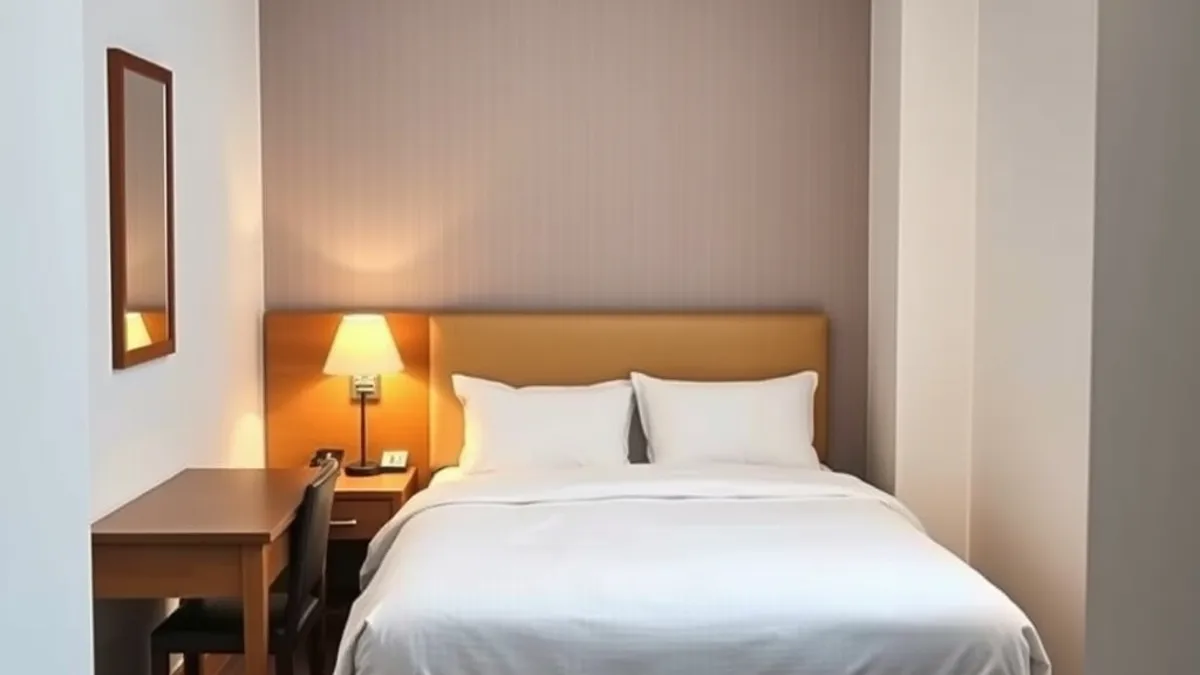
A standard room, by contrast, typically packs everything into one zone: the bed, a desk, a wardrobe and the bathroom. There’s usually enough space to walk around the bed and not much more. If two people share a standard room, one person’s late night becomes everyone’s late night, because the lights, the TV and the conversation all happen in the same square meters.
What the higher categories add
As you move up the category ladder, the extras stack up. Junior suites usually add the living area plus a sofa bed. Full suites often bring a second bathroom, a proper bathtub, and sometimes a kitchenette with a microwave and a small fridge. Top categories may include a terrace, a plunge pool or butler service, depending on the hotel.
Layout matters as much as size
Square meters don’t tell the whole story. A well-designed standard room with smart storage, good blackout curtains and a genuinely useful desk can beat a poorly planned junior suite where the “living area” is a cramped corner with a sofa facing a wall. Before you pay for the upgrade, look at the floor plan on the hotel’s website rather than just the number in the room name.
When the Upgrade Is Worth It
The upgrade question isn’t about the room itself, it’s about how you’ll use it. On short trips, a suite is a luxury. On longer trips, it starts to look like a necessity, because the extra 15-30 square meters of living space is what keeps four or more nights in the same room from feeling claustrophobic. This matters even more when you’re traveling with a partner: two people in one open room for a week will test any relationship, and a door between the bedroom and the sofa does a lot of quiet repair work.
The math also works in your favor when the suite can replace a second room entirely. A sofa bed that sleeps two kids comfortably can turn one suite into a family setup that costs less than booking two standard rooms side by side. Before you dismiss the premium as indulgent, price the suite against the two-room alternative, because the gap is often smaller than you’d expect.
- Trips of 4+ nights: after the third night, you start noticing the lack of anywhere to sit that isn’t the bed, and a separate living area keeps the trip feeling like a holiday rather than a long layover.
- Work trips: a separate living area lets you answer emails or join a late call without lighting up the sleeping zone, so your partner or your own sleep schedule doesn’t suffer for your inbox.
- Family travel: beyond the sofa bed itself, suites often come with a kitchenette or at least a larger bathroom, which makes morning routines with kids far less of a traffic jam.
- Honeymoons and milestone trips: the corner view, the deep bathtub and the extra space carry real emotional value on a trip you’ll remember for years, and that’s a legitimate reason to spend, not a wasteful one.
When You Should Skip the Upgrade
Plenty of situations make the upgrade a poor deal, and the pattern is easy to spot: the more time you spend in the room, the more the suite pays off. On a one- or two-night stay, you’ll sleep, shower and leave. The separate living area goes unused, the second bathroom stays dry, and you’ve paid a premium that typically runs 50-150% over the standard rate for space you’ll see for a few waking hours at most. That money often buys something far more useful elsewhere on the trip: a nicer dinner, a guided excursion or an extra night somewhere else.
The same logic applies to how you travel, not just how long. If your itinerary keeps you out of the hotel from breakfast until late evening, the room is essentially a place to store your suitcase and sleep. And at beach and resort destinations, the property itself often provides the lounge space for free: pools, terraces, beach bars and shaded common areas do the job a suite living room would, with a better view and more atmosphere. Before booking, take a quick look at the hotel’s photos of its standard rooms too. In some properties, especially newer ones and many European city hotels, the entry-level category is already spacious and well laid out, which shrinks the suite’s main advantage to almost nothing.
- Short city breaks: on a one- or two-night stay, you barely use the extra space, so that 50-150% premium buys almost nothing you’ll actually notice.
- High-activity destinations: if you’re out sightseeing 12+ hours a day, the room is only for sleeping, and no amount of extra square meters improves your sleep.
- Resort stays with great common areas: when the pool, terrace and lounge spaces are the real draw, the suite’s living room duplicates what you already have downstairs.
- Hotels with generous standard rooms: where standard rooms already exceed 25 square meters, the baseline is comfortable enough that the suite’s main selling point, space, is much weaker.
How Suite Pricing Varies by Hotel Type
Suite pricing is not one market — it is several, and the same physical room can carry wildly different premiums depending on the type of hotel selling it. Understanding where you fall on that spectrum is often the difference between a worthwhile splurge and an overpriced box with a sofa in it.
Resorts and boutique hotels play by different rules
Large resort chains tend to be the most aggressive with their pricing. Corner and top-floor suites at these properties command the highest premiums, often 100%+ over base rates, and in some cases the gap stretches to 150% of the standard room rate. The logic is simple: those categories come with the best views and the most square meters, and resorts know travelers are in a spending mood once they have committed to the destination.
Boutique hotels are a different story. Their best rooms often add only 20-40% over standard rates, which makes them some of the best value upgrades in travel. Because these properties are small, the top room frequently comes with character — a private terrace, an oversized bathroom, a corner position — rather than just more furniture. We saw exactly this pattern at a boutique hotel in San Miguel de Allende, Mexico, where the premium for the finest room was modest compared to what a resort chain would charge for equivalent space.
Two pricing tricks worth knowing
Business hotels quietly become suite bargains on weekends. When corporate travelers go home, these properties often discount their suites heavily — sometimes down to near-standard rates — just to fill them. If your trip overlaps a Friday and Saturday night in a business district, check those categories before assuming they are out of reach.
Finally, always run the math per person. A suite with a sofa bed can sleep three, and split three ways it can easily undercut booking two standard rooms. For families and small groups, this single comparison can flip the decision entirely.
How to Get a Suite Without Paying Full Price
Paying the full published rate for a suite is, in most cases, a choice rather than a necessity. Since suites typically cost 50-150% more than a standard room in the same hotel, closing even part of that gap can save you a serious amount of money. Hotels would rather fill an empty suite at a discount than leave it dark, and there are several reliable ways to position yourself on the right side of that equation. The key is to plan the upgrade as part of your booking strategy, not as an impulse at the front desk.
- Book 2-4 months ahead and email the hotel directly. Early bookers get first pick of inventory, and a short, polite email asking what upgrade pricing would be available at check-in often opens a door the booking engine never shows. Mid-range hotels in particular respond well to this, since their suites are the hardest category to fill.
- Join the hotel’s loyalty program before you book. It is free, takes two minutes, and members at major chains receive complimentary upgrades 30-50% of the time at off-peak times. Even the entry tier usually beats having no status at all, and it costs you nothing to sign up.
- Ask for a paid upgrade at check-in when the hotel looks quiet. Front desks often sell the gap between your room and a suite for far less than the online rate, because a partial payment beats an empty room. A friendly request at a slow moment works best — late evening or mid-afternoon lulls are good bets.
- Book the lowest category and bid through the hotel’s own app or check-in offers. Many chains now push discounted upgrade offers to your phone before or during check-in. Booking cheap and waiting costs you nothing if the offer never comes, and you keep the option open without paying for it upfront.
None of these tactics requires status, connections or insider knowledge — just a little timing and the willingness to ask. Stack two or three of them together and the odds of sleeping in a suite at a standard-room price improve considerably. Just remember that upgrades are never guaranteed, so treat any suite you land as a bonus rather than a promise.
Suite vs Standard Room: A Quick Decision Checklist
By now the pattern should be clear, but decisions get easier when you can run them through a simple filter. Before you click the suite category, look at three things: how many nights you are staying, how much time you will actually spend in the room, and what the hotel’s standard rooms already offer. Those three answers settle most cases on their own, and they take less than a minute to check.
As a rule of thumb, longer stays and travelers who need distinct zones for sleeping, working and lounging get the most out of the upgrade. Short, high-energy trips almost never do, no matter how tempting the photos look. If you plan to be out sightseeing from breakfast until late evening, the extra square meters will mostly go unused. And remember the middle path: junior suites and the top rooms at boutique properties often deliver most of the benefit — a better layout, a terrace, a touch more breathing room — at a noticeably smaller markup than a full suite would command.
- Worth it: longer trips, families using a sofa bed instead of a second room, work trips where you will take calls after dark, and milestone celebrations where the view and the bathtub are part of the memory.
- Skip it: short city breaks, destinations where the room is only for sleeping, and hotels whose standard rooms already feel generous and well planned.
- Middle ground: a junior suite or a boutique hotel’s best room, where a small premium buys a better layout without the full suite markup.
- The final check: compare the suite rate against two standard rooms before booking. If the suite sleeps your group and costs less than the pair of rooms, the decision makes itself.
Run your trip through this list and the right answer usually becomes obvious quickly. The upgrade is a tool, not a trophy — use it when it matches how you actually travel, and skip it without regret when it does not.
The Bottom Line
So, is that suite on the booking page worth two to three times the standard rate? Sometimes, yes. A suite pays off when the extra space, the view or a separate work zone matches how you actually travel. If you are staying four or more nights, traveling with family or working from the room, that 15-30 square meters of additional space earns its keep every single day.
But for short stays and packed itineraries, a 50-150% premium rarely makes sense when the room is just a place to sleep. And remember, the gap between standard and suite is not fixed: loyalty status, booking a few months ahead and a polite ask at check-in can often close it without paying full price. If this helped you decide, leave a comment or share the article with a fellow traveler.