Planning Canadian Rockies lodge stays can feel overwhelming before you even look at a map. With Banff, Jasper, Lake Louise and Kananaskis all competing for your nights, it’s hard to know which base and which month actually fit your trip. Pick the wrong town and you’ll spend hours in the car; pick the wrong month and you may pay peak prices for half-frozen trails.
This guide breaks the decision into two parts: where to base yourself and when to go. We’ll compare the classic Banff and Lake Louise combo, the quieter lodges around Jasper, and the value options in Canmore and Kananaskis. Then we’ll walk through how each season changes the experience, share practical tips for spotting and booking the right lodge, and wrap up with a simple way to match your base to your travel style.
Why Canadian Rockies Lodge Stays Reward Good Planning
The Canadian Rockies have a limited supply of lodges, and demand keeps climbing. Summer rooms in Banff and Lake Louise often sell out 6-12 months ahead, which means travelers who wait until spring to book a July trip frequently find either nothing left or only the most expensive rooms. This is the single biggest reason planning pays off here.
Your base shapes every day of the trip
Where you sleep determines how much time you spend behind the wheel. Staying in Banff puts you within easy reach of Lake Louise and the southern highlights, while basing yourself in Jasper changes your daily radius entirely. The distance between the two is significant, so a lodge in the wrong area can turn a short outing into a marathon drive. Decide what you want to see most before you book, not after.
Timing changes the price tag
Rates swing widely by month. The same lodge can cost 20-40% less in June or September than in August, even though the scenery is nearly as good and the trails are often quieter. If your dates are flexible, shifting your trip by a few weeks can free up hundreds of dollars over a week-long stay. Lock in your base early, then use the calendar to control the cost.
Banff and Lake Louise: The Classic Base
Banff is the classic base for good reason. The townsite offers the widest lodge choice in the Rockies, plus the largest selection of restaurants, shops and shuttle services. Lake Louise sits roughly 40 minutes west along the Trans-Canada Highway, so you can reach the lake’s iconic shoreline without relocating your whole trip.
When Lake Louise itself makes sense
Staying right at Lake Louise is the better choice if sunrise at the lake is on your list, since you can beat the day-trip crowds before they arrive. It’s also the most convenient base for Moraine Lake access and for trailheads like the Plain of Six Glaciers, which starts right from the lake shore. If those experiences are the heart of your trip, waking up nearby beats driving in each morning.
What to expect on rates
Summer rates in Banff and Lake Louise commonly run CAD 250-600 per night, with the highest prices in the peak weeks. One reliable way to save is to sleep in Banff and day-trip to Lake Louise. You’ll trade a bit of early-morning convenience for noticeably lower rates, more dining options and easier last-minute flexibility. Check current prices and shuttle details before booking, since both change from season to season.
Jasper and the Icefields Parkway: Quieter and Wilder
If Banff feels too busy for your taste, look north. Jasper sits roughly 3.5-4 hours from Banff along the Icefields Parkway, widely considered one of the most scenic drives in the world. Glaciers, turquoise lakes and sweeping mountain passes line the entire route, so even the transfer between bases becomes a highlight rather than a chore.
Remote lodges and dark skies
Jasper’s lodges feel more remote than anything in the Bow Valley, often surrounded by forest rather than neighboring buildings. The town is also a designated dark-sky preserve, which makes it one of the best places in the Rockies to stargaze, sometimes right from your room or the lodge deck. On clear nights, the Milky Way is a regular sight rather than a rare treat.
Who should base in Jasper
Jasper rewards travelers with time. Because of the long drive between the Banff and Jasper areas, this base works best if you have at least 5-7 days for the trip overall, letting the journey north pay for itself with several days of exploring. If you only have a long weekend, you’ll spend too much of it in transit. For longer itineraries, though, splitting your nights between the two areas gives you two very different sides of the Rockies.
Kananaskis and Canmore: Value Just Outside the Park
If the idea of paying peak-season lodge rates inside Banff National Park makes you wince, look just outside the gates. Canmore sits about 20 minutes from the Banff townsite along the Trans-Canada Highway, and it has quietly become the value play for Rockies travelers. Instead of traditional lodges, you will mostly find condo-style properties here, many with full kitchens, separate bedrooms and in-unit laundry.
The trade-off is straightforward: you give up a bit of atmosphere and convenience in exchange for noticeably lower rates and more space. For a family of four, that math adds up fast. A two-bedroom condo in Canmore often costs less than a single lodge room in Banff, and you still reach the park’s main attractions in well under half an hour.
Kananaskis Village for Quiet Trail Access
Kananaskis Village sits about 45 minutes west of Calgary, just outside the boundary of Banff National Park. It is a different experience altogether: quiet mountain lodges, immediate access to hiking and cross-country trails, and a fraction of the vehicle traffic you will find on the Banff corridors. If your goal is to step out of your room and onto a trail, this is one of the easiest places in the region to do it.
Both bases work best for the same type of traveler: families, road-trippers with their own car, and anyone staying a week or longer. When a kitchenette, free parking and room to spread out matter more than being in the park core, Canmore and Kananaskis stretch a Rockies budget considerably further than the in-park towns can.
Choosing Your Season: Summer, Shoulder and Winter
The Canadian Rockies do not have an off-season so much as three very different ones, and picking the wrong window for your goals is the most common planning mistake. Summer, roughly late June to early September, is when every high trail and most attractions are fully open, days are long and warm, and wildlife is active at the meadows. It is also when crowds and lodge prices hit their annual peak, with the busiest stretch running through July and August.
The shoulder months of June and September are the sweet spot for many travelers. You get most of the access with a calmer atmosphere, and lodge rates drop noticeably below the July-August peaks, which can free up budget for a longer stay or a nicer room. Late September adds a bonus that draws photographers from around the world: the larches around Lake Louise and Moraine Lake turn golden, usually in the last week of the month.
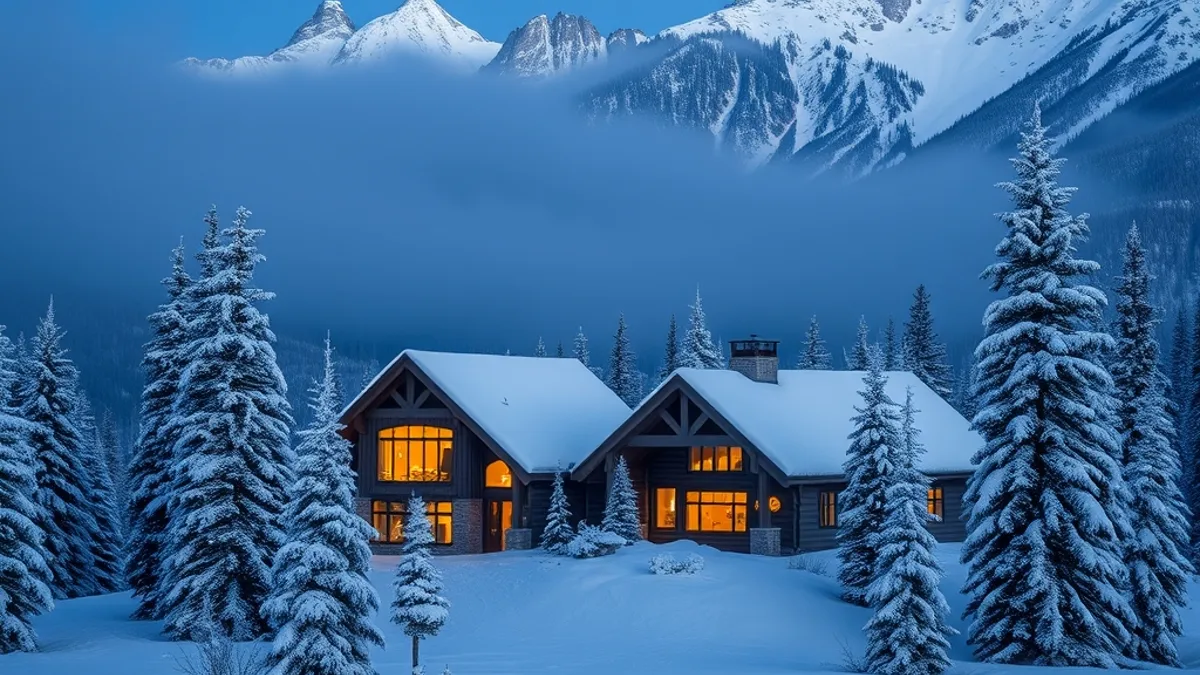
Winter, from December to March, transforms the parks. Skiers head to the resorts, and ice-walk fans get a completely different set of sights, including the frozen waterfalls of Johnston Canyon. There is real appeal in returning from a snowy hike to a lodge fireplace, and winter rates are often the friendliest of the year.
- Trail conditions lag the calendar: in June, higher-elevation trails can still hold snow and mud, so lower valley walks are often the reliable choice early in the month.
- Wildlife moves with the seasons: elk tend to be visible near townsites in spring and fall, while summer pushes animals to higher ground and early mornings become your best viewing window.
- Winter driving changes your plans: mountain highways require winter tires or chains in cold months, and daylight is short, so build in fewer driving hours per day than you would in summer.
- Shoulder-month services shrink: some restaurants, shuttle routes and lodge facilities run reduced schedules in June, September and winter, so confirm what is operating at your chosen base before you commit.
May and the October-November stretch are transition months, and they need the most caution. Some high trails, seasonal roads and attractions close or open on variable schedules, and weather can swing from summer-like to snow within a day. Verify exactly what will be open during your dates before booking, rather than assuming summer access carries over.
How to Spot and Book the Right Lodge
With lodge inventory tight in the busiest corridors, the difference between a great Rockies trip and a frustrating one often comes down to how you book, not just where. A modest lodge five minutes from your trailheads will beat a plush property hours away every time, because your days here are built around early starts and minimizing windshield time. The steps below put that principle into practice.
- Start with location, then filter by amenities. Map your must-do hikes and sights first, then look for lodges within a short drive of them. A smaller room that lets you reach Moraine Lake or a trailhead before the crowds is worth more than a suite with a nicer lobby.
- Match your booking window to your dates. Peak summer stays in Banff and Lake Louise sell out far in advance, so reserve as early as you can commit. For June or September, you typically have more breathing room, though the golden-larch weeks in late September fill faster than early June.
- Check parking and shuttle options before you commit. Lake Louise and Moraine Lake parking fills before sunrise in summer, so ask whether your lodge offers shuttle access, park-and-ride connections or paid parking arrangements. Knowing this changes what time you set your alarm.
- Read the cancellation terms closely. When you book many months out, mountain weather, road closures and flight changes can all disrupt your plans. Compare flexible-rate options against non-refundable discounts and decide how much risk you are comfortable carrying.
One last habit worth building: reconfirm your reservation details a few weeks before arrival, including parking arrangements and check-in logistics. Mountain lodges are often small operations run by people who know the area intimately, and a quick email can surface helpful advice on trail conditions, shuttle times or quieter rooms that no booking site will tell you. Ask about breakfast hours too, since an early start sometimes means eating before the dining room opens or grabbing a packed option the night before. Treat the lodge as part of your itinerary rather than just a place to sleep, and it will pay you back in early starts, easier days and local knowledge you would never find online.
Wrapping Up Your Rockies Lodge Plan
The choice comes down to matching your base and your month to what you actually want from the trip. If it’s your first visit and you want the classic sights, restaurants and shuttle access, Banff and Lake Louise are the natural pick. Travelers with at least 5-7 days get rewarded by Jasper’s quieter, wilder setting, while Canmore and Kananaskis stretch the budget without giving up the mountains.
Season matters just as much as location. Summer, from late June to early September, delivers full trail access at peak prices. September brings fewer crowds, rates roughly 20-40% lower and golden larches around Lake Louise. Winter, from December to March, suits skiers and anyone who loves snowy lodge evenings. Book 6-12 months ahead for peak summer, and let your chosen base shape the rest of your itinerary. If this helped you plan, leave a comment or share the article with a fellow traveler.