Aframe cabin glamping looks irresistible in photos: that steep triangular silhouette, snow-dusted roof, warm lights glowing through the glass gable. But if you have ever saved one of those images and wondered what the stay is actually like — whether there’s a real bathroom, how you climb into that loft, and what a fair price looks like — you’re not alone. The gap between the Instagram version and reality trips up a lot of first-timers.
This guide walks you through the whole process, starting with what an A-frame actually is and what to expect inside, from sleeping lofts to bathrooms and Wi-Fi. We’ll break down typical costs, explain when to book and which months offer the best value, and help you choose the right cabin for your group. You’ll also get a practical packing list for semi-off-grid stays, plus a short summary to plan your first night under the gable with confidence.
What Aframe Cabin Glamping Actually Is
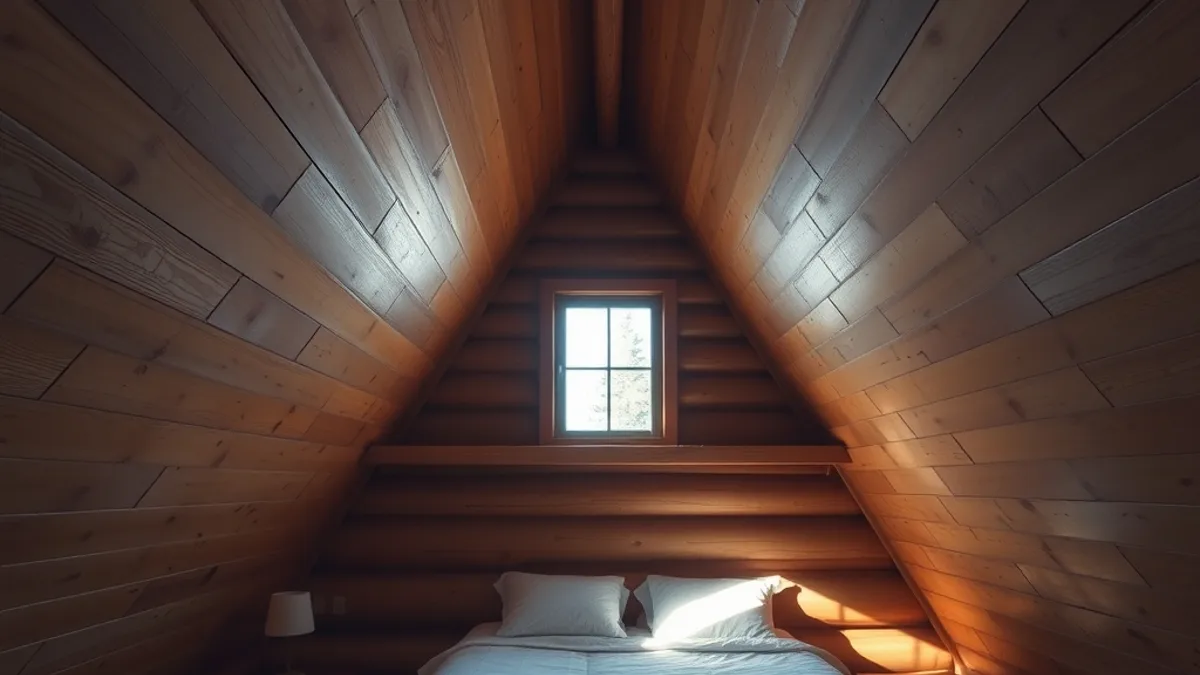
An A-frame cabin is instantly recognizable by its steep triangular roofline, which usually runs all the way to the ground so the building looks like a giant tent pitched in the forest. The shape isn’t just for looks: it sheds heavy rain and snow well and creates a dramatic interior, with open-plan living space on the ground floor and a sleeping loft tucked under the gable at the top.
In the glamping world, A-frames sit somewhere between tent camping and a full cabin rental. You get real walls, a real roof and a real bed, but services are often limited compared with a hotel or a standard vacation home. Some units have no running water, minimal electricity or a shared bathroom a short walk away.
From rustic to design-led
The range is wide. At one end you’ll find rustic off-grid units: a mattress in the loft, a wood stove, a composting toilet and little else. At the other end sit design-led cabins with full kitchens, hot tubs, floor-to-ceiling windows and interiors straight out of a magazine. Most listings fall somewhere in between, so the label “A-frame glamping” alone tells you very little — you’ll need to read each listing carefully to know what you’re actually booking.
Inside the Cabin: What to Expect
The layout inside an A-frame is fairly predictable, and it helps to know it before you book. The ground floor holds the living space and usually the bathroom, while the sleeping loft sits up under the gable, reached by a ladder or steep, narrow stairs. Most A-frames sleep 2-4 guests in total, so they suit couples and small families better than large groups.
Kitchen facilities vary enormously. Some cabins have a compact kitchenette with a two-burner stove and a small fridge; others have no cooking setup at all. Always check the listing — and if cooking isn’t allowed indoors, ask whether there’s a grill or fire pit outside instead.
Bathrooms are the biggest wildcard. You might get an en-suite shower and flush toilet, a shared bathhouse, or — in semi-off-grid units — a composting toilet. We saw a good example of how differently glamping accommodations can be set up in our review of glamping at Laghi Nabi in Italy, where the level of services shaped the whole experience.
- Loft access: Ladders are common, and some are nearly vertical — a real consideration if you get up at night or carry a child up and down.
- Power supply: Remote cabins often run on limited solar, so outlets may be few and hair dryers or space heaters may be off-limits.
- Wi-Fi and cell signal: Weak or nonexistent in many locations; treat connectivity as a bonus, not a given.
- Water situation: Some semi-off-grid cabins ask you to bring your own drinking water, even when there’s a tap for washing.
What Aframe Cabin Glamping Costs
Most A-frame glamping stays run $120-$350 per night, depending on location and season. Simple cabins in less famous areas sit near the bottom of that range, while design-forward cabins with hot tubs, panoramic windows and styled interiors command the top end. Location matters too: a cabin near a popular national park or ski area can cost noticeably more than an identical one an hour away. If your dates are flexible, shifting to quieter weeks in the shoulder season is often the easiest way to drop a price tier without giving up the experience.
The nightly rate is rarely the whole story. Weekend minimum stays of 2-3 nights are common, which turns a “cheap” $130 night into a $400 weekend before you’ve added anything else. Always do the math on your actual dates, not the headline rate. Before you book, scan the listing for the extras below and add them to your total so there are no surprises at checkout.
- Cleaning fees: A flat fee charged regardless of stay length can roughly double the cost of a single-night booking, which is partly why minimums exist. Staying the extra night often costs surprisingly little more.
- Winter heating: Some hosts charge extra for firewood or propane in cold months, and keeping a tall, open A-frame warm takes real fuel. Ask what is included before a snow-season trip.
- Pet and extra-guest fees: Many cabins charge per additional guest or per dog, so a family of four pays more than the rate shown for two.
- Taxes and service fees: Lodging taxes and platform fees are added at checkout and can add a noticeable percentage to the final total.
When to Book and When to Go
A-frame cabins follow a predictable booking rhythm, and knowing it saves both money and disappointment. Peak summer weekends and the winter holiday stretch are the hardest dates to land. For those windows, plan on booking 3-6 months ahead. Popular cabins in scenic regions can be fully committed for July and August well before spring arrives, so if you have your heart set on a specific lake or mountain area, put a reminder in your calendar early.
If your dates are flexible, aim for the shoulder seasons. May, September and early October usually offer the best mix of price and availability. The weather is often still pleasant enough for evenings on the deck, the surrounding forests are at their most colorful in fall, and hosts are more likely to accept shorter stays or last-minute requests. You will also share the trails and viewpoints with far fewer people.
Snow-season stays
Snow-covered A-frames with warm light glowing in the gable window are the most photogenic version of this whole trend, and the market knows it. Winter weekends in ski-adjacent areas sell out fast, sometimes months in advance. If a snowy stay is the goal, treat it like peak summer and book early. Check the listing carefully for heating details and road access, since a remote cabin after heavy snowfall can be a very different experience than the photos suggest.
How to Choose the Right A-frame for You
Before you fall in love with a photo of a steep roofline against the mountains, make one decision: do you want a rustic off-grid retreat or a fully equipped design cabin? The two can look nearly identical from outside. The rustic version might have a composting toilet, limited power and no running water in winter. The design-forward one may include a full kitchen, heated floors and a hot tub on the deck. Neither is better, but arriving with the wrong expectations will color the whole trip.
Next, think honestly about who is coming. Because most A-frames fit couples or small families of up to four, a larger group may need to book two cabins side by side. The sleeping loft is usually reached by a ladder or very steep stairs, so if anyone in your group has mobility limits, or you are traveling with young children, message the host before booking and ask exactly how the loft is accessed. Some cabins have proper staircases, others are strictly climb-and-hope.
The setting matters more than it might seem. A lakeside A-frame gives you swimming, kayaking and slow mornings by the water, which suits a relaxed, unpack-once kind of trip. If that sounds like your pace, a lake glamping trip built around slow days is a good model to copy. Forest settings trade water views for privacy and trail access, while mountain-slope cabins deliver the big views but often mean winding access roads and colder nights.
- Heating type and reliability: Look for reviews that mention whether the wood stove or electric heating actually keeps the whole cabin warm, and whether guests had to feed a stove through the night.
- Water situation in winter: In cold regions, some semi-off-grid cabins shut off outdoor taps or rely on delivered water, so check what past guests said about winter stays specifically.
- Bathroom reality: Photos rarely show it clearly, so scan reviews for whether the toilet is en-suite, shared or a composting unit, and how guests felt about it after arrival.
Packing and Practical Prep
A little packing strategy goes a long way in an A-frame, because the cabin’s shape creates its own microclimate. Heat rises, so the sleeping loft can get surprisingly warm while the ground floor stays cool, especially in cabins heated by a single wood stove. Pack layers you can add and shed, and bring slippers or thick socks. Cabin floors, even in nice places, are often cold wood or concrete underfoot in the morning.
Lighting is the second thing people underestimate. Semi-off-grid A-frames frequently run on limited power, and the lighting tends to be dim and scattered. A headlamp or a small lantern makes the difference between a cozy evening and fumbling around after dark, especially on loft ladder trips.
Connectivity is the third. Remote locations often mean weak signal or none at all, so download offline maps before you leave home and load your phone with music, podcasts or shows in advance. It turns a dead zone into a feature rather than a problem.
- Groceries for the full stay: If the cabin has no kitchen or sits far from the nearest shop, bring everything you need for every meal, including coffee, oil and salt, since small omissions are the ones that sting.
- A cooler bag: Cabins with limited power may have a small or unreliable fridge, so a cooler keeps milk, cheese and leftovers safe for a couple of days.
- Firewood questions: If heating depends on a wood stove, ask the host whether firewood is provided and where it is stored, so you are not chopping damp logs at midnight.
- Basic toiletries and towels: Rustic and semi-off-grid units sometimes skip these, so check the listing and pack your own rather than assuming hotel-style supplies.
Your First A-frame Stay in Short
An A-frame cabin sits nicely between tent camping and a full rental cabin: you get a real bed, solid walls and a roof, but the experience still feels close to the outdoors. Most stays run $120-$350 per night, and the typical cabin sleeps 2-4 guests, often with the bed tucked into the loft under the gable.
To get started, book 3-6 months ahead for peak summer and winter holiday weekends, or aim for May or September for better prices and availability. Before committing, check the loft access, whether there is a kitchen, and what the bathroom setup looks like. If that matches what you want from a getaway, leave a comment or share this article with a friend who loves the A-frame look.