Many travelers assume that staying near St. Stephen’s Cathedral is the only way to experience Vienna properly. It’s an understandable belief—the Innere Stadt puts you steps from the Hofburg and the State Opera—but it’s also an expensive one, and it overlooks how much the city’s other neighborhoods have to offer. The Vienna hotel districts differ sharply in price, atmosphere and access, and choosing the wrong one can mean overpaying for a noisy room or wasting time on commutes you didn’t plan for.
This guide walks you through the areas that matter most: the historic Innere Stadt, the quieter and better-value Leopoldstadt across the Danube Canal, the design-led streets of Neubau and the Museum Quarter, and the practical budget zone around Landstrasse and the Hauptbahnhof. You’ll also find advice on when to book and visit, plus a simple framework for matching a district to your trip length and budget.
Innere Stadt: The Historic Core
Innere Stadt is Vienna’s old center, a compact ring of cobblestone streets where the city’s biggest sights sit within a few blocks of each other. Stephansplatz, the Hofburg palace complex and the State Opera are all walkable from almost anywhere in the district, and most hotels here are under 10 minutes’ walk from the cathedral itself. Step out of your lobby and you’re immediately in the postcard version of Vienna—imperial facades, coffeehouses and street performers included.
That convenience comes at a price. This is the most expensive district in the city, with room rates typically running EUR 150-350 per night in high season. You’re paying for location, not necessarily for larger rooms or better service; in fact, historic buildings often mean smaller rooms, older elevators and the occasional squeeze.
Who should stay here
If it’s your first visit and you’re only in Vienna for 2-3 nights, Innere Stadt is hard to beat. You can walk back to your hotel between sights, drop off shopping bags after a morning at the markets, and never think about timetables. For short stays, that ease of movement is often worth the premium.
A note on noise
The central streets stay lively late, and Kärntner Strasse in particular carries a steady mix of crowds and street music into the evening. If you’re a light sleeper, ask for a courtyard-facing room when you book. It’s a small request that makes a real difference in this district.
Leopoldstadt: Value Across the Danube Canal
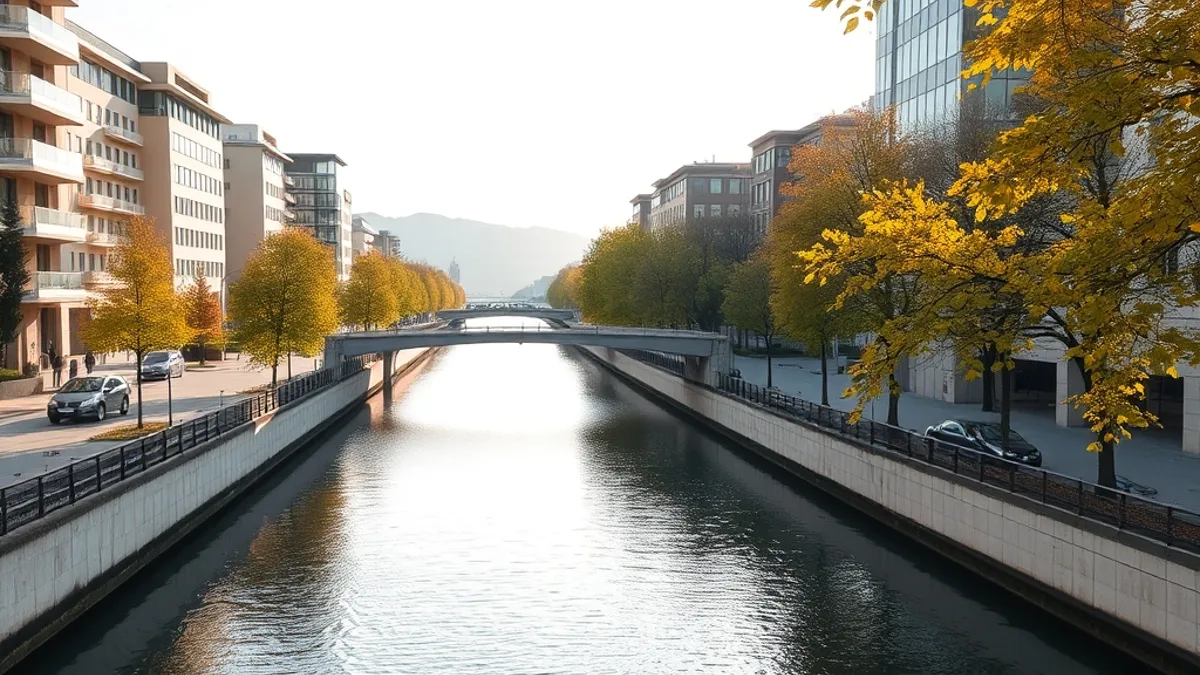
Cross the Danube Canal and you land in Leopoldstadt, the district that savvy repeat visitors gravitate toward. Rooms here usually cost EUR 90-180 per night, roughly half of what you’d pay for a comparable stay in Innere Stadt. For many travelers, that difference adds up to an extra dinner out or another museum visit each day.
The commute concern is smaller than most people expect. Leopoldstadt sits just 1-2 metro stops from the city center on the U1 and U4 lines, which works out to 10-15 minutes door to door. Trains run frequently, so you’re rarely standing on a platform for long.
What the neighborhood feels like
This is a calmer, more residential side of Vienna, with leafy streets and locals going about their evenings. That said, it’s not short on attractions: the Prater amusement park and its famous giant Ferris wheel are here, along with the Augarten, a baroque park that’s perfect for a quiet morning stroll. You get green space and breathing room without losing city access.
Who it suits best
Leopoldstadt is the natural pick for longer stays and for travelers who don’t mind a short metro ride in exchange for noticeably lower rates. If you’re in Vienna for a week, working remotely, or traveling as a family that values space and quiet over address prestige, this district stretches your budget considerably further than the old center ever could.
Neubau and the Museum Quarter
Neubau, stretching along the edge of the Museum Quarter, occupies a sweet spot between Vienna’s pricey core and its outer residential districts. Rooms here average EUR 100-200 per night, so you pay less than Innere Stadt rates while staying close enough to walk to the center when the mood strikes. It’s a practical middle ground in both price and position.
The atmosphere
This is Vienna’s creative quarter, and it shows. Around the Museumsquartier you’ll find galleries and museum courtyards, while the narrow Spittelberg lanes nearby are lined with design shops, independent boutiques and sidewalk cafés. The streets feel lived-in rather than staged—more locals picking up groceries and meeting friends than tour groups following flags.
Coffee culture here leans contemporary alongside the traditional, so you can pair a classic melange with newer roasters and brunch spots that wouldn’t look out of place in Berlin. Evening options range from wine bars to small theaters, and most of it is within a short stroll of your hotel.
Who should choose it
Neubau is a good pick for culture-focused travelers who prefer a local neighborhood vibe over postcard streets. If your ideal day involves museums in the morning, gallery-hopping in the afternoon and a long café dinner at night—and you’d rather not pay old-center prices for the privilege—this district fits comfortably. You trade imperial grandeur at your doorstep for atmosphere and value, and for many visitors that’s a fair trade.
Landstrasse and the Area Around Hauptbahnhof
If your priority is keeping costs down without stranding yourself far from the sights, Landstrasse deserves a serious look. Rooms here typically start around EUR 80-150 per night, which makes it the most practical budget option this close to the center. You can still reach Stephansplatz in a few metro stops, yet you pay noticeably less than in the Innere Stadt.
The big draw for many travelers is Vienna Hauptbahnhof, the city’s main railway station. Trains to Salzburg, Budapest, Prague and Bratislava depart from here, so if your trip includes day trips or you arrive in Vienna by rail, you can step off the platform and be at your hotel in minutes. For anyone with an early morning train or a late arrival, that convenience is hard to overstate.
Sightseeing on your doorstep
Landstrasse is not just a transit hub. Belvedere Palace, home to Klimt’s “The Kiss” and a superb collection of Austrian art, sits within walking distance of many hotels in this district. The palace gardens are free to stroll, and the surrounding streets are quiet and residential, a welcome contrast to the crowds around the cathedral. Add in lower prices and easy rail access, and this district works especially well for practical travelers who value efficiency over postcard views.
When to Book and When to Visit
Vienna’s hotel prices swing considerably with the calendar, so timing matters as much as district choice. High season runs from May to June and again from September to October, when the weather is pleasant, the city hosts conferences and festivals, and central rooms fill up quickly. December is the true peak, drawing crowds for the famous Christmas markets, and rates in the Innere Stadt climb accordingly as the squares around the cathedral glow with market stalls and visitors pack the old streets.
The good news is that Vienna rewards planning. Booking two to three months ahead for a May-June or December stay usually secures a central room at a sane rate instead of whatever is left at the last minute. That buffer matters most for Advent weekends, when demand outstrips supply across the entire city, not just the historic core. If your dates are flexible, the shoulder months and deep winter offer real savings, though each comes with trade-offs worth knowing before you commit to a booking.
- January and February: The cheapest stretch of the year for hotel rooms, with cold weather and short days as the price you pay. Pack warm layers and plan indoor sightseeing like museums and coffeehouses, which are plentiful in every district.
- July and August: Rates drop here too, but August brings a caveat: some smaller, family-run hotels close entirely for their summer break, so check that your chosen property is actually open before booking rather than assuming year-round operation.
- December bookings: Christmas market weekends sell out fastest, especially the Advent weekends in late November and early December. Midweek stays in December are noticeably easier and cheaper to secure than Friday and Saturday nights, so shift your dates if you can.
- Shoulder months: Late April and early November often deliver near-peak weather with softer prices, a sweet spot for travelers who want good value without winter gear or summer crowds.
How to Choose Between Vienna Hotel Districts
With four distinct districts to choose from, the right pick comes down to how long you are staying and what kind of trip you want. A weekend visitor and a week-long budget traveler should almost certainly book in different neighborhoods, so match the district to your itinerary rather than chasing the lowest headline price. Think about your daily rhythm, too: if you plan to return to your hotel for an afternoon rest, a district farther out costs you more time than it would on a full-day sightseeing schedule.
As a rule of thumb: a first visit of two to three nights justifies paying for the Innere Stadt, since you skip transit entirely and can walk to Stephansplatz, the Hofburg and the State Opera. Longer stays and cost-conscious trips work better across the canal or near the main station, where you budget a short metro ride into the savings. Culture lovers have a middle path in Neubau, where the Museumsquartier sits at your doorstep alongside design shops, galleries and the café-lined Spittelberg lanes, offering a local neighborhood feel without straying far from the center.
- Check metro lines before booking outside the core: Look for hotels within easy reach of the U1, U3 or U4 lines. These connect directly to the main sights, so even a hotel a few stops out keeps your sightseeing simple.
- Week-long stays: Base yourself in Leopoldstadt or Landstrasse and treat the 10-15 minute metro ride as part of your routine. Over a week, the savings add up to a nice dinner or two.
- Transit-free weekends: If you are only in town for two or three nights, the premium for an Innere Stadt room buys you back hours of walking time you would otherwise spend on trams and metros.
- Café and gallery itineraries: If your days revolve around museums, independent shops and coffeehouses rather than imperial palaces, Neubau’s local neighborhood vibe beats the postcard streets of the old center.
Wrapping Up Your Vienna District Choice
So the idea that you must stay near St. Stephen’s Cathedral doesn’t really hold up. Innere Stadt does deliver the best location, with rates of EUR 150-350 in high season, but Leopoldstadt and Landstrasse trade a short metro ride for rooms at EUR 80-180, and Neubau balances price and atmosphere at EUR 100-200 per night. Each district has a clearly different feel, from postcard streets to quiet residential blocks.
The simplest way to decide is to match the district to your trip length: a short city break justifies the historic core, while longer stays stretch your budget further across the canal or near the Hauptbahnhof. Whatever you choose, book 2-3 months out for the peak months. If this helped you plan your Vienna stay, leave a comment or share the article.