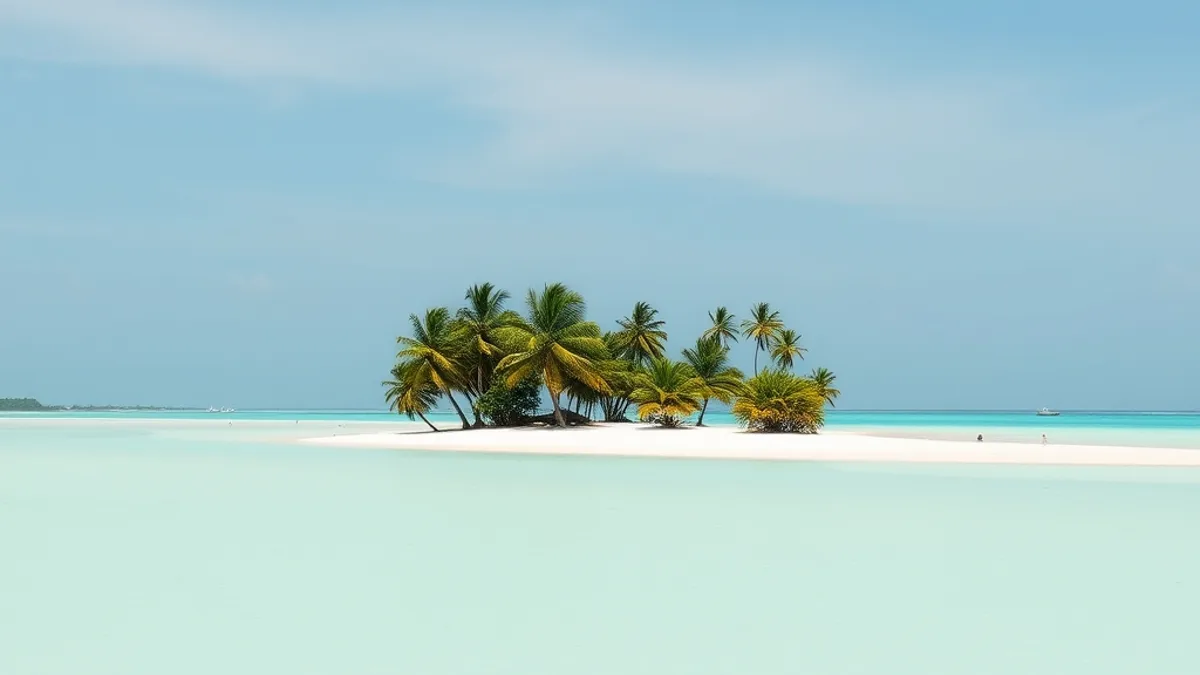
Zanzibar’s beaches look identical in photos: white sand, turquoise water, a palm or two leaning over a lounger. So how do you choose between the island’s main Zanzibar resort areas when every thumbnail seems to promise the same paradise? The honest answer is that the differences don’t show up in pictures. They show up in tide charts, wind direction and how lively the beach gets after dark.
This guide breaks down the island’s three main resort zones so you can match one to your trip. We’ll look at why the coasts behave so differently, then go area by area: Kendwa with its calm, swimmable water and famous sunsets; Nungwi with its buzz, dive scene and village feel; and the east coast, where Paje, Jambiani and Matemwe each suit a different kind of traveler. We’ll also cover when to book each area and how to match the coast to your travel dates and trip style, so the beach you book is the beach you actually get.
Why Zanzibar Resort Areas Feel Like Different Islands
Here’s the thing that surprises most first-time visitors: Zanzibar’s resort areas aren’t really distinguished by distance. The northwest coast and the east coast are both roughly an hour to an hour and a half from Stone Town by road, so logistics barely change your life either way. What changes everything is how the water behaves.
The three factors that actually separate the areas are tide behavior, wind direction and nightlife. On the northwest tip, Kendwa and Nungwi sit on a stretch of coast with minimal tidal swing. The water stays deep enough for swimming through most of the day, which means you can wander in for a morning dip, an afternoon float and a sunset swim without ever checking a tide table. The trade-off is a narrower strip of sand.
The east coast works on the tide’s schedule
Head east and the beaches get wider and wilder, with big tidal swings. At high tide the lagoon is gorgeous and swimmable; at low tide, much of it turns into walkable sand flats where the water sits far out. It’s dramatic and beautiful, but your swimming hours depend on the cycle.
This is why picking the wrong coast for your dates is the most common booking mistake on the island. If you book an east coast resort because the photos looked stunning, then arrive to find the sea a few hundred meters away for half the day, you may wish you’d chosen Kendwa. Decide what matters most to you first: reliable all-day swimming, or space and drama on the sand.
Kendwa: Calm Water and the Island’s Best Sunsets
Kendwa is the safest pick for first-time visitors, and the reason is simple: the beach here is swimmable through most tide levels. While the east coast waits for the water to come back in, Kendwa’s shoreline keeps enough depth for a proper swim almost whenever you feel like it. You don’t need to plan your day around a tide chart, which is exactly what most people want from a beach holiday.
The other big draw is the sun. On the west-facing northwest coast, sunset falls over the water, and Kendwa’s wide open view of it is arguably the best on the island. On the east coast, you get sunrise over the sea instead, which is lovely but means the evening light show happens behind the dunes. If watching the sun drop into the ocean from a beach bar stool is on your list, Kendwa delivers it nightly. For more on properties built around that golden hour, see our guide to resorts made for sunset evenings.
Livelier than the east, calmer than Nungwi
Kendwa occupies a middle ground on the fun scale. It has quiet resorts where you can hear the waves, but also a line of beach bars that keep things sociable after dark. If the east coast feels too sleepy and Nungwi feels too busy, this is your zone.
One caveat for light sleepers: Kendwa’s full moon beach parties draw big crowds a few nights a month, and the music carries along the sand. Check the party dates before you book if you’re sensitive to noise, or ask your resort for a room set back from the beach. Everyone else should pack dancing shoes.
Nungwi: Buzz, Diving and a Village Feel
Nungwi sits just 5-10 minutes north of Kendwa by taxi or tuk-tuk, but the atmosphere shifts noticeably. This is the busiest strip on the island, with the highest concentration of restaurants, bars and shops within walking distance. You can eat at a different spot every night, browse the small shops between swims and find live music without much effort. If you want a resort holiday with a village around it, this is the setup.
It’s also the natural base for divers and snorkelers. Dive centers line the strip and run regular boat trips out to Mnemba Atoll, one of Zanzibar’s premier underwater spots. Staying here means early morning boat departures are a short stroll rather than a long transfer, and you can compare dive operators face to face before committing. If underwater time is the point of your trip, our picks for resorts for travelers who love diving go deeper on this.
A working village behind the resorts
Beyond the bars and dive boats, Nungwi keeps a genuinely local texture. Traditional dhow building still happens on the village beach, and you can watch craftsmen shaping wooden hulls the way their families have for generations. It’s a reminder that this is a living community, not just a resort strip.
The trade-off for all this energy is noise and foot traffic. The main beach path gets busy, and bars can run late. If you’re drawn to Nungwi’s convenience but want restful nights, choose a resort set back from the main path rather than right on it. You’ll still be minutes from everything, but you’ll actually sleep.
The East Coast: Paje, Jambiani and Matemwe
The east coast of Zanzibar plays by different rules than the northwest. Here, the beach stretches wider and wilder, but the water comes and goes with the tide cycle. At high tide you can swim right off the sand; at low tide, much of the lagoon drains out into walkable sand flats, leaving shallow pools instead of open water. Once you accept that rhythm, the east coast rewards you with the island’s most open, breezy beaches.
Paje has become the hotspot for kitesurfers and a younger crowd. Steady trade winds blow across the shallow lagoon most of the season, and a growing cafe scene means good flat whites and smoothie bowls between sessions. Jambiani, a bit further south, is a long, quiet village beach lined with guesthouses and small resorts at gentler prices than the northwest. It feels like a place where you share the beach with local life, not just other tourists.
Matemwe, in the northeast, is the calmest and most upscale stretch of the east coast, and the closest jumping-off point for boat trips to Mnemba Atoll. A few practical pointers for each:
- Paje: the kite spots operate best around consistent wind, so ask schools on the beach about wind conditions for your dates before locking in a stay.
- Jambiani: low tide is when local women work the seaweed farms in the shallows — a genuinely interesting scene to walk out and observe respectfully.
- Matemwe: Mnemba Atoll boat trips typically launch in the morning, so staying nearby means less time in a transfer vehicle than travelers based elsewhere.
- All east coast areas: check a tide chart for your dates before planning snorkeling or swimming excursions, since the same beach can be swimmable at 9 a.m. and a sand flat by early afternoon.
When to Book Each Zanzibar Resort Area
Timing matters on Zanzibar, both for the weather and for your budget. The island has distinct wet and dry seasons, and the coasts respond to them differently — east coast properties in particular react to rain in ways the northwest ones don’t. Here’s how the calendar breaks down.
June to October is the peak dry season, and it’s when everyone wants to be on the island. The best beachfront rooms in Kendwa, Nungwi and Matemwe go early, so booking 3-6 months ahead is the safest move for a July to September stay. January to mid-March is the quieter alternative: hot, dry weather with thinner crowds and often lower rates. Mid-range beach resorts typically run $100-250 per night, while high-end beachfront resorts typically run $300-700+ per night, and shoulder season is when you’re most likely to land deals toward the lower end.
The window to avoid is the long rains from mid-March to May. Many east coast properties close entirely or discount heavily, and beach time can be limited. A few extra booking notes:
- Shoulder season flexibility: if your dates fall outside the June-October peak, booking 1-2 months ahead is often enough to secure a good room at a fair rate.
- Short rains in November: the rains from November to mid-December are usually shorter and lighter than the long rains, which is why some travelers accept the risk for lower prices.
- East coast closures: if you’re set on Paje, Jambiani or Matemwe during the long rains, confirm directly with the property that it’s open rather than assuming a discounted rate means full service.
- Beachfront premiums: the $300-700+ range applies specifically to high-end beachfront — stepping one row back from the sand can noticeably reduce what you pay.
Matching the Area to Your Trip Style
Zanzibar’s resort areas aren’t better or worse than each other — they simply suit different travelers. Once you know what kind of trip you’re taking, the right coast usually picks itself. Start with your travel style, then narrow down to a specific resort within that area. It’s a two-step process, and skipping the first step is how people end up disappointed with an otherwise lovely hotel.
Couples who want reliable swimming and sunset over the water should default to Kendwa. The beach stays swimmable through most tide levels, and you get that classic toes-in-the-sand evening without fighting crowds. Divers, social travelers and anyone who plans their days around restaurants and bars will fit best in Nungwi, where the energy and the dive scene are the strongest on the island. Kitesurfers, budget travelers and anyone craving wide-open space should look at Paje or Jambiani, accepting the tide cycle as the trade-off. Families have a few specific fits worth knowing before you book:
- Young children: Matemwe or Kendwa work best because tide timing matters less, so you’re not structuring every swim around the tide chart.
- Teens and active families: Paje gives older kids kite lessons and a scene of their own while parents use the cafes.
- Mixed groups: Kendwa and Nungwi are close enough that a group can book on one strip and easily visit the other for dinner or a night out.
- Honeymooners on a budget: Jambiani offers long, quiet beach walks and small resorts that feel romantic without the northwest price tags.
Whichever area you land on, check how your specific resort sits on the beach — a great coast can still mean a mediocre stretch of sand in front of your room. Photos, recent guest reviews and a quick message to the property will tell you more than the area name alone.
Picking Your Base With Confidence
So which Zanzibar resort area fits your trip? The photos all look the same, but the coasts behave differently. Kendwa means easy swimming and sunsets, Nungwi means energy and diving, and the east coast means space and tides. Your travel dates narrow the choice as much as the coast does, since tide behavior and season both shape your days on the sand.
The simplest way to decide is to match the area to your trip style first, then choose a resort within it. A couple chasing reliable swimming, a diver chasing reefs and a kitesurfer chasing wind should not book the same stretch of beach. Once the coast is settled, picking a specific resort becomes much easier. If this helped you plan your trip, leave a comment or share the article with a travel partner.