New York is huge, and hotel prices vary wildly depending on where you stay. The same trip can cost hundreds of dollars more per night in one neighborhood than another, and the wrong base can mean long subway rides every morning. That’s why comparing New York hotels by neighborhood matters more than fixating on a single hotel name.
This guide breaks down three very different areas: Midtown for sightseeing convenience, SoHo for boutique style and shopping, and Brooklyn for space, value and a local feel. We’ll compare prices, atmosphere and transit, cover the best times to book, and help you match a neighborhood to your travel style, whether it’s a first visit or a return trip.
Why Your Neighborhood Choice Shapes Your Whole New York Trip
Here’s something many first-time visitors learn the hard way: in New York, the neighborhood you choose affects your trip more than the hotel you book. Location drives both the nightly rate and how much time you spend on the subway each day. A stylish hotel in the wrong area can cost you an hour of daily commuting, while a modest room in the right spot puts you steps from the sights you came for.
New York isn’t one hotel market but several, each suited to a different kind of trip. Midtown is all about sightseeing convenience, with the headline attractions close at hand. SoHo trades convenience for design, boutiques and cast-iron architecture. Brooklyn, particularly Williamsburg and DUMBO, offers local culture, more space and friendlier rates in exchange for a subway commute.
What this guide compares
In the sections ahead, we’ll look at all three areas side by side: typical nightly prices, the atmosphere you can expect, how easy each is for getting around, and which travelers each one suits best. We’ll also cover when to book for the best rates and how to match a neighborhood to your budget, trip length and tolerance for crowds. By the end, you should have a clear idea of where to base yourself.
Midtown: Best New York Hotels by Neighborhood for First-Timers
If it’s your first time in New York and you only have a few days, Midtown is hard to beat for pure convenience. Staying here puts Times Square, Broadway shows, Grand Central and Fifth Avenue all within a 10-15 minute walk of many hotels. That means you can see a show, grab dinner and be back in your room without ever calling a cab or studying a subway map.
What you’ll pay
Midtown hotels typically run roughly $250-450 per night, though rates climb above $600 during the December holidays, when the city fills up with Christmas travelers. Prices also vary a lot by hotel category, from big business chains to landmark properties, so it pays to compare a few before booking.
Who it suits, and who it doesn’t
Midtown is best for short first visits focused on the major sights, especially if you’re traveling with family or on a tight schedule. The trade-offs are real, though: this is the most crowded part of Manhattan, the streets can be noisy around the clock, and many hotels are large chain properties with little local character. If you’d rather have design-forward rooms and a quieter street scene, SoHo or Brooklyn may fit you better. But for walkability to the headline attractions, Midtown wins.
SoHo: Boutique Stays, Shopping and Cast-Iron Charm
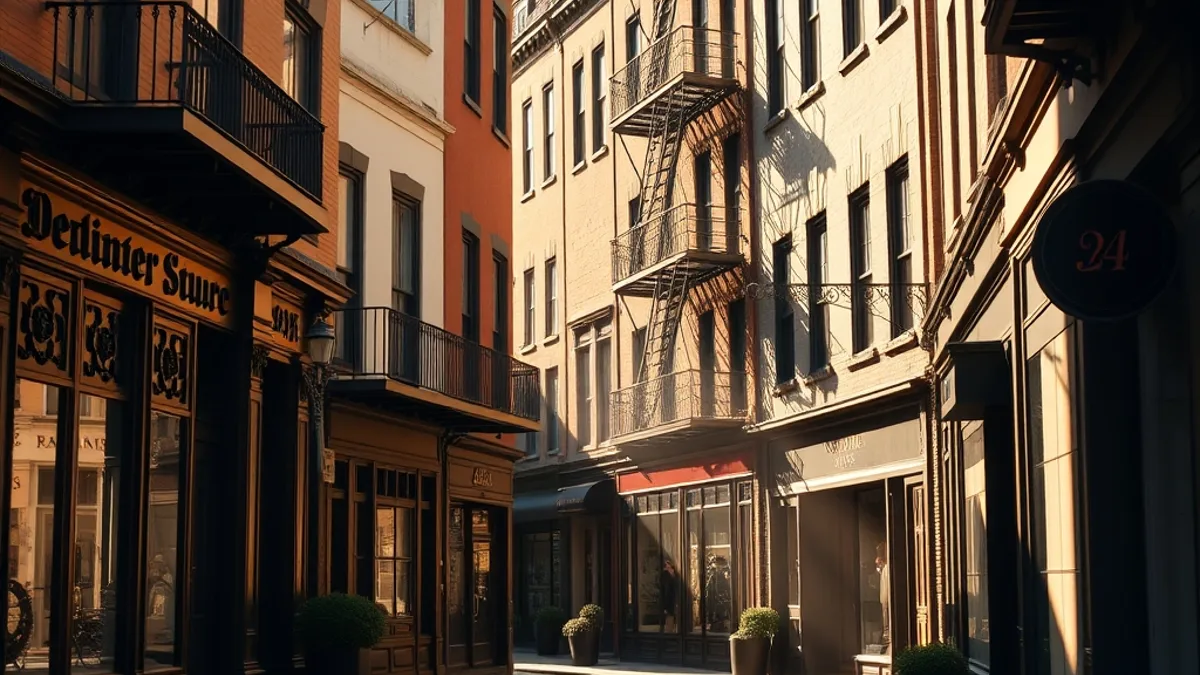
SoHo is the neighborhood for travelers who care how a hotel looks and feels. Cobblestone streets, elegant cast-iron architecture and flagship shopping define the area, and the hotels follow suit: most are small boutiques with strong design identities rather than big chain properties. Step outside and you’re surrounded by galleries, cafes and some of the best people-watching in Manhattan.
What you’ll pay
That style comes at a price. Boutique hotels in SoHo typically run roughly $350-600 per night on weekends, making it the priciest of the three areas covered here. Rates tend to soften on weekdays, but expect a premium over Midtown and Brooklyn in exchange for the atmosphere and the limited number of rooms these small properties offer.
Where it fits, and where it falls short
SoHo is a strong match for couples and design-focused travelers who plan to spend their days wandering downtown rather than checking off Midtown landmarks. Subway access makes it easy to get around lower Manhattan and connect to the rest of the city, though you’re farther from the sights around Times Square and Grand Central, so budget extra travel time if those are on your list. If your trip centers on shopping, restaurants and a romantic, stylish base, the premium is usually worth it. Travelers on a first visit built around the major sights will generally be better served by Midtown.
Brooklyn: More Space and Lower Rates in Williamsburg and DUMBO
If Midtown and SoHo feel too pricey for your budget, Brooklyn is where the value lives. Hotels in Williamsburg and DUMBO typically run roughly $180-350 per night, which means you can often book a stylish property here for less than a basic chain room in Midtown. That gap adds up fast on a four or five night stay.
DUMBO, the neighborhood down under the Manhattan Bridge overpass, is the postcard pick. Cobblestone streets frame dramatic views of the Brooklyn Bridge and the Manhattan skyline, and several hotels make the most of it with rooftop bars and river-facing rooms. It is compact, photogenic and an easy walk to Brooklyn Bridge Park.
Williamsburg: indie shops, food halls and nightlife
Williamsburg runs a bit grittier and more playful. Think vintage shops along Bedford Avenue, food halls packed with local vendors, vinyl stores, breweries and a nightlife scene that keeps going well past dinner. Hotels here tend to have a younger, design-forward feel, and plenty of them come with rooftop lounges of their own.
The tradeoff is location. A subway ride from Williamsburg to Midtown takes about 25-35 minutes, and DUMBO is a similar story depending on your line. That is perfectly manageable, but it changes how you plan your day. You will want to bundle your Manhattan sightseeing rather than popping back to the hotel mid-afternoon, and late-night returns take a little longer.
Brooklyn works best for travelers on a second or third visit, food lovers who would rather eat where locals eat, and anyone staying long enough that extra space and lower rates matter more than a five minute walk to Times Square. Before booking, check which subway lines sit near your specific hotel, since a few extra blocks can add real time to your commute.
When to Book: Seasons and Lead Times for New York Hotels
New York hotel prices swing more by season than almost any city in the country, and timing your booking well can save you hundreds of dollars. January and February bring the lowest rates of the year, when the city is cold and business travel is slow. On the other end, May-June and September-October are peak priced, when the weather is at its best and demand from leisure and business travelers overlaps.
Lead time matters just as much as the calendar. For spring and fall trips, booking 2-3 months ahead usually gives you a solid choice of rooms at reasonable rates. For a December stay, when the holidays push Midtown rates to their highest of the year, you’ll want to book 4-6 months ahead to avoid paying the worst prices for the leftovers.
One more lever worth pulling: day of week. Weekday stays often cost noticeably less than weekend nights in all three neighborhoods, because leisure travelers flood in Friday through Sunday. Shifting a trip to Sunday through Wednesday can shrink your bill without changing anything else about it.
- Check event calendars before locking in dates. Big conventions, marathons and holiday events can spike rates in an otherwise cheap month, so scan the city’s event schedule before you commit.
- Compare refundable versus prepaid rates. Prepaid deals can run cheaper, but if your plans might change, a flexible rate booked early often protects you better than a small discount.
- Watch for price drops after booking. Many booking platforms let you cancel and rebook, so it pays to recheck your hotel’s rate a few weeks before arrival and switch if it has fallen.
How to Match a Neighborhood to Your Travel Style
The best neighborhood in New York isn’t a universal answer — it depends on how you travel. Match the area to your style and you’ll spend less time in transit and less money fixing a bad choice after arrival.
If this is your first visit and the trip is short, Midtown is hard to beat. Walking distance to headline sights like Times Square, Broadway and Grand Central means you can pack a lot into each day without wearing out your metro card. The crowds and chain-hotel feel are the price of that convenience.
Couples and shoppers tend to be happiest in SoHo, where cobblestone streets, cast-iron buildings and boutique hotels create an atmosphere Midtown can’t match. You’ll pay more for it, but if your trip is about wandering, browsing and long dinners, the setting is part of the experience.
Longer stays, food lovers and repeat visitors usually get the most out of Brooklyn. Lower rates stretch your budget across more nights, and Williamsburg’s restaurants, food halls and bars give you a local rhythm instead of a sightseeing checklist.
Whichever way you lean, check which subway lines a hotel sits near before booking, not just the neighborhood name. Two hotels in the same area can be ten minutes apart on the map but worlds apart in convenience if one sits on a major express line and the other is a long walk from any station.
- Look up the actual walking distance to the nearest station. A hotel “near the subway” can mean two blocks or ten, and in winter or rain that difference decides how much you enjoy your trip.
- Check whether the line runs express. An express line can cut a crosstown or uptown commute nearly in half, which matters a lot if you’re staying in Brooklyn or the far edges of Manhattan.
- Map your top three planned stops from the hotel. Before you book, plot the two or three things you most want to see and estimate the real travel time from each hotel you’re considering.
Choosing Between Midtown, SoHo and Brooklyn
So, which neighborhood fits your trip? If you are a first-timer squeezing the major sights into a few days, Midtown’s walkability to Times Square, Broadway and Grand Central justifies its roughly $250-450 nightly rates. If atmosphere and shopping matter more than ticking off landmarks, SoHo’s boutique hotels deliver character for around $350-600 on weekends. And if you want more space for less money, Brooklyn offers the best value at roughly $180-350 per night.
The honest answer depends on three things: how long you are staying, what your budget really is, and how much commuting you are willing to accept each day. A short trip rewards Midtown’s convenience, while longer stays often feel better in Brooklyn despite the subway ride. Match the neighborhood to your travel style first, then choose the hotel. If this helped you plan your New York stay, leave a comment or share the article with a fellow traveler.