Most travelers assume they have to pick between fiery autumn landscapes and the northern lights — but in the far north, you don’t. The right Finland and Norway lodges in autumn put you in the middle of both: ruska foliage blazing across Finnish fells in September, and aurora season already flickering overhead from late August onward.
The tricky part is knowing where to go and what to book. This guide walks through why autumn is the sweet spot, the best regions for combining color and lights, the main lodge types from log cabins to glass-roofed aurora rooms, and how to time and book your stay. You’ll also get a picture of what a day at an autumn lodge actually looks like, plus a simple wrap-up plan to pull it all together.
Why Autumn Is the Sweet Spot for Finland and Norway Lodges
Ask anyone who has visited Finnish Lapland in September: the ruska foliage is the show of the year. The fells and forests turn shades of red, orange and gold, and the colors typically peak in early-to-mid September — all before the first snow arrives. In Norway, the golden tundra and mountain slopes in the far north follow a similar rhythm, peaking later in the month.
Two seasons in one stay
Here’s what makes autumn special: the aurora season doesn’t wait for winter. In Finnish and Norwegian Lapland, the northern lights season runs roughly from late August to March, so a September lodge stay can deliver golden landscapes by day and dancing lights by night. That combination simply isn’t possible in deep winter, when colors are buried under snow.
Shoulder-season advantages
Autumn also sits outside the December-to-March winter rush, when lodges are packed and rates climb. In shoulder season, lodge rates often run 20-40% below winter high-season prices, and you’ll share trails, saunas and viewing spots with far fewer people. For travelers who want space, value and two spectacles in one trip, autumn is hard to beat.
Best Regions for Aurora and Golden Season Stays
Choosing the right region matters more in autumn than in winter, because you’re chasing two things at once: color and dark skies. Finnish Lapland and the Norwegian far north both deliver, but they do it in different ways, and the distances involved are bigger than many first-time visitors expect. Rovaniemi sits about 660 km north of Helsinki, and Tromsø lies roughly 350 km above the Arctic Circle, so hopping between regions on a short trip takes real planning. Pick one area and get to know it well instead of trying to cover everything.
In Finland, the area around Rovaniemi offers easy access and classic Lapland scenery, while heading further north to Saariselkä and Inari takes you into proper fell country, where ruska colors stretch across open hills and the aurora odds are strong. In Norway, Tromsø is the famous aurora hub, framed by fjords and mountains, while Alta and Kirkenes sit further east with darker inland skies that reward aurora hunters.
- Rovaniemi: the practical entry point, with good transport links and forests around the Arctic Circle that turn color early in September — ideal if you want ruska without a long transfer.
- Saariselkä and Inari: open fell landscapes and large wilderness areas mean wider horizons for both foliage views and lights, plus a quieter, more remote feel than the Rovaniemi area.
- Tromsø: the fjord-and-mountain setting adds dramatic foregrounds to aurora photos, and the surrounding valleys glow with autumn color in late September.
- Alta and Kirkenes: these inland and far-east locations often enjoy darker skies away from coastal weather, giving strong aurora conditions late in the season.
A simple way to decide: if you value convenience and shorter transfers, base yourself in the Rovaniemi area. If you want wide open horizons and a genuinely remote feel, push north to the fells around Saariselkä and Inari. And if dramatic coastal scenery is the priority, the Norwegian fjord north is hard to beat. One note on scope: this guide sticks to Finnish and Norwegian territory. Swedish-style wilderness lodges across the border are a separate topic and aren’t covered here.
Types of Lodges: Wilderness Cabins, Glass-Roof Stays and Fjord Lodges
Once you’ve picked a region, the next decision is what kind of lodge to book. Autumn stays come in three main flavors, each suited to a different style of traveler. Think about how much time you plan to spend outdoors versus indoors, and whether you want the lights delivered to your pillow or you’re happy to bundle up and scan the sky from a deck.
Traditional log wilderness cabins are the classic choice for a cozy, self-contained ruska stay. You get your own fireplace, sauna access in many cases, and a quiet base surrounded by color — perfect for travelers who want to hike by day and relax by night. They also tend to be the most budget-friendly option, which leaves room in the trip budget for longer stays or extra excursions.
Aurora cabins and glass-roofed rooms take a different approach: instead of heading outside on a cold night, you watch the lights from bed through a heated glass roof. These rooms are the most in-demand category in autumn, so book 3-6 months ahead to secure one. They suit couples and anyone who values comfort over rustic charm.
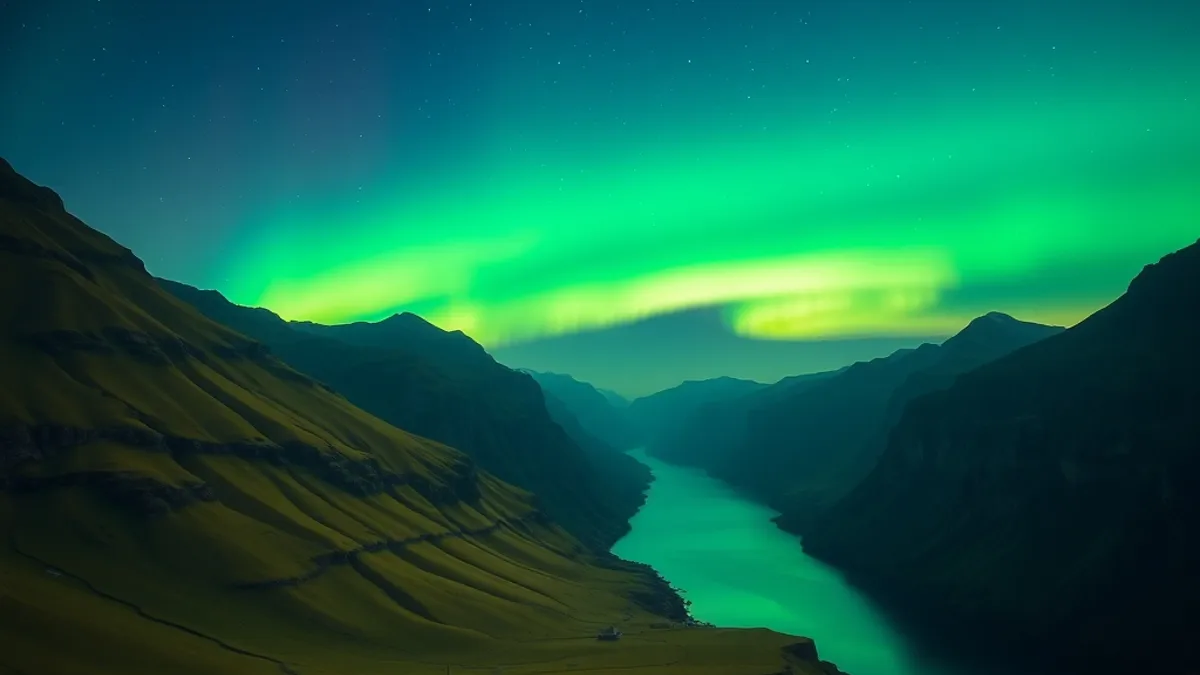
Fjord-side lodges near Tromsø combine everything at once: sea views, mountain slopes turning gold, and dark northern skies overhead when night falls. The trade-off is coastal weather, which can shift quickly.
- Log wilderness cabins: often self-catering, so plan to shop before arrival — remote cabins may be a long drive from the nearest store.
- Aurora and glass-roof rooms: heated glass means you can lie in bed and watch the sky, a big advantage on chilly September nights when activity is unpredictable.
- Fjord lodges near Tromsø: the coastal setting means weather can change fast, so choose lodges with sheltered viewing spots as well as open horizons.
Timing Your Trip: When Colors and Aurora Overlap
Timing is everything when you want golden colors and northern lights in the same trip. The good news is that in the far north, the two seasons genuinely overlap — you just need to know which weeks favor which country.
In Finnish Lapland, ruska foliage peaks around early-to-mid September. This is when the fells around Saariselkä and the forests near Inari turn blazing yellow and red, and it is arguably the most photogenic fortnight of the year. Aurora season is already live at this point too, so a clear night can deliver both fiery hillsides at sunset and green lights after dark.
The Norwegian side runs slightly later
In Norway’s far north, mountain and tundra colors peak later, around late September. The landscape around Tromsø and the inland plateau near Alta shifts to deep amber and rust as the days shorten quickly, and the fjords take on a striking autumn mood with fewer boats and quieter trails.
If you want one single window that covers both countries, aim for the second half of September. Finnish Lapland will be at or just past its color peak, Norwegian tundra will be approaching its best, and aurora chances are solid throughout. It is the sweet spot where a two-country lodge itinerary makes the most sense without rushing either side.
How to Choose and Book the Right Lodge
Not all lodges are equal when it comes to aurora. Your first filter should be darkness: a lodge a short drive out of town will almost always beat one on the edge of Rovaniemi or Tromsø itself, because even modest town glow can wash out faint displays. Look for properties with open horizons — north-facing views are ideal, but a wide, unobstructed sky matters more than strict direction.
Autumn pricing also works in your favor. Because September and early October fall outside the winter high season, you can often secure a glass-roofed room for noticeably less than the same category commands in deep winter. The exception is dedicated aurora-viewing accommodation, which remains the most sought-after category even in shoulder season, so expect those rooms to hold their value.
Booking checklist
- Aurora rooms: glass-roof cabins and aurora-viewing suites should be reserved 3-6 months ahead, especially for mid-to-late September dates.
- Standard cabins: ordinary log cabins and wilderness rooms can usually be booked later, often a month or two out, giving you flexibility if plans shift.
- Cancellation terms: autumn weather in the far north can be unpredictable, so favor rates with reasonable rebooking options.
- Transfers: check how you will actually reach the lodge. Rovaniemi sits about 660 km north of Helsinki, and Tromsø lies about 350 km above the Arctic Circle, so flying in and arranging a lodge pickup is often the practical route.
Before you pay a deposit, message the lodge directly and ask about aurora wake-up calls, heated viewing shelters and how far the nearest light pollution sits. Small properties are usually happy to answer, and their replies tell you a lot about how seriously they take the lights.
What an Autumn Lodge Stay Looks Like Day to Day
An autumn lodge stay in Lapland or northern Norway has a completely different rhythm from a winter trip. Days are still long enough for real activity, nights are dark enough for the lights, and you rarely face the deep cold that December brings.
Golden hours outdoors
Daytime is for the landscape. Hiking trails across golden fells are at their best, with crisp air and long shadows making even a short walk feel cinematic. In Finland, foraging is a genuine autumn pastime — berries and mushrooms are there for the picking in many areas, and some lodges will point you toward good spots or cook what you bring back. Lakes in Finnish Lapland and calm fjords near Tromsø tend to be at their stillest in September, perfect for slow mornings with coffee on the terrace.
Evenings built around the sky
As dusk falls, the routine is blissfully simple: a long sauna session to warm up and unwind, dinner at the lodge, then aurora watching from 9 pm onward on clear nights. Many guests step outside every hour or so rather than waiting up all night — displays often come in pulses.
Manage your expectations realistically. Even on clear nights, the northern lights are visible on roughly 1 in 3 nights in Lapland during September and October. That means a four-night stay gives you a fair chance of at least one good show, but patience and several clear evenings are your best strategy.
Wrapping Up Your Finland and Norway Lodge Plan
Autumn really does deliver both of the things you came for in a single trip: fiery ruska colors by day and the first northern lights of the season by night. Because the aurora season opens in late August and the foliage peaks in September, a lodge stay in the second half of September gives you the best single window to catch both.
When it comes to regions, Finnish Lapland and the Norwegian fjord north are the two core options to choose between — fells and lakes on one side, fjords and mountains on the other. Whichever you pick, book aurora-viewing lodges 3-6 months ahead and aim for that late-September window. If this helped you plan your golden-season escape, leave a comment or share the article with a fellow traveler.