Many travelers picture the Caribbean as endless sunshine, then arrive at their resort to find gray skies, sticky humidity or a downpour that lasts all afternoon. The truth is that Caribbean resort weather seasons vary a lot, and understanding them before you book can make the difference between a dream trip and a soggy disappointment.
This guide walks you through what to expect and when. We’ll cover the dry season from December to April, when prices often run 30-50% higher for comparable resorts, and the wet season from May to November, which brings value along with short afternoon showers. You’ll also learn how hurricane season officially spans June 1 to November 30, why islands like Aruba, Bonaire and Curaçao sit outside the main hurricane belt, and how rainfall can range from around 20-25 inches a year in the south to over 60 inches in some Windward islands.
Why Caribbean Resort Weather Seasons Matter When You Book
The same beachfront resort can feel like two completely different trips depending on when you visit. In February, you might find calm turquoise water, breezy evenings and a lively pool scene. Come September, the same property may be quieter and cheaper, but with afternoon showers, higher humidity and staff watching the tropical weather maps. Neither version is wrong, but they suit very different travelers.
Season matters because it drives three things at once: price, crowd levels and activity reliability. Peak months bring the highest rates and the fullest beaches, but they also bring the most dependable conditions for diving, sailing and boat excursions. Off-season months can cut costs significantly, yet some water activities run less consistently when the sea gets choppy or operators reduce their schedules.
What this guide covers
This guide compares Caribbean resort weather seasons island group by island group, because a dry, sunny week in one part of the region can look very different from another. We walk through the dry season, the wet season and the shoulder months, explain hurricane season risk and the islands that sit mostly outside it, and finish with practical advice on matching your travel month to your priorities.
Dry Season (December to April): Peak Sun, Peak Prices
From December to April, the Caribbean shows off its best side. Rainfall drops to its lowest levels of the year, humidity feels comfortable rather than heavy, and daytime temperatures typically sit around 27-30°C. Seas are generally calm, skies are mostly clear, and this is the stretch of months most people picture when they imagine a Caribbean resort vacation.
The cost of perfect weather
All that sunshine comes at a price. Peak season nightly rates commonly run 30-50% above low-season rates for comparable resorts, and the difference can be even sharper over the holidays. Pools, beaches and restaurants fill up too, so expect a livelier, busier atmosphere at most properties. If you value guaranteed-feeling beach weather and a full activity schedule, many travelers find the premium worthwhile.
How far ahead to book
For Christmas, February and Easter weeks at popular resorts, booking 3-6 months ahead is typical. The most desirable room categories, especially oceanfront suites and family rooms, tend to sell out first during these weeks, and last-minute availability often means paying more for less. If your dates are flexible, the weeks just before Christmas or just after Easter can offer peak-season weather with somewhat thinner crowds. Check current rates and cancellation policies with your resort or travel agent, since they shift year to year.
Wet Season (May to November): Value With a Side of Showers
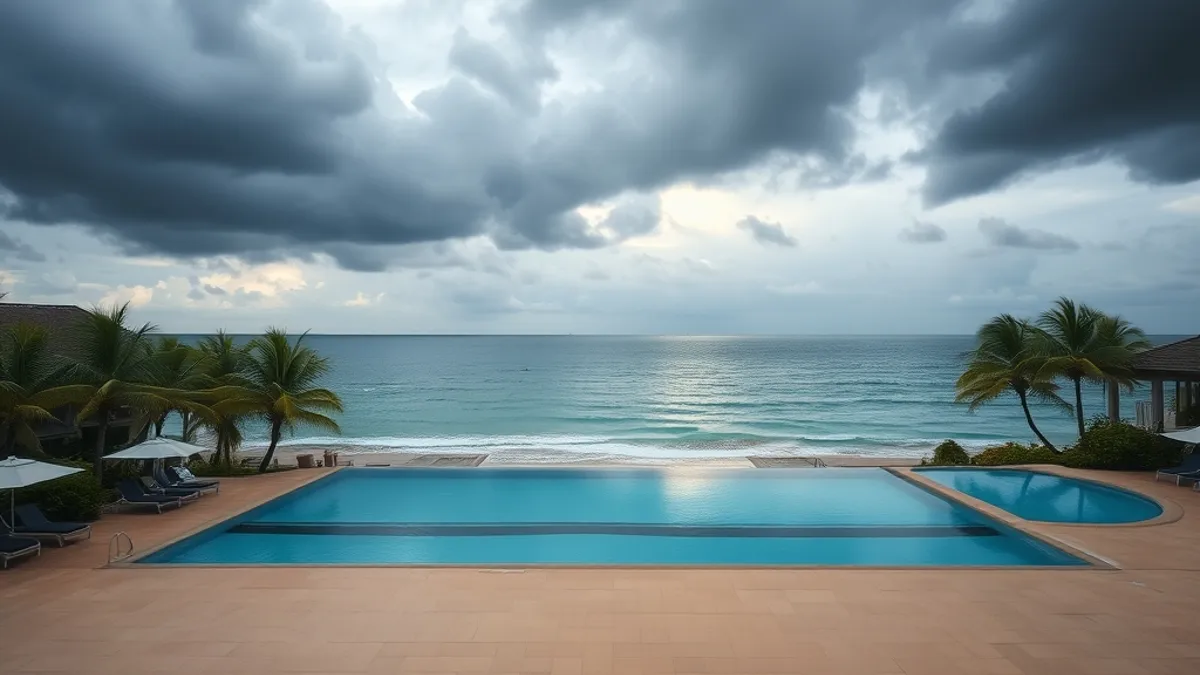
Outside the peak storm months, the wet season on most Caribbean islands looks nothing like the constant rain many travelers fear. The typical pattern is short, intense afternoon showers followed by a return of sunshine, often within an hour. Mornings are frequently bright and calm, which leaves plenty of time for beach hours before the clouds build in the afternoon heat. Even on days with rain, it rarely lasts long enough to disrupt a full day at the resort.
May to July is the sweet spot within the wet season. Rates drop well below peak levels, crowds thin out noticeably, and the sea is still calm enough for diving and snorkeling on most days. For travelers watching their budget, these shoulder months deliver a lot of resort for the money. You also get easier restaurant reservations, quieter pools and a more relaxed pace overall, which many returning guests come to prefer over the busier winter months.
Choosing the right resort for wet-season travel
Humidity rises during these months, and that is where your choice of property matters. Look for resorts built to handle the climate:
- Strong air conditioning in guest rooms, ideally individually controlled, so you can sleep comfortably on muggy nights when a ceiling fan alone will not cut it.
- Shaded pool areas and covered terraces, which stay usable through midday heat and give you a comfortable spot during a passing shower.
- Good ventilation in restaurants and common areas, since open-air dining spaces can feel steamy in the wet season even when the evening is pleasant.
- A location on the drier side of the island, as some coasts receive noticeably less rain than others depending on prevailing winds.
It also pays to ask the resort how it handles rainy afternoons. Properties with covered walkways, indoor lounges, spas and kids’ clubs make a wet hour feel like part of the trip rather than a disruption. Check the cancellation terms before booking, too, since flexible rates can be useful in shoulder months when a stray shower band passes through.
Hurricane Season Risk: June to November and the Hurricane-Belt Exception
The official Atlantic hurricane season runs from June 1 to November 30, and activity typically peaks between mid-August and late October. That stretch is when resort prices drop the most across the Caribbean, but it is also when a storm can disrupt even the best-planned trip. If you are booking a resort stay in August, September or October, build flexibility into your plans from the start.
One big exception is worth knowing about: Aruba, Bonaire and Curaçao sit south of the main hurricane belt. These ABC islands rarely take direct hits from tropical systems, which makes them a reliable choice for a late-summer getaway when other islands carry more risk. You still get warm water and plenty of sunshine during months when many travelers assume the Caribbean is off-limits.
How to protect your booking
If you do travel during the peak storm months, consider travel insurance that covers weather-related cancellations, and favor refundable rates over deep-discount nonrefundable deals. Direct flights also help. A nonstop route means fewer connections to rebook if your plans shift at the last minute, which is exactly when you want the simplest possible itinerary. Check your resort’s hurricane policy before paying a deposit, since many offer credits or rescheduling options during the season.
How Weather Seasons Differ Across Caribbean Islands
There is no single Caribbean season. Weather patterns shift noticeably depending on which island group you choose, and the differences matter more than most travelers expect. The same month can mean cool, breezy evenings on one island and humid, showery afternoons on another.
The northern islands, including the Bahamas and Turks and Caicos, sit closer to the Atlantic and run cooler in winter. Sea temperatures there hover around 25°C in the cooler months, which is fine for swimming but noticeably brisker than the bath-warm water further south. If you want to snorkel for hours in January, an island further south will feel more comfortable.
The eastern Windward islands, such as Dominica and St. Lucia, are the greenest in the region, and that lushness comes at a cost: they see notably more annual rain than islands to the south. Some spots in the Windwards receive well over 60 inches of rain a year, while southern islands like Curaçao see roughly 20-25 inches.
- The ABC islands of Aruba, Bonaire and Curaçao stay dry and warm year-round, making them the strongest pick for a low-risk wet-season resort trip.
- Windward islands trade that dryness for rainforest hikes, waterfalls and dramatic green landscapes you simply will not find on arid southern islands.
- Northern islands suit travelers who prefer milder winter air temperatures over guaranteed tropical heat, especially for land-based activities like golf and sightseeing.
Matching Your Resort Trip to the Right Caribbean Season
The best way to pick your travel month is to start with what you actually want to do at the resort. A trip built around diving has different ideal conditions than a honeymoon or a school-holiday family break, and the Caribbean calendar rewards each style differently.
For divers and snorkelers
Underwater visibility is best in the calmer December-to-April window, when seas tend to be smoother and rainfall lighter. Calm surface conditions mean less runoff and clearer water, so reef dives and snorkeling excursions run more reliably. If underwater time is the centerpiece of your trip, book in that window even though rates sit at their yearly peak.
For couples and quiet seekers
Couples looking for lower rates and thinner crowds do best in the May-to-July shoulder months. You trade a bit of shower risk for quieter pools, easier restaurant reservations and noticeably softer prices. Sea conditions are still generally calm enough for swimming and snorkeling in this stretch, so you lose very little in exchange for the savings.
Family trips fit best around Easter or in early summer, before mid-August storm risk climbs. Those windows line up with school breaks while avoiding the busiest and priciest weeks of peak season. Whatever your priority, match your island group and month to it before you lock in a nonrefundable resort booking.
The Bottom Line on Caribbean Resort Weather Seasons
The Caribbean is sunny year-round, but the kind of sunny changes more than most travelers expect. December to April buys you the most reliable sunshine, along with peak crowds and rates that commonly run 30-50% above low season. May to July trades a few afternoon showers for noticeably lower prices and thinner beaches. From August to October, hurricane risk is real almost everywhere except Aruba, Bonaire and Curaçao, which sit south of the main storm belt.
The real takeaway is that there is no single best Caribbean season, only the best season for your trip. Match your island group and travel month to your priorities before locking in a resort, whether that means diving visibility, quiet value months or maximum storm-safety odds. If this helped you plan, leave a comment or share the article with a travel partner.