Planning one trip that satisfies grandparents, parents and young kids at the same resort feels impossible until you know what to look for. The right resort for a multi-generation family trip has to serve morning naps, afternoon spa appointments and evening pool games without anyone feeling like a burden or a babysitter.
This guide walks through the decisions that matter most: why resorts beat villas for big groups, which room configurations actually keep everyone comfortable, how transfer times and location affect older and younger travelers, and what activities and facilities should be on your checklist. We’ll also cover realistic budgeting, the best time to book, and the red flags that should stop you before you pay a deposit. By the end, you’ll have a short, practical framework for matching a property to the oldest and youngest travelers in your group first.
Why Choosing a Resort for a Multi-Generation Family Trip Is Different
Traveling with three generations means you’re planning for three very different travelers at once. Grandparents may need shorter walks and a comfortable place to rest during the day, toddlers run on nap schedules that don’t negotiate, and teenagers want independence and something to do that isn’t supervised playtime. When these needs compete in a single hotel room or a rental house, someone always loses.
This is where a full-service resort has a real advantage over a villa or a city hotel. A villa sounds appealing until you realize everyone shares one kitchen, one living room and one Wi-Fi password for a week. A city hotel gives you space but nothing to do without leaving the property, which means logistics for every meal and every swim. A resort centralizes meals, pools and downtime in one place, so a grandparent can sit in the shade while a teenager plays volleyball and a toddler naps, all within a few minutes of each other.
Think variety, not perfection
The goal isn’t to find one perfect room that fits everyone. It’s to find one property with enough variety that nobody is bored and nobody is exhausted. Multiple restaurants, different pool zones and a range of activities let each generation set its own pace, then come back together for dinner. That flexibility is what makes the whole trip work.
Room Configurations That Keep Everyone Comfortable
Room setup is the decision that affects every single day of your trip, so get it right before anything else. Book connecting rooms or a family suite rather than scattering standard rooms across the property. When grandparents, parents and kids are a hallway apart, bedtime routines, morning wake-ups and midday naps all become simpler. Scattered rooms also mean someone is always walking back and forth to fetch a forgotten swimsuit or a sleeping child.
For grandparents with limited mobility, ask specifically about ground-floor rooms or elevator access to your block of rooms. A “family resort” can still have stairs-only buildings, and a third-floor walk-up turns every pool trip into a chore. Confirm this in writing when you book, not at check-in.
Details to confirm before you commit
- Cribs and cots: ask whether cribs are free or charged per night, and whether rollaway beds are allowed in your room category or count toward maximum occupancy limits.
- Kitchenettes: a small fridge and microwave make bottle warming, toddler snacks and early breakfasts far easier, but they’re rarely standard in every room type.
- Suite versus two standard rooms: expect a 20-40% premium for suites, so compare both options early in your planning rather than assuming a suite is automatically better value.
One practical tip: email the resort directly with your family’s ages and needs, and keep the reply. Verbal promises about room setup are easy to lose; written confirmations are not.
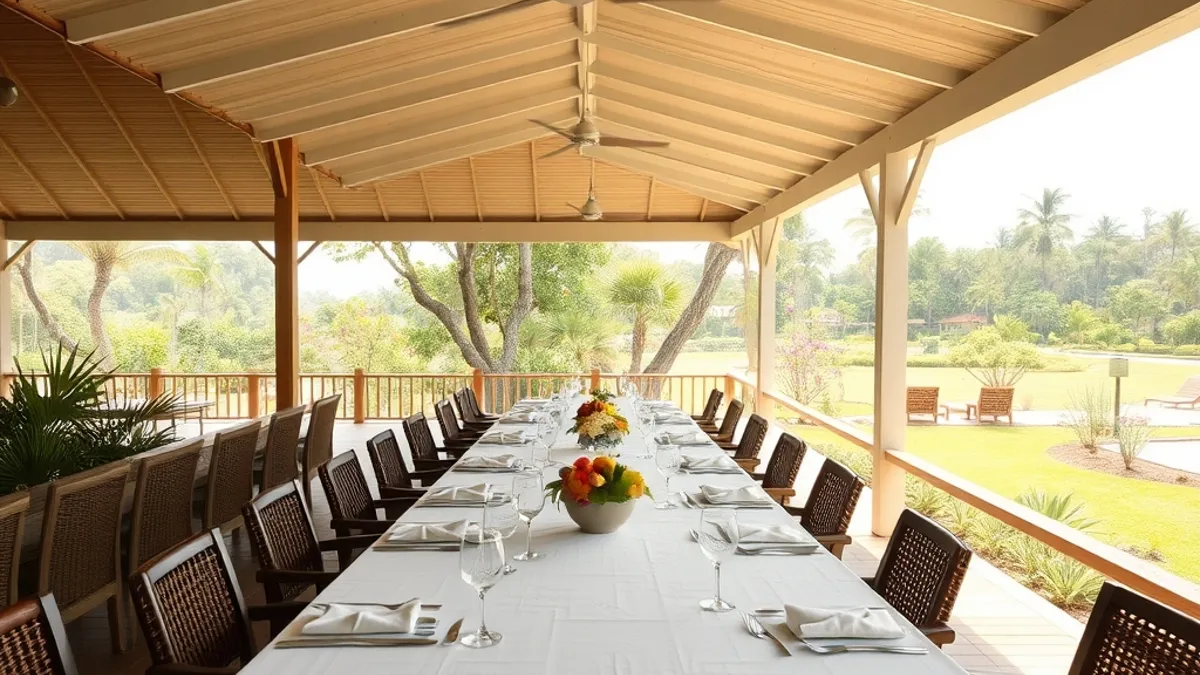
Location and Transfers for Mixed Ages
Location can quietly make or break a trip with mixed ages. As a rule of thumb, keep transfers under 90 minutes from a major airport. A long drive or a second connecting flight wears out older guests and toddlers long before you reach the front desk, and it puts everyone’s first day on the back foot. When comparing resorts, check whether the transfer is a direct shuttle or involves ferries, small planes or winding roads.
Campus layout matters as much as destination
Once you arrive, a beachfront or single-campus resort beats a multi-building spread that relies on shuttle buses. If grandparents need a shuttle to reach breakfast and toddlers need a shuttle to reach the pool, every outing becomes a scheduled operation. On a single campus, someone can walk back to the room for sunscreen or a nap in minutes, which is exactly the flexibility mixed-age groups need.
Medical access is the detail most families skip and later regret. Ask whether the resort has on-site medical support, such as a nurse or first-aid station, and where the nearest clinic or hospital is. With seniors and small children in the group, this is a genuine factor, not paranoia. A quick email to the resort before booking will usually get you a clear answer, and if the reply is vague, treat that as information in itself.
Activities and Facilities Across Three Generations
The best multi-generation resorts are organized around zones, not a single big pool. Before booking, look for at least three distinct areas: a supervised kids club for the youngest, a spa or quiet lounge where grandparents can retreat, and social pools or sports courts for everyone in between. If a resort can’t offer all three, someone in your group will spend the week bored or overwhelmed.
Pool design matters more than most families realize. Shaded pool areas and shallow-entry pools, where you can walk in on a gentle slope rather than climb a ladder, serve both grandparents and non-swimmers at the same time. Ask whether the kids pool sits close enough to the main pool that parents can supervise without sprinting across the property.
- Check the kids club age range and whether it runs daily or only on select days, since a club closed two days a week can derail your rest days.
- Ask if the spa offers treatments that accept walk-ins, because grandparents often prefer booking on the spot rather than committing to a fixed slot.
- Look for covered loungers and cabanas near the pools, which make midday naps and sun-sensitive travelers far easier to manage.
- Confirm whether the kids club is included in the rate or billed separately, since this varies widely between resorts.
Finally, think about evenings. Daytime slides and water parks fill the hours, but evening entertainment is what brings the whole group back together after separate afternoons. Live shows, family-friendly dinners and fire pits by the water give three generations a reason to share a table again. For properties that shine after dark, see resorts built around unforgettable sunset evenings for inspiration.
Budgeting and When to Book
All-inclusive rates for families typically run $250-600 per adult per night, and children often stay at reduced rates, sometimes free up to a certain age. Before comparing resorts, multiply the adult rate by your group size and ask exactly how each child will be charged. A resort that looks affordable per adult can look very different once you price four kids into the equation.
Booking early pays off for peak weeks
For June-August and Christmas-New Year peaks, book 9-12 months ahead. Connecting rooms and family suites sell out first, often long before standard rooms do, so waiting means your group gets scattered across the property or squeezed into configurations nobody wants. Early booking also gives you time to confirm cribs, rollaways and accessibility details in writing.
Shoulder months stretch the budget
If your dates are flexible, consider shoulder months like May and late September-October. Rates typically drop 15-30% versus peak, and the weather is often better than deep summer, especially in hot tropical destinations where August humidity wears out both toddlers and grandparents. Shoulder months also mean shorter lines at kids clubs, restaurants and pools, which matters when you are traveling as a group of ten or more. The trade-off is checking school calendars first; a shoulder month only works if the youngest travelers can actually miss the week.
Red Flags to Avoid Before You Pay the Deposit
Resort size is a quiet dealbreaker. Properties over 300 rooms can feel like a theme park, with buffet lines, shuttle waits and pool chair races that exhaust older guests and frazzle parents. Under 100 rooms, the property may lack kids programming entirely, leaving the youngest travelers with nothing structured to do. The sweet spot for most multi-generation groups is a resort with 100-300 rooms, large enough for real services and small enough to walk end to end.
Be equally wary of vague answers during the booking process. If a reservations agent cannot confirm whether your connecting rooms are actually adjacent, or whether your group of ten can share one dinner reservation, treat that as a warning sign. Ask for written confirmation of room adjacency, bedding configurations and group dining before you pay any deposit. A resort confident in its product will put it in an email; one that hedges will hedge again after you arrive.
- Steer clear of resorts perched on cliffs or spread across steep terrain, since stairs and slopes that look charming in photos become daily obstacles for less mobile travelers.
- Watch for properties that require shuttle rides between buildings, pools or the beach, which adds a logistical layer to every nap, swim and meal.
- Ask whether the kids club has minimum enrollment days, because small resorts sometimes cancel programming when few children are registered.
- Check whether restaurants take group reservations at all, since some all-inclusive venues seat walk-ins only and cannot guarantee your party sits together.
None of these red flags means a resort is bad; it simply means it is a poor match for a group spanning three generations. Identify them before the deposit, not after check-in.
The Short Version
Getting grandparents, parents and young kids to enjoy the same resort comes down to one habit: build the trip around the travelers with the least flexibility. The oldest and youngest set the pace, so match room types, transfer times and activity zones to them first. Everyone in between usually falls into place once that foundation is set.
Practically, that means booking 9-12 months out if you are traveling during peak season, considering shoulder months for 15-30% savings, and verifying connecting rooms and accessibility in writing before you pay any deposit. Do those three things and you are most of the way to a trip where nobody is bored, exhausted or left out. If this helped you plan your own family getaway, leave a comment or share the article with a relative who needs it.