Fuerteventura looks small on the map, yet choosing the wrong coast or the windiest weeks can ruin a beach holiday, so where should you actually stay? This Fuerteventura resort guide breaks the island down into three practical resort zones, explains what each one is genuinely good at, and shows how the famous trade winds change the picture depending on where you book and when you travel.
Over the following sections, we compare Corralejo in the north, Caleta de Fuste on the east coast, and the Jandía resorts of Costa Calma and Morro Jable in the south. We also explain Fuerteventura’s windy seasons, when to book for the best prices, and how to match your base to your travel dates. By the end, you should be able to pick the right area with confidence instead of guessing.
Fuerteventura Resort Guide: How the Island Is Organized
Fuerteventura is easier to plan once you stop thinking of it as one long coastline and start thinking of it as three practical resort zones. In the north, everything centers on Corralejo, a lively town with the dunes Natural Park nearby. In the east-central part of the island, you have the capital Puerto del Rosario and, just south of it, the family-oriented resort of Caleta de Fuste. In the deep south, the Jandía peninsula is home to Costa Calma and Morro Jable, with some of the island’s longest beaches.
Most visitors fly into Fuerteventura Airport, which sits near Puerto del Rosario on the east coast. That makes transfer time one of the biggest factors in choosing your area. Corralejo is the farthest major resort from the airport, while Caleta de Fuste is practically next door, and the southern resorts sit at the end of a long drive down the island.
Where the resorts actually are
Resort density is highest in two places: Corralejo in the north and the Jandía peninsula in the south. Between them, the east coast offers a handful of purpose-built bases, while the west coast is largely undeveloped and known for powerful surf and currents. Swimming on the west coast is unsafe, so treat that shore as scenery and surf territory rather than a beach destination.
Corralejo and the North: Dunes, Surf and Lively Nights
Corralejo is the island’s most lively base, and it earns that reputation. The old town is genuinely walkable, with narrow streets, harborside restaurants and bars that stay busy well into the evening. Step outside town and you have the flag beach and the dunes Natural Park on your doorstep, so you can alternate town evenings with wide-open beach days without ever needing a car. The drive from the airport takes around 40 minutes, which is the longest transfer of any of the main resort areas, but most visitors find the trade-off worthwhile.
Who Corralejo suits best
Corralejo works particularly well for surfers, who use the town as a base for the north shore breaks and the surf schools operating nearby. It also suits couples who want a proper choice of restaurants and bars rather than a single resort strip, and travelers who prefer sandy coves over long open beaches. The coastline around town is broken up into small sandy stretches and shallow lagoon areas, which feels very different from the endless beaches of the south. If you like mixing beach time with evenings out, this combination is hard to beat anywhere else on the island.
The downsides to weigh
Two things are worth knowing before you book. First, that transfer time: at roughly 40 minutes by car, it is longer than anywhere else, so factor it into arrival day plans, especially if you land late. Second, the famous shallow lagoons depend on the tide: at low tide the water can retreat noticeably, and the postcard look of the lagoons is not guaranteed at every hour of the day. If you want picture-perfect water, check tide times or simply walk a little farther along the coast, where the dunes meet several quieter sandy stretches.
Caleta de Fuste and the East Coast: Calm and Family-Friendly
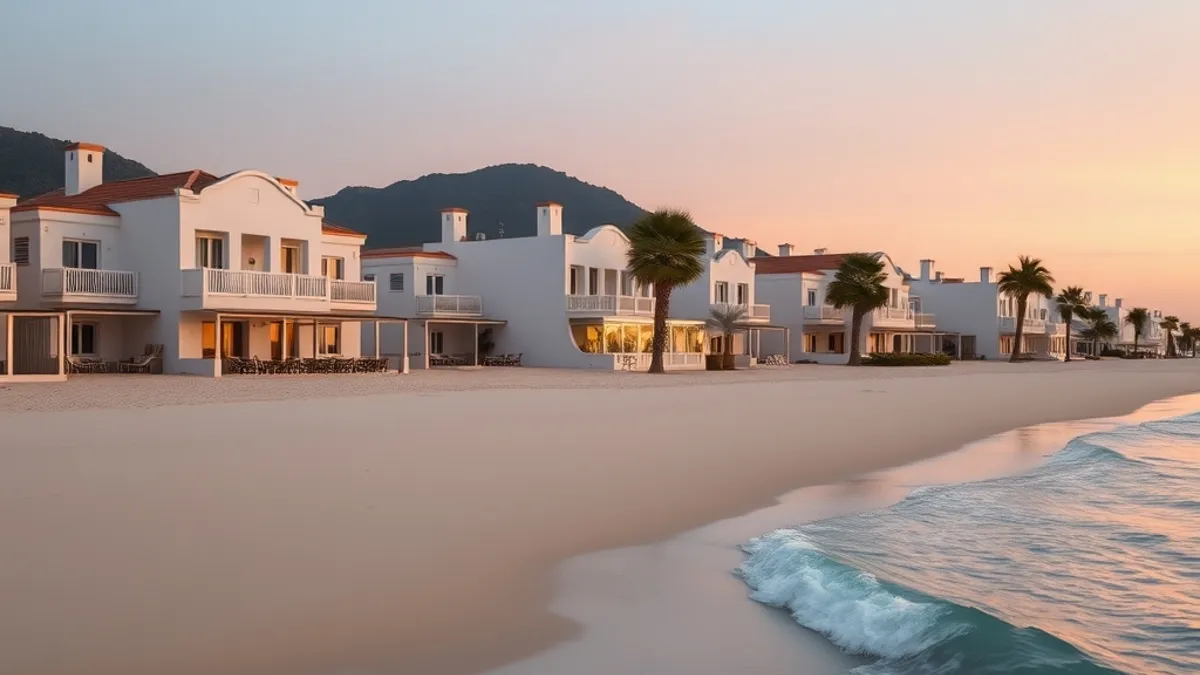
Caleta de Fuste sits in a man-made bay on the east coast, about 15 minutes from the airport, which makes it the easiest arrival of any area on the island. You can land, collect your bags and be unpacked in your room in well under an hour. For anyone arriving on a late flight or traveling with tired children, that short transfer is a genuine advantage over the north and south.
Why families choose it
The resort was built around a horseshoe-shaped beach with sheltered, calm water, and that shapes everything about the place. The gentle conditions suit families with small children who want paddling and sandcastle days without waves or strong currents. It is also the natural home of all-inclusive resort stays: several large hotel complexes line the bay, and many visitors barely leave their resort grounds between meals, the pool and the beach.
The trade-off
The downside is character. Caleta de Fuste is a purpose-built resort, and it has less Canarian feel and fewer independent restaurants than Corralejo in the north or the Jandía resorts in the south. Dining options cluster around the marina and the resort hotels rather than a sprawling old town. If you want evening strolls through local streets and a wide choice of family-run eateries, you may find it limited here. If you want calm water, convenience and a short transfer, it delivers exactly that.
Costa Calma and Morro Jable: The Jandía South
Costa Calma is exactly what the name suggests: a low-rise strip of hotels and apartment blocks stretched along one long, continuous beach. The resort is quiet and walkable, with most accommodation set back from a promenade that runs parallel to the sand. It appeals to travelers who want beach time without the buzz of a big town.
Because the resort sits on the exposed side of the island, the stretch in front of Costa Calma is popular with wind- and kitesurfers, especially when the trade winds pick up. If you are not sailing, check where the sheltered swimming spots are before you settle in for the day, as conditions can change along the same beach.
Morro Jable and the Jandía peninsula
Morro Jable sits at the southern tip of the Jandía peninsula and has the widest white-sand beaches on Fuerteventura. There is plenty of room even in high season, and a promenade connects the beach to a town center with restaurants, shops and a port. A ferry link to Gran Canaria runs from here, which makes it a practical option if you plan to combine islands.
The trade-off is distance. Both Costa Calma and Morro Jable are roughly 75-90 minutes from the airport by car or transfer bus. That is a long ride after a flight, so the south rewards longer stays of a week or more rather than short breaks.
Understanding Fuerteventura’s Windy Seasons
Fuerteventura is a windy island, and the wind shapes your trip more than the temperature does. Air temperatures stay comfortable year-round, but the strength of the breeze decides whether you swim, sunbathe or chase your hat down the beach.
Trade winds blow strongest from June to September, peaking in July and August, when gusts can flatten towels and whip up sand. It rarely feels cold, but on an exposed beach it can make reading a book or keeping an umbrella upright a real challenge. Water sports fans love these months; beach loungers often do not.
The calm window and how the wind varies by coast
From October to April the wind lightens considerably and the sea is at its flattest, which makes this the best window for swimming. The sea is cooler in winter, but calm water combined with mild air makes it a favorite season for returning visitors.
Wind also affects areas differently. The south and east coasts are more sheltered, while north-facing beaches catch the full force of the trade winds. If you travel in peak wind months, pick a resort with windbreaks on the beach, sheltered pool areas and east-facing beaches, and you will notice the difference every single day.
When to Book and What to Pay
Fuerteventura has two clear booking rushes: the July-August summer peak and the Christmas-New Year period. For both, aim to book 3-5 months ahead, because seafront rooms sell out first and late bookers are left with inland options or inflated last-minute rates. This is especially true for the largest beachfront hotels in Morro Jable and Caleta de Fuste, where the poolside and ocean-view categories are the first to disappear from booking sites. If a specific beachfront hotel matters to you, treat these windows as non-negotiable deadlines rather than loose suggestions. Booking early also gives you a better choice of room types, so you are not stuck with a street-facing room when you wanted a sea view. Check cancellation terms before you commit, as flexible rates cost a little more but let you adjust if your dates shift.
The shoulder months of May and October offer the best value-to-weather ratio on the island. You get moderate wind, fewer crowds and noticeably softer prices than in high season, with weather that is still firmly beach-friendly. Air temperatures stay around 20-28°C year-round, so even outside the peak weeks you are not sacrificing warmth. For many repeat visitors, these two months are the sweet spot: flights and rooms are easier to find, restaurants are less pressured, and you can often book a shorter trip without paying a premium. If your schedule allows any flexibility, shifting a summer holiday into May or an autumn break into October usually stretches the same budget further.
As a rule of thumb, expect high-season rates roughly 30-50% above shoulder-season prices for comparable beachfront resorts. The gap widens further over Christmas-New Year, when demand from northern Europe is at its highest. Check current rates for your dates, as prices move with demand and availability.
Board basis and booking style by resort
- In Caleta de Fuste, all-inclusive dominates, so book early if you prefer self-catering, as independent apartments are a smaller share of the market.
- Morro Jable is similarly all-inclusive heavy, with large beachfront hotels that fill up fastest over Christmas-New Year.
- Corralejo has more self-catering apartments and small boutique properties, which gives you flexibility on length of stay and lets you eat out in the old town instead of committing to a hotel package.
- In the south, a weekly minimum stay makes the long transfer worthwhile and often unlocks better rates on apartment bookings.
Choosing Your Fuerteventura Base at a Glance
Fuerteventura looks compact on a map, but the stretch of coast you pick shapes the whole trip. Corralejo suits travelers who want nightlife, restaurants and quick access to the dunes. Caleta de Fuste works best for families who value calm water and a short transfer from the airport. Down on the southern tip of the island, Costa Calma and Morro Jable are the pick for beach lovers and anyone keen on wind- or kitesurfing, with long stretches of sand that few other Canary islands can match.
Match the season to the coast as well as the resort: in the gusty summer months, the sheltered south and east coasts are the safer bet, while the calmer October-to-April window makes almost any area workable, including the more exposed north-facing beaches. Before booking, weigh transfer time, beach type and how long you are staying, and reserve early for the July-August and Christmas-New Year peaks when seafront rooms go first. If this guide helped you plan your trip, leave a comment below or share it with a fellow traveler who is choosing between the island’s resort areas.