Glamping near national parks sounds simple until you start searching and find dozens of tents, domes and cabins scattered across a huge area, many of them hours from the trailhead you actually want to hike. The closest property is rarely the right one. A beautiful safari tent on the wrong side of the park can cost you a sunrise start and add hours of driving to every day.
This guide breaks the decision into practical steps: how to do the location math around park entrances, when to book for the best rates and weather, which stay type fits your trip style, what to verify before you pay, what glamping really costs once you add park entry and meals, and how to build your days around your base. By the end, you will know exactly how to pick a base that turns park days into restful evenings instead of long commutes.
Why Glamping Near National Parks Starts With Location Math
The single biggest mistake travelers make is booking a gorgeous tent that looks close on the map but sits on the opposite side of the park from everything they planned. Large parks are enormous: Yellowstone spans two states, and the drive between its entrances can take hours. A base within 30 to 60 minutes of the gate you will actually use keeps your mornings for hiking instead of driving.
So before you compare properties, do the entrance math. List the trailheads, scenic drives and viewpoints on your itinerary, figure out which park entrance serves them, and only then start searching for stays near that specific gate. A property 20 minutes from the west entrance beats a cheaper one 90 minutes from the north entrance if every planned hike starts on the west side.
Small town or gateway hub?
Next, decide what kind of town you want outside the park gates. Park-adjacent small towns offer quiet evenings and quick access, but dining options may be limited to one or two spots and a small general store. Larger gateway hubs sit a bit farther out but deliver real restaurants, well-stocked supermarkets, gear shops and fuel, which matters on a week-long trip when you are packing coolers and restocking supplies. Neither choice is wrong; it depends on whether your evenings should be about silence or about a good dinner and a stocked fridge.
Timing Your Stay: Seasons and Booking Windows
Most US park glamping runs on a May to October season, when canvas structures are comfortable and park roads are fully open. Desert parks work differently: sites in the Zion and Grand Canyon areas typically stay bookable from March to November, since milder winters extend the usable season. Knowing your park’s window is the first step in planning any glamping near national parks trip.
For peak summer dates near famous parks, book 6 to 12 months ahead. The best-positioned properties are small, often with only a handful of units, so the prime weeks disappear fast. If your dates are flexible, shoulder months reward you twice: rates typically run 20 to 30 percent lower, and the crowds at trailheads and viewpoints thin out noticeably.
- May trips trade cooler mornings for empty trails. Snowmelt rivers run high and some high-elevation hikes may still hold snow, so check trail conditions before committing to a summit day.
- September and early October bring reliable stargazing. Earlier sunsets mean you can enjoy a dark-sky night from your tent without staying up past midnight, and wildfire smoke risk is often lower than in August.
- Desert shoulder seasons favor spring over fall. March and April in the Zion and Grand Canyon areas add wildflowers and comfortable hiking temps, while November nights can dip close to freezing in canvas.
To see what a well-timed stay looks like in practice, read this Under Canvas Lake Powell review covering glamping near Grand Staircase, which shows how desert-season timing shapes the whole experience.
Matching Stay Types to Your Trip Style
Once location and dates are settled, match the stay type to how you actually travel. Safari tents and canvas cabins are the workhorses of glamping near national parks: real beds, linens and often private decks, with a hotel-like feel that suits couples who want comfort after a day on the trail and quick access to morning hikes. You get the outdoors without sleeping pads and zipper doors.
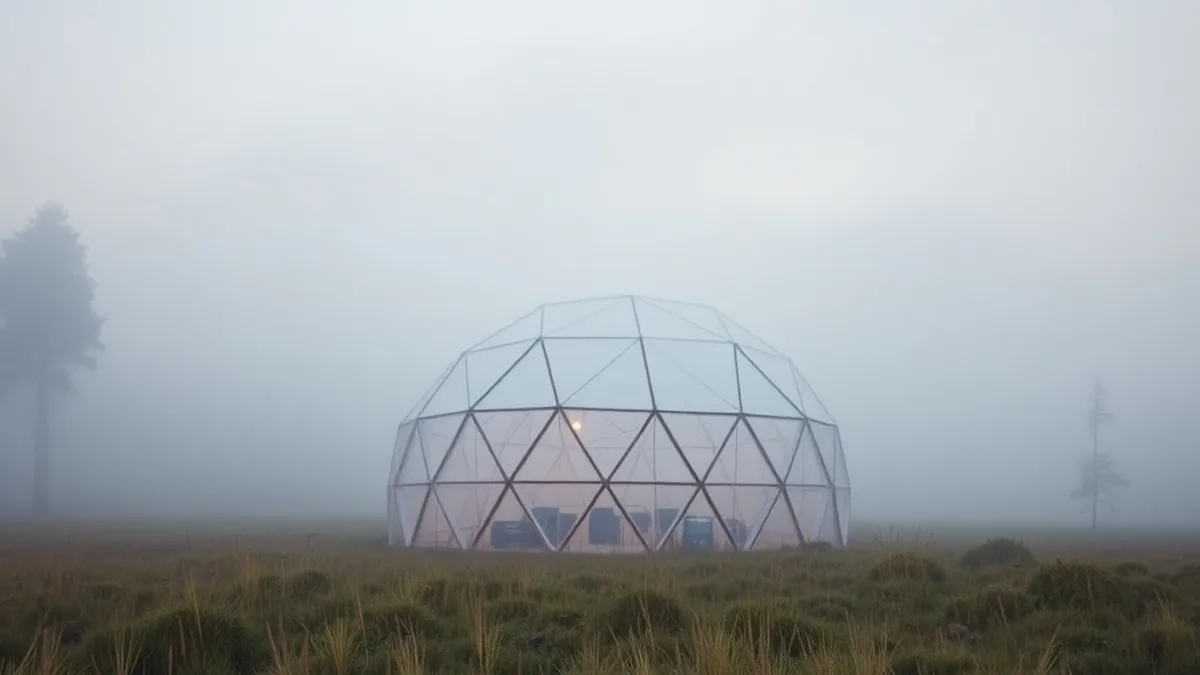
Domes and A-frames are a different animal. These properties are often built for the view, with transparent panels or big windows aimed at dark skies, so they shine on stargazing-focused trips where you will happily drive a little farther for a spectacular setting. If your itinerary is less about trailhead proximity and more about evenings spent watching the Milky Way from bed, this is your category.
Families with kids usually do better at ranch- or farm-based glamping. These stays offer space to spread out, real kitchens for picky eaters, and built-in activities such as animal feeding or paddling on a pond, which fill the between-park days that would otherwise bore younger travelers.
- Safari tents often include housekeeping. Many operators refresh linens and towels mid-stay, a small touch that matters on trips of five nights or more.
- Domes can condense in summer heat. Transparent panels that delight stargazers can turn a unit into a greenhouse by mid-afternoon, so ask about shading and air conditioning before booking a July stay.
- Ranch stays may bundle experiences. Some farms and ranches include activities like hayrides, fishing ponds or farm tours in the nightly rate, effectively replacing one paid excursion per trip.
The same slow-travel logic applies internationally, too. For inspiration on staying put and settling into a place, see this guide to lakeside glamping for slow travel in Poland’s Masurian Lake District.
What to Check Before You Book
Photos can make any canvas tent look perfect, so the details you check before booking matter more than the listing itself. Glamping sites vary widely in comfort, and two properties ten minutes apart can offer completely different experiences. Ask specific questions and read between the lines of recent reviews before you commit.
Start with climate control, because canvas is thin. A tent that feels charming at noon can turn cold fast after sunset, and temperatures inside canvas structures can swing 20 degrees or more between day and night. Confirm whether the unit has a heater, air conditioning, or at least quality bedding and extra blankets for cool nights.
Bathrooms are the next big divider. Many properties keep nightly rates lower by offering shared bathhouses instead of private en-suite facilities, and this trade-off is especially common in stays under $200 per night. Decide honestly whether a midnight walk to a shared restroom fits your style, then filter listings accordingly.
- Heating and cooling: Ask exactly how the unit is heated and cooled, and whether the heater runs all night or shuts off on a timer.
- Private versus shared bathrooms: Check how far the shared facilities are from your tent and whether they are cleaned daily.
- Noise: Recent reviews often reveal whether a site sits near a highway, train line or a loud neighboring campground.
- Wildlife-proofing: Look for mentions of secure food storage and sealed trash bins, especially in bear country.
- Wi-Fi reality: Reviews will tell you whether the advertised connection actually reaches the tents or only works near the main lodge.
For a sense of how polished a well-run glamping property can be, it helps to read a detailed firsthand account such as this Laghi Nabi glamping review from Italy, which shows what to look for in service, comfort and setting.
Budgeting: What Glamping Near National Parks Really Costs
Tent-based glamping near major US parks typically runs $150 to $400 per night, depending on location, season and how much comfort is included. A basic safari tent with shared facilities sits at the low end, while a heated dome with a private bathroom and a canyon view can reach the top of that range or beyond.
Look beyond the nightly rate
The nightly price is only part of the picture. Budget for park entry fees, fuel for driving in and out each day, and meals in gateway towns, which together often add $50 to $100 per day beyond the rate itself. Park entrance and conservation fees change regularly, so check the current rate on the park’s official site before you finalize your budget.
Meals deserve a closer look too. If your tent has a kitchenette or grill, you can cook breakfast and save restaurant money for one good dinner out. If it does not, factor in three gateway-town meals a day, which adds up quickly over a week.
Use the calendar to save
Midweek stays commonly run 15 to 25 percent below weekend rates in summer, so shifting your arrival from Friday to Sunday can shave real money off a week-long trip. Combine that with shoulder-season timing and you can often book a higher-comfort unit for the same budget you planned for a basic one.
Building Your Days Around the Base
A great base only pays off if your daily rhythm matches it. The most satisfying park trips follow a simple pattern: get in early, rest at camp when the park is at its worst, and come back for the golden hours.
Beat the crowds with sunrise entries
Plan to enter the park at or just after sunrise. Parking lots at popular trailheads fill early in peak season, and wildlife is most active in the first hours of light. Then return to your base for the midday heat and crowds: nap, read, swim or cook a long lunch. Heading back into the park in the late afternoon gives you a second, quieter window, often with better light for photos.
Balance big days with easy ones
On a week-long trip, alternating strenuous hiking days with local town days keeps everyone fresh. Spend a slower day exploring the gateway town, visiting a local bakery or café, doing laundry and letting sore legs recover. Families with kids especially benefit from this rhythm, since a forced march every single day turns enthusiasm into complaints by day three.
Finally, book one splurge activity to anchor the trip: a guided ranger tour, a rafting run, a horseback ride or a ranger-led stargazing night. Having one standout experience booked gives the whole week a shape, and the rest of your days can stay flexible around it.
The Takeaway
The closest glamping site on the map is rarely the right one, and that is the puzzle this article set out to solve. A property can look perfect online yet sit on the wrong side of a park, adding hours to every trailhead run. Before comparing tent styles or prices, make sure your shortlist sits near the gate that matches your planned hikes and drives, then layer in season, stay type and budget.
Timing matters as much as geography. Book 6 to 12 months out for peak summer dates near famous parks, or shift to shoulder months like May, September and early October to save 20 to 30 percent while dodging crowds. Get those two decisions right, and a site close to your entrance turns long park days into restful evenings under canvas. If this helped you plan your trip, leave a comment or share the article with a fellow traveler.