Waking up to water lapping against the shore sounds like the perfect trip, until you realize the same lakefront lodges can cost $400 a night in July or a fraction of that in October, and the lake itself changes personality with every season. Pick the wrong dates and you might arrive with a swimsuit when the water is freezing, or pay peak rates for a view wrapped in fog.
The good news is that matching your dates to your travel style is not complicated once you know what each season delivers. This guide walks through summer swimming and water sports, autumn foliage and quieter rates, and winter’s fireside escapes, then covers how far ahead to book and which lodge features matter most in each season. By the end, you’ll know exactly when to go and what to expect when you get there.
Why the Season Changes Everything at Lakefront Lodges
The same lakefront lodge can feel like three completely different trips depending on when you arrive. In summer, it’s a swim-and-kayak base where you step off the dock straight into warm water. Come autumn, the same property turns into a foliage retreat, with colorful hillsides mirrored in calm water and evenings spent on the terrace with a blanket. By winter, it becomes a fireside hideout, all steam rising off a cold lake and long hours in front of the fireplace.
That seasonal swing matters because room rates, lake access and on-site activities all move with the calendar. A lodge that includes kayaks and swimming platforms in July may close its dock entirely in November. Prices follow the same pattern, with shoulder-season dates often costing noticeably less than the summer peak for the identical room and view.
Dates matter more than the lodge itself
This is why picking your dates deserves as much thought as picking the property. A mid-range lodge in the right season can beat a luxury lodge in the wrong one, especially if your priorities are swimming rather than scenery, or quiet mornings rather than packed beaches. The sections below break down what each season delivers, what you’ll pay and who each one suits best, so you can match the trip to your travel style before you book.
Summer at Lakefront Lodges: Peak Season for Water Activities
From June to August, lakefront lodges hit their stride. Water temperatures in most northern-hemisphere lakes are warmest for swimming in July and August, and the whole point of a summer stay is that the lake is right there: you walk off the dock and into swimming, kayaking or paddleboarding without loading a car or driving anywhere. Many lodges keep kayaks and paddleboards free for guests, which makes it easy to try something new each morning before breakfast.
What peak season costs and how busy it gets
This is also the priciest window. Expect the highest rates of the year, often $400+ per night at popular properties, and the fullest calendars, since lakefront rooms with direct views sell out first. Long daylight hours are a real bonus, giving you time for hiking trails in the afternoon and unhurried lakeside dinners that stretch past sunset. The trade-off is crowds: shorelines, docks and lodge restaurants all get busy, so expect to share the view, especially on weekends.
Summer is best for families and first-timers who want the full lake experience, from morning paddles to evening swims. If you’re weighing specific properties, a detailed look at a well-known example like this Lake Placid Lodge review shows what a full-service lakefront stay can offer at its peak. Just remember to book well ahead, since summer demand at sought-after lodges is the strongest of the year.
Autumn Lake Stays: Foliage, Fewer Crowds and Lower Rates
Late September to mid-October is when lake country looks its most photogenic. In many regions, especially mountain and northern areas, foliage peaks in this window, and the colors reflect straight into the water, effectively doubling the show. Mornings often bring glassy, misty conditions that photographers chase, and the low autumn light makes even a simple shoreline walk feel like a designed scene.
Lower rates and a quieter shoreline
The practical bonus is price. Shoulder-season pricing typically drops 20-40% below summer peak rates at the same properties, so you can often afford a lake-view room or an extra night for what summer would charge for a garden view. Crowds thin out too: the docks are calm, the trails are quiet and you won’t wait for a table at the lodge restaurant.
The trade-off is the water. It’s too cool for most swimmers by this point, so the focus shifts to canoeing, photography and quiet shoreline walks rather than swimming and paddleboarding. That makes autumn best for couples and photographers who value atmosphere over water sports. Properties with strong mountain backdrops shine especially bright; a look at this Signal Mountain Lodge review gives a sense of how dramatic a lakeside foliage setting can be. If that sounds like your kind of trip, aim for the foliage window and book a month or two ahead rather than fighting the summer rush.
Winter Lakefront Lodges: Frozen Lakes and Fireside Escapes
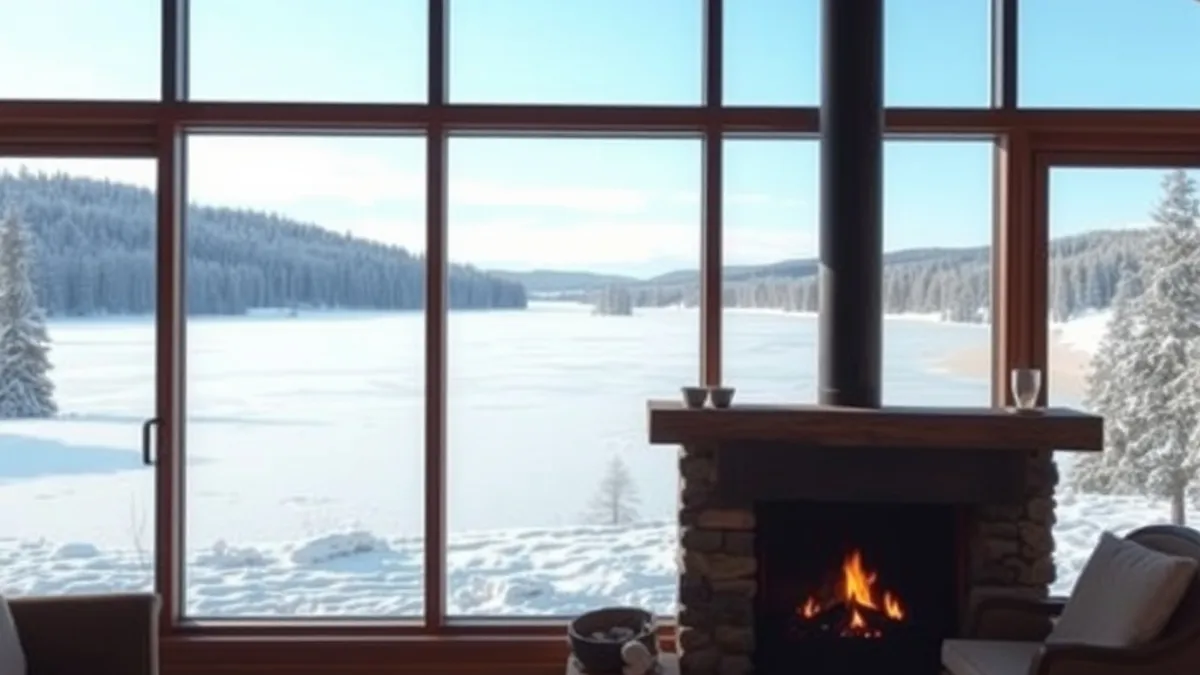
Winter changes the entire character of a lakefront stay. The dock you would dive from in July is often snow-dusted or closed, the water is too cold for swimming, and the lake itself becomes part of the scenery rather than the playground. On cold mornings, mist rising off unfrozen water or a lake locked under ice can look genuinely dramatic, and the best way to enjoy it is wrapped in something warm: a sauna, a hot tub on the deck, or a fireplace with a wide window facing the water.
Combining lake views with ski trips
Some of the most rewarding winter lodges sit near ski areas, where you can spend the day on the slopes and the evening watching the lake from a fireside lounge. Resorts like Vail in Colorado and Hakuba in Japan pair mountain access with nearby lakes, so you get two very different landscapes in one trip. In Hakuba, for example, a lodge like Morino Lodge offers a cozy base close to the slopes, the kind of place where the day’s snow stories get told over dinner rather than at the lift line.
What winter rates look like
Pricing in winter swings more than in any other season. Lodges inside or near ski regions often charge their highest rates of the year, because demand for slope-side beds is strong. Meanwhile, lakefront lodges far from any ski resort frequently hit their yearly low, since few travelers think of lakes in January. That makes non-ski lake lodges one of the better value plays in travel, if you know what you are booking.
Winter is the season for travelers who want calm, scenery and cozy interiors rather than lake activities. If your ideal day involves a long breakfast, a shoreline walk in the cold air, an afternoon in a sauna and an evening by the fire, this is your window. Just confirm what is actually open: some lakeside restaurants and boat operators shut down for the off-season, so check before you go.
How to Book Lakefront Lodges at the Right Time
Timing matters more for lakefront lodges than for most hotel bookings, because the best rooms are limited. A lodge might have only a handful of rooms that genuinely face the water, and those go first. The rest of the property can be quiet and available while the water-facing side is fully committed. That imbalance is why the booking calendar, not just the choice of lodge, shapes the trip. The steps below walk you through how to plan, from how early to reserve to which room category to request and how to follow up so your request actually sticks.
- Book peak summer stays 3-6 months ahead. Summer is when the water-facing rooms go first, and popular lodges can be fully committed well before the season starts. If you want a specific lodge or a specific week, locking in early is the safest approach.
- Give shoulder-season trips 1-2 months of lead time. In May and the September-October window, availability is usually comfortable at 1-2 months out, and last-minute deals do appear. This flexibility is part of what makes shoulder season attractive.
- Ask specifically for a lake-view or lakefront room. Properties often sell several room categories under one roof, and a garden-view room at the same lodge can cost far less than one facing the water. If the lake is the reason you booked, name it when you reserve.
- Shift your stay to midweek. Weekends draw the crowds and carry the highest rates in every season. Arriving midweek typically means quieter shorelines, easier restaurant reservations and better pricing on the same room.
One extra habit worth building: after booking, confirm your room assignment directly with the lodge a week or two before arrival. Front desks handle requests in order, and a polite follow-up can be the difference between a parking-lot view and waking up to the water. It also gives the lodge a chance to flag any construction, events or dock work that might affect your stay, while there is still time to adjust plans if needed.
Choosing the Right Lakefront Lodge for Your Season
The right lodge in July is rarely the right lodge in January, so start your search from the season rather than the destination. Summer travelers live outdoors: they need water access, equipment and space to dry off. Autumn and winter travelers live indoors, which makes common areas the real measure of a property. Before you compare prices, compare what the lodge actually offers in the months you plan to visit.
A few practical checks make this easy. Look at recent guest photos rather than marketing shots, since they show what the lake-facing rooms and lounges really look like. Read reviews from travelers who visited in your season, not in peak summer, because a lodge can be a different experience in October than in August. And ask the property directly about what operates year-round, since services often shrink in the off-season.
- For summer stays: prioritize lodges with private docks, direct swimming access and kayaks or paddleboards included in the rate, so you are not renting equipment off-site every morning.
- For autumn and winter stays: prioritize fireplaces, saunas, spa facilities and big lake-facing windows, since you will spend your evenings indoors watching the water rather than on it.
- Check seasonal operations: confirm whether the lakeside restaurant and boat rentals run year-round or close in the off-season, because a beautiful lodge with everything shut nearby can feel isolated.
- Match setting to season: alpine lakes tend to shine in summer, foliage regions deliver their best in autumn, and ski-adjacent lakes make the most sense in winter.
If you get this matching right, the lodge stops being just a place to sleep and becomes half the experience. A dock with kayaks in July or a deep window seat above a frozen lake in December is the difference between a good trip and one you plan to repeat.
Wrapping Up Your Lakefront Lodge Trip Planning
The same lakefront lodge really can feel like three different trips, and the season you pick decides which one you get. Summer suits swimmers and families, autumn rewards photographers with foliage and lower rates, and winter delivers cozy frozen-lake scenery from a fireside armchair. If your goal is the full water experience, aim for June to August and expect peak pricing; if atmosphere matters more than swimming, the shoulder seasons typically cost 20-40% less with far fewer people on the shoreline.
Timing your booking matters just as much as timing your trip. For a summer lakefront room, put your reservation in place early — these dates call for a 3-6 month lead time, since lake-view rooms sell out first, while 1-2 months is usually enough for shoulder-season dates. Whatever season you choose, match the lodge to it: private docks and included kayaks for summer, fireplaces, saunas and big lake-facing windows for the colder months. If this guide helped you plan your lake escape, leave a comment or share it with a fellow traveler.