Many travelers love the idea of waking up to water views, coffee on a terrace, and a kayak waiting at the dock. But when it comes to actually booking one, “lakeside lodge holidays” raise more questions than they answer. What does a typical lodge look like? When should you book, and how much will that lake-view room really cost you?
This guide walks you through the whole decision, step by step. We’ll start with what a lakeside lodge holiday actually looks like day to day, then cover the best seasons and timing for lake stays, and break down what lodges typically cost. From there, you’ll learn how to choose the right lake location, compare room types from main lodge rooms to family cabins and wellness stays, and spot the red flags to check before you commit. A short wrap-up pulls everything together so you can book with confidence.
What a Lakeside Lodge Holiday Actually Looks Like
Most lake lodges are small by hotel standards. A typical property has somewhere between 10 and 50 rooms, usually organized around a main lodge building that holds the restaurant, lounge and reception, with guest cabins or additional wings spreading out from there. That smaller scale is part of the appeal: you’re rarely one of hundreds of guests, and staff tend to know the lake, the trails and the local boat operators personally.
Days at a lakeside lodge follow the water. Mornings might mean a swim before breakfast or an early kayak loop while the surface is still calm. Afternoons often bring boat trips, paddleboarding or fishing, and many lodges have hiking trails that start right on site, so you can split your day between the shoreline and the hills above it. A realistic activity day usually includes around 2-4 hours of actual boat, kayak or swim time, with the rest spent relaxing or exploring on foot.
Quiet evenings are the point
Don’t expect nightlife. Evenings at lake lodges are deliberately low-key: fireplaces in the lounge, dinner in the main dining room, and time on your terrace watching the light fade over the water. If you want bars and live music, a lakeside lodge is probably the wrong fit.
One practical note before you book: these lodges sit in rural settings, often 30-90 minutes from the nearest major airport. That distance is part of the charm, but it means you should plan your transfer in advance, whether that’s a rental car or a pre-arranged shuttle.
When to Book: Seasons and Timing for Lake Stays
Timing shapes almost everything about a lake stay, from the price of your room to whether you can actually swim. Peak season runs from June to August, when weather is warmest and water temperatures are at their best. That’s when lodges are fullest and rates are highest, but it’s also when you get the full experience: long days on the water, warm evenings on the terrace, and every activity operating at full capacity.
There’s one important exception to the summer rule. Alpine lakes and lakes in northern regions usually only reach swim-friendly water temperatures in July and August. If swimming is your priority and you’re headed to the mountains or far north, aim for those two months specifically, or accept that early-season water may be bracing rather than comfortable.
- May trips favor hikers over swimmers. Trails are quiet, wildflowers are out, and daytime temperatures suit walking, but the water is often still too cold for anything more than a quick dip.
- September and early October bring the best value-to-comfort ratio. Rates drop, crowds thin out, and cooler air makes hiking more pleasant, though water temperatures begin to fall as well.
- Summer weekends at popular lakes sell out early. For a June to August weekend stay at a well-known lake, book 3-6 months ahead to get your pick of rooms and lake views.
- Shoulder-season trips are far more flexible. A May or September to early October stay can typically be booked just 1-2 months out, sometimes even later at smaller properties.
If your dates are flexible, shifting your trip by even a week or two into the shoulder season can mean lower rates and a quieter shoreline without giving up much usable weather.
What Lakeside Lodges Cost
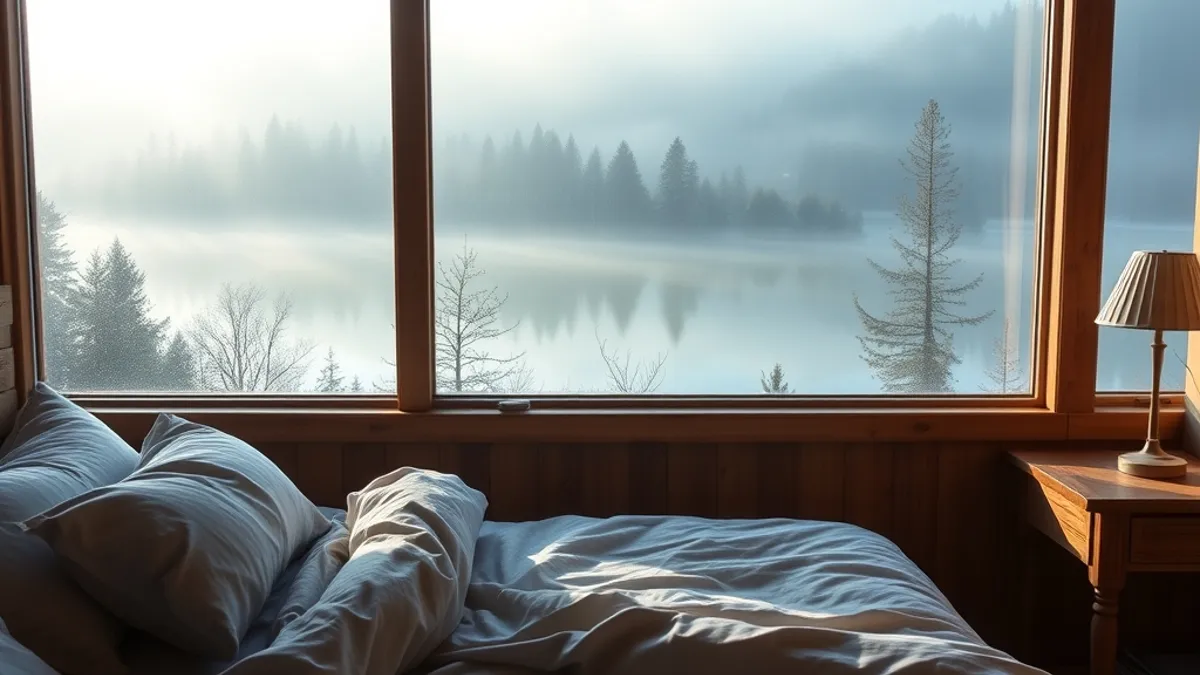
Lake lodges span a wide price range, so it helps to know the typical brackets before you start comparing. Mid-range lodge rooms often sit in the $150-350 per night range, which covers most well-kept independent properties and smaller resort lodges. At the top end, luxury lake lodges generally exceed $500 per night, and at that level you’re paying for design, dining and service as much as for the water itself.
Within any single lodge, location matters more than you might expect. Waterfront or lake-view rooms typically cost 15-30% more than inland rooms at the same property. Whether that premium is worth it depends on how you’ll use the room: if you plan to spend your evenings on a private terrace watching the water, it usually delivers. If you’ll be out on the lake and on the trails all day, a quieter inland room at a lower rate can be the smarter pick.
Cabins, suites and what’s actually included
Cabins and suites usually price higher than standard rooms, but they add kitchens or separate living space. On a week-long stay, self-catering even a few meals can offset a meaningful share of that higher rate, especially at lodges where the only alternative is eating every dinner in the main dining room.
Finally, look past the room rate itself. Many lodges bundle activities into the price: free use of kayaks or paddleboards, guided hikes, or included boat shuttles. Two lodges with similar nightly rates can differ sharply in real cost once you add up rentals and activity fees, so compare what’s included, not just the number on the booking page.
How to Choose the Right Lake Location
Before you fall in love with photos of a mirror-still lake, decide what you actually want to do in the water. Swimming, boating, fishing and scenery are not interchangeable, and not every lake suits every purpose. A deep, cold mountain lake may be perfect for kayaking and photography but uncomfortable for a morning swim, while a shallow lowland lake might warm up nicely but offer little drama for the view.
Altitude makes a big difference. Alpine lakes deliver the most spectacular settings, with peaks reflected in the water, but they usually reach swim-friendly water temperatures only in July and August. Lowland lakes are warmer and milder, with longer comfortable seasons and gentler terrain for walking and cycling around the shore. If swimming is your priority, favor lowland or larger valley lakes; if scenery matters most, the alpine option is hard to beat.
Check the transfer reality
Remote lakeside lodges rarely sit next to an airport, so expect a drive along narrow rural roads, often with no public transport to speak of. That means you will typically need a rental car or a pre-arranged shuttle. Ask the lodge directly what they recommend and whether they can arrange pickup, and confirm it before you book rather than after you land.
Finally, scrutinize the location claims. “Near the lake” can mean a ten-minute drive or a view from a hillside several miles away. If you want to wander down to the water in your swimsuit, look for lodges described as on the shoreline or within walking distance of it. A property like this lakefront lodge in Lake Placid shows what true water’s-edge access looks like, and it is the standard worth demanding in your own search.
Comparing Lodge Types: Rooms, Cabins and Wellness Stays
Lakeside lodges come in a few distinct formats, and picking the wrong one can quietly change the whole character of your trip. The most common choice is between a standard room in the main lodge building and a standalone cabin, and the right answer depends heavily on how long you are staying and how much you want to cook.
Main lodge rooms suit shorter stays and travelers who want restaurant access without any self-catering. You get daily housekeeping, a front desk for arranging boat trips, and someone else handling breakfast. For a two or three-night break, this is usually the simplest and most practical option, and you still enjoy full access to the shoreline and grounds.
Cabins fit families and groups better. They usually add a kitchen or kitchenette and a private terrace, and they typically price above standard rooms at the same lodge. That premium stings less than it looks on longer stays, because cooking even a few meals offsets restaurant bills, and the extra space keeps a family of four from feeling cramped on rainy afternoons. Just remember that cabin housekeeping is often less frequent than in the main building, so check what is included before you book.
Three stay types, three trip styles
- Main lodge rooms: best for 2-3 night trips when you plan to eat most meals at the lodge restaurant and want daily housekeeping and a concierge for booking activities.
- Cabins: ideal for stays of a week or more with family or friends, since the kitchen, separate bedrooms and private terrace pay off the longer you stay.
- Wellness-focused lodges: built around rest, pairing the lake with spas, saunas and fitness classes, so choose one when the goal is recovery and quiet rather than packed activity days.
Match the format to the trip length: cabins reward longer stays with real savings and space, while lodge rooms work perfectly fine for a quick weekend by the water. Whichever you pick, confirm how far your accommodation sits from the shoreline, since “lakefront” and “lake view” can mean very different things on a booking page.
Red Flags and Deal-Breakers to Check Before Booking
Lakeside lodges are seasonal businesses, and that seasonality shows up in the fine print. Read the cancellation terms closely before you pay: many seasonal lake lodges enforce 14-30 day cancellation policies, meaning a change of plans a few weeks out can cost you most or all of the booking. If your dates depend on weather or on other travel arrangements, consider whether that flexibility window works for you.
Activities are the other common surprise. Kayaks, paddleboards, motorboats, guided hikes and even the pool are not always included in the room rate. Over a full week, per-hour or per-day activity fees can add up to a meaningful extra cost. Ask the lodge for a clear list of what is complimentary and what is charged before you book, and compare total trip cost rather than headline room rates.
What recent reviews reveal
Guest reviews from the last season are your best early-warning system. Look specifically for comments about noise from nearby roads or other properties, low water levels that leave docks stranded, and algae warnings in late summer, which can temporarily close swimming areas. A pattern of these complaints matters more than a single grumpy review.
If you are traveling off-season, verify winter access directly with the property. Some lakeside lodges close entirely or reduce services from November, running with limited dining hours, no boat rentals or skeleton staff. A stay at a property like this Crater Lake lodge shows how dramatically a lakeside property can change outside the main season, so confirm exactly what will be open during your dates before committing.
Wrapping Up Your Lakeside Lodge Choice
A lakeside lodge holiday is simpler than it might seem: a small, quiet property where your days revolve around swimming, paddling and time on the water, and your evenings wind down by a fireplace or on a terrace. The best trips come from booking around the June-August peak or the May and September shoulder windows, and from knowing what you actually want to do on and by the water before you choose a location or lodge type.
On the practical side, budget for the premium that comes with a lake view, and plan transfers in advance for lodges that sit 30-90 minutes from the nearest major airport. Once you arrive, expect 2-4 hours of boat, kayak or swim time to be a realistic day on the water rather than a full schedule. Match the season, the setting and the room type to your plans, and the comparison becomes easy. If this helped you plan your own lake stay, leave a comment or share the article with a fellow traveler.