Many lodges advertise “fishing access” without ever saying whether the water is actually fishable. You book a room expecting to step outside and cast, then discover the nearest trout stream is a 40-minute drive away, the season closed last month, or the “fishing” on offer is a phone number for an outfitter down the road. Anglers book blind all the time, and it shows in the disappointed reviews.
This guide breaks down what to check before you pay for lodge stays with fishing access. We’ll cover what the phrase actually means on a lodge website, which seasons, licenses and catch rules to confirm, the specific questions worth asking before booking, how to choose between lakes and rivers, when to book for the best water, and the on-site practicalities that make or break a fishing trip. Work through each section and you’ll arrive knowing exactly what water you’re standing on.
What ‘Fishing Access’ Actually Means at a Lodge
The phrase “fishing access” covers wildly different arrangements, and the difference matters more than the lodge’s star rating. The best setup is on-site private water: the lodge owns or controls a stretch of river frontage or its own lake, so you can fish steps from your room, often without another angler in sight. At the other end of the scale, some lodges simply sell licenses for a nearby third-party outfitter, meaning you’re booking a room plus a referral, and availability depends entirely on someone else’s calendar.
Between those two extremes sits everything else: public water a short drive away, shared beats with limited rod permits, or a lake the lodge has rights to on certain days only. None of these are bad options, but they change your trip completely if you were expecting private water at dawn.
What kind of water is it?
Ask whether the water is stocked or wild, and whether it’s fly-only or open to bait fishing. A stocked lake is forgiving for beginners; a wild river demands more skill but often rewards it. Fly-only and barbless rules are common on well-managed private water and will rule you out if you planned to spin fish.
Before trusting the word “fishing” at all, check the lodge website for the water type, the distance from the rooms, and the species present. If those three details aren’t listed, treat it as a question to ask directly, not an assumption to make.
Seasons, Licenses and Catch Rules to Confirm
Timing trips wrong is the most common mistake anglers make with lodge bookings. Trout season in most US and UK waters runs roughly April to September or October, so if you book outside that window, fishing may be closed entirely, no matter how inviting the river looks from your window. Lodges in scenic locations still fill rooms in the off-season, and some rely on guests not checking the dates.
Licenses are the second thing to nail down. Many destinations require a state or national fishing license, and rules vary by region and water type. Ask whether the lodge can arrange the license for you, or whether you need to buy one online before you arrive, because some waters require it to be purchased in advance.
The rules on the water itself matter just as much. Catch-and-release rules apply on many trophy rivers and lakes, and some waters add fly-only or barbless hook requirements. Confirm these before packing your tackle box.
- Off-season exceptions exist: some private lakes allow year-round fishing because the owner controls the water, so ask directly if you’re traveling between October and March rather than assuming everything is closed.
- Bag limits vary by water: a lodge lake might allow two fish per day for the table while an adjoining river is strictly catch-and-release, so confirm which rules apply where you’ll actually be fishing.
- Ask who enforces the rules: on private water the lodge usually sets and checks its own limits, while public water nearby falls under regional regulations that you’re responsible for knowing.
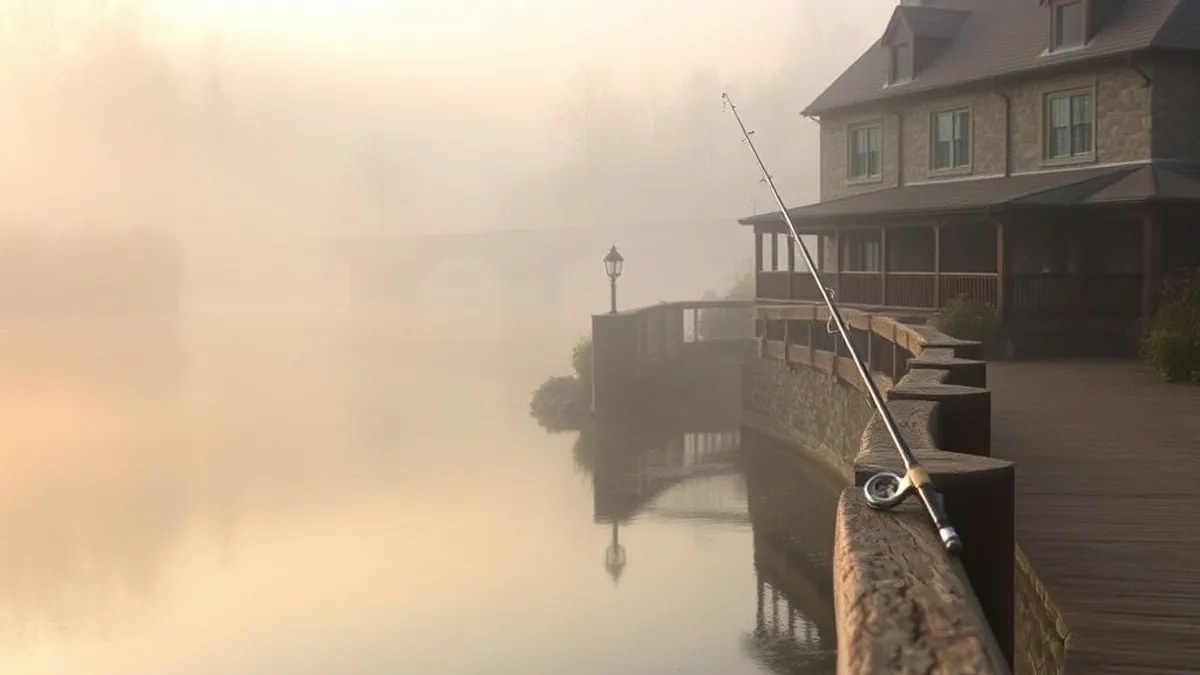
Questions to Ask Before You Book
Once you’ve confirmed there’s genuinely fishable water, the next layer of questions is about support and logistics. A beautiful stretch of river means little if you’ve never cast a fly and there’s no one to teach you. Ask whether a guide is available on-site and what a guided half-day costs, typically $150-400 per person. On unfamiliar water, a half-day with a good guide often saves a whole trip of guesswork: they know which pools hold fish, which flies are working that week, and how the water behaves in different conditions. If you’re traveling with a mixed group, some lodges let one or two anglers take a guide while the rest of the party does something else, so ask how sessions are structured and whether non-fishers can join a shorter lesson just for fun.
Gear is the second practical question. Many lodges include rod loan and basic tackle in the rate, but premium gear rental adds $20-50 per day, and waders and boots are not always part of the deal. If you’re flying in, knowing this changes how you pack. Bringing your own rod means checking airline rules on tubes, while renting on-site can save you the hassle entirely. Also ask whether the lodge sells or stocks flies, leaders and tippet, because running out of the right pattern mid-trip is a common frustration on remote water.
Finally, think about everyone traveling with you. Distance from room to water, and what non-anglers can do all day, both shape whether the trip works for the whole group.
- Measure the walk to the water: ask how far the nearest boat launch, jetty or bank access is from your room, because a ten-minute drive to launch a boat is a very different morning from rolling out of bed and casting.
- Line up options for non-fishing partners: ask whether spa treatments, dining, hiking trails or pool access can be booked at the same property, so nobody feels like a spectator on your trip.
- Ask about first-timer support: if you’re new to fishing, check whether the lodge offers short casting lessons or beginner sessions rather than only full guided days.
Choosing the Right Water Type for Your Trip
The water attached to your lodge shapes the whole trip, so think about it before you fall for a photo gallery. Lakes and lochs are the friendlier option for beginners and families. The water is calmer, casting is more forgiving, and many lodges let you fish from the bank or a small boat without needing to read currents or wade into moving water. If you are introducing kids to fishing, a sheltered lake with hungry stocked trout will usually produce more smiles than a technical river.
Rivers are a different animal. They reward fly anglers chasing wild trout, grayling or salmon, but they demand better casting, an understanding of rising fish, and timing that lines up with the season and water levels. A river stay in the wrong month can mean high, colored water and frustrated casting, so match the river to your skill level honestly.
How close is the water, really?
Distance matters more than most lodge descriptions suggest. Some Scottish lodges put loch-side fishing within a 5-15 minute walk of your door, which means you can squeeze in a session before breakfast or at dusk without driving. For a real-world example of what that looks like, see this review of a lodge on Loch Lomond. Judge a lodge by its water and how quickly you can reach it, not by its star rating.
Timing and Booking Lead Times
Fishing lodges are not like ordinary hotels. The best waters have a limited number of rods they can host each day, so prime summer dates at well-known fisheries disappear early. As a rule of thumb, book fishing-focused lodges 3-6 months ahead for peak summer stays, and earlier still if the water issues a fixed number of rod permits per day.
Why shoulder seasons often win
If your dates are flexible, look at May or September. These shoulder-season months often bring lower room rates, quieter water and, on many rivers, genuinely good fishing as insect hatches get going or the water cools toward autumn. You will share the water with fewer anglers and often get more attention from guides and lodge staff. Just confirm the trout season window before you commit, since most US and UK waters close sometime between September and October.
Two questions to ask before paying a deposit. First, does the lodge cap daily anglers? A fishery that limits pressure is protecting both the fish and your experience, and it is a good sign rather than a restriction. Second, what are the cancellation terms if weather closes the water? Flooded rivers, frozen lakes and storm days happen, and you want to know now whether you get a refund, credit or a rebooking rather than discovering the policy at the front desk in the rain.
Packing and On-Site Practicalities
The small on-site details decide whether a fishing lodge feels effortless or frustrating. Start with what happens after the catch. If you plan to keep fish, check whether the lodge has a fish-cleaning station with running water and good lighting, plus freezer storage for the fillets, or better yet a chef who will cook your catch for dinner. If none of these exist, you will be improvising with a cooler and a hope, so know before you go.
Cooler-month trips add another consideration: wet gear. Damp waders and boots left in a cold room overnight are miserable to put on at dawn, and they rarely dry out fully on their own in low temperatures. Confirm the lodge has a proper drying room or at least heated storage for waders and boots, along with space to hang rain jackets and spare socks. This matters most in autumn and winter, when a single soggy morning can spoil the whole day’s fishing.
Practical extras worth asking about
- Early food options: ask whether the kitchen offers an early breakfast or packed meals, since dawn sessions often start before normal dining hours.
- Boat reservations: verify whether the lodge’s boats, kayaks or canoes are first-come or reserved, and book ahead if the fishery is busy.
- Watercraft types: some lodges offer only rowing boats with electric motors, while others allow engine-powered craft, which changes how you work the water.
- Fuel and safety kit: check whether life jackets, anchors and boat fuel are included or charged separately.
None of these questions take more than a minute to ask by email or phone, and anglers who ask them early tend to avoid the most common surprises. Together, they turn a good fishing stay into a smooth one.
Wrapping Up Your Lodge Fishing Checklist
The problem most anglers run into is simple: a lodge promises “fishing access” without explaining whether the water is actually fishable, and guests arrive to find a distant public river or a license for a third-party outfitter instead of the private stretch they pictured. Before you pay a deposit, confirm what access really means — on-site water, how far it is from your room, and which species it holds. Then check the season window, whether a license is required, and the catch rules that apply on the water.
From there, the rest falls into place. Lock in your dates well in advance of the busy summer months, ask whether guides and gear are included or cost extra, and check what non-fishing partners can do on the property. Finally, match the water type and on-site facilities — from drying rooms to a chef who cooks your catch — to your own experience level and trip style. If this checklist helped you plan a trip, leave a comment or share the article with a fellow angler.