You booked a hotel spa stay, or you’re seriously tempted by one, but a nagging question keeps coming up: what exactly do you get for your money? The pool and sauna sound lovely, but will the massage cost extra? Are the robe and slippers included, or another line item on your bill?
You’re not alone in wondering. Spa hotels vary enormously in what they bundle into the room rate and what they treat as add-ons, and the differences can easily double your final bill. This guide walks through what a typical hotel spa stay includes, what treatments realistically cost, how far in advance to book, what actually happens during a visit, and the etiquette rules that keep things pleasant for everyone. We’ll also cover how to choose a property that matches what you’re after, whether that’s thermal bathing, a serious wellness program or simple pampering. By the end, you’ll know exactly where your money goes before you check in.
What Is Usually Included in a Hotel Spa Stay
At most spa hotels, the core of the experience comes with your room. That typically means access to the thermal areas: swimming pools, saunas, steam rooms, jacuzzis and often a fitness room. You can usually come and go as you please during opening hours, which is one of the big advantages of staying overnight rather than visiting for the day.
The basics are nearly always provided free of charge as well. Expect robes, slippers, towels and locker facilities to be waiting for you, so there’s no need to pack any of that. If something is missing or run out of stock, the front desk or spa reception can usually sort it out quickly.
When the rate includes more
Some luxury properties go further and build extras into the price. A treatment credit toward one massage or facial per stay is a common perk, and some resorts add daily wellness classes such as yoga or guided meditation. If a hotel advertises these, they’re worth factoring in when comparing rates that look similar on the surface.
What almost always costs extra
Treatments are the main add-on: massages, facials and body treatments are billed separately at nearly every property. Private spa suites, food and drinks by the pool, and any retail products you take home also land on your bill. A good habit is to ask the hotel for a full price list before you arrive, so you can budget for the thermal areas you’ll use for free and the treatments you’ll want to pay for.
How Much a Hotel Spa Stay Costs
Treatment prices are where most of your spa budget will go. At resort spas, a 60-minute massage typically runs $120-$250, with facials usually coming in slightly less. Body treatments such as scrubs and wraps generally sit in a similar range, though prices climb for longer sessions or specialty techniques.
Day passes and tipping
If you’re not staying overnight, many hotel spas sell day passes so you can use the thermal facilities. These usually range from $50-$150 depending on the facility and what’s included, with the higher end typically covering larger thermal areas or extras like classes. Note that a day pass rarely includes treatments; those are still billed separately.
Tipping is another cost to plan for. Where tipping is customary, the standard for spa therapists is 15-20%, and many hotels add the gratuity to your bill automatically or suggest an amount at checkout. It’s always fine to ask how it’s handled so you’re not surprised.
City hotels, destination resorts and packages
Location matters. City hotel spas often charge premium rates for treatments because space is limited, while destination resorts may price similarly but offer far more included facilities for the money. The best value usually comes from packages: stay-and-spa rates or multi-treatment bundles can noticeably cut the per-treatment cost compared with booking sessions one by one. If you already know you want two or three treatments, always ask about a package before reserving individually.
How to Book Treatments and When to Reserve
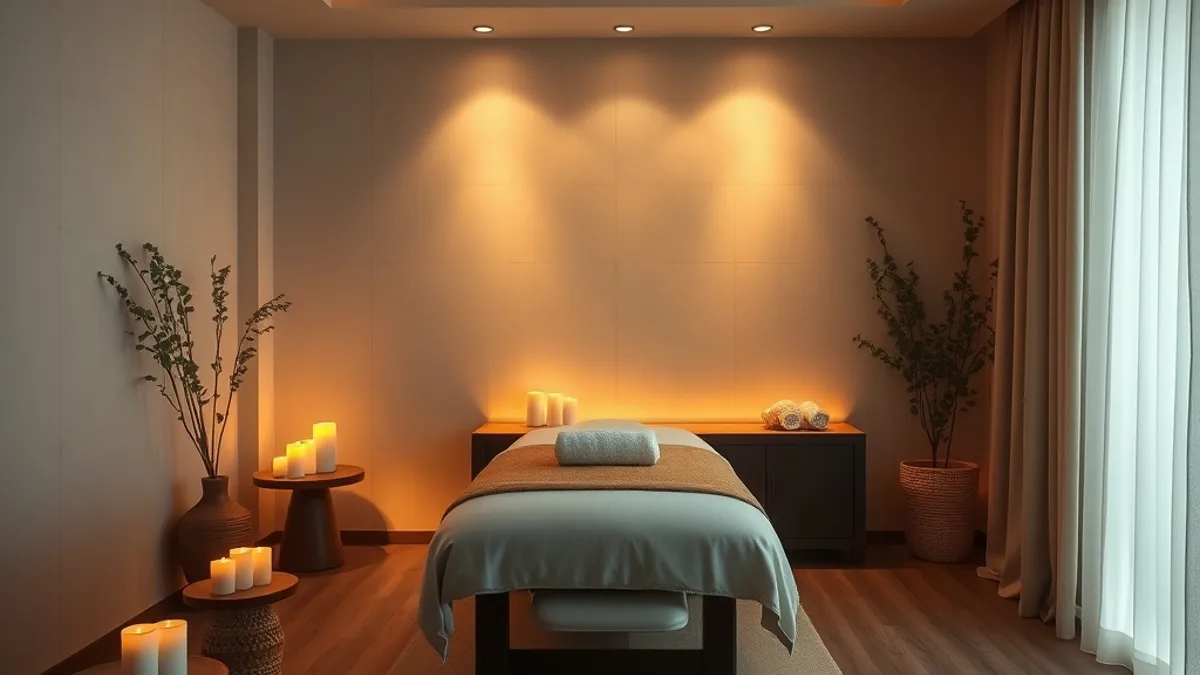
Getting the treatment times you want comes down to booking early and booking smart. Most spas ask for treatments to be reserved 1-2 weeks ahead, and even earlier for weekend slots or high season, when the calendar fills quickly with hotel guests and day visitors alike. The good news is that booking a hotel spa is usually straightforward, especially if you plan a little before you travel. A short phone call or a few clicks in an online booking system can secure the slots you actually want, instead of leaving you to choose from whatever is left on arrival day. Here’s how to go about it, step by step.
- Decide on your treatments before you travel. Browse the spa’s treatment menu online and shortlist what you want, including any alternatives, so you can book quickly if your first choice is taken. Note the treatment lengths too, since a 60-minute slot needs more buffer time in your day than you might expect.
- Reserve before arrival. Call or email the spa, or use the online booking system if there is one, rather than waiting until check-in. Popular therapists and prime evening slots fill up days in advance, and reserving ahead is the most reliable way to get your preferred times.
- Ask about package deals. Many spas combine multiple treatments into discounted bundles, and hotels often offer stay-and-spa rates that pair your room with treatments. Mentioning that you plan to book several sessions is often enough to hear about these options.
- Confirm the cancellation window. Most spas enforce a cancellation window of around 24 hours, with late cancellations or no-shows charged in full. Ask for the exact policy when you book so you know how much flexibility you have.
Once your bookings are confirmed, put the times in your calendar and plan your days around them. Remember to build in time to arrive before each treatment, since spas generally want you there ahead of your appointment to check in, change and settle into the relaxation areas first. If you’re staying several nights, spread your treatments out rather than stacking them on one day, as back-to-back sessions leave less room to enjoy the thermal areas in between. Knowing your appointments are locked in before you arrive takes the pressure off and lets you focus on the relaxing part instead of negotiating for a slot at the front desk.
What Happens During a Typical Spa Visit
A hotel spa visit follows a fairly predictable rhythm, and knowing that rhythm in advance takes most of the nervousness out of a first treatment. The staff walk you through everything, so you never have to guess what comes next. Every property organizes things slightly differently, but the core sequence below repeats almost everywhere, from small city hotel spas to large resort wellness centers. Here is how a typical visit unfolds from the moment you arrive.
- Arrive early and settle in. Plan to reach the spa 30-45 minutes before your appointment. That gives you time to check in, fill out paperwork, change into your robe and slippers, and spend some unhurried time in the relaxation area or thermal pools. Rushing in at the last minute cuts your treatment short and leaves you tense, which defeats the purpose.
- Fill out the health questionnaire. Before anything starts, you will complete a short form covering allergies, injuries, skin conditions, pregnancy and medications. Be honest and specific. A therapist who knows about your recent knee surgery or your sensitivity to essential oils can adapt the treatment instead of causing problems.
- Talk through the treatment with your therapist. Expect a brief consultation, often standing in the treatment room itself. This is the moment to mention sore shoulders, request firm or gentle pressure, and ask what the treatment involves. If you are unsure whether a hot stone massage or a classic one suits you, ask now rather than halfway through.
- Undress to your comfort level. The therapist will leave the room while you undress and get onto the table. You only remove as much clothing as you are comfortable with; many people keep underwear on and that is completely normal. You will be covered by a sheet or towel throughout, and the therapist uncovers only the area being worked on, then recovers it.
- Speak up during the treatment. If the pressure is too firm, the room is too cold or the music is grating on you, say so. Therapists genuinely want this feedback and adjust on the spot. Staying silent through an uncomfortable hour helps no one.
- Linger afterward. Most spas invite you to finish in a relaxation room, usually with herbal tea, fruit-infused water or light snacks. The deep calm a good massage produces typically lasts several hours, so avoid scheduling a demanding activity straight after. Many guests book treatments for late afternoon and let the evening absorb the benefits.
None of these steps requires experience or special knowledge, just a little time and a willingness to communicate. Treat your first visit as a rehearsal: once you know how the flow works, every future spa stay becomes easier to plan and enjoy. If anything about the process is unclear when you arrive, the reception desk can walk you through it before your appointment begins. And if a particular step feels unfamiliar on the day itself, simply tell the staff it is your first visit; most teams are happy to slow down and explain each stage so you can relax and get the full benefit of the experience.
Spa Etiquette and Practical Rules to Know
Spa spaces run on a shared, unspoken contract: everyone is there to relax, so behavior leans quiet and considerate. Most of the rules are simple common sense, but a few vary by country and property type, and knowing them in advance saves you from awkward moments. The core expectations are easy to remember once you have seen them laid out.
Keep your voice low in thermal and relaxation areas, and leave your phone in the locker. Most spas designate these zones as phone-free, and even a silent phone on a lounger tends to break the mood for people around you. Photos are usually off-limits in changing areas and treatment spaces, so save the vacation shots for elsewhere in the hotel.
Before you use any pool, sauna or steam room, take a proper shower. It is a hygiene rule, not a suggestion, and staff at many properties will politely remind guests who skip it. Rinse off lotions and oils, since they contaminate sauna wood and pool water alike. A few smaller points round out the picture:
- Jewelry and watches come off before treatments and saunas. Metal heats up quickly in saunas and gets in the way during massages, and rings can scratch therapists’ hands or catch on draping. Lockers are provided precisely for this.
- Skip heavy perfume and scented body products. Fragrance lingers in steam rooms and treatment rooms long after you leave, and it can trigger headaches or reactions in other guests. A light rinse with unscented products is the considerate choice.
- Nudity norms depend on where you are. Swimsuits are required in co-ed areas at most international hotel spas. In some European and Asian saunas, however, swimwear is optional or even discouraged for hygiene reasons, and single-gender sauna hours are common. Check the property’s spa guidelines before your stay so you are not caught off guard.
- Children’s access varies widely. Some resorts offer family spa hours with kid-friendly pools, while others run adult-only facilities or enforce quiet hours when children are not permitted in thermal zones. Confirm the policy with the hotel before promising the kids a pool day.
If you are ever unsure about a rule, ask at the spa reception rather than guessing. Staff would much rather answer a quick question than correct a guest mid-visit. Follow the local norms, keep noise and scents to a minimum, and you will fit in as naturally as any regular.
Choosing a Hotel Spa Stay That Suits You
Not every hotel spa delivers the same experience, and the biggest booking mistake is assuming they do. Some properties are built around thermal bathing, with elaborate saunas, steam rooms and pools as the main attraction. Others focus on medical-style wellness, offering programs shaped around health assessments, physiotherapy or supervised fitness. And plenty are simply pampering spas, where the point is a great massage and a quiet afternoon. Matching the spa type to your goal is the first decision to make, because a thermal-bathing paradise will disappoint someone who wants clinical wellness, and vice versa.
Do your homework before you book the room
Check the treatment menu and the facility list on the hotel’s website before you reserve, not after you arrive. Look for specifics: how many treatment rooms there are, whether the thermal area includes a sauna and steam room, whether fitness classes are offered, and how extensive the menu really is. A hotel can call itself a spa on the strength of one small jacuzzi, so the facility list tells you far more than the marketing copy. If the details are thin online, a quick email to the hotel asking about the thermal area and treatment availability is worth the effort.
Recent guest reviews deserve a targeted read too. Skim reviews specifically for mentions of the spa, and pay attention to comments about upkeep and service quality rather than the hotel in general. A property can have stunning rooms and a tired spa with worn loungers and rushed therapists, and reviews are usually the only place that gap shows up before you pay.
Consider a spa town instead of a single hotel
For some travelers, the destination matters as much as the property. Spa towns add a whole extra layer to the stay: thermal bathhouses, promenades, parks and a general atmosphere built around rest and recovery. Baden-Baden in Germany is the classic example, where the town’s bathing tradition stretches back centuries and a spa-focused hotel fits naturally into the setting. If that appeals to you, it is worth reading a detailed property review before committing; our look at a landmark hotel there, the Brenners Park-Hotel & Spa review, shows what a full-service spa stay in a spa town can look like in practice.
Whichever direction you go, the goal is the same: pick a spa whose strengths match what you actually want from the stay. A little research up front turns a nice hotel with a pool into a stay built entirely around how you want to feel when you check out.
Wrapping Up Your Hotel Spa Stay Plans
A hotel spa stay is easier to plan once you know the split: thermal areas like pools, saunas and steam rooms usually come with your room rate, while treatments such as massages and facials are the real extra, typically running $120-$250 per hour at resort spas. That means the wellness part of your stay may cost less than you feared, as long as you budget for the treatments you actually want.
The other half of the answer is timing and preparation. Booking treatments 1-2 weeks ahead and arriving 30-45 minutes early helps you get the full value from your visit, and knowing the etiquette and facility rules in advance means fewer surprises once you are in a robe. With those pieces in place, the whole experience becomes far more relaxing. If this guide helped you plan your stay, leave a comment or share it with a fellow traveler.