You’ve found a gorgeous lodge in the mountains. The photos show misty pines, a crackling fireplace and a porch built for slow mornings. Then a quiet voice in your head asks: will my 15-year-old survive three days of this, or will we all end up resenting a trip that cost a small fortune?
That fear is valid, and it’s also fixable. Lodge vacations with teenagers succeed when you plan around what teens actually need: a daily anchor activity, space of their own, solid Wi-Fi and some control over the itinerary. This guide walks through why some lodge trips click and others flop, how to pick a location near real adventure rather than just a good view, which room setups keep the peace, the activities teens genuinely want to do, smart booking timing and budgeting, and how to get your teens involved in planning so they arrive invested instead of skeptical.
Why Lodge Vacations With Teenagers Succeed or Fail
Teens have a built-in radar for boring trips. If the entire plan is “enjoy the quiet scenery,” most teenagers will quietly (or not so quietly) check out by day two. What works instead is giving each day a clear anchor: something physical and slightly exciting like skiing, a real hike or a kayaking session. Once that’s done, teens are far more willing to relax and enjoy the lodge itself.
Why lodges beat hotels for this age group
A lodge gives teenagers room to decompress in ways a standard hotel room never can. There’s usually grounds to wander, common spaces like game rooms or fire pits, and enough freedom of movement that teens don’t feel trapped next to their parents all evening. Reliable Wi-Fi matters more than most parents want to admit; a teen who can message friends in the evening is a far happier travel companion.
The winning formula is simple: one adventure per day, plus generous unstructured downtime. Resist the urge to schedule every hour. A fully packed itinerary turns a vacation into a school field trip, and teens will push back. One solid activity in the morning or afternoon, then free time to swim, game, read or nap, keeps everyone in the family on speaking terms.
Choose Lodges Near Adventure, Not Just Views
The single biggest mistake families make is booking a lodge for the view and then discovering the nearest real activity is a two-hour drive away. Flip your priorities: choose a lodge within 30-60 minutes of a national park entrance, a ski lift or a lake with equipment rentals. That way, the adventure starts from the doorstep instead of consuming half your day in the car.
Gateway lodges near major parks are built for exactly this. Properties near Yosemite or Crater Lake put hiking, climbing and water activities within a short drive, so you can be on a trail before your teens have finished complaining about the early start. If you’re considering the Yosemite area, our review of a family-friendly lodge near Yosemite shows how a well-located property handles this.
Year-round alpine options
Alpine lodges in Switzerland or Japan are the ultimate two-for-one: skiing and snowboarding from roughly December through March, then hiking and mountain biking from June through September. The same base camp serves completely different vacations depending on the season, which makes return trips feel fresh.
Before you book, check the lodge’s activity calendar. A property with 3-4 on-site options, such as a pool, trails, rentals or organized games, is gold. Those on-site choices fill rainy afternoons and rest days without anyone getting in the car, and they give teens something to do during the downtime windows that make the whole trip work.
Room Setups That Keep the Peace
Nothing sours a lodge trip faster than four people sharing one standard room with a moody 16-year-old. Family rooms or connecting rooms typically cost 20-40% more than a standard double, and in this case the premium buys something genuinely valuable: everyone gets their own sleeping space. Look for suites with a separate lounge or rooms with distinct sleeping areas so parents have somewhere to sit in the evening that isn’t the foot of their teen’s bed. That privacy matters on longer stays of a week or more, when everyone’s patience runs thinner and a shared space starts to feel cramped fast.
Strong Wi-Fi is non-negotiable for teenagers, and this is where lodge marketing gets sneaky. “Free Wi-Fi” often means a decent signal in the lobby and a frustrating crawl in the rooms. Confirm bandwidth and in-room coverage before you book, and ask directly whether the connection supports video calls and streaming, because that’s what your teen will actually use it for. A quick email to the lodge before booking can save you a week of complaints.
Once you’ve nailed the basics of space and connectivity, a few smaller details separate a comfortable family stay from a frustrating one. These are the questions worth asking before you pay the premium:
- Ask about room location: request a room away from the dining room or fireplace lounge if your teen goes to bed late, since lodge buildings are often timber-built with thin walls.
- Check bathroom ratios: a family of four sharing one bathroom adds friction every morning; look for two-bathroom suites or connecting rooms with a bath each.
- Confirm mini-fridge and storage: teens drink and snack constantly, and a fridge plus real closet space cuts down on trips to the front desk and arguments over shared drawers.
- Verify bedding configurations: some “family rooms” mean a double plus two pull-out couches; if your teen won’t sleep on a sofa bed for a week, ask what the actual beds are before paying the premium.
Activities Teens Actually Want to Do
Teenagers have a radar for anything that feels like a school field trip, so the activity list matters more than the lodge brochure suggests. The adventures that consistently land well are the ones with speed, height or a genuine sense of risk: whitewater rafting, ziplines, mountain biking, kayaking and guided night hikes. A night hike works especially well because it feels slightly edgy while still being led by a guide who knows the trail.
Winter lodges have an easy advantage. Skiing and snowboarding are the headline draws, and most teens would rather spend the whole day on the mountain than anything else on the itinerary. The catch is lessons: group slots for teens fill fastest during December-March, so book those early rather than hoping for a walk-in spot at the rental counter.
One trick that changes the mood of the whole trip is giving each teen one independent activity. A solo trail run on a marked loop or an e-bike rental for a couple of hours lets them feel trusted instead of supervised. Properties with good on-site options help here; a place like Signal Mountain Lodge in Grand Teton country puts trails and water activities close enough that teens can head out on their own without a long drive.
Just as important: downtime is not wasted time. Hot tubs, game rooms and fire pits matter as much as the headline adventure, because they are where teens actually relax and talk. Build at least one low-key block into every day.
- Whitewater rafting: ask outfitters about minimum age or weight requirements and whether the run is a milder family stretch or a bigger-water section, so you can match the river to your teen’s comfort level.
- Ziplines: many courses have minimum weight limits and require closed-toe shoes, so pack sneakers even on a warm-weather trip.
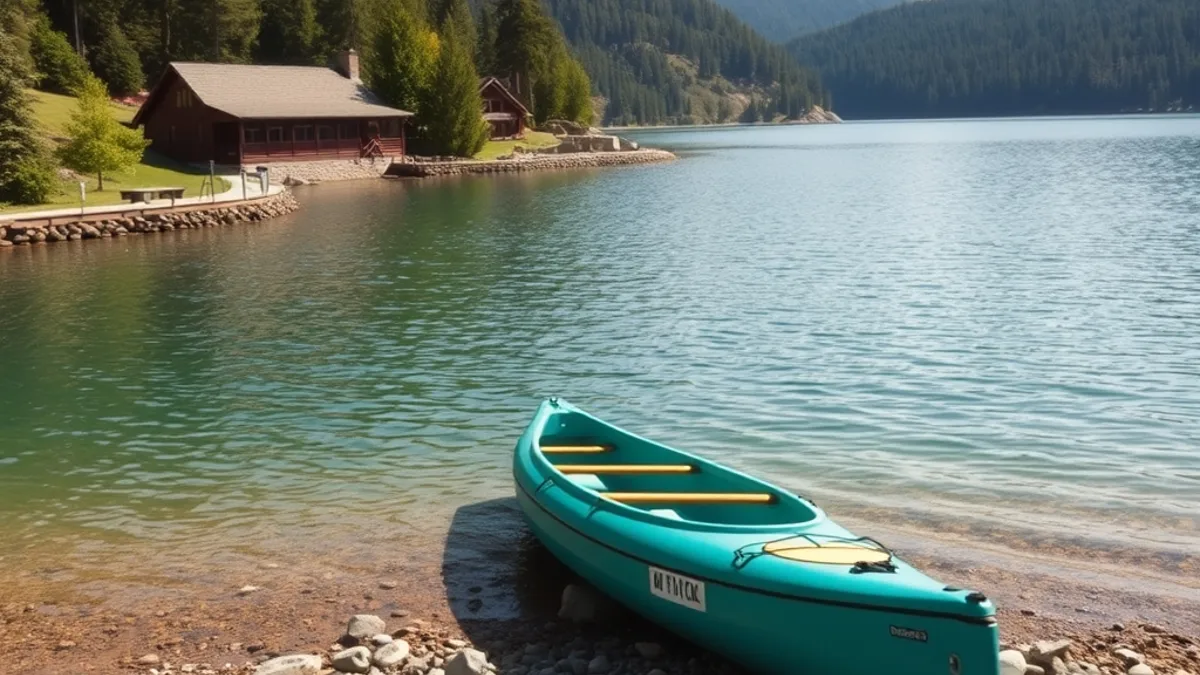
- Kayaking: calm lakes are better first outings than rivers; lodges near lakes with rentals often let teens paddle a short loop on their own once they are comfortable.
- Guided night hikes: bring headlamps rather than phone flashlights, and check whether the lodge runs these on set evenings or by request.
- E-bike rentals: confirm whether helmets are included and whether teens can rent without a parent present, since policies vary by lodge.
Booking Timing and Budget for Family Lodges
Timing is the difference between a lodge with space for four and a waitlist. For the two peak windows, June-August summer stays and December-March ski season, reserve 3-6 months ahead at popular lodges. Family rooms and multi-bedroom setups are the first to go, and guided activities on site often sell out alongside them.
If your schedule is flexible, aim for the shoulder months. May and September typically cost 20-30% less than peak pricing at national park gateway lodges, and the trails are noticeably quieter. Weather can be more variable, but for hiking-focused trips the trade-off usually favors the shoulder season.
Ask About Teen Rates Before You Book
Many lodges offer free or half-price activities for under-18s, and kids’ programs often run up to age 17. That can quietly shave a meaningful amount off your activity budget, especially if your teens want lessons, rentals or guided outings every day. Email the lodge before booking and ask specifically what applies to your kids’ ages, since policies differ widely.
Budget for Activities, Not Just the Room
The room rate is only half the picture. Guided adventures often cost more per day than the lodge itself, particularly rafting trips, ski lessons and full-day guided hikes. Estimate your activity spend per person per day, add gear rental and tips, and you will have a far more realistic trip budget than the nightly rate alone suggests.
Let Teens Help Plan the Trip
Nothing kills teen enthusiasm faster than being handed a fully planned itinerary on arrival. The fix is simple: give each teen one day, or at least a half-day, to plan themselves. They choose the activity and the restaurant, and everyone else goes along. Buy-in rises dramatically when teens have made real decisions instead of being told what the family is doing.
Do the Homework Before You Leave
A few weeks before departure, share the lodge’s activity list and trail maps with your teens. Ask them to build their own wish list, ranked. This does two things: it surfaces what they actually care about, and it lets you spot booking deadlines early, since things like rafting trips and teen ski lessons often need reserving well ahead. Arriving with a wish list also cuts down on the “there’s nothing to do” complaints that can derail the first evening.
Set Phone Rules Before the Trip, Not During It
Agree on phone and downtime expectations before you leave home. Decide when screens are fine and when they stay in the room, and be honest that teens will get genuine free time in return. Negotiating this once, calmly, beats a fresh argument every morning at breakfast. The same goes for downtime generally: if teens know the hot tub and game room time is guaranteed, they are far more willing to show up for the morning hike without a battle.
Wrapping Up Your Teen-Friendly Lodge Trip
The fear that a lodge trip will leave your teenager sulking by a fireplace is real, but it is avoidable. Lodge vacations with teenagers work when the lodge sits near real adventure and offers space, reliable Wi-Fi and built-in downtime. One solid activity a day, plus room to decompress, beats any packed itinerary.
Plan ahead and the whole trip gets easier: book 3-6 months ahead for peak summer and ski seasons, target shoulder months for savings, and let your teens co-plan the itinerary so they arrive with a stake in it. Do that, and you are far less likely to pay for a trip anyone ends up resenting. Have a lodge trip with teens that worked well? Share your experience in the comments or pass this along to another family planning their getaway.