You know you want a memorable, characterful place to stay, but you cannot tell whether a lodge or a boutique hotel will give you more comfort and space for your money. The lodge vs boutique hotel question comes up on almost every trip planning thread, and for good reason: the two promise very different things, and the nightly rates often overlap enough to make the choice genuinely tricky.
This guide breaks the decision into the parts that actually matter. We will define what separates the two property types, compare room sizes and shared spaces, and run the numbers on what you really pay. We will also look at location and atmosphere, share booking tactics for the best value, and match each option to common trip types, from hiking weeks to city breaks. By the end, you will know exactly which one fits your next getaway.
What Defines a Lodge vs a Boutique Hotel
The clearest way to understand the difference is to look at what each property type is actually selling. A lodge is a destination in its own right. These properties sit in nature, often in or near mountains, forests, lakes or national parks, and they are typically built from timber and stone to blend into that setting. Many guests choose a lodge because of where it is, not because of the nearest town. In some cases, the lodge itself is the main attraction, with the surrounding landscape serving as the backdrop to the stay.
A boutique hotel works differently. These are small city properties, usually with roughly 10 to 50 rooms, each with an individual design theme that sets it apart from chain hotels. The setting is urban or in a lively town, and the appeal comes from the building’s character, the restaurant, and the neighborhood right outside the door.
What each one markets
Look at how the two promote themselves and the contrast becomes obvious. Lodges lead with the landscape: guided hikes, wildlife, ski slopes, canoe trips and the promise of quiet evenings far from the city. Boutique hotels lead with design, dining and location, selling the idea that the best part of your stay is steps away on the street outside.
Neither approach is better. It simply means you are comparing two different products that happen to charge similar nightly rates, which is why it pays to look closer at space, inclusions and atmosphere before you book.
Space and Comfort: How Rooms and Layouts Differ
Space is where the two property types diverge most clearly. Lodge rooms are commonly built on a generous scale, often offering 30-50 square meters of floor area. That extra room usually comes with features you would pay a premium for elsewhere: private balconies facing the landscape, fireplaces in the room, or a dedicated sitting area where you can spread out after a day outdoors.
Boutique hotel rooms typically measure 20-30 square meters. That is comfortable, but the priority is different. Design details take the lead over floor area, so you might get a beautifully styled headboard, curated lighting and quality linens in a room that is noticeably more compact than a lodge suite.
Shared spaces tell their own story
Beyond the rooms, lodges invest heavily in shared comfort. Think lounges with roaring fires, spas, and wide terraces built for sunset views. Because the lodge is often the destination itself, these communal areas are designed to fill entire evenings, not just the hour before dinner.
Boutique hotels spend their budget differently. Rooftop bars, carefully curated lobbies and in-room technology are the typical investments, since guests spend much of their day out in the city. The lobby doubles as a social hub and a workspace, and the rooftop bar becomes an evening venue in its own right.
The practical takeaway: if you plan to spend long hours at your accommodation, a lodge gives you more room to do it in, both inside your room and around the property.
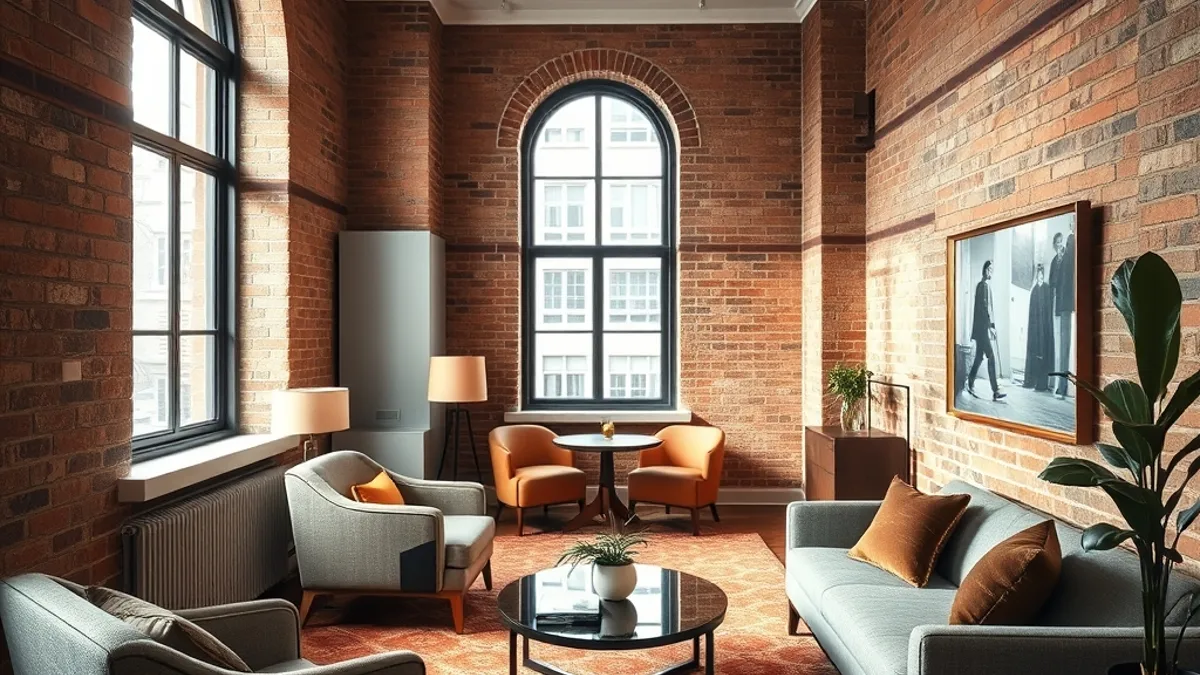
Cost Comparison: Nightly Rates and What You Get
Headline rates for the two overlap more than most travelers expect. In high season, lodges typically charge roughly $150-350 per night, while boutique hotels in city centers run around $120-300. On paper, the lodge looks like the pricier option. The catch is that lodge rates often bundle in far more than the room itself.
Many lodges include activities, half-board dining or spa access in their nightly rate. A boutique hotel, by contrast, is usually room-only. Dinner at the hotel restaurant, cocktails, tours and experiences all get billed separately, which can quietly add up over a city stay.
Compare the total, not the nightly rate
This is why the smartest comparison is total stay cost rather than the number on the booking page. If a lodge charges $50-100 more per night than a comparable boutique hotel but includes meals, guided activities and spa use, those inclusions can fully offset the difference over the course of a week. A boutique hotel’s lower rate can evaporate once you add dinners, drinks and paid experiences.
Off-season pricing favors lodges
Timing shifts the math further. Off-season lodge discounts can reach 30-40 percent, since wilderness properties need to fill rooms outside their peak windows. Boutique hotels, which benefit from steadier year-round city demand, usually offer smaller off-season savings, often in the range of 10-20 percent. If your dates are flexible, a lodge in the shoulder season can deliver the best value of either option. Always check current rates and what is included before you book, as inclusions vary widely between properties.
Location and Atmosphere: Wilderness Retreat vs Urban Character
The biggest difference between these two stays starts the moment you leave the airport. Most lodges sit 30-90 minutes from the nearest major airport, often along winding mountain roads or gravel tracks. That transfer is the trade you make for scenery, trails and genuine quiet right outside your door.
Boutique hotels flip that equation. They place you within walking distance of restaurants, museums and nightlife, and typically under 30 minutes from city transport hubs. You step out of the lobby and the neighborhood is already in motion around you.
What Evenings Look Like
Lodge evenings are slow and atmospheric. Think fireside calm, a glass of wine on a terrace and stargazing far from city light pollution. If you want a sense of how restorative that can be, a look at Black Forest lodges built for deep calm shows the mood well.
Boutique hotel evenings revolve around the neighborhood instead. You might start with a drink at a design bar in the lobby, then walk a few blocks to a restaurant the front desk recommended. The property is your base camp for the city, not the destination itself.
Neither setting is better in the abstract. Ask yourself what you want to see when you wake up: forest and peaks, or a lively street below your window.
When to Book and How to Get the Best Value
Timing matters far more for lodges than for boutique hotels. For peak weeks in June-August and December-February, reserve your lodge 3-6 months ahead. The best rooms, the ones with the views and the larger layouts, sell out first, and late bookers often end up in the leftover categories. Remote lodges simply have fewer rooms to go around, so the gap between booking early and booking late is bigger than in town.
Boutique hotels are more forgiving. You can usually book 4-8 weeks ahead and still find reasonable rates, since these small city properties rarely sell out as early as remote lodges do. Their steadier year-round demand means last-minute deals are less dramatic, but you trade a little savings for a lot of flexibility.
Two Quick Wins on Price and Comfort
For lodges, target shoulder months like May, September and October. You get the same property, the same trails and often far thinner crowds than in peak weeks, all for noticeably less money. Check the lodge’s own seasonal rate calendar before you commit to a date, since shoulder pricing can vary from one region to another.
For boutique hotels, use the booking call or notes field to ask for an upper-floor or courtyard room. Room views and light vary widely at the same price in small properties, and a simple request often upgrades your experience without costing anything extra.
One more tip: midweek stays at boutique hotels are consistently cheaper than weekend nights. Shifting a two-night city break to Sunday and Monday can trim the bill without changing your plans much, and popular neighborhoods feel calmer on those nights too.
Which Stay Fits Your Trip Type
The right choice depends less on price and more on what your trip is actually for. Choose a lodge when the setting is the point: national park trips, skiing weeks, hiking holidays and honeymoons where you want the landscape to do the work. Choose a boutique hotel for city breaks, food-focused travel and short stays of 2-3 nights where you will be out exploring most of the day.
Group composition matters too. Families and groups often get more usable space per dollar in lodges, since larger rooms and shared lounges keep everyone comfortable without booking multiple units. Solo travelers and couples usually get more style and location value from a boutique hotel, where design and neighborhood access are the main attractions.
Quick Matching Guide
- Wildlife and guided activity trips: lodges often bundle early breakfasts, packed lunches and guided excursions into the stay, which saves you from organizing each outing separately.
- Festival or event weekends: boutique hotels win here, because being a short walk from venues lets you skip late-night transport and enjoy the city atmosphere after dark.
- Workcations and longer remote stays: lodge sitting areas, terraces and quiet surroundings make it easier to work with a view, while a boutique room of 20-30 square meters can feel tight over a full week.
- Mixed-age family groups: lodges typically offer communal fireside spaces where grandparents and kids can relax together, something most compact city hotels cannot replicate.
If you are still torn, plan the trip around your primary activity first. The property type usually becomes obvious once you know whether your days belong to trails or to museums.
Lodge vs Boutique Hotel: The Bottom Line
So which one delivers better value overall? It comes down to what each does best. Lodges win on room size, inclusions and scenery, wrapping big rooms, meals and activities into one nature-first stay. Boutique hotels win on location, design and flexible booking, putting you steps from the city action with style to spare.
Here is the key: nightly rates overlap at $120-350, so the headline price tells you little. Compare what is included instead, then let your trip type decide. Nature-first trips favor lodges, while city-first trips favor boutique hotels. If this helped you choose, leave a comment or share the article with a fellow traveler.