You have the trip booked, the flights sorted and a group chat full of excited skiers. Now comes the decision that shapes the whole week: should you base yourselves in a lodge or a chalet for ski trips? The right answer depends on your group size, your budget and how you like to eat, relax and hit the slopes. Pick well and everything runs smoothly; pick badly and you may spend the week wishing you had chosen differently.
This guide walks through the key differences between the two, starting with what actually defines a lodge versus a chalet. We then compare costs, look at how each option handles groups of different sizes, and dig into food and service, from private chalet chefs to hotel-style restaurants. Location and slope access matter too, so we cover that as well. Finally, you will find practical advice on when and how to book, plus a simple way to settle the decision for your own trip.
What Defines a Lodge vs a Chalet
The two words get used loosely, especially by booking sites, but in the ski world they describe very different places to stay. Understanding the difference is the first step to choosing well.
What a chalet offers
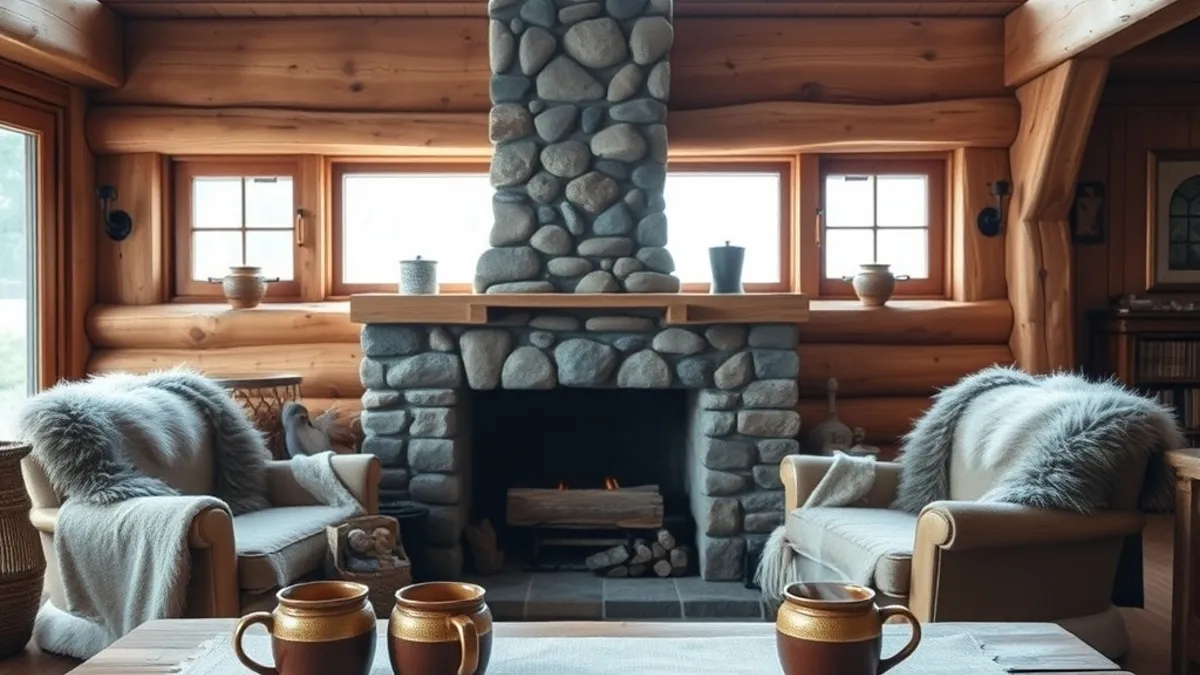
A chalet is a private, self-contained wooden house rented by a single group. You get the whole property to yourselves: the bedrooms, the lounge, usually a dining room and often a hot tub or sauna. Many chalets come catered, which means a live-in host or chef stays in the property with you, cooking meals and keeping the place running. It feels less like a hotel and more like borrowing a beautiful mountain home for the week, with staff included.
What a lodge offers
A lodge, by contrast, is a hotel-style property. You book individual rooms rather than an entire house, and you share communal spaces with other guests. Staffed services come as standard: restaurants, bars, and at many properties, spas and wellness facilities. Everything is handled for you, from daily housekeeping to dinner reservations.
So who suits which? Lodges work beautifully for couples and solo travelers who want service and flexibility without committing to a whole property. Chalets shine for groups who want privacy, shared mealtimes and the run of the entire place. If the thought of sharing a lounge with strangers makes you wince, a chalet is probably your answer.
Cost Comparison: Lodge or Chalet for Ski Trips
Money is where the lodge vs chalet debate gets real. The headline difference comes down to catering: a catered chalet package typically runs 15-30% above a self-catered option in the same resort, because you are paying for the chef, the host and the food as part of the deal. That premium buys convenience, but it is not the only way to structure your spending.
Lodges give you more control over the daily budget. Book room-only and eat out as much or as little as you like, mixing mountain restaurants with supermarket lunches. Chalets bundle food into the price, which makes costs predictable but leaves less room to trim. Location affects both types equally: ski-in/ski-out properties of either kind typically add a 20-40% premium over accommodation where you walk to the lifts.
Drinks deserve their own line in the budget. Wine with dinner is usually included in a catered chalet, while lodge bars and resort restaurants charge per glass, and mountain-side drinks tend to be the priciest pour of the day. Over a week, that gap can quietly grow.
Also weigh the cost of your time. Self-catering means shopping, cooking and washing up on your ski holiday, which some groups happily trade for savings. Others find the catered package pays for itself in recovered hours on the slopes.
A few cost factors worth weighing before you commit:
- Per-person vs per-room pricing: splitting a whole chalet between 8-14 people often works out cheaper per head than booking individual lodge rooms, since the property price is divided across the group.
- Hidden extras in lodges: dinners, drinks and spa treatments are charged separately, so a cheap room-only rate can climb quickly over a week.
- What catering includes: catered chalet packages usually cover breakfast, afternoon tea and several dinners, which can offset most of the price gap once you price those meals à la carte in resort.
Group Size and Space
Group size is often the factor that settles the decision on its own. Chalets commonly sleep 8-14 guests, which makes them a natural fit for family reunions, milestone birthdays or an annual trip with a big circle of friends. Fill the beds and everyone gets a room, a shared table at dinner and the whole house to yourselves. Bring a group smaller than that and you may find the per-person price less attractive, or end up sharing the chalet with another party unless you pay for exclusive use.
How lodges handle mixed groups
Lodges cope easily with parties of any shape and size, because you book individual rooms rather than a whole house. A couple can join six friends for three nights without anyone renting an empty bedroom, and a solo traveler can slot in without filling a quota. If your group tends to arrive and leave on different days, a lodge removes the awkwardness of paying for a property that sits half empty.
Think about the living space, not just the beds
Shared space matters more than people expect. In a chalet, there is one lounge for everyone, which is either the heart of the trip or a recipe for cabin fever depending on your group. Lodges spread things out: bars, lounges and spas give people room to drift apart and regroup. If your party includes early risers, night owls and a toddler on a different schedule entirely, that flexibility is worth a lot.
Food and Service: Catered vs Hotel-Style
Food is one of the biggest day-to-day differences between the two options, and it shapes your evenings more than almost anything else. In a catered chalet, a private chef typically covers 5-6 dinners per week, with one or two staff nights off when you head out to a village restaurant. Breakfast and afternoon tea are usually part of the deal too, so you barely need to think about food after a day on the slopes.
A lodge works more like a hotel. Restaurants serve dinner every night of your stay, and many properties add room service, bars and on-site spa and wellness facilities, so you can book a massage and then walk straight to dinner in slippers. There is no fixed menu or seating time unless you want one.
Chalet hosting also changes the social rhythm of your trip. Meals are communal, cooked for your own group, and served around one table at a set time. That suits families and friend groups who enjoy eating together, but couples who prefer a quiet table for two may find it restrictive. Lodges give you the flexibility to dine at 7pm or 9:30pm, in the hotel restaurant or out in the resort, without coordinating with anyone.
- Chalet chefs usually cook a set menu for the whole group, so mention allergies and dietary requirements at booking rather than on arrival.
- On staff nights off, popular village restaurants fill up fast in peak weeks, so reserve a table in advance.
- Chalet hosts often clean rooms and serve breakfast as well, meaning staff live in the property; treat shared spaces with that in mind.
- Lodge guests can charge meals and drinks to a room account, which simplifies splitting bills in larger parties.
- Some larger lodges run kids’ dining earlier in the evening, useful for families with young children.
Location and Slope Access
Location can matter more than the style of accommodation you pick, because it shapes how your ski days actually run. Both lodges and chalets can be ski-in/ski-out, so don’t assume one type always wins on convenience. A purpose-built chalet on the piste edge can have you clipping into your skis before the coffee kicks in, while a lodge halfway down the valley might involve a bus ride every morning.
Where each type tends to sit
Resort lodges are often built right at the base of the slopes, close to lift stations, rental shops and ski schools. The trade-off is atmosphere: base-area lodges sit in the modern, functional part of a resort rather than the old village with its cobbled streets and wood-clad facades. If you picture evenings strolling through a traditional alpine center, a base-area lodge may not deliver it.
Chalets, on the other hand, are frequently found in or near village centers, where the character is stronger but the lifts are not always on the doorstep. A village-center chalet may require a short walk in ski boots or a shuttle bus to the main lift hub. That’s usually a minor annoyance for adults, but it changes the calculus when you’re carrying skis, poles and a tired six-year-old.
What to check before booking
Before you commit, look up the actual distance to the nearest lift and to the ski school meeting point, not just the resort name. Maps on booking pages can be generous with the word “near.” If children in your group will be in ski school, a five-minute walk to the meeting point is worth far more than a stylish lounge. Ask the owner or hotel directly how guests typically reach the slopes in the morning, and whether the shuttle runs reliably during peak weeks. A few minutes of checking now can save you a cold, boot-laden trudge every day of your trip.
When and How to Book
Timing matters more for ski accommodation than almost any other trip type, because the best properties sell out long before the snow falls. Chalets, in particular, are single properties that only one group can book, so the calendar fills fast. Aim to secure your chalet 4-6 months ahead for the best choice, and earlier still if your heart is set on Christmas, New Year or February half-term.
Lodges work on a different rhythm. Most release availability 9-12 months out, which rewards early planners with lower rates and the widest room selection. If you like to organize trips far in advance, booking a lodge as soon as rooms open can mean noticeably better prices than waiting until autumn.
If your dates are flexible, January is the sweet spot. It delivers the lowest prices and quietest slopes of the season, and snow quality is often at its best thanks to consistent cold and fresh dumps after the holiday crowds have gone. The European season typically runs from late November to mid-April, and the shoulder weeks in early December and April cost significantly less than peak dates while still offering decent skiing.
- Set calendar reminders for release dates. Many lodges open their booking systems roughly a year ahead, so marking the release window lets you grab prime rooms or family suites before they disappear.
- Be realistic about peak-week demand. For Christmas and half-term, popular chalets can be fully booked well before the 4-6 month mark, so treat those weeks as “book as early as possible” rather than waiting for last-minute deals.
- Check cancellation terms before committing early. Booking 9-12 months ahead means more time for plans to change, so look for flexible deposit arrangements or travel insurance that covers cancellation.
- Ask about early-booking incentives. Some operators and lodges offer reduced rates or added perks like free lift passes for guests who commit during the initial release window.
Choosing Your Ski Trip Base
So which one wins for your ski trip? It comes down to three things: your budget, your group size and how you like to dine. If you’re traveling with a large group and want privacy, shared living space and meals taken care of, a catered chalet is hard to beat. If you’re a couple or a flexible traveler who prefers to set your own schedule and control your spending, a lodge usually offers better value and freedom.
Match the base to your skiing style and the decision largely makes itself. Whatever you choose, book early for peak weeks and check current prices before committing. If this helped you decide, leave a comment or share the article with your ski crew.