Scroll through any booking site and you’ll see the words lodge and cabin used almost interchangeably: a “mountain lodge” that turns out to be a small self-catering hut, or a “cabin” that’s really a full-service resort. The lodge vs cabin confusion is one of the most common reasons travelers end up somewhere that doesn’t match the trip they pictured, whether that’s a romantic fireside retreat or a stay with meals and daily service included.
The two accommodation types differ in more than name. Lodges typically come with a restaurant, front desk and housekeeping, and often sit in or near national parks and resort villages. Cabins are usually self-catering with a full kitchen, tucked away by lakes, forests and private land. That difference shapes everything from how much you pay to how far ahead you need to book. In this guide, we break down the core differences, what each type includes, where they’re usually found, what you actually pay for, the best seasons and booking lead times, and how to pick the right one for your trip so you can book with the right expectations.
Lodge vs Cabin: The Core Differences Explained
The simplest way to separate the two is to think about who is looking after you. A lodge is a hotel-style property with a front desk, restaurant and staff on site. It is often one large building or a complex of buildings, with reception hours, common areas and someone to call when the heating fails.
A cabin is a standalone, self-catering unit rented much like a holiday home. There is no reception to check in at, no daily staff presence, and no restaurant down the hall. You collect a key or a door code, and from that moment the place is yours alone.
Service level is the real difference
Strip away the timber walls and stone fireplaces, and the practical difference comes down to service. Lodges sell a hosted stay, where meals, housekeeping and local advice are part of the package. Cabins sell privacy and independence, where you run your own schedule and your own kitchen. Both can be excellent choices, but they suit very different trips.
One warning before you book: listing sites blur the two labels constantly. Small holiday homes get listed as lodges because it sounds more upscale, and some lodges describe themselves as cabins for the rustic appeal. Before assuming a “lodge” listing is actually staffed, check the property description for a restaurant and a reception. If neither is mentioned, ask the host directly. A five-minute check now saves an awkward arrival later.
Amenities and Service: What You Get at Each
Walk into a lodge and you get the hotel treatment. Daily housekeeping is standard, and most lodges have an on-site restaurant or bar where you can eat without leaving the property. Add a lounge with a fireplace, and at many properties a spa or pool, and you have shared facilities designed to keep you on site all day.
A cabin works differently. You typically get a full kitchen, a private deck or fire pit, and your own outdoor space, often considerably more of it than any lodge room offers. The trade-off is that you handle the cooking, the cleaning and the supplies yourself. Nobody refreshes your towels or makes your bed unless you arrange it.
What you are really paying for
Lodge guests pay for convenience and shared facilities: meals a few steps away, staff on call, and communal spaces that feel lively. Cabin guests trade service for space, seclusion and self-sufficiency. Neither is better in absolute terms; it depends on whether you want to be looked after or left alone.
Before booking a cabin, check exactly what is provided. Linens, starter supplies such as salt, oil and coffee, and firewood vary by owner and are not guaranteed. Some hosts stock the kitchen generously, others leave you a roll of paper towels and nothing more. Read the listing details or message the owner, especially if you are arriving late and the nearest shop is a drive away.
Where Each Type Sits: Settings and Surroundings
Location tells you a lot about which type you are booking. Lodges are usually built at national park gateways, inside parks themselves, or in resort villages, deliberately placed close to trails, ranger programs and guided activities. The idea is that you park the car once and let the surroundings do the work. If you want a sense of what a well-sited lodge feels like, our guide to lodge stays deep in the Black Forest shows how the setting shapes the whole stay.
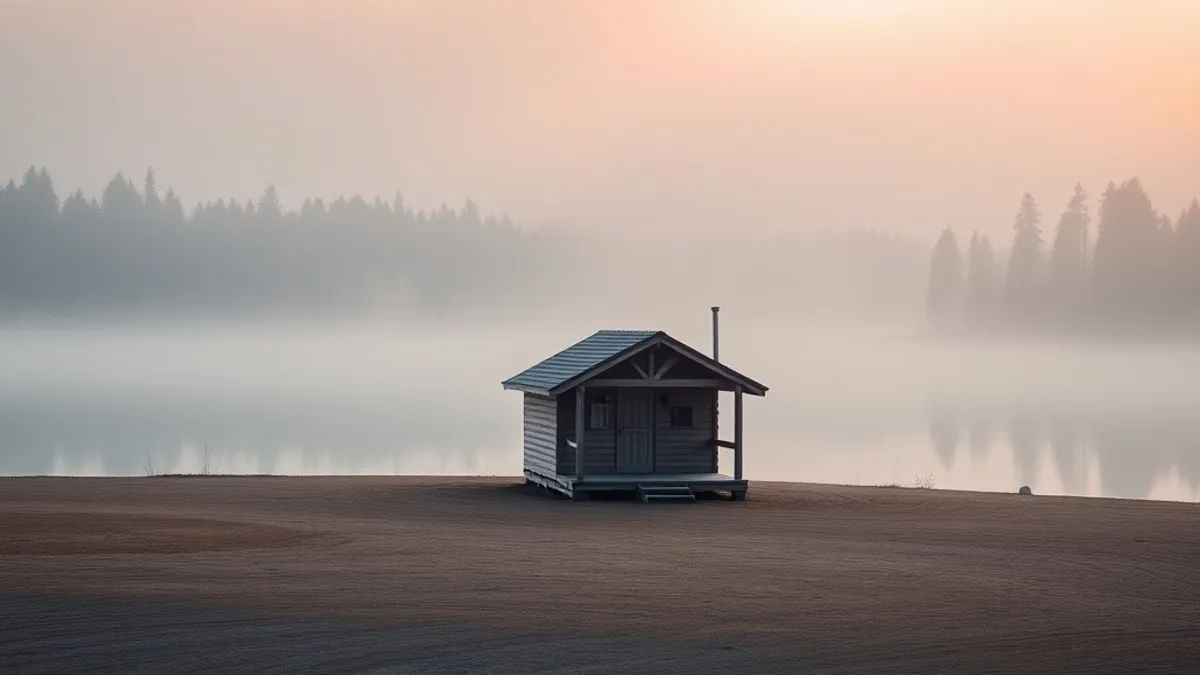
Cabins cluster in different places entirely: around lakes, in deep forest, and on private land, where the setting itself is the attraction and access to towns is limited. You are buying quiet, not convenience.
Matching the setting to your itinerary
A lodge base suits itineraries that change daily, like park touring, where you head out each morning in a different direction and want meals and a front desk waiting at night. A cabin suits a stay-put week of swimming, hiking and reading, where the point is to settle in rather than move on.
One practical note on rural cabins: remote locations often mean unpaved access roads and no walkable restaurants. Plan your groceries before arrival, check how far the nearest supermarket actually is, and if you are visiting in winter or after heavy rain, ask the owner about the condition of the road. A little planning makes the seclusion feel like a feature rather than a trap.
Price Ranges and What You Actually Pay For
Price is where the lodge vs cabin decision gets interesting, because the nightly rate only tells part of the story. A full-service lodge typically runs $150–$400 per night, and that rate bundles in your meals, housekeeping and access to shared facilities like the pool or lounge. You pay once and the staff handles the rest.
Self-catering cabins average $100–$250 per night, which looks cheaper at first glance. But remember that groceries, activities and any equipment rentals come out of your pocket separately. A cabin can quietly catch up to a lodge on total cost if you book tours or eat out every evening.
The fee structure matters too. Cabins often add a one-off cleaning fee, and sometimes a pet fee if you bring the dog. On a one-night stay, that cleaning fee can push the effective nightly cost well above the advertised rate, which narrows the gap with lodges considerably.
As a rule of thumb, trip length decides the winner. For stays of 3 nights or more, a cabin’s lower nightly rate usually wins because the fixed fees get spread thin. For 1–2 nights, a lodge’s included meals and service can be better value once you factor in what you would otherwise spend on dinners.
- Ask whether the cabin rate includes linens and towels, since some owners charge an optional linen fee for short stays.
- Lodge rates often cover breakfast and dinner but not drinks at the bar, so budget separately for wine and cocktails.
- Cabin cleaning fees are usually per stay, not per night, which is exactly why longer bookings dilute the cost.
- Some cabins offer weekly rates that drop the nightly price further, rewarding a full seven-night booking.
- Lodge prices typically peak in high season, while remote cabins hold steadier rates outside school holidays.
Seasons and Booking Lead Times
Timing your booking matters as much as choosing the property type. Many national park lodges operate only May–October, which concentrates all their demand into a short window. Summer dates inside parks sell out first, and the most desirable rooms can be gone long before the season even starts.
The safe play for lodges is to reserve 3–6 months ahead for July–August and holiday weeks. Cabins work differently: in quiet seasons they often open up 2–4 weeks out, so you can plan a last-minute forest escape without much stress. Cabins also rent year-round in most regions, which makes them the easier pick for off-season trips like autumn or winter breaks when lodges may be closed entirely.
One more timing trap to know about: weekend and holiday stays in both types commonly require 2–3 night minimums. If you only want a single night away, midweek dates are the flexible option that most owners and lodges will accept.
- Set a calendar reminder for the exact date a park lodge opens its reservation system, since popular rooms can go within hours.
- Shoulder-season weeks in late spring or early autumn often have lodge availability that summer never does.
- Winter cabin trips need extra planning around access, as snow can affect remote roads even when the cabin itself is bookable.
- If a weekend minimum blocks you, splitting a stay midweek into two properties sometimes works better than one short weekend booking.
- Cancelation policies differ: lodges often have stricter terms than individual cabin owners, so read them before committing.
How to Choose for Your Trip
The right choice depends less on the property and more on how you travel. Families and groups who want to cook together and spread out should pick a cabin with a full kitchen and multiple bedrooms. Everyone gets their own space, mealtimes are flexible, and nobody has to tiptoe around a hotel corridor at 10 pm.
Couples and short-break travelers who want meals, a bar and no chores are better served by a lodge with a restaurant on site. You arrive, hand over the car, and let the staff handle everything from dinner to the morning coffee. For a two-night recharge, that absence of chores is the whole point.
If your trip is built around a national park, a lodge at the gateway saves daily driving, especially in the May–October season when trails and guided activities are running. And if the plan is a quiet week by a lake or in forest with no daily agenda, a remote cabin delivers a level of seclusion that a lodge complex, with its shared spaces and other guests, simply cannot match.
- For group cabins, count the bathrooms as well as the bedrooms; two bathrooms for six people is a common friction point.
- Check whether the lodge restaurant caters to dietary needs before booking, since remote locations may have no alternative dining nearby.
- Park-gateway lodges let you enter the park early before crowds build, which a distant cabin cannot offer.
- Lake cabins reward travelers who bring their own gear, so confirm kayak or paddleboard access if that is part of your plan.
- If your group mixes both styles, splitting the trip between a lodge first and a cabin after works well: activity days hosted, then a self-catering wind-down.
Booking With the Right Expectations
The fix for the lodge-versus-cabin confusion is simple: read past the label and match the property to the trip you actually want. If you picture a hosted stay with meals, housekeeping and staff on site, you are looking for a lodge, typically at $150–$400 per night in a park or resort setting. If you picture privacy, your own kitchen and a quiet spot by a lake or in the forest, you want a cabin, usually $100–$250 per night with a cleaning fee and self-catering on top.
Once you know which one fits, let trip length, season and how much daily service you want guide the final call, and remember that lodge stays for peak summer dates need booking around 3–6 months ahead. Book with those expectations in mind, and the listing you click will match the holiday you imagined. If this helped you sort out the two, leave a comment or share the article with a travel partner.