Planning a mountain or nature getaway, you keep running into the same three words: lodge, cabin and chalet. Booking sites use them interchangeably, and it’s genuinely confusing. Is a chalet just a fancy cabin? Does a lodge always mean a hotel? Picking the wrong one can mean showing up without a kitchen when you planned to cook, or paying for services you’ll never use.
This guide to lodge vs cabin vs chalet clears up the definitions first, then compares services, comfort and typical prices. From there, you’ll see which stay type fits each season, when a lodge is the smart pick for national park trips, and when a cabin or chalet serves your group better. We’ll finish with booking timelines for each type and a quick recap so you can match the stay to your trip before you start comparing individual properties.
What Defines a Lodge, a Cabin and a Chalet
The three words describe genuinely different properties, and knowing the differences helps you filter search results faster. Each type has a distinct size, layout and service model.
The lodge: a full-service property
A lodge is a larger property, often with 20–100 rooms, that operates much like a hotel. You’ll find a front desk, a restaurant and daily housekeeping, plus staff who can help arrange activities. Lodges usually sit near national parks or ski areas, which is exactly why they appeal to travelers who want guided access to the outdoors without giving up comfort.
The cabin and the chalet
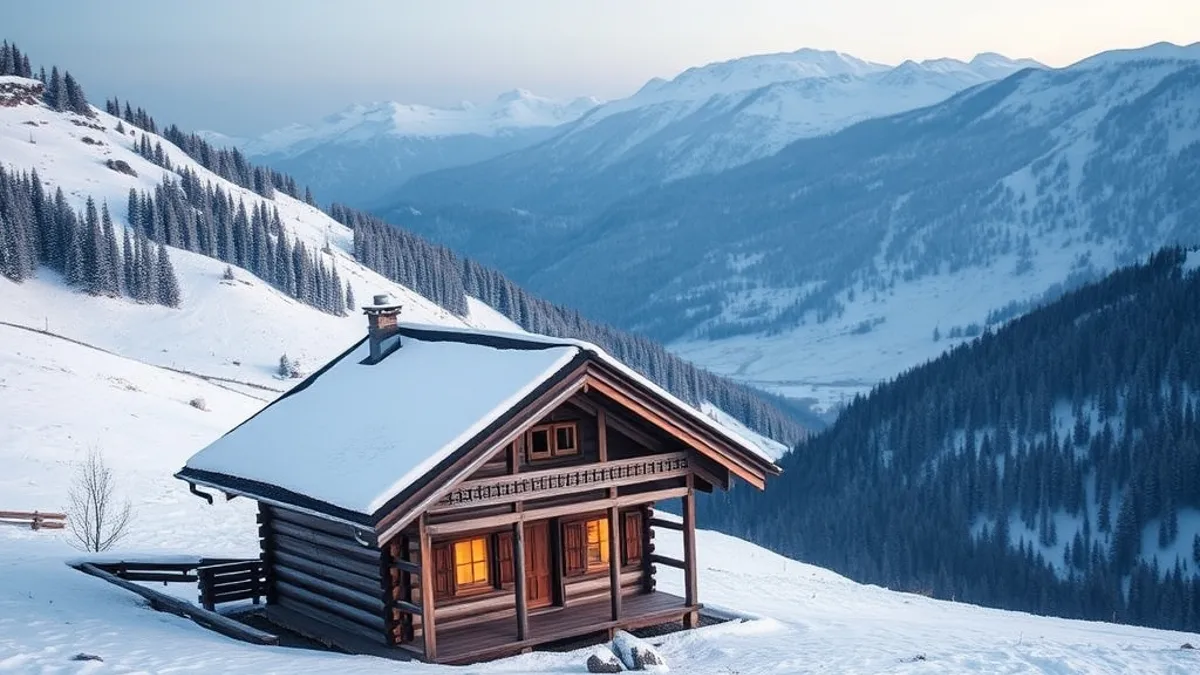
A cabin is a small standalone wooden unit built for 2–10 guests. Most cabins are self-catering, meaning you get a kitchenette and handle your own cooking and cleaning, with no daily service. Privacy is the main draw: you’re in your own building, often surrounded by trees.
A chalet is an alpine-style house with sloped roofs and balconies, a design you’ll mostly find in the Alps. Chalets are frequently rented by the week and self-catered, though some come with optional staff. Think of a chalet as a whole house your group shares, rather than a single room or unit.
Lodge vs Cabin vs Chalet: Services and Comfort Compared
Services are where these three stay types really separate, and it pays to think about how much help you want before booking. A lodge operates like a hotel: daily housekeeping is almost always included, there’s on-site dining for tired evenings after a long hike, and a front desk can book guides, activities and dinner reservations for you. In US national park regions, expect roughly $150–$400 per night for that level of service, which is often worth it when you arrive exhausted and just want a hot meal without driving anywhere.
Cabins trade services for privacy and space. You’ll typically pay an average of $100–$250 per night, but you cook your own meals in the kitchenette and clean up after yourself. There’s no front desk to call when you need extra towels, so pack the basics and check what bedding and kitchen supplies the owner provides before you arrive.
Chalets blend the two models. Many alpine chalets offer optional cook or host service, so you can self-cater most of the week and add help for a special celebration dinner. The catch is the rental structure: rates of €120–€350 per night are common, and in ski season many chalets require Saturday–Saturday stays, which locks in your travel dates well in advance.
- Lodge extras: many park lodges also run guided hikes, ranger talks or equipment rentals directly from the property, so you can organize your day without leaving the building.
- Cabin extras: standalone units often include extras hotels charge for, such as a fire pit, private hot tub or covered porch with outdoor seating.
- Chalet extras: larger chalets frequently have dedicated spaces you won’t find in a room-based stay, like a boot room with dryers, a sauna or a garage for ski storage.
Which Stay Type Suits Each Season
Season shapes your choice more than you might expect. Each stay type has a period when it’s at its best, and when it’s hardest to book.
Chalets and ski season
Alpine chalets peak twice: December–March for skiing and June–September for summer hiking. High-season weeks, especially around holidays and school breaks, are booked by groups who return to the same chalet year after year. To get a good week in either season, plan to reserve 6+ months ahead, and remember that ski-season rentals often run Saturday–Saturday.
Lodges and park season
US national park lodges fill fastest from June through August, when park visitation is at its highest. For summer dates, reservations often open on a fixed calendar and popular lodges can sell out within days, so booking 6–11 months ahead is the safe move. If you want a lodge room inside or near a famous park in July, waiting until spring is a gamble.
Cabins, by contrast, shine in the shoulder months of May and September–October. Rates drop from their summer highs, trails are quieter, and you still get long enough days for hiking. Because cabins are rented as individual units rather than by the week, you can also plan shorter shoulder-season trips without committing to a fixed changeover day.
Best Trips for a Lodge Stay
A lodge is the right call when your trip revolves around a national park and you want expert help getting the most out of it. Most park lodges sit right at or near the trailheads, and many can point you toward ranger programs, guided hikes and shuttle connections you would struggle to arrange on your own from a distant rental.
On-site dining matters more than you might think. After eight hours on the trail, the last thing you want is a 45-minute drive to find dinner. At a lodge, you walk in muddy, sit down to a hot meal and head to bed. Daily housekeeping and a front desk round out the comfort, so the trip feels restful rather than another round of chores.
Lodges are also forgiving for late planners. Unlike chalets, which typically rent by the week, lodge rooms are booked by the night. If a friend cancels or your dates shift, you adjust a reservation instead of losing a whole week.
Some parks are simply made for this style of travel. Yosemite, Olympic National Park and Crater Lake all have classic lodges that have anchored their visitor experience for generations. For a closer look at what a stay is really like, this Crater Lake lodge review walks through the experience in detail.
When a Cabin or Chalet Is the Better Pick
If a lodge sounds like more service and more structure than you need, a cabin or chalet will likely fit better. Cabins shine for small groups of two to ten who value privacy over a front desk: you get your own space, your own kitchenette and no neighbors through the wall. They also tend to be the most pet-friendly option, since standalone units make it easy for hosts to welcome dogs, something most lodges cannot do.
Budget is the other big argument. Because you cook your own meals and skip restaurant bills entirely, a cabin can stretch a week-long trip further than the same nights in a lodge with on-site dining. The savings add up quickly for families or groups who are happy to make breakfast at home and pack picnic lunches for the trail.
Chalets take the same self-catering idea and scale it up for alpine ski trips. When you split a weekly rental among six or eight friends, the per-person cost often beats booking individual hotel rooms in a resort village, and you get a living room to gather in after the slopes close. The Swiss and Italian Alps are the heartland of this style of stay, where chalets dominate the accommodation scene.
A few details worth weighing before you choose:
- Pet policies vary by owner: many cabins allow dogs, but some charge an extra cleaning fee or restrict pets to certain units, so confirm before booking.
- Chalet bedrooms differ widely: in a shared rental, check whether rooms have en-suite bathrooms or if your group will share, since this affects who gets the best deal.
- Self-catering means provisioning: alpine chalets can be a drive from the nearest large grocery store, so plan a big shop at the start of your week.
How to Book Each Stay Type
Each of the three stay types rewards a different booking strategy, and the differences go beyond simply picking a date. Lodges, cabins and chalets each operate on their own rhythm, shaped by how they release inventory, how long they expect guests to stay and how quickly their busiest periods sell out. Get the timing wrong and you either pay peak prices or lose the dates entirely, so it pays to know which calendar rules apply to your choice before you start comparing individual properties.
- Book national park lodges as early as the calendar allows. These properties release rooms on fixed schedules, and the most desirable summer dates can sell out within days of going on sale. Mark the release date for your target park, set a reminder and book the moment the window opens rather than waiting to see if rates drop.
- Reserve alpine chalets well ahead of the ski season. Ski-season weeks are the most contested dates in the Alps, and many chalets run on Saturday–Saturday changeovers, so confirm the changeover day before you book flights. If your dates do not align, ask whether neighboring weeks are open; hosts can sometimes be flexible outside the busiest holiday periods.
- Treat cabins as the flexible option. With a couple of months of lead time, you can usually secure shoulder-season dates at a comfortable rate. Cabins are also the easiest to change, since most are rented by the night rather than by the week, which makes them forgiving if your plans shift.
Whatever you book, read the cancellation terms closely before paying a deposit. Weekly chalet rentals and lodge rooms released on fixed calendars often have stricter change policies than individual cabin owners, and flexibility can be worth as much as the nightly rate itself. When in doubt, ask the host or front desk directly about their change policy in writing, so you have something to refer back to if your trip needs to move.
Quick Recap: Choosing Between Lodge, Cabin and Chalet
So, which one fits your trip? A lodge means service and park access, with nightly rates of $150–$400 in US park regions. A cabin means privacy and self-catering at $100–$250 per night. A chalet means an alpine weekly rental, usually €120–€350 per night, often with a Saturday–Saturday changeover in ski season.
Season drives the decision as much as budget. Chalets shine for December–March ski weeks, park lodges fill up fastest for June–August, and cabins are the sweet spot for quieter shoulder months. Before comparing individual properties, match the stay type to your group size, your service expectations and how far ahead you can book. If this helped you sort out lodge vs cabin vs chalet, leave a comment or share the article with your travel crew.