You’ve picked your countryside destination, booked time off work, and now face a classic travel dilemma: lodge vs hotel. One promises crackling fires and forest views, the other offers daily housekeeping and a restaurant a short walk away. Choosing wrong can mean a stay that feels either too isolated or too generic for the break you had in mind.
This guide breaks the decision down into the practical details that actually matter. We’ll define what separates a lodge from a hotel, compare room sizes and atmosphere, look at how each option positions you for nature, and cover dining, included services, pricing and booking timing. By the end, you’ll know which choice suits couples, hikers, families and short-stay travelers alike, plus when to book to get the pick of the litter.
What Defines a Lodge vs Hotel Stay
The difference between a lodge and a hotel starts with the building itself, and it shapes almost everything else about your stay. A lodge is typically a low-rise structure built from timber or stone, set in natural surroundings rather than a town center. Picture a wooden building with a stone fireplace in the lobby, balconies facing the trees, and little between you and the landscape outside.
A hotel, by contrast, is usually a multi-floor building in a town or city, with standardized rooms and a front desk staffed around the clock. You generally know exactly what you’re getting: a consistent room layout, predictable services and the convenience of an urban or village location.
Lodges as activity bases
Where lodges really stand apart is their role as a base for outdoor activities. Many are built specifically to serve hikers, skiers and visitors to national parks, with gear storage, early breakfasts and trail information built into the experience. If your countryside break revolves around being outdoors all day, a lodge is often designed around exactly that routine, while a hotel simply gives you a comfortable bed at the end of it.
Space, Comfort and Atmosphere Compared
Room size is one of the clearest practical differences between the two. Lodge rooms and suites typically span 25-60 square meters, and the larger end of that range often includes a separate sitting area where you can relax away from the bed. Many lodge rooms also come with a wood or gas fireplace, which changes the whole feel of an evening in the countryside.
Standard hotel rooms average 20-30 square meters, and the design priority is efficiency rather than atmosphere. Everything fits neatly, everything works, but there’s rarely extra space to spread out or a focal point like a fire to gather around.
Materials and views
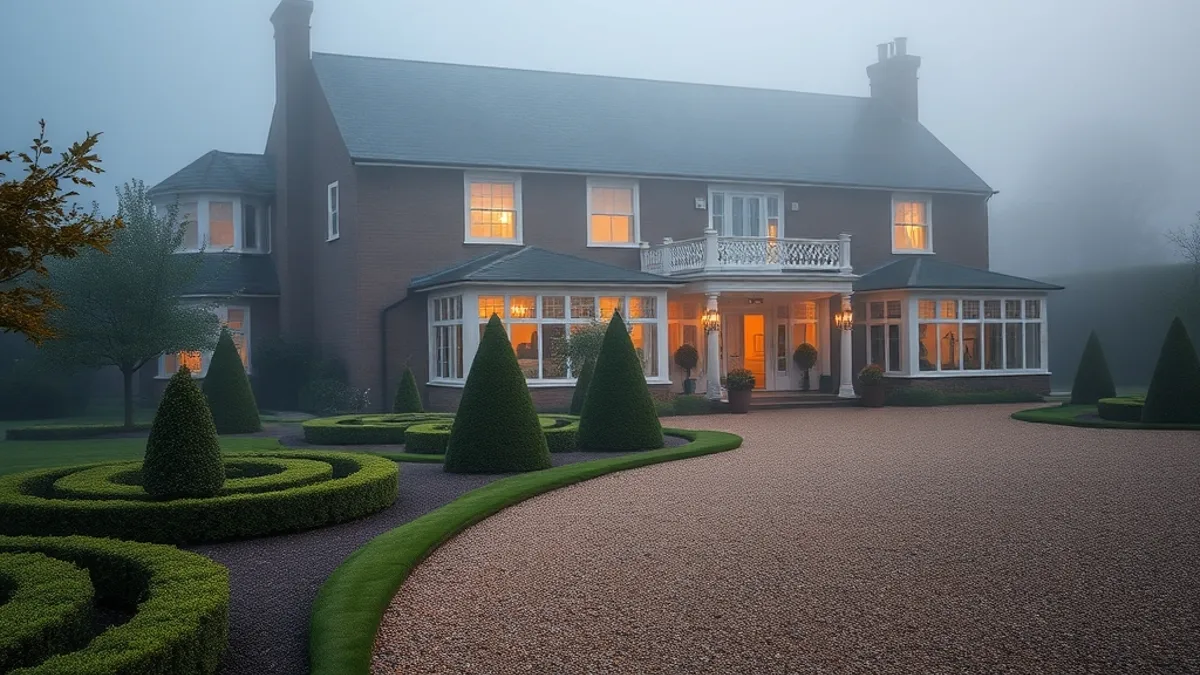
Atmosphere is where the gap widens further. Lodge interiors lean on natural materials such as exposed wood, stone and leather, with large windows or balconies framing the surrounding landscape. The view is treated as part of the room. Hotels favor polished, urban-style design: crisp linens, neutral palettes and lighting designed for function. That look works well in a city, but in the countryside it can feel like the room ignores its setting entirely. If atmosphere matters to your break, this difference alone often settles the lodge vs hotel question.
Location and Access to Nature
Location is where the countryside trade-off becomes concrete. Countryside lodges often sit 5-30 minutes’ drive from the nearest town or restaurant cluster, which means you exchange walkable convenience for scenery right outside your window. Hotels put you close to restaurants, shops and public transport, but usually some distance from trails and viewpoints, so you’ll drive out to nature rather than step into it. Before booking, check the map carefully: some properties describe themselves as “near” a park or lake while sitting well over an hour away, and that distance shapes every day of your trip. Look at what’s actually within walking distance of your room, not just what’s within driving range.
For national park trips, the lodge position has a real advantage: staying near the park gates lets you reach trailheads early, before day visitors arrive and parking lots fill up. A stay like this lodge inside Olympic National Park shows how being on-site changes the shape of your days entirely. You trade a commute for quiet mornings, and popular trails feel far less crowded simply because you arrive hours ahead of everyone else.
Dining and Included Services
One of the biggest practical differences between a lodge and a hotel comes down to food. Because lodges are often a short drive from the nearest town or restaurant cluster, many of them include breakfast in the room rate and offer a set evening dinner as well. This isn’t a limitation so much as a design choice: the lodge kitchen becomes the heart of your stay, and dinner often turns into a relaxed, communal affair with a fixed menu built around local produce.
Hotels work the opposite way. Dining is usually charged separately, but in exchange you get genuine choice. Step outside a town or city hotel and you can pick between several restaurants, a café for a late breakfast, or a takeaway on a lazy evening. If you like deciding where to eat on a whim, this flexibility is hard to beat.
Housekeeping and daily service
Service rhythms differ too. Hotels almost always offer daily housekeeping, fresh towels every morning and a front desk that can sort problems at any hour. Lodges may run housekeeping every 2-3 days or only on request, which suits longer, quieter stays but can surprise travelers expecting a hotel routine.
The practical takeaway: if you want meals and logistics handled for you in one place, a lodge’s included dining is a real advantage. If you want variety and independence, a hotel base wins.
Price and When to Book
Lodge stays tend to cost more per night than a comparable countryside hotel room, and the spread is wide. Nightly rates commonly range from $150 to $500 depending on the region, the season and how remote the property is. A simple cabin-style lodge in a quiet area can sit near the bottom of that range, while a suite with a fireplace and panoramic views in a popular national park region can sit at the very top.
Timing matters more for lodges than for hotels. Peak countryside season runs June to September, and during those months rates push toward the upper end of the range while the best rooms sell out first. Hotels, by contrast, usually have more last-minute availability, so a spontaneous weekend in town is rarely a problem.
- Book 3-6 months ahead for summer lodge stays. This window secures the best lodge availability in the June to September peak, especially for rooms with the most sought-after views or fireplaces.
- Shoulder seasons stretch your budget. Late spring and early autumn often bring rates closer to the lower end of the $150-$500 range, with thinner crowds on nearby trails.
- Midweek nights can soften the price. Many lodges price weekend nights noticeably higher than weekdays, so shifting a two-night stay to Sunday and Monday can trim the total.
Whichever way you book, check the current rates directly with the property, since countryside pricing can shift with local events and demand.
Which Suits Your Countryside Break
By now the trade-offs are clear, so the question becomes a personal one: what do you actually want from your countryside break? If the answer is firelit evenings, stepping straight onto a trail from your balcony and not thinking about where to eat, a lodge is the obvious pick. With breakfast and set dinners often included and the nearest restaurants a drive away, the all-in-one setup suits travelers who’d rather stay put and soak up the setting.
If your ideal break involves wandering out for dinner, popping into shops and keeping plans loose, a hotel fits better. Walkable dining, daily housekeeping and easy last-minute booking make hotel stays simpler for short trips or itineraries that mix town and country.
Matching the stay to the traveler
Couples and keen hikers tend to favour lodges, and it’s easy to see why: quiet evenings, direct nature access and early starts on the trail. Families who need reliable daily service, multiple dining options and the convenience of a town base may find hotels less stressful, especially with young children in tow.
Neither option is better in the abstract. A lodge rewards travelers who come for the landscape itself, while a hotel rewards those who use the countryside as a backdrop to a more social, flexible trip. Decide which of those two trips sounds more like yours, and the choice usually makes itself.
The Bottom Line on Lodge vs Hotel
So, which should you book? If your idea of a countryside break is waking up surrounded by nature, spreading out in a roomy suite and ending the day by a fire, a lodge is the stronger pick. If you’d rather have daily housekeeping, walkable restaurants and the freedom to book last minute, a classic hotel fits better.
In short, the choice comes down to what matters most: the countryside itself or the conveniences nearby. Lodges win on space, setting and atmosphere, while hotels win on services and flexibility. Just remember that lodges in the June to September peak get snapped up early, so booking 3-6 months ahead makes a real difference there. Whichever way you lean, we’d love to hear your take—leave a comment or share this article.