Choosing between Madeira and the Azores is a common dilemma for travelers planning a Portugal-adjacent escape. Both Atlantic archipelagos offer volcanic landscapes, oceanfront pools and excellent resort stays, yet they suit very different travel styles, budgets and seasons. Pick the wrong one for your dates, and you may spend a sunny resort week under gray skies or miss the whale migration entirely.
This guide compares Madeira and Azores resort stays side by side. We’ll look at climate and the best months to go, where to base yourself on each island, what each group is genuinely best for, realistic budgets, and how flights and rental cars work in practice. By the end, you should know which island matches your priorities, whether that’s reliable sunshine and polished resort towns or crater lakes, hot springs and raw nature.
Madeira and Azores Resort Stays at a Glance
Both archipelagos sit in the Atlantic off the coast of Europe, and both are reached easily via Lisbon, but that’s roughly where the similarity ends. Madeira and the Azores have developed very different personalities, and the right choice depends on what you want from your resort week.
Madeira: polished and sun-friendly
Madeira suits travelers who want their nature served with comfort. The island has polished resort towns, a famously mild and dry subtropical climate, and a network of levada walks, the flat irrigation channels that double as scenic hiking trails. Resort infrastructure here is mature: expect spa hotels, sunset terraces and easy access to restaurants and cable cars.
The Azores: nature first, weather second
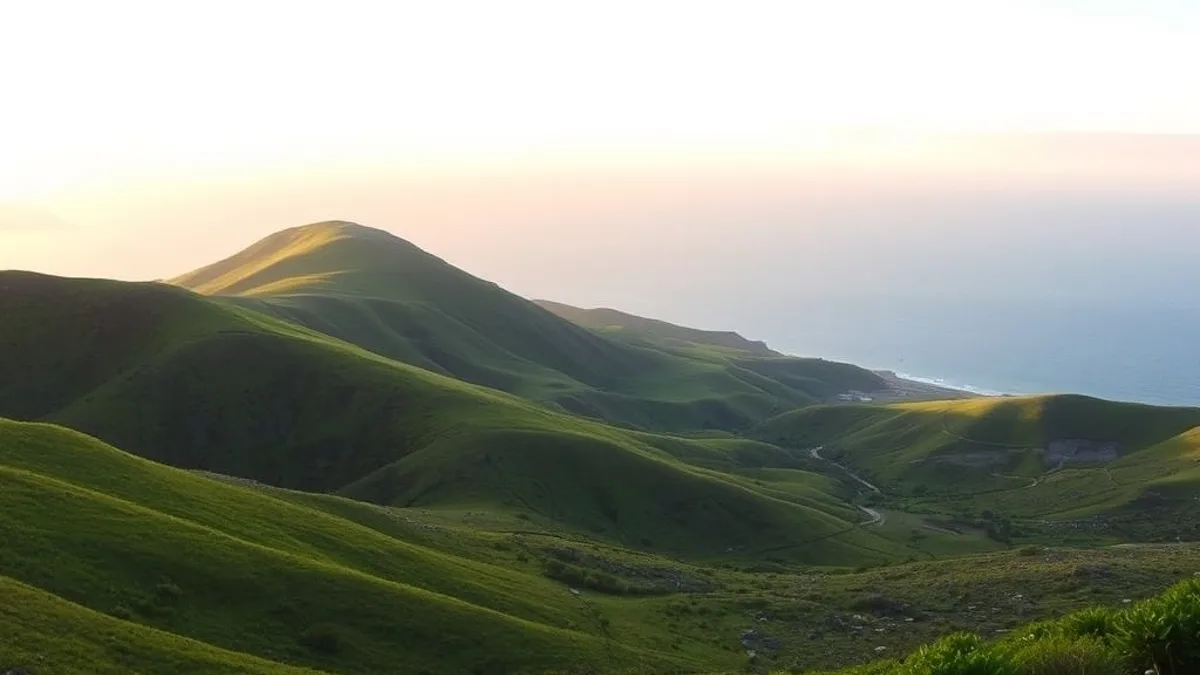
The Azores are for nature-first travelers who accept changeable weather as part of the deal. In exchange, you get emerald crater lakes, steaming hot springs, some of the world’s best whale watching and a landscape that feels wonderfully untouched. Resorts are fewer and simpler, and tourism feels far less developed than on Madeira, which many travelers see as a feature rather than a flaw.
If you’re still unsure which fits your style, the sections below break down climate, bases, activities and costs so you can match the island to your trip.
Climate and When to Go
Weather is the biggest practical difference between these two island groups, and it should shape when you book. Madeira averages 19-23°C year-round, with the south coast around Funchal noticeably drier than the greener north. That reliability is exactly why resort towns on the south coast thrive: you can plan pool days and levada walks with reasonable confidence in most months.
The Azores run 14-25°C and see rain in every month, even in midsummer. Four seasons in one day is a real phenomenon there, so pack layers and a light rain jacket regardless of when you travel. The upside of all that moisture is the scenery: crater lakes, lush hydrangea-lined roads and hot springs that simply wouldn’t exist in a drier climate.
The sweet-spot months
For the best balance of mild weather and lower rates, aim for April-May or October on either archipelago. These months fall outside the June-September peak, so resort prices soften while temperatures remain comfortable. In the Azores, these windows also align with whale watching, which peaks in April-May and again in September-October. If your priority is guaranteed beach weather, Madeira in summer is the safer bet; if you want green landscapes and fewer crowds, the shoulder seasons reward you on both island groups.
Where to Base Yourself on Each Island
Where you base yourself matters more on these islands than in most resort destinations, because roads wind, distances take longer than they look, and the best scenery often sits outside the main towns. Choosing the right coast can save you hours of driving and a meaningful amount of money.
On Madeira, the classic resort choice is Funchal’s Lido area, where most of the island’s full-service hotels cluster along a promenade with ocean pools and sunset bars. If you prefer things quieter, look to the calmer south-coast towns like Caniço, close enough to Funchal for dinners out, or Calheta further west, which has one of the island’s few sandy beaches and a sunny microclimate of its own.
In the Azores, base yourself on São Miguel, the largest island and the one with the easiest resort access. The south coast works best: Ponta Delgada gives you restaurants, tour operators and the airport, while Furnas sits in the island’s hot-spring heartland, where geothermal cooking and thermal pools are part of daily life.
- Funchal’s Lido: many hotels here sit on reclaimed ocean terraces with direct sea-water pool access, so you can swim in the Atlantic without leaving the resort.
- Calheta: its position on the southwest tip puts you closer to the levada walks of the west, cutting driving time to some of Madeira’s most photographed valleys.
- Ponta Delgada: staying here makes whale watching and swimming-with-dolphins day trips simple, since most boats leave from the marina a short walk from the center.
- Furnas: the village sits inside a volcanic caldera, so evening mist and the smell of sulfur are part of the experience, and thermal pools are often within walking distance of your room.
One trade-off applies on both archipelagos: staying outside the main town cuts prices noticeably but adds rental-car dependence on winding roads. If you’d rather walk to dinner, pay for the central base; if you’re renting a car anyway, the smaller towns offer better value and more space.
What Each Island Group Is Best For
Madeira is built for travelers who like their nature served with comfort. The island’s famous levada walks follow old irrigation channels through laurel forest, and many of the most popular trails start within easy reach of the south coast. Back in Funchal, you can ride the cable car up to the botanical gardens above the city, then wander down through hillside gardens before dinner. Resort terraces along the Lido face west, so slow evenings often end with a sunset over the Atlantic.
What the Azores do differently
The Azores trade polish for raw scenery. São Miguel alone offers crater lakes such as the twin lakes at Sete Cidades and the Furnas valley, where geothermal heat cooks stews underground and feeds natural hot springs. Whale watching is the archipelago’s signature experience, and the two main sighting windows fall in spring and early autumn, when different species pass through the islands’ deep offshore channels.
Underwater, the two destinations suit different swimmers. Divers generally find clearer, warmer water around Madeira, where the sea stays comfortable and the volcanic reefs are easily reached from shore. The Azores reward snorkelers in the summer months, when visibility improves and you can explore rocky bays and lava pools. If diving is your priority, lean Madeira; if you want to swim in warm volcanic pools between hikes, the Azores deliver.
Budgeting Your Island Resort Stay
Resort pricing on both archipelagos follows a predictable rhythm, and knowing it can save you real money. In shoulder season, a mid-range resort room typically costs €120-200 per night, and that climbs to €200-350 in summer, especially on Madeira where demand from mainland Portugal is strong. The Azores are generally 10-20% cheaper than Madeira for equivalent comfort, so a four-star stay that stretches your budget in Funchal may feel comfortably affordable near Ponta Delgada. Keep in mind that rates also shift around local holidays and school breaks, so it pays to compare a few date combinations before committing.
Timing your booking matters as much as choosing the island. For June-September stays, book 3-5 months ahead, when the best-value rooms and sea-view categories still have availability. Shoulder-season rooms often appear with much shorter notice, which makes April-May and October trips ideal for spontaneous travelers who prefer flexibility over guarantees.
- Book early for ocean-view rooms: these categories sell out first in summer, and late bookers usually end up paying peak rates for garden-view alternatives.
- Watch for half-board deals: Madeira resorts in particular often bundle breakfast and dinner, which can offset the island’s slightly higher room rates.
- Compare São Miguel against Madeira directly: the 10-20% price gap means a similar budget often buys a higher room category or a longer stay in the Azores.
- Consider shoulder-season upgrades: in April-May and October, resorts sometimes offer suite upgrades or added perks because occupancy is lower.
Getting There and Getting Around
Both island groups are easy add-ons to a mainland Portugal trip. Direct flights from Lisbon take about 1h40 to Madeira and around 2h to the Azores, so you can comfortably combine a few days in Lisbon or Porto with an island stay without losing a full day to travel. Flight frequency is good year-round, though exact schedules vary by season, so check with your operator when planning.
Moving between the islands
Hopping around the Azores takes more planning than most visitors expect. Inter-island flights are short, but they are infrequent, and schedules rarely line up neatly with international arrivals. The practical approach is to plan around one or two islands per trip rather than trying to see all nine. São Miguel and a second island is a classic combination, and it leaves room for unhurried days instead of airport waits.
Whichever archipelago you choose, rent a car. Madeira’s modern tunnels make driving fast, so you can cross the island in well under an hour and reach trailheads from a Funchal base. Azores roads are quiet and generally well maintained, but weather changes quickly, and fog or rain can slow you down even in summer. Build in extra time for drives on São Miguel, especially on the roads that climb toward the crater lakes, and check conditions before heading out on longer routes.
Which Atlantic Island Should You Choose?
So which Atlantic island should you choose? If you want dependable sunshine, polished resort towns and warmth you can count on in any month, Madeira is the safer bet. Its drier south coast and mature tourism infrastructure make it easy to build a relaxed resort holiday around levada walks and slow evenings on a sunset terrace.
The Azores are the pick if raw nature matters more than reliable weather. Crater lakes, hot springs and whale watching in April-May or September-October reward travelers who accept some rain with quieter roads and generally lower costs. Whichever pulls you, match the island to your season and priorities rather than trying to squeeze both into one short trip. If this helped you decide, leave a comment or share the article with a fellow traveler.