Glamping promises comfort in the wild, yet first-timers always forget one item that makes or breaks the night — and it’s usually something as simple as a warm layer for after sunset or a decent flashlight. A glamping trip gives you a real bed and a proper roof, but it doesn’t remove the cold, the dark, or the fact that you’re still, at heart, outdoors. Pack well and you’ll sleep like you’re at home; pack poorly and even a luxury safari tent can feel like a long night.
This practical checklist walks you through everything that matters. We start with what your site already includes — many provide bedding but not towels, so it pays to confirm before you pack. Then we cover choosing dates and booking early, clothing layers for a 20°C swing between day and night, nighttime comfort with lighting, sleep and warmth, kitchen essentials for off-grid sites, and tech and navigation for places where phone signal can vanish. A checklist at a glance ties it all together.
What Your Glamping Trip Already Includes
Here’s the mistake nearly every first-timer makes: they pack for camping. They stuff a sleeping bag, an air mattress and a camp stove into the car, then arrive at a safari tent with a real bed, made up with duvets and pillows, plus a wardrobe, a table and chairs. Most glamping accommodations, whether safari tents, domes or cabins, provide proper bedding and basic furniture as standard. Leave the sleeping bag at home and use the space in your car for things you’ll actually need.
Confirm the details before you pack
What varies from site to site is everything around the bed. Towels are the classic trap: many sites provide bedding but not towels, and some will rent them for an extra fee while others don’t offer them at all. The same goes for kitchenware, dishes and cutlery. Before you pack, check the accommodation’s listing or send a short message asking exactly what’s included. Five minutes of asking saves you drying off with a t-shirt or eating pasta out of a pot.
Cooking facilities deserve the same attention. A private kitchenette inside your unit means you can pack light. A shared campers’ kitchen usually means basics are provided but quality and availability vary, so a few key items of your own help. An outdoor-only setup, common at farm-based sites, changes things again: you may be cooking on a fire pit or a basic grill, which calls for sturdy cookware and a plan for rainy evenings. Knowing which setup awaits you determines half your packing list.
Choosing When to Go and Booking Early
Timing shapes both your budget and your packing list. In Europe, the glamping season typically runs from April to October, with July and August forming the peak: warmest weather, fullest calendars and the highest prices of the year. If you want a specific tent on a specific summer weekend, treat it like a concert ticket rather than a spontaneous getaway.
How far ahead to book
For peak-season weekends, reserve 3-6 months ahead. Popular safari tents and lakeside domes in scenic regions can sell out their summer weekends surprisingly early. In the shoulder months of May, June and September, booking 1-2 months in advance is usually enough, and you’ll often find better availability and quieter grounds. If your dates are flexible, those shoulder months deliver most of the charm with far less competition. For inspiration on a slower-paced trip outside the busiest stretch, this guide to glamping by the Masurian lakes shows what the calmer season looks like in practice.
What a night will cost you
Budget-friendly glamping tents typically run €80-150 per night, while safari tents and domes in peak season generally fall in the €150-300 range. Prices vary widely by region, size and how much the site includes, so always check what’s bundled in before comparing rates. A higher nightly price that includes towels, kitchenware and a private bathroom can work out cheaper than a bargain rate with everything charged separately. And remember, these are typical ranges rather than fixed rules; check current prices with the site itself when you book.
Clothing Layers for a 20°C Daily Swing
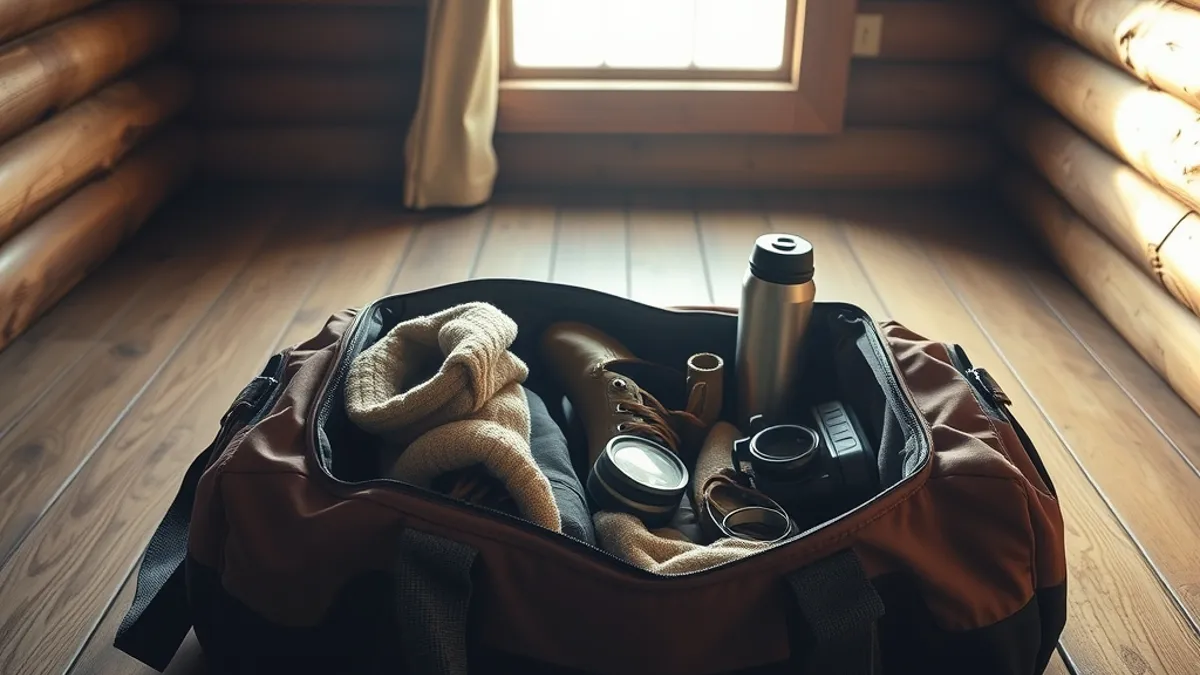
The single biggest packing mistake in glamping is dressing for the afternoon. A July day can feel like beach weather, then the temperature can drop 10-15°C once the sun goes down, and canvas walls don’t hold warmth the way a hotel room does. Plan for a swing of up to 20°C between day and night, and pack accordingly: t-shirts and light clothes for daytime, then fleece and wool mid-layers for the evening hours on the terrace.
Even in the height of summer, a waterproof shell belongs in your bag. A summer shower that would be a minor annoyance at home becomes a real problem when your evening plans revolve around sitting outside or walking across an open field to the sanitary building. Warm socks and a beanie round out the night kit; cold feet are the most common reason people sleep badly in a tent, and both weigh almost nothing in your bag.
Footwear matters more than most people expect. Sandals are fine for the sunny hours, but grass in the countryside gets soaked with dew after sunset, and a walk to the bathroom in flip-flops means cold, wet feet before bedtime. Sturdy closed shoes or light hiking boots handle dew, gravel paths and uneven ground far better. If you’re wondering how much the setting changes the experience, this review of a lakeside glamping site in Castel Volturno gives a good feel for what evenings at a waterside site are actually like.
- One spare layer in the car, not the tent: if a cold snap catches you, a dry hoodie or fleece left in the vehicle stays warm and dry, while anything stored in canvas can pick up overnight damp.
- Quick-dry underwear and socks: dewy mornings and surprise showers mean laundry rarely dries on a line fast; synthetic or merino fabrics handle repeated wear far better than cotton.
- A scarf or buff for evenings outside: sitting still on a terrace at night is when you feel the cold most, and covering your neck noticeably extends how long you stay comfortable outdoors.
- Slip-on footwear for night trips: when you stumble out at 2 a.m. toward the bathroom, shoes you can step into without hands and laces make the trip far less annoying.
Nighttime Comfort: Lighting, Sleep and Warmth
Once the sun goes down, glamping sites go dark fast. Most safari tents and domes have no electricity, or just a single dim bulb somewhere near the door. A headlamp for each person plus one shared lantern means you can read, play cards or find the bathroom without holding a phone torch in your teeth.
Warmth is the other evening challenge. Canvas looks cozy but cools quickly, and nights can feel noticeably colder than the afternoon. A hot water bottle tucked under the duvet before you get in, or a thermal flask of tea on the bedside table, makes getting up at midnight far less brutal. It is a trick I picked up after reading a review of glamping at Longlands in Combe Martin, where the hosts recommend exactly this, and it works.
Then there is the noise. Canvas walls carry sound beautifully, which is charming when it is an owl and less charming when it is the neighboring tent’s conversation at midnight.
- Choose a headlamp with a red-light mode so you can move around at night without blinding everyone in the tent.
- Bring spare batteries or a small charging cable for your headlamp, since dead batteries on night one leave you in the dark for the rest of the stay.
- Soft foam earplugs cost almost nothing and block out roosters, owls and snoring tent partners far better than stuffing tissue in your ears.
- A small rug or extra blanket beside the bed keeps bare feet off cold canvas flooring during late-night trips outside.
Kitchen and Food Essentials for Off-Grid Sites
Off-grid glamping sites often leave food logistics entirely to you. If your tent has no refrigerator, pack a cooler or a 12V fridge bag that can run from your car while you drive. Plan meals around what survives two days without proper chilling: hard cheeses, cured meats, root vegetables and eggs hold up well, while fresh milk and raw chicken do not.
Shared camp kitchens exist at many sites, but they rarely stock the basics. Expect a few battered pots and not much else, so bring your own sharp knife, a small cutting board, reusable plates and a simple coffee setup. A portable pour-over or French press weighs almost nothing and saves you from instant coffee mornings.
Water is the other thing to sort out. At farm-based glamping sites in particular, there is often no tap at the tent, so you will need to carry drinking water from a central point or bring it with you.
- Freeze water bottles at home and use them as ice packs; they keep the cooler cold and become drinking water as they thaw.
- Prep meals in advance, such as marinated vegetables or pre-cooked grains, so camp cooking takes minutes instead of an hour on a two-burner setup.
- Bring biodegradable soap and a small sponge, since shared kitchens and outdoor sinks frequently have nothing for washing up.
- Trash bags are worth packing too, as many sites ask guests to carry their own rubbish out rather than providing bins at each tent.
Tech, Navigation and Off-Grid Preparedness
Glamping often means going somewhere deliberately remote, and that usually means patchy connectivity. Some sites sit 10-20 km beyond reliable phone signal, so the maps app on your phone may be useless the moment you leave the main road. Download offline maps for the whole area before you leave home, including the final stretch of small country lanes near the site. It sounds obvious, but it is the step most travelers skip, and it is the one that saves the most frustration after a long drive.
Power is the next issue. Tents rarely have more than one outlet, if any, and it may be reserved for site lighting or shared between several guests. A fully charged power bank of 20,000 mAh covers a weekend of phone use without any outlet at all. If you are traveling with a partner or family, bring one per person rather than trying to share, since charging overnight is not always possible and outlets in shared kitchens can be busy.
Finally, think about your paperwork. Check-in instructions often arrive by email, and if you cannot open that email on a dark country lane with no signal, you may find yourself knocking on the wrong farmhouse door. A few minutes of preparation at home makes arrival far less stressful, especially when you reach the site after dark and tired from the road.
- Print or screenshot your booking confirmation, directions and check-in code, and keep a copy in the car as well as in your bag.
- Save the site’s phone number in your contacts and write it on paper too, in case you need to call from a borrowed phone or a spot with one bar of signal.
- Switch your phone to low power mode before arrival so a weak signal, which drains batteries quickly, does not leave you with a dead phone by evening.
- A small paper map of the region is a useful backup if your phone dies and offline maps are no longer accessible.
Your Glamping Trip Checklist at a Glance
Glamping promises a real bed under open skies, yet the item that makes or breaks the night is often the one left behind: a headlamp. Sites rarely light the paths after dark, and fumbling through a dark tent with a phone flashlight gets old fast.
The rest comes down to preparation. Confirm what the site provides before you pack, book 3-6 months ahead for summer weekends, and plan layers for a 20°C day-night swing. Cover lighting, warmth and sleep comfort, then sort out food, water and offline navigation if your stay is off-grid. With the checklist done, the only thing left to pack is the anticipation of waking up under canvas. Did we miss something you never leave home without? Tell us in the comments or share this article with a friend planning their first trip.