Scroll through any glamping site and every listing looks the same: a smiling couple, a string light, a wood-fired hot tub. But behind those photos sit three very different structures, and choosing wrong can mean a stuffy night in July or a shivering one in February. That is why comparing safari tents vs yurts vs domes matters more than picking the prettiest picture.
This guide breaks down the core differences between the three, how many people each comfortably sleeps, which seasons suit each structure, and what you can typically expect to pay per night. We also cover booking lead times, how to spot a quality site, and which stay type fits destinations from southern coastlines to snowy hillsides. By the end, you will know exactly which structure to book before you pick your dates.
Safari Tents vs Yurts vs Domes: The Core Differences
At first glance these three all count as glamping, but the structures themselves could not be more different. Understanding what each one actually is makes every later decision — comfort, season, price — much easier.
What each structure actually is
A safari tent is a large canvas structure stretched over a fixed frame, usually rectangular and often the size of a small apartment. Inside you will typically find real beds, solid furniture and sometimes a kitchen area, and many sit on wooden platforms with a private deck out front. This is the closest a tent gets to feeling like a cabin.
A yurt is a circular tent built on a lattice wall of wooden slats, topped with a canvas or felt cover and a domed roof with a central skylight. The design comes from Central Asian nomadic dwellings, which is why yurts feel sturdy and enclosed despite being fabric structures. Insulated versions are common in colder regions.
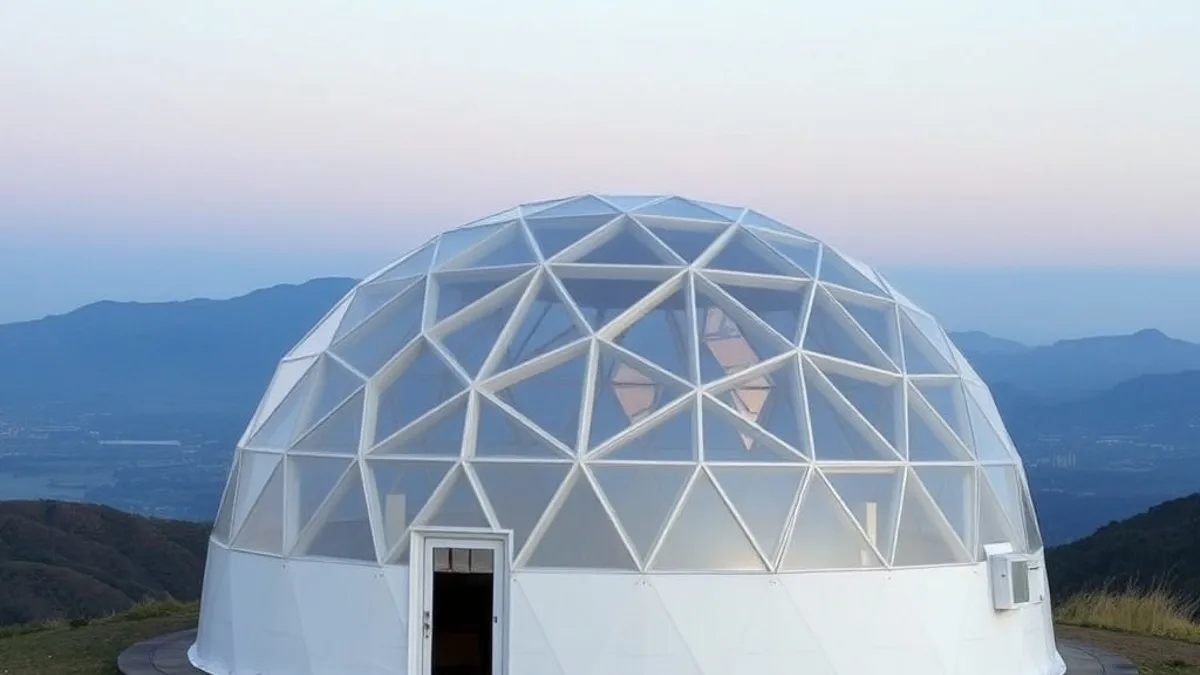
A dome is a geodesic sphere made of triangular panels, some solid and some transparent. Many domes include a clear section above the bed specifically for watching the sky, which is a large part of their appeal.
Where the real differences lie
The three differ most in shape, insulation and how close you feel to the outdoors. Safari tents are boxy, airy and open to the surroundings through mesh windows and decks. Yurts are compact and best insulated. Domes sit somewhere in between, with panoramic views but less separation between sleeping areas. Knowing these traits helps you match the structure to your group and your destination’s weather.
Comfort and Space: Which Stay Type Fits Your Group
Space is where the three stay types separate most clearly, and it is usually the deciding factor for families. Safari tents usually sleep 2–6 people and often include separate bedrooms, making them the family choice. You typically get a proper living area, multiple sleeping zones and enough storage that suitcases do not dominate the floor. If you are traveling with children, this is generally the structure that keeps everyone sane on a rainy afternoon. For a sense of how well this works in practice, see this glamping review from Castel Volturno, Italy, where safari-style tents sit beside lakes with family-friendly layouts.
Yurts and domes typically sleep 2–4 people in one open circular space. There are no walls between beds, which suits couples and small friend groups but offers little privacy if you are sharing with people you are not related to. Domes feel the most open of all — the curved space and often transparent roof make them spectacular, but the least private between sleeping spots.
Before booking, check the practical details that photos rarely show:
- Bathroom setup: en-suite bathrooms are common in safari tents, less common in yurts and domes, so you may be walking to a shared washblock at night — check the listing before assuming.
- Bed configuration: some yurts and domes use one double plus a sofa bed or fold-outs, which matters if your group expects two proper beds.
- Furniture and storage: safari tents offer the most of both; domes often have minimal shelving, so pack soft bags rather than hard suitcases.
- Cooking facilities: some units include a small kitchen or kitchenette, while others rely on a shared camp kitchen — worth confirming if you plan to self-cater.
Weather and Seasons: When Each Structure Works Best
Each structure has a season where it genuinely performs, and booking the right one for the right month makes the difference between a highlight and a hardship.
Cold months belong to yurts
Yurts are the cold-weather pick. Their felt or insulated covers are exactly what made them work for nomads on the steppe, and modern versions are used in snowy destinations roughly November–March, when canvas tents have been packed away. If you want to wake up to snow from a warm bed, a yurt is typically the structure that makes it possible — a snowy lake setting like the one described in this Masurian lake glamping guide for slow travel is a classic fit.
Shoulder seasons and summer canvas
Domes handle wind and rain well thanks to their aerodynamic shape, and they shine in shoulder seasons like May–June and September–October, when the weather is mixed but the transparent panels still deliver the views. Canvas safari tents generally operate April–October in temperate climates. They are lovely in mild weather but can get hot at midday in peak summer, so plan midday activities away from the tent and enjoy the deck in the evening instead.
The single most useful rule: match the structure to your destination’s worst month, not its best. A dome chosen for a clear June night means little if September brings driving rain and thin panels. Check typical conditions for the month you are actually traveling, then pick the structure built for them.
What Each Type Costs Per Night
Glamping prices vary more by location and season than by structure type, but there are clear patterns. Safari tents typically run €120–€350 per night in Europe, with rates climbing toward the top of that range in July–August. Larger units with private bathrooms and decks sit at the higher end, while simpler two-person tents sit closer to the bottom.
How domes and yurts compare on price
Geodesic domes cost about €150–€400 per night. Transparent stargazing domes command the top of the range, especially in dark-sky areas where the view is the main attraction. A basic solid-panel dome in a forest setting will usually cost noticeably less than a glass-roofed one perched on a hillside.
Yurts often sit slightly below domes on price, which makes them a good value if you want a circular, cozy stay without paying for panoramic panels. The exception is Arctic or winter locations: insulated yurts in snowy regions can match or exceed dome prices because of the extra materials and heating involved.
Timing your booking to save money
Whatever structure you choose, expect weekend and school-holiday surcharges of 20–40% at popular sites. Midweek stays in May–June or September–October are usually the cheapest window for domes, while safari tent bargains tend to appear in the shoulder weeks just before and after the July–August peak. If your dates are flexible, shifting a trip by even two or three days can knock a meaningful amount off the nightly rate, so it pays to compare a few date combinations before committing.
Booking Lead Times and How to Spot a Quality Site
Good glamping sites sell out early, so timing matters as much as choice of structure. Most glamping sites require booking 3–6 months ahead for summer weekends, and that lead time is especially important at lakeside or coastal locations, where demand is highest and the number of units is small. If you want a July or August Saturday, treat it like booking a hotel in peak season, not like reserving a campsite pitch.
One trap to avoid: many sites mix structures on the same property, so the beautiful safari tent in the photos may not be the yurt you actually booked. Before paying, confirm which unit type you are getting and check that the photos show that exact unit. Reviews can help too — a detailed write-up like this glamping review from Big Water, United States shows the level of unit-specific detail worth looking for before you commit.
If you are traveling outside the typical April–October canvas season, look for year-round structures such as insulated yurts or hard-panel domes. These are built for cold and wet weather, while thin summer canvas is not.
- Condensation: domes and sealed yurts trap moisture overnight, so check whether reviewers mention damp bedding or dripping panels in cooler months.
- Mold: canvas that is packed away wet or pitched in shade can develop mildew smells — a recurring complaint worth searching for in recent reviews.
- Thin canvas: budget safari tents sometimes use lightweight fabric that rusts loudly in wind and lets in early morning light; reviewers usually say so directly.
- Photo accuracy: look for reviews that name the specific unit number or type, which tells you the site delivers what the listing shows.
Matching the Stay Type to Your Destination
The best structure depends less on taste and more on where you are going. Safari tents suit warm-weather countryside and coastal campsites across southern Europe, where long dry summers keep canvas comfortable and the wide decks and shaded verandas earn their keep. Think olive groves, vineyard campsites and beachside sites in Spain, Portugal, Italy and southern France.
Cold destinations and exposed terrain
Yurts fit mountain, forest and snowy destinations where insulation matters. Their felt or insulated covers and round, wind-shedding shape were designed for harsh winters, which is why they are the natural pick for Alpine valleys, Nordic forests and other snowy spots where a plain canvas tent would be miserable.
Domes work best on exposed hillsides and dark-sky areas, where the transparent panels are the whole point. A geodesic frame shrugs off wind and rain better than flat canvas, so domes cope well on ridgelines, coastal bluffs and open moorland — anywhere the weather turns and the night sky delivers.
Decide the structure first
Here is the practical order of operations: coastal and lakeside sites book out fastest, so decide the structure before choosing dates. If a stargazing dome on a dark-sky hillside is your dream, lock in the site early and then be flexible on dates. If you pick dates first and then hunt for the structure, you will often find the best units gone and settle for whatever remains. Matching the stay type to the destination — canvas for warm countryside, yurts for cold mountains, domes for exposed viewpoints — gets you a stay that fits the landscape instead of fighting it.
The Wrap-Up: Picking Between Safari Tents, Yurts and Domes
So how do you tell these listings apart when the photos all look alike? Start with the shape and season. Safari tents win on space and family comfort, sleeping 2–6 at €120–€350 per night, while yurts are the cold-season and snowy-destination choice, roughly November–March. Domes deliver the best views and shoulder-season stays at €150–€400 per night, with stargazing domes at the top of the range.
The quickest fix for identical-looking photos is to match the structure to your dates and group size before you compare prices, then book 3–6 months ahead to secure summer weekends. If a listing fits your month, your group and your budget, the photos will matter far less. Found this comparison useful? Leave a comment or share it with a friend planning a glamping trip.