Scottish Highlands glamping is one of the best ways to experience lochs, forests and mountain scenery without giving up a warm bed at night. But there’s a catch: the Highlands are huge, and the difference between a dreamy trip and a soggy, midge-bitten one often comes down to where you go and when. Many travelers book a pod first and only later discover they’ve picked the wettest corner of the country in the buggiest month of the year.
This guide helps you get the order right. We’ll compare the main glamping areas, from easy-access Loch Ness to remote west coast peninsulas, then break down the seasons so you know when midges, rain and peak prices are likely to bite. You’ll also find advice on stay types, booking timelines, packing for cold nights, and getting around on single-track roads. By the end, you should be able to pick an area and a month with confidence, then find a site that fits both.
Why Scottish Highlands Glamping Rewards Good Planning
The Highlands aren’t one uniform climate, and that surprises a lot of first-time visitors. The west coast and islands like Skye sit in the path of Atlantic weather systems, so they take the brunt of the rain. Head inland to the Cairngorms and the odds improve noticeably; this side of the country is often drier, which matters a lot when your accommodation is a canvas yurt rather than a hotel.
Timing brings a second layer of planning. Midges, school holidays and peak prices all pile into the same July-August window. The midge season peaks between June and August, and the tiny biting insects are at their worst in still, humid weather near water, which is exactly where many glamping sites sit. Add summer school breaks and you get the busiest sites, the highest rates and the smallest choice of dates, all at once.
Why area and season come first
It’s tempting to fall in love with a specific lochside pod, book it, and only then think about the rest. That’s usually the wrong order. If you lock in a canvas stay on the west coast in late July, you’ve quietly accepted peak midges, peak prices and the wettest weather in the country, whether you meant to or not.
Choosing your area and season first solves this. Decide whether you want easy access or remote drama, drier hiking weather or long summer evenings, then look for sites that match. The same pod can be a brilliant choice in May and a frustrating one in August, so let timing lead the decision rather than follow it.
Best Areas for Scottish Highlands Glamping
The Highlands offer four main glamping zones, and each suits a different kind of trip. The right choice depends on how far you want to drive, how much rain you’ll tolerate and whether your days will revolve around hiking or simply sitting outside a pod watching the loch. Here’s how the areas compare at a glance.
- Loch Ness and the Great Glen: the practical pick. Inverness is about 30 minutes away by road, so you can arrive by train or plane, pick up supplies and still be on a lochside site before dinner. It’s also a sensible base for day trips, though the drive to Skye from here runs around 2.5-3 hours.
- Skye and the west coast: the scenery everyone photographs. Expect sea cliffs, cuillin mountains and sunsets over water, but also the wettest weather in the Highlands and sites that sell out fastest in summer.
- Cairngorms National Park: the drier side of the country, with glens, ancient pinewoods and forest-edge sites. Best if hiking is the main point of the trip rather than loch views.
- Ardnamurchan and the Morvern peninsula: remote, quiet and often overlooked. These lochside sites suit travelers who want the west coast feel without the tour-bus crowds, at the cost of longer, slower drives.
If you’re new to glamping and unsure whether it’s for you at all, a lochside pod near Loch Ness is the gentlest introduction: real beds, solid walls, and a short hop from a city with restaurants and supermarkets. It’s the same logic as testing the format close to home before committing to somewhere remote, the way a first stay at a lakeside site in Italy works as a low-risk trial run — see our Laghi Nabi glamping review from Castel Volturno for what that looks like in practice. Once you know you enjoy the format, the remoter Highland peninsulas become far more rewarding.
One honest warning about Skye and the west coast: the drama is real, but so is the rain gauge. If a weather-dependent trip would ruin your holiday, lean toward the Cairngorms instead, where drier conditions give your plans a better chance of surviving contact with reality.
Choosing Your Season: Midges, Weather and Prices
Season choice in the Highlands is really a trade-off between three things: midges, weather and money. The main season runs from May to September, but the months within it behave very differently, and knowing the pattern saves both money and discomfort.
The sweet spot: May, June and September
May, June and September offer the best overall balance. These shoulder months bring drier odds than peak summer, noticeably lower prices and fewer midges, especially in May and September when the biting season is tapering off. June sits closer to the midge peak, which runs June to August, but early June is usually still manageable. Long daylight is another bonus: in these months you get evening light late into the night, which stretches your hiking and sightseeing days considerably.
Peak summer: beautiful but crowded and bitey
July and August are the busiest and priciest months, and they overlap exactly with peak midge season. The insects thrive on calm, muggy evenings, so lochside and seaside sites suffer most when the air is still and there’s no breeze to blow them away. If you do go in peak summer, pack a head net and insect repellent as standard kit, and favor breezier, exposed sites over sheltered ones by the water. Booking is also non-negotiable: the best sites fill months ahead.
Winter: for hardy travelers only
October to April is a different kind of trip. Nights can drop near freezing, and even shoulder months need warm bedding, so this season works best in an insulated pod or a shepherd’s hut with a wood stove rather than a canvas yurt. The reward is a nearly empty Highlands: sites you’d struggle to book in August sit available, roads are quiet, and there’s real pleasure in watching rain sweep across a glen from inside a warm hut. Just check that your chosen site stays open year-round, since canvas accommodations often close for winter.
What Glamping Stay Types to Expect
Glamping in the Scottish Highlands covers a wider range of comfort levels than most travelers expect. You can sleep under canvas with a wood-burning stove beside your bed, or settle into an insulated timber pod that feels closer to a small cabin than a tent. Knowing the differences before you book matters, because the stay type also shapes which season works best for you.
Pods are the workhorses of Highlands glamping. They are insulated timber units, usually with proper beds, small heaters and enough space for two people, and they are usable year-round. Prices typically run £80-£150 per night, which makes them one of the more affordable ways to stay somewhere scenic without worrying about a storm rolling in overnight.
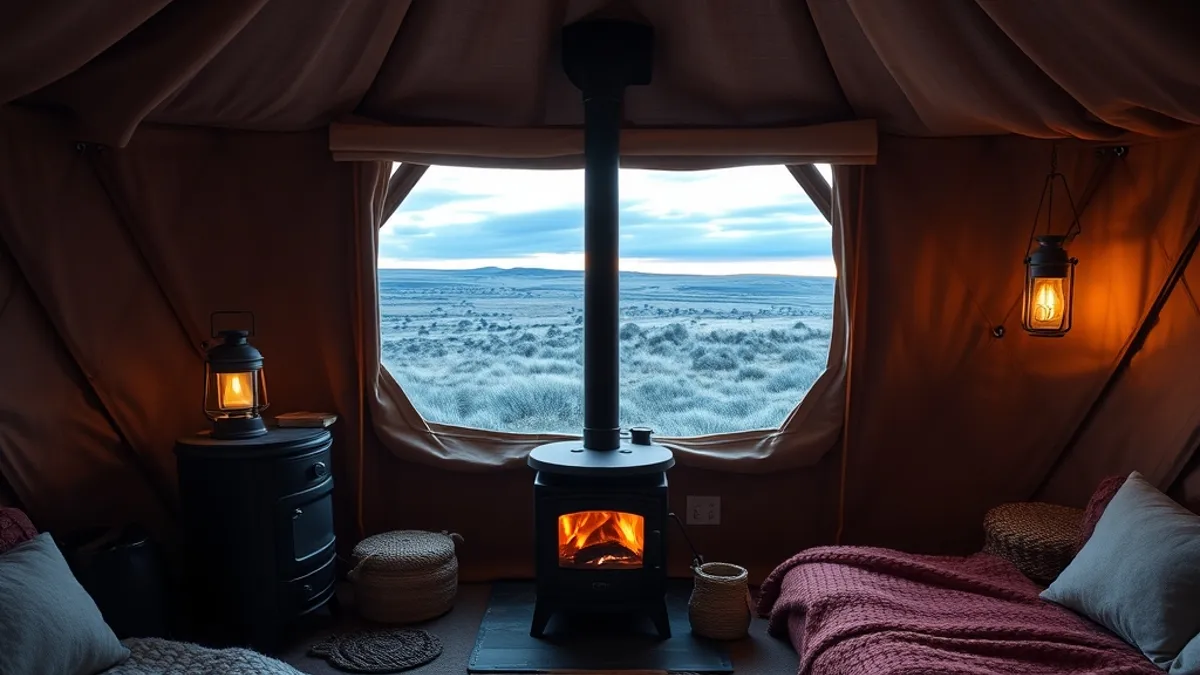
Canvas stays trade some weatherproofing for atmosphere. Yurts and bell tents feel warmer inside than their fabric walls suggest, especially once the stove or fire pit is going, but most sites only run them from May through September. Expect to pay around £100-£180 per night for two people.
Shepherd’s huts and small cabins sit at the cosier end of the scale. They often come with private bathrooms and wood stoves, and they handle cold nights better than any canvas option. Here is a quick breakdown of what each type offers:
- Pods: many have small kitchenettes or at least a kettle and microwave, and their solid walls mean rain noise stays outside, which matters on the wetter west coast.
- Yurts and bell tents: the round shape and canvas walls create a soft, warm light that photographers love, and many yurts include a central wood stove with a viewing window.
- Shepherd’s huts and cabins: because they usually have private bathrooms, they suit couples who want a remote lochside setting without shared shower blocks, and they stay comfortable during October cold snaps.
How to Spot the Best Sites and Book Ahead
The best Highlands glamping sites share a few practical traits, and you can spot most of them from a listing page before you pay any deposit. It is tempting to fall for a good photo of a pod overlooking a loch, but the details that decide whether a stay is comfortable are usually buried in the description or missing entirely. A little checking at this stage saves you from arriving to a shared cold-water shower block when you expected a private bathroom, or to an unheated canvas yurt on a night that drops close to 5°C. Work through these steps in order, and treat them as a filter: if a site fails the first two, there is little point reading further.
- Confirm the essentials in the listing: look for real beds rather than futons, some form of heating, and whether the kitchen is private or shared. In the cooler shoulder months, heating is not optional, so if a listing only mentions a fire pit, ask the owner directly before booking.
- Check photos of the bathroom situation: many pod sites have a central amenities block while huts and cabins usually have en-suite facilities. If this matters to you, verify it rather than assuming, and ask how far the block is from your unit.
- Book early for peak summer: for July and August stays, book 3-6 months ahead. Skye and Loch Ness sites sell out first, and by spring the remaining options are often the least convenient ones.
- Read recent reviews for weather-proofing: comments about damp canvas, weak heating or poor drainage tell you more than the listing description ever will. Look for reviews written in the same season you plan to travel.
- Map the distance to a real town: a site within roughly 30 minutes of Inverness, Fort William or Portree gives you somewhere to buy groceries, find a pub dinner and escape to when the rain sets in for a full day.
One extra tip: message the owner before booking if anything is unclear. A quick reply with specific answers is a good sign of how the site is run, while vague responses about heating or bathrooms are worth heeding. If you want a sense of how a well-run glamping site feels in practice, this Longlands glamping review walks through what a good setup looks like on the ground, from bedding quality to shared facilities. Use it as a checklist while you compare Highlands listings, and you will quickly see which sites take the basics seriously.
Packing and Getting Around the Highlands
Packing for Highlands glamping is about layers, not summer clothes. Even in midsummer, nights can fall near 5°C, so warm sleepwear and thick socks belong in your bag regardless of the forecast. A waterproof jacket is non-negotiable too, because showers can arrive quickly and pass just as fast. Think in thin layers you can add or shed through the day rather than one heavy coat, and bring footwear that can handle mud and wet grass around your pod or yurt.
Transport is the other big planning point. Most glamping sites sit down single-track lanes or on the edge of estates far from any bus route, and public transport outside Inverness is sparse. Renting a car gives you the freedom to reach remote lochside sites and to change plans when the weather turns. A few practical details worth knowing:
- Passing places: single-track roads use marked passing bays, so learn to pull in and let oncoming cars through, especially on Skye and the west coast peninsulas where queues form behind hesitant drivers.
- Driving time: allow noticeably more time than a map suggests on peninsula roads; a distance that looks short can take far longer at single-track speed, and you should not rush it.
- Fuel and supplies: fill up before heading onto remote peninsulas like Ardnamurchan, where petrol stations are few and far between.
- Slow-travel mindset: if the idea of fewer stops and longer stays appeals, this guide to slow-travel lake glamping shows how a relaxed base-and-explore rhythm works well in rural settings.
Finally, pack a small daypack with water, snacks and an extra layer for hikes from your site. Shops can be an hour away, and being self-sufficient for a day out makes the whole trip smoother. A paper map or offline maps on your phone also help, since signal fades fast in glens and along the coast.
Your Highlands Glamping Plan in Brief
So where does that leave you? Pick your area first, not your pod. Loch Ness is the easiest choice if you want short drives and simple logistics, Skye delivers the most drama if you can accept wetter weather and early sell-outs, and the Cairngorms suit hikers who want drier odds and forest settings.
Then pick your timing. May, June and September give you the best balance of drier weather, fewer midges and lower prices, while July and August bring peak rates and peak midges alongside the biggest crowds. If summer is your only option, book 3-6 months out, especially around Loch Ness and Skye. Finally, match the stay type to the season: insulated pods and shepherd’s huts work well in the cooler months, while canvas yurts and bell tents make more sense in the warmer ones. If this helped you plan your trip, leave a comment or share the article with a fellow traveler.