Shepherd’s hut stays sound dreamy in theory: a cozy little hut in a field, a wood-burning stove, total quiet. But when it comes to actually booking one, most people hesitate. What’s really inside? Will you have a bathroom, or a composting toilet in the rain? And how far ahead do you need to plan before every decent weekend is gone?
This guide walks you through the whole picture. We’ll cover what a shepherd’s hut stay actually involves, what you’ll typically find inside (most huts are around 12–16 square meters, with a double bed and a wood-burning stove), how cooking and bathroom arrangements usually work, and what a night will realistically cost you. We’ll also explain when to go, how to book step by step, what to pack, and whether a hut suits your style of trip. By the end, you’ll know exactly what you’re signing up for — and how to snap up the good dates before someone else does.
What Is a Shepherd’s Hut Stay?
A shepherd’s hut is exactly what the name suggests: a small, traditionally rolling hut on wheels, the kind once used by shepherds to shelter during lambing season on remote hillsides. These days, the originals have been restored or lovingly rebuilt, and many sites also commission purpose-built versions in the same style. The typical hut measures around 12–16 square meters — compact, but big enough to feel like a tiny cabin rather than a tent.
The standard setup
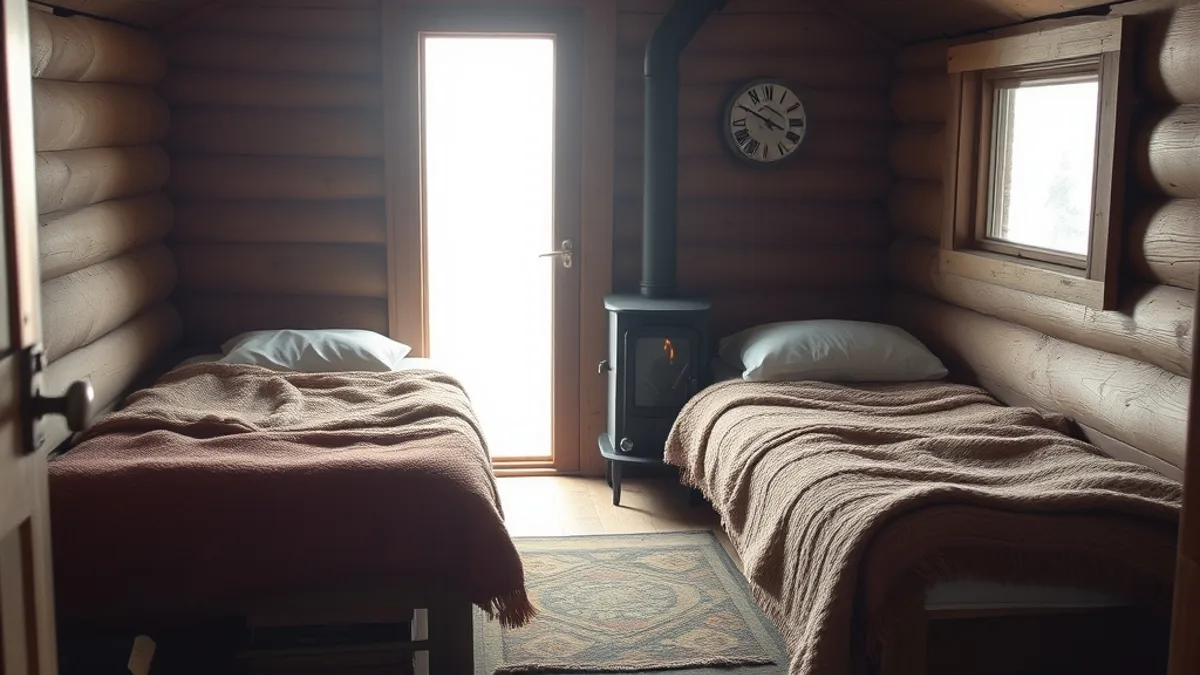
Inside, most huts follow a familiar formula. You’ll find a double bed (often on a raised platform or pull-out design to save space), a wood-burning stove at one end, a small seating area and enough storage for a weekend bag. The majority sleep 2 adults, though some add a small bed for one child. It’s a simple layout, but cleverly thought out — every inch tends to earn its keep.
The real appeal is where these huts sit. Rather than rows of pitches on a busy campsite, they’re usually positioned in a quiet meadow, an orchard or along the edge of a working farm. You get the privacy and solid walls of a small room, with a patch of countryside outside your door.
Think of it as camping without the camping part: a proper bed, warmth and a roof over your head, but with the fields, birdsong and dark skies you came for. For travelers who like the idea of the outdoors but not an air mattress, it sits neatly in between.
What’s Included Inside the Hut
One of the biggest differences between a shepherd’s hut and a tent is that you can arrive with almost nothing. Bedding is nearly always made up for you — a proper duvet, pillows and fresh sheets on the bed — and towels are usually provided too. That means no sleeping bags to air out and no lugging a cooler bag of bedding down a farm track.
Warmth is sorted as well. Most huts have either a wood-burning stove or an electric heater, and the vast majority of hosts leave a starter supply of logs so you can get a fire going on arrival. Lighting is built in, and even the most off-grid huts typically offer some way to charge a phone.
Here’s what you can generally expect to find inside:
- Bedding and towels: a made-up double bed with duvet and pillows, plus bath towels for each guest — check whether hand towels and extras like hot water bottles are included, as these vary more between sites.
- Heating: a wood-burning stove with a starter bundle of logs and kindling, or an electric heater with a thermostat; ask whether extra logs cost extra if you plan to keep the stove going all evening.
- Power and light: overhead lighting, a couple of plug or USB sockets, and solar power at more remote sites — worth knowing if you’re bringing a laptop or camera batteries.
- Hot drinks kit: a kettle (electric or stovetop) with a small supply of tea, instant coffee and usually sugar and milk portions.
The bathroom situation is the one thing that varies most, so it’s the detail to confirm before you pay. Some huts have a private en-suite shower room attached or a few steps away, while others rely on a private or shared shower block elsewhere on the site. Hosts usually state this clearly in the listing, but if it isn’t obvious, ask directly — it makes a real difference on a cold morning.
Cooking, Bathrooms and Outdoor Facilities
Cooking arrangements vary more than almost anything else between hut sites, so this is the one area where you should ask questions before paying a deposit. At the top end, some huts come with a fully equipped private kitchenette tucked inside or just outside the hut — a two-ring hob, a small fridge, sink, pots, pans and utensils. At the other end of the scale, a budget hut might offer nothing more than a fire pit and a BBQ grill, with the expectation that you cook and eat outdoors whatever the weather decides to do.
Many farm and glamping sites land in the middle with a shared campers’ kitchen: a covered communal space with hobs, a fridge and washing-up facilities that you share with a handful of other guests. It usually works fine, but bring a cool bag for milk and butter, and label your food if the fridge is busy. If you’re planning proper meals rather than BBQ nights, check whether the kitchen has an oven — many don’t.
Bathrooms: en-suite or a short walk?
Premium huts increasingly come with a private en-suite shower room, often a compact wet-room style setup with a toilet, basin and shower. On budget and more traditional sites, you’ll typically use a clean shared facilities block somewhere between 20 and 50 meters from your hut. That’s a torch-and-slippers walk at night, which is part of the charm for some travelers and a dealbreaker for others — decide which camp you’re in before you book.
Outdoor extras worth looking for
Since you’ll spend much of your stay outside, the outdoor kit matters as much as what’s inside. Look for listings that mention a private fire pit (with logs or a local supply), a picnic table, a hammock strung between trees, or a covered veranda with chairs. A veranda is especially valuable in shoulder season, letting you sit out with a coffee even when the grass is damp. Some sites also provide a BBQ or pizza oven — worth confirming, as a few charge a small fee or ask you to bring your own charcoal.
When to Go and What You’ll Pay
Shepherd’s hut stays follow a fairly predictable seasonal rhythm, which makes planning easier than with many other types of accommodation. Peak season runs roughly May to September, when the weather is warmest and the meadows around the huts are at their best. For weekend nights at well-equipped sites during this period, expect to pay £120–£250 per night, with the top end reserved for huts with en-suite bathrooms, private kitchens and standout views.
The shoulder-season sweet spot
If your dates are flexible, midweek breaks in April or October often cost 20–30% less than peak-season weekends. This is where the wood-burning stove earns its keep: even on a cool autumn evening, a hut warms up quickly and stays cozy overnight. You also get quieter surroundings, since farm sites tend to be far less busy outside the summer rush.
Before you fix on dates, check the minimum stay rules. Many hut sites require a 2-night minimum stay on weekends, which means single-night bookings are often limited to quieter midweek slots. The simplest approach is to plan a Friday–Sunday escape, or take advantage of a midweek break if you can work remotely or have flexible days off. Book well ahead for popular summer dates, as the best huts fill up months in advance.
How to Book a Shepherd’s Hut Stay: Step by Step
Booking a shepherd’s hut is straightforward, but a little preparation makes the difference between a perfect rural break and a stay full of surprises. Availability can be tight at the best sites, and facilities vary more than you might expect, so it pays to work through a few checks before you hand over a deposit. Here is how to go about it, step by step.
- Choose your region and setting. Start by picking an area you want to explore, then decide what kind of site suits you: a working farm setting with animals and open fields, a glamping site with shared facilities and other guests around, or a standalone hut with maximum privacy. Each offers a different atmosphere, so think honestly about whether you want sociable or secluded.
- Book at the right time. For summer weekends, aim to book 3–6 months ahead. For bank holidays, push that to 6–12 months ahead, since these dates sell out first at popular sites and good huts are limited in number.
- Confirm what’s included before paying the deposit. Ask specifically about bedding and towels, whether logs for the stove are provided, what kitchen access you’ll have, and whether the bathroom is en-suite or in a separate block. Sites vary widely on all of these, and listing photos don’t always tell the whole story. A quick message to the owner before booking saves awkward arrivals.
- Check the house rules. Read the cancellation policy carefully and confirm whether dogs, children or extra guests are allowed. Some farm huts welcome pets, others don’t, and most sleep only two adults, so check capacity if you’re traveling as a small family.
If you’d like to see what a well-run glamping-style hut stay actually looks like on the ground, our review of a glamping stay at Laghi Nabi in Castel Volturno, Italy gives a detailed picture of the experience from arrival to departure. Once you’ve done your checks, pay the deposit, save the arrival instructions and the owner’s contact number on your phone, and you’re set for a proper countryside escape.
Packing and Practical Tips for Your Hut Stay
A shepherd’s hut gives you a real bed and heating, but it’s still a rural, low-tech break, and packing with that in mind makes the stay far more comfortable. Huts are compact — typically 12–16 square meters — so space inside is limited, and the paths between the hut, the car park and the facilities block are often unlit grass or gravel tracks. A few thoughtful items in your bag will save you stumbling around in the dark or shivering through the first hour while the stove gets going.
Food is the other big consideration. If your hut has only a limited kitchenette or access to a shared campers’ kitchen, bring your own basics rather than assuming the site shop will have everything. And if logs aren’t included in your rate, pack firelighters so you can get the stove lit without a struggle on a damp evening.
- Slippers or warm socks: many hut floors are wooden or stone and get cold overnight, especially in shoulder season, and outdoor shoes coming inside on a muddy farm track is nobody’s idea of cozy.
- Torches or headlamps: one per person, plus a spare — rural sites rarely have path lighting, and a phone torch dies quickly when you need it most.
- An extra layer: even in summer, evenings in open meadows can turn chilly once the sun drops, so bring a fleece or jumper you can throw on for sitting outside.
- Offline maps and downloaded entertainment: expect no Wi-Fi or weak mobile signal at many farm sites, so save maps, playlists, podcasts and films to your devices before you leave home.
- A cool bag and food basics: milk, coffee, bread and a couple of easy meals cover you if the nearest shop is a drive away and the kitchen is minimal.
Finally, keep your packing light and soft-sided. A duffel bag is far easier to store in a small hut than a hard suitcase, and you’ll appreciate the extra floor space by day two.
Is a Shepherd’s Hut Stay Right for You?
A shepherd’s hut stay blends hotel comfort with a quiet countryside setting: a real bed, heating and towels, all wrapped up in a compact hut on a farm or meadow. Most sleep 2 adults, and bedding, a stove and a kettle come as standard, so you get far more than a tent without losing that off-grid feeling.
The practical side is just as simple. Weekend nights typically run £120–£250, but midweek shoulder-season dates often cost 20–30% less and stay just as cozy. Book 3–6 months ahead for summer weekends, confirm exactly what’s included before paying a deposit, and pack for a rural, low-tech break — warm socks, a torch and downloaded maps. If that mix of simplicity and comfort sounds like your kind of escape, it probably is. Have you stayed in a hut yet? Leave a comment or share this article with someone who’d love one.