The Seychelles spreads across 115 islands, but most travelers end up weighing the same three names: Mahé, Praslin and La Digue. Each has a distinct character, and the island you choose as your base shapes your whole trip — from how much you’ll pay per night to whether you’ll hear traffic at all. Sorting through Seychelles resorts by island is the smartest way to plan, because the “best” resort means something different on each island.
This guide breaks down what each of the three main islands actually offers. We’ll compare how they differ, look at resort options on Mahé, Praslin and La Digue, cover the best season and booking timing, and finish with a simple way to choose your base — including how to split your nights if you’d rather not pick just one island.
How the Three Main Islands Differ
The three main islands of the Seychelles are close enough to combine in one trip, yet they feel remarkably different once you arrive. Understanding those differences is the first step to choosing where to stay.
Mahé: the busy hub
Mahé is the largest and busiest island, stretching about 27 km from end to end. It’s home to the capital, Victoria, and the international airport, which means nearly every visitor passes through it. That traffic comes with a payoff: the widest choice of resorts, restaurants, shops and services anywhere in the country. If you want options — from casual Creole eateries to fine dining — Mahé delivers.
Praslin and La Digue: the quieter pair
Praslin, about 45 km northeast of Mahé, is noticeably calmer. It’s known for the UNESCO-listed Vallée de Mai palm forest and for Anse Lazio, one of the most photographed beaches in the Indian Ocean. Life moves at a gentler pace, and the resort scene is smaller but focused on beach and nature lovers.
La Digue is the smallest and slowest-paced of the three. Most cars are banned, so bicycles set the rhythm of daily life. The island’s calling card is Anse Source d’Argent, where granite boulders meet shallow turquoise water in a scene you’ve likely seen on a hundred magazine covers. Here, accommodation leans small and personal rather than large and polished.
Seychelles Resorts by Island: What to Expect on Mahé
Mahé is where most Seychelles trips begin and end, since the international airport sits on this island, the largest in the archipelago at about 27 km long. That makes it the best base for short trips: you can land, check in within the hour and use Mahé as a springboard for day trips to nearby islands without ever repacking your bags. It also means less time spent on transfers at the start and finish of your holiday, which matters when you only have a week or so.
Resorts cluster in two main zones. The first is Beau Vallon bay in the northwest, a long curving beach with the island’s most concentrated strip of hotels, restaurants and water-sports operators. The second is the quieter southern coast around Intendance and Anse Takamaka, where resorts sit in more secluded, green settings and the pace slows considerably. Between the two, you’ll find smaller guesthouses and villas scattered along the northern and eastern coasts, which can suit travelers who want a local feel rather than a full resort experience.
Prices on Mahé span the widest range of any island, from mid-range beach hotels around €250 per night to flagship luxury resorts above €1,000 per night. A few things to weigh when comparing:
- Beau Vallon convenience: staying here puts bars, dive shops and eateries within walking distance, ideal if you don’t want to rely on taxis every evening.
- Southern seclusion: resorts near Intendance and Anse Takamaka trade walkable dining for privacy, larger grounds and dramatic coastal scenery.
- Transfer time: southern-coast resorts typically mean a longer drive from the airport than Beau Vallon, so factor this into late arrivals.
- Seasonal pricing: the same room can move noticeably between low and high season, so compare rates for your exact travel dates rather than brochure prices.
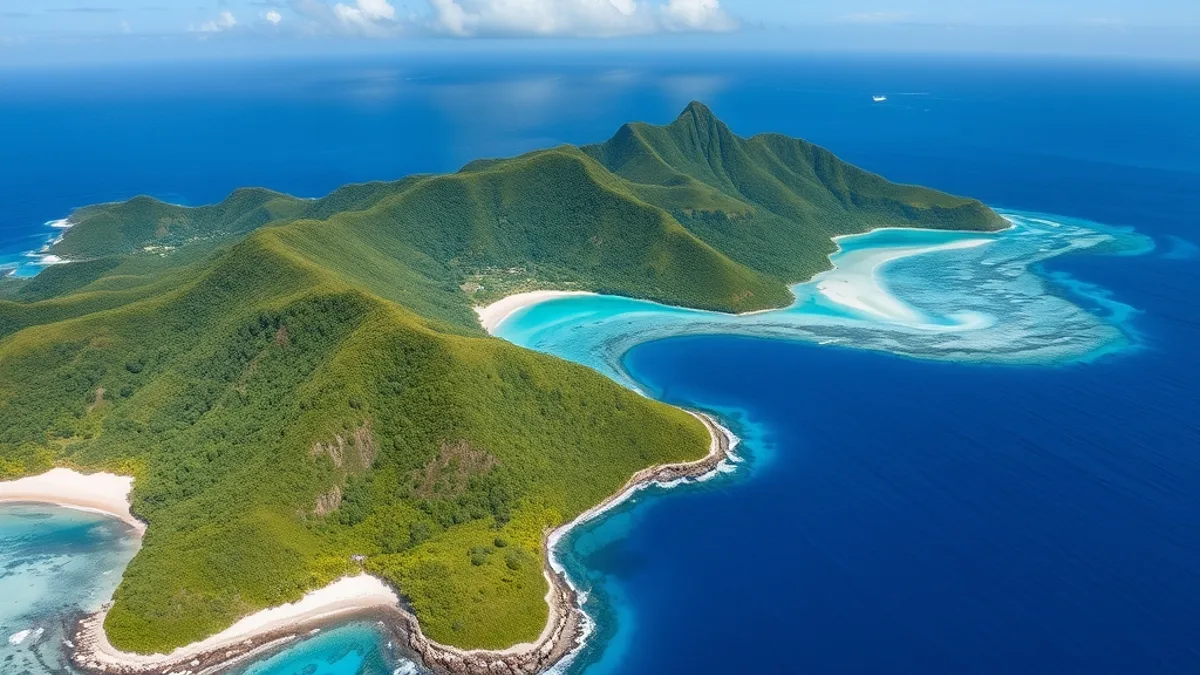
Praslin: Resorts for Beach and Nature Lovers
Praslin is the island for travelers who plan their days around beaches and nature. Resorts concentrate near Anse Volbert on the northeast coast, where the water is calm and shallow, and around the quieter southwest beaches, where you trade amenities for seclusion and scenery.
Why Praslin works for nature lovers
The big advantage is direct access. The famous palm forest of the Vallée de Mai and the celebrated Anse Lazio beach are both on Praslin itself, so you can visit early in the morning or late in the afternoon without committing to a long day trip from another island. Staying here means you can catch the forest at its quietest and have Anse Lazio nearly to yourself outside peak hours.
Getting there and planning transfers
Praslin lies about 45 km northeast of Mahé, and you have two ways in: a flight of roughly 15 minutes or a ferry crossing of about 1 hour. Flights are quicker but have luggage limits and fill up in high season, while ferries can be bumpy when seas are rough. Either way, plan your arrival transfers carefully — book the crossing or flight to match your international landing time, and confirm how your resort will meet you at the Praslin end. If you arrive on a late flight into Mahé, consider whether an overnight there before crossing makes for a smoother start.
La Digue: Small-Island Stays and Getting Around
Accommodation on La Digue feels refreshingly different from the big-island resorts. Rather than sprawling complexes, you’ll find small guesthouses, family-run lodges and a handful of boutique properties, many of them just a short pedal from the beach. If you’re after a large resort with multiple restaurants and a spa, Mahé or Praslin will suit you better.
Getting around is part of the charm. Most cars are banned on La Digue, so bicycles are the main form of transport. Resorts and guesthouses typically arrange bicycle hire for arriving guests, and the island is compact enough to cycle from one end to the other in under an hour. Ox carts still operate in places, and walking is often the fastest way to reach the more secluded beaches.
Reaching La Digue
There’s no airport on the island, so access is by ferry from Praslin, a crossing of roughly 15-30 minutes. Most travelers connect through Praslin after arriving on Mahé. Because of the extra transfers involved, La Digue works best as a two- or three-night add-on to a longer Seychelles trip rather than a base for the whole stay. That said, many visitors leave wishing they’d booked longer, so check current ferry schedules and plan your return carefully before you commit.
Best Season and Booking Timing
Seychelles sits close to the equator, so it’s warm year-round, but the seasons do shape your experience in ways that matter for a resort stay. From May to September, the weather is drier and slightly cooler, with stronger trade winds blowing across the islands. These winds can stir up the sea on exposed coasts, so if swimming from your resort’s beach is a priority, it helps to know which shore is sheltered before you book. From October to April, conditions turn warmer and calmer, and the sea is generally at its best for swimming, snorkeling and glass-bottom boat trips right off the sand.
Timing your booking matters as much as choosing the season. Demand and rates peak during the December-January holiday period and again in July-August, when European school holidays overlap with good weather. For those windows, booking 3-6 months ahead is strongly advised, both to secure the resort you want and to avoid the highest prices. Keep in mind that airfare and room rates move independently, so a deal on one doesn’t guarantee a deal on the other.
- December-January: the festive season draws the biggest crowds of the year, and beachfront rooms at popular resorts sell out first, so early booking is essential.
- July-August: trade winds are at their strongest, which suits windsurfers and sailors but can bring seaweed to some beaches on exposed coasts.
- April, May, October and November: these shoulder months often combine calm seas and pleasant temperatures with noticeably lower rates than the peak periods.
- Last-minute trips: outside the peak windows, availability is usually easier, but flight prices can still climb, so compare flight-and-room packages before booking separately.
Check current weather patterns and rates close to your travel dates, as conditions and prices can shift from year to year. A quick message to your shortlisted resorts asking about sea conditions during your dates often gets you a franker answer than any brochure.
How to Choose Your Base
Choosing between Mahé, Praslin and La Digue comes down to what kind of trip you want. Pick Mahé for convenience, nightlife and the widest resort choice, with everything from mid-range beach hotels to flagship luxury properties. Pick Praslin if beaches and nature are your priority, with easy access to Anse Lazio and the Vallée de Mai. Pick La Digue for a slow, car-free escape where bicycles replace taxis and days revolve around granite-boulder beaches.
A classic three-island itinerary
A common approach is 3-4 nights on Mahé, 3 nights on Praslin and 2 nights on La Digue, linked by the inter-island ferries. This gives you the airport and city conveniences of Mahé, the beach-and-nature heart of Praslin, and a taste of La Digue’s relaxed pace, all without feeling rushed. Check ferry timetables before locking in your dates, as crossing times vary.
Match the resort to the coast
Within each island, the coast you choose shapes your stay. Sheltered northwest beaches, such as those around Beau Vallon on Mahé, suit swimmers and families who want calm water. Exposed southern and southwestern coasts offer more dramatic scenery and seclusion, but the sea can be rougher, so they’re better for travelers who value views and quiet over swimming. Think about how you’ll spend your days, then pick the shoreline that matches.
Wrapping Up Your Island Choice
Choosing between Mahé, Praslin and La Digue comes down to what kind of trip you want. Mahé offers convenience and the widest variety, Praslin pairs beautiful beaches with easy access to nature, and La Digue delivers a relaxed, car-free pace you won’t find anywhere else. Timing matters as much as location: the stretch from October to April is generally calmest, and for peak season travel it pays to book 3-6 months ahead.
If you can’t decide, don’t. Splitting your nights across two or three islands gives you the fullest picture of what Seychelles resorts can offer, from big beachfront properties to small boutique lodges. Whichever base you choose, you’ll be trading one strength for another, so weigh convenience, beaches and pace against each other before you book. If this guide helped you plan your trip, leave a comment below or share it with a fellow traveler.