Finding a Greek island villa that puts you close to the beaches where loggerhead turtles nest is a tricky brief. You want to be near Laganas Bay for dawn beach walks and evening hatchling watches, but you also want space, a pool and a decent price — and the best weeks sell out fast while the wrong weeks can mean missing the season entirely.
This guide sorts out the timing from the location. We look at why Zakynthos villas work so well for turtle season, when to book so nesting and hatching overlap with warm swims, and which parts of the island suit different priorities. You’ll also find practical advice on choosing a villa that stays comfortable in the summer heat, what booking windows and nightly rates to expect, and how to behave on the nesting beaches so the Marine Park’s rules are respected. A short planning checklist pulls it together at the end.
Why Zakynthos Villas Work for Turtle Season
Laganas Bay is the heart of the island’s loggerhead nesting grounds, protected as part of the National Marine Park since 1999. The beaches here come alive at dawn and dusk, which is exactly when female turtles come ashore to nest and when hatchlings make their scramble to the sea. A villa within walking distance of these beaches means you can catch those moments without organizing a special trip — you simply set an alarm, walk over in the low light, and see what the night has left behind.
Villas also match the island’s daily rhythm better than a hotel ever could. Turtle season encourages a particular pattern: an early beach walk before the heat builds, a long shaded afternoon by your own pool, and a self-catered dinner eaten on the terrace after an evening turtle outing. Hotels lock you into set mealtimes; a villa lets the day bend around the wildlife and the sun instead.
Space without losing access
Staying just outside the main resort strip gives you the best of both arrangements. You get quieter roads, larger plots and room for a family or group to spread out, while the Marine Park beaches remain a short drive away. Zakynthos town and the airport sit on the east coast, and the Laganas Bay beaches are typically only around 15-25 minutes by car, so even a villa that feels tucked away keeps you within easy reach of both the turtles and your flight home.
When to Go: Turtle Season Meets Summer Sun
Nesting on Zakynthos runs from late May through August, and that window shapes everything about your trip. The turtles don’t adjust their schedule for crowds or prices, so the smartest planning decision you can make is choosing which overlap you want: fresh nests with fewer people, or hatching season with peak-season energy.
June: fresh nests, calmer seas
June is arguably the sweet spot. Nests laid in late May and early June are fresh and clearly marked, the sea has warmed enough for comfortable swimming, and the summer crowds haven’t fully arrived. Seas around the island tend to be calmer earlier in the summer too, which makes boat days and beach mornings more pleasant.
July, August and late September
July and August deliver the full show — nesting continues while the first hatchlings start to emerge, since hatching runs from July into October. The trade-off is real, though: these are the busiest weeks on the island, with peak crowds on the beaches and the highest villa rates of the year. If you want the hatching spectacle and don’t mind sharing it, this is your window.
Late September is the sleeper choice. Hatchings continue in the quieter bays, the crowds have thinned considerably, and the sea holds its summer warmth long enough for proper swimming. You lose some of the buzz, but you gain peaceful beaches and a more relaxed pace — and the turtle season is still delivering.
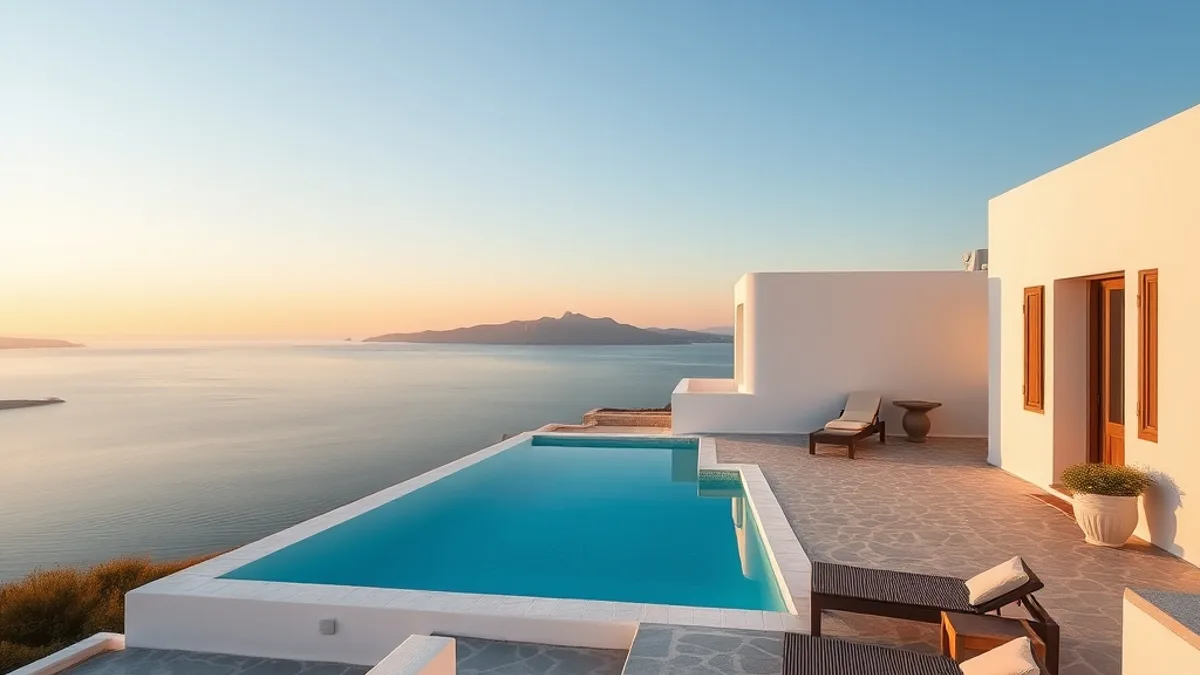
Best Areas to Base Your Villa
Where you base your villa shapes your whole trip more than any other booking decision. The nesting beaches, the family-friendly east coast and the dramatic west each pull in a different direction, so it helps to decide your priority before you start searching.
Kalamaki and Laganas are the obvious picks for turtle-focused travelers, putting you minutes from the main nesting beaches. One thing to know before you book: beachfront lighting rules keep these resorts deliberately low-key after dark, so expect a quieter, dimmer evening scene than you’d find in a typical party resort. That restraint is exactly what protects the hatchlings, and most villa guests come to appreciate it.
The east coast works better for families who want more conventional beach holiday infrastructure alongside their turtle plans. Tsilivi and Alykanas offer sandy shallows and a good spread of tavernas, with Laganas Bay reachable in roughly a 25-35 minute drive — close enough for turtle boat trips without living on top of the nesting beaches.
- Kalamaki and Laganas: the beachfront here sits inside the Marine Park zone, so beach bars and lights are kept minimal — ideal if your evenings will revolve around turtle walks rather than nightlife.
- Tsilivi and Alykanas: these resorts have the island’s most family-oriented beach setups, with gently shelving sandy shallows that suit young swimmers, plus enough tavernas that you rarely need to drive out for dinner.
- West coast around Agios Nikolaos: you trade turtle access for the island’s most dramatic scenery — steep cliffs and sunset viewpoints — which suits scenery-first travelers who plan one or two dedicated trips to Laganas Bay rather than daily visits.
How to Spot the Best Villas
Zakynthos villas sell themselves on outdoor living, but in July and August that only works if the outdoor space is actually usable. Afternoon highs regularly reach 30-33°C, and an uncovered terrace in full sun becomes a no-go zone from late morning until early evening. Shade is the feature to hunt for first.
Start with the essentials: air-conditioned bedrooms for sleeping and a shaded terrace or pergola for daytime hours. Then look closer at how the villa is oriented, because a pool that bakes all afternoon is far less fun than one you can actually swim in at 4pm. A few details worth checking with the owner or agent before you book:
- Ask whether the pool and main terrace face west, which keeps them shaded through the hottest midday hours and gives you sunset views as a bonus
- Confirm the bedrooms have individual air-conditioning units rather than a shared system, so everyone can set their own temperature at night
- Look for a covered outdoor dining area, since self-catered dinners eaten inside on a warm evening waste the whole point of a villa
- Check photos for mature trees, awnings or retractable canopies, not just a parasol that offers shade to one sun lounger
Finally, match the location to your plans. If turtle boat trips and dawn walks on the nest beaches are the reason you chose the island, pick a villa within a 15-25 minute drive of Laganas Bay rather than a dramatic but distant base on the west coast.
Booking Windows and What Villas Cost
Villa availability on Zakynthos follows a simple rule: the closer to August, the earlier you book. For July and August weeks, reserve 4-6 months ahead, especially if you want a larger villa with a private pool. Shoulder-season weeks are far more forgiving, and 2-3 months’ lead time is usually enough for late May, early June or late September stays.
Prices swing just as widely. In peak season, expect roughly €150 to €500+ per night depending on size, pool and proximity to the coast. The same villas in late May, early June and late September typically cost 20-40% less, which is why value-focused travelers build their trips around those weeks.
The sweet spot: early June
The first half of June is the island’s best-kept booking secret. Nesting is in full swing on Laganas Bay, the sea is warm but the crowds have not arrived, and rates still sit at shoulder levels. Book that window and you can often secure the biggest villas and the best pools for a fraction of the August price, with the turtle season as your free entertainment.
If your travel calendar is flexible, the same logic applies to winter escapes elsewhere in Europe, and our guide to Canary villas for winter sun shows how shoulder-season timing pays off on other islands too.
Turtle Etiquette and Responsible Stays
Laganas Bay has sat inside the National Marine Park’s protected zone since 1999, and the rules that come with that status are what keep the loggerhead season healthy year after year. On nesting beaches, stay on marked paths at all times and never touch nests or hatchlings, however tempting a close-up photo might be. The nests are legally protected, and even well-meaning interference can destroy a clutch.
Boat trips are the easiest way to see turtles in the water, and operators in Laganas and Agios Sostis run trips typically lasting 1-3 hours. Choose one that keeps a respectful distance from the animals rather than chasing them, and ask before booking how they handle encounters. A good operator will brief you on board; a bad one will promise you can touch a turtle.
Light matters more than most visitors realize. Hatchlings emerge at night and navigate toward the brighter horizon of the sea, so artificial light from villas and streets pulls them inland, where they die of exhaustion or predation. If your villa sits near a nesting beach, small habits make a real difference:
- Draw curtains and close blinds after dark so interior light does not spill toward the beach
- Keep outdoor terrace and pool lights off or switched to low settings once you have finished your evening outside
- Use a red-filtered torch or your phone’s red-light mode if you walk to the beach at dusk, since turtles are far less sensitive to red wavelengths
- Never photograph hatchlings with a flash, which can disorient them mid-crossing
Follow these habits and you get a better experience too: darker beaches mean more visible stars, quieter evenings and the genuine thrill of watching a hatchling make it to the water on its own terms.
Planning Your Zakynthos Villa Trip
The takeaway is simple: pick your month first, then your base. June puts you on Laganas Bay while the nests are fresh and prices sit closer to shoulder rates, August delivers hatching plus the full summer buzz, and late September gives you warm water and quiet bays once the crowds thin.
Then match the villa to the priority. Kalamaki and Laganas suit travelers who want nesting beaches minutes away, the east coast works for families, and the west coast rewards those chasing cliffs and sunsets. Book early for peak summer, follow the turtle etiquette on the sand, and Zakynthos gives you wildlife and sunshine in one trip. If this helped you plan, leave a comment or share the article.