You found a fishing lodge that looks perfect, and then the questions started piling up. Which month actually has good fishing? What should you pack? Do you need to buy a rod? If planning a first lodge trip feels overwhelming, you are not alone—most first-timers have no idea which season, gear or questions really matter, and the internet rarely makes it simpler.
This guide to fishing lodges for beginners breaks the planning process into manageable pieces. We cover why a lodge beats going it alone, how to choose the right season for your first trip, the small amount of gear you actually need to pack, and how far in advance to book. We also walk through what a beginner trip really costs and give you a practical list of questions to ask before you put down a deposit. By the end, you will know exactly how to plan a first trip that is simple, comfortable and built around catching fish rather than guessing.
Why Fishing Lodges for Beginners Beat Going It Alone
The two things that stop most people from fishing are the same two things a good lodge solves on day one. First, gear: rods, reels, lines and flies or lures add up fast, and buying the wrong setup as a beginner is an easy way to waste money. Second, knowledge: even with perfect equipment, you still need to know where fish hold, what they are feeding on and how to present it. A guide handles both, often handing you loaner gear that is already matched to the water.
Lodges also bundle the logistics that would otherwise eat your trip. Instead of renting a car, finding boat launches, booking a rental cabin and figuring out where public access starts, you get lodging, meals and guided water access arranged in one package. Your energy goes into fishing, not planning.
Easy water beats hard water
Perhaps the biggest beginner advantage is that lodge staff know their home waters. Tell them you are new, and they will typically put you on stocked lakes or slow, forgiving rivers where fish are willing and casts are simple—rather than the technical, spring-creek-style stretches that can frustrate even experienced anglers. That kind of matching makes the difference between a discouraging first day and a genuinely fun one.
Choosing the Right Season for Your First Trip
For most first-timers, the easiest window is June through early September. That is when most North American lodges run full service, days are long, and the weather is at its most forgiving. You are far less likely to lose fishing days to cold rain, and everything from boat rides to evenings on the deck is simply more pleasant when you are learning the ropes.
Saving money in the shoulder season
If your schedule is flexible and your budget is tight, look at May or late September. Shoulder-season trips often cost 20-30% less than peak summer rates at the same lodge, which can be the difference between affording the trip or not. The tradeoff is cooler water and cooler air, so you will want proper layers and should expect that fishing can be more weather-dependent. Many anglers find the quieter water and empty boat ramps are worth it.
Match the month to the species
Timing is not just about weather—it is about fish. Trout, bass and pike all have different windows when they feed hardest, and those windows shift by region. Before you lock in dates, ask the lodge directly which species peak during your target month and what a realistic day looks like for a beginner. A lodge that specializes in trout in July may be a very different experience in October, so get that answer in writing before you book.
What Gear You Actually Need to Pack
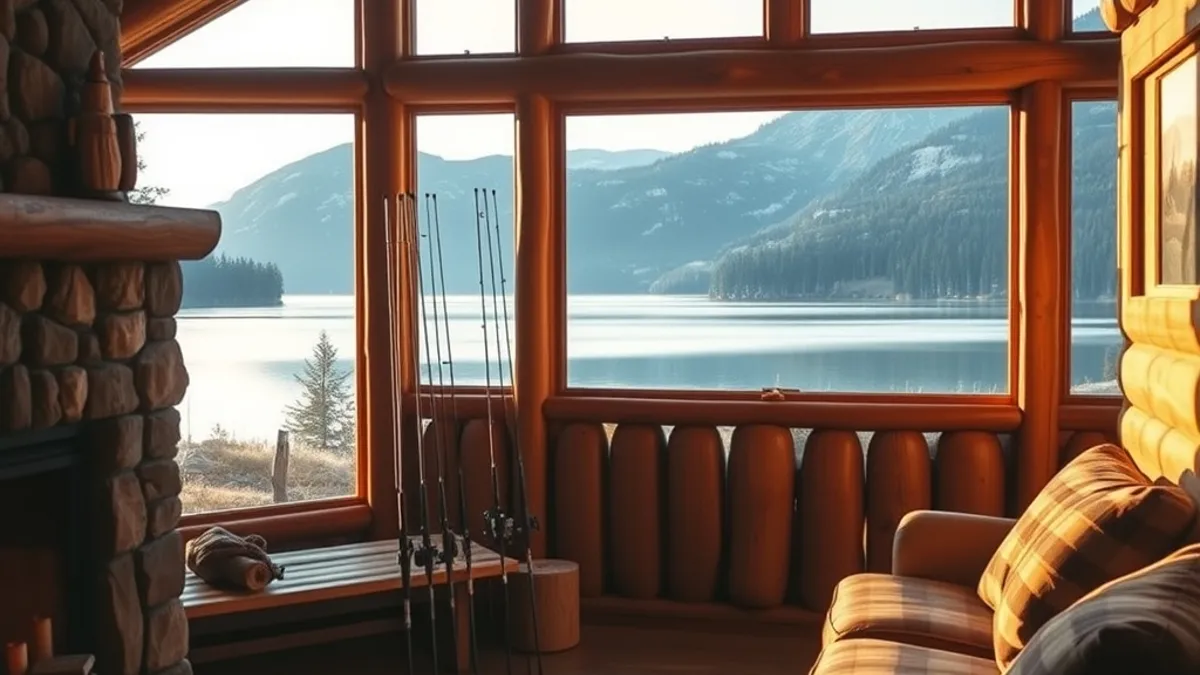
Here is the good news: you probably need far less gear than you think. Most lodges provide rods, reels and tackle for guests, so before you buy a single rod or fill a tackle box, confirm exactly what your lodge supplies. Many first-timers show up with nothing but clothing and personal items and fish comfortably for their entire stay. Spending hours researching rod weights and line sizes before your first trip is usually wasted effort.
What you cannot borrow from the lodge is what goes on your body, and that is where your gear budget should go. This matters most on shoulder-season trips in May or late September, when water and air temperatures drop. Waders and quality rain gear are the two most important personal items you can bring—far more important than any rod you may not even use. Cold, wet anglers cut their days short; dry, warm ones keep fishing.
A short, practical packing list
- Polarized sunglasses: These cut glare on the water so you can actually see fish, structure and your own cast. They also protect your eyes from stray hooks, which makes them a safety item as much as a fishing one.
- A brimmed hat: Long days on open water mean real sun exposure, and a hat shields your face and neck. It also pairs with your sunglasses to improve visibility on bright days.
- Layered clothing: Mornings on a lake can be cold while afternoons warm up fast, so bring fleece or synthetic mid-layers you can add and shed. Avoid cotton, which stays wet and chills you.
Skip the full tackle box, the fly-tying kit and the second rod. Rent or borrow those until you know what kind of fishing you actually enjoy.
Booking Lead Times and Trip Length
Popular fishing lodges fill up fast, and the best guides and boats are usually the first things to go. If you have your heart set on a specific lodge or a specific week in peak season, waiting until spring to book often means settling for whatever dates are left. A little planning makes your first trip far less stressful, and it usually gets you a better room, a better guide and water that actually fishes well during your stay.
- Reserve summer dates 6-12 months ahead. This is especially important at lodges with a limited number of boats or guides, where a full booking calendar can close out an entire month before you even start looking. If you missed that window, call anyway and ask about cancellations, since plans change and single nights or midweek openings do come up.
- Plan a 3-4 night first stay. That is long enough to settle in, learn from your guide and fish more than one day, but short enough that you are not committed to a full week before you know whether the sport is for you.
- Ask about deposits and rescheduling windows. Weather can move fishing days around, so find out before you pay how flexible the lodge is about shifting dates or applying your deposit to a different week.
One more tip: once you have booked, put a reminder on your calendar a few weeks before arrival to confirm your dates, your guide and any gear you asked the lodge to hold for you. Ask at the same time about arrival logistics, such as check-in timing and how to reach the property. A quick email at that point catches most problems while there is still time to fix them.
Budgeting: What a Beginner Trip Really Costs
Guided beginner packages at fishing lodges typically run around $300-600 per day, and that rate often includes tackle and boat time. That number is your baseline, but what it actually covers varies a lot from lodge to lodge, which is where beginners get surprised.
Where shoulder season saves you money
If your schedule allows it, shifting your trip to May or late September can bring real savings at the very same lodge on the very same waters. The catch is that early and late season means chillier mornings on the water, so you will want proper layers and good rain gear. For many first-timers, the lower rate easily justifies packing a fleece jacket.
Compare packages, not just prices
Before you compare two lodges on price alone, ask exactly what each rate includes. Meals, fishing licenses and gear rental are bundled at some lodges and billed separately at others, and those extras can change your real total significantly. A rate that looks higher at first may actually be cheaper once everything is added up, since a fully inclusive package leaves fewer surprise charges at the end of the week.
Get a written breakdown of what is included, what costs extra and roughly what those extras add up to. Ask specifically about boat fuel, flies or lures, license fees and guide gratuities, since these are the items most commonly tacked on afterward. When you know the full picture, the number you budget is the number you actually pay, and you can compare lodges fairly instead of guessing.
Questions to Ask Before You Reserve
The phone call or email before you reserve is where a good beginner trip gets made. Lodge staff answer these questions every day, and a first-timer who asks them comes across as prepared, not demanding. The answers also tell you whether a lodge is genuinely set up for beginners or just willing to take your booking. Treat the conversation as a two-way interview: you are checking them out as much as they are checking you in, and the way they respond to basic questions says a lot about how they treat guests once you arrive.
- What species are running during my dates, and what is a realistic catch expectation for a first-timer? A good lodge will name the species peaking that month and give you an honest picture, rather than promising trophy fish to someone who has never held a rod. If the answer is vague or oversold, take that as a warning sign.
- Is a guide included, what is the guide-to-guest ratio, and how much casting instruction do they provide? One guide per two guests is a very different experience from one guide per six, and some lodges build in casting lessons while others expect you to arrive already able to fish. Ask whether the guide stays with your group all day or drops you off.
- Which gear is provided versus rented, and are licenses handled by the lodge or bought by guests? Loaner fishing equipment is standard at most lodges, but rental fees, license arrangements and who arranges them vary, so get the details in writing before you travel. Ask about boat availability too, since shared boats can cut into your time on the water.
Ask these three questions at every lodge you are considering and compare the answers side by side. The differences will tell you more than any photo gallery, and they will surface the extra costs before they show up on your final bill. Write down each answer as you get it, because details blur after the third call, and a simple comparison sheet makes the right choice obvious.
Your First Fishing Lodge Trip, Simplified
Planning a first fishing lodge trip feels overwhelming until you break it into three simple decisions. Pick a June-to-September window for the most forgiving weather and full lodge service, book popular lodges 6-12 months ahead for summer dates, and plan a 3-4 night stay that gives you time to learn without overcommitting.
Then let the lodge do the heavy lifting. Rely on their rods, reels and guides instead of buying gear you may never use again, and pack mainly waders, rain gear and layers. Before you reserve, ask about species, guiding and what is bundled, so the typical $300-600 per day budget holds no surprises. If you have booked a first lodge trip yourself, share how it went in the comments or pass this along to someone planning theirs.