Planning a stay in the Canadian Rockies sounds simple until you open a map and realize the three most popular lodge areas are hours apart. Banff, Lake Louise and Jasper each offer mountain scenery, but they attract different travelers in different seasons, and picking the wrong base can mean long drives, thin dining options or rates that eat your whole budget. Many readers struggle to tell which of the Canadian Rockies lodge areas actually fits their trip style, whether that’s walkable restaurants, sunrise at a famous lake or dark skies far from crowds.
This guide breaks the decision down area by area. We’ll compare how Banff, Lake Louise and Jasper differ, look at what it’s like to stay in each one, cover the best times to go and how far ahead to book, and finish with a simple way to match an area to your budget, car situation and itinerary. By the end, you should know exactly which base makes sense for your trip.
Canadian Rockies Lodge Areas: How Banff, Jasper and Lake Louise Differ
The three main lodge areas in the Canadian Rockies serve very different kinds of trips, and the distances between them are bigger than most first-time visitors expect. Banff townsite is the largest base of the three, with the widest choice of lodges, restaurants and services available year-round. If you want options, from simple timber properties to full resorts, this is where you’ll find them.
Lake Louise is a small village 57 km from Banff, roughly a 40-minute drive, built around the lake itself and the ski hill above it. There are far fewer places to stay here, and the village is more of a base for the outdoors than a town to wander around in the evening.
Jasper sits 232 km north of Lake Louise along the Icefields Parkway and offers a quieter, more remote park experience. It has its own trailheads, lakes and wildlife, and a noticeably smaller town footprint than Banff.
Why the area matters more than the property
Because drive times between the three are significant, choosing an area first matters more than choosing a specific lodge. A beautiful room in the wrong base can leave you spending hours in the car instead of on the trail, so settle on your area before you fall in love with a property.
Staying in Banff: The Busy All-Round Base
Banff is the best fit for travelers who want walkable restaurants, shops and nightlife alongside mountain scenery. You can spend the morning on a trail and the evening hopping between restaurants and bars without touching the car, which no other area in the Canadian Rockies can offer to the same degree.
The town itself works without a car. But you’ll need a vehicle or a tour to reach Lake Louise and most trailheads, so factor that into your plan if you’re relying on shuttles or guided trips.
What you’ll pay and where you’ll stay
Expect the highest summer rates in the region here, roughly CAD 300-600+ per night in peak weeks. The accommodation spread in Banff is wider than in Lake Louise or Jasper, covering everything from modest rooms above cafes to grand hotels with spas and multiple restaurants, so price varies more here than in the other two areas. If you like the feel of a classic national park lodge, it’s worth reading reviews of comparable properties elsewhere, such as this Signal Mountain Lodge review from Grand Teton, to get a sense of what a mid-range timber lodge delivers for the money.
The upside of that range is flexibility. Travelers who want a full-service resort will find it here, while those happy with a basic room can still stay in town and walk to dinner. Just remember that peak-week rates climb fast, and the most popular properties fill early, so book well ahead for summer stays.
Staying at Lake Louise: Lakeside Scenery with Trade-offs
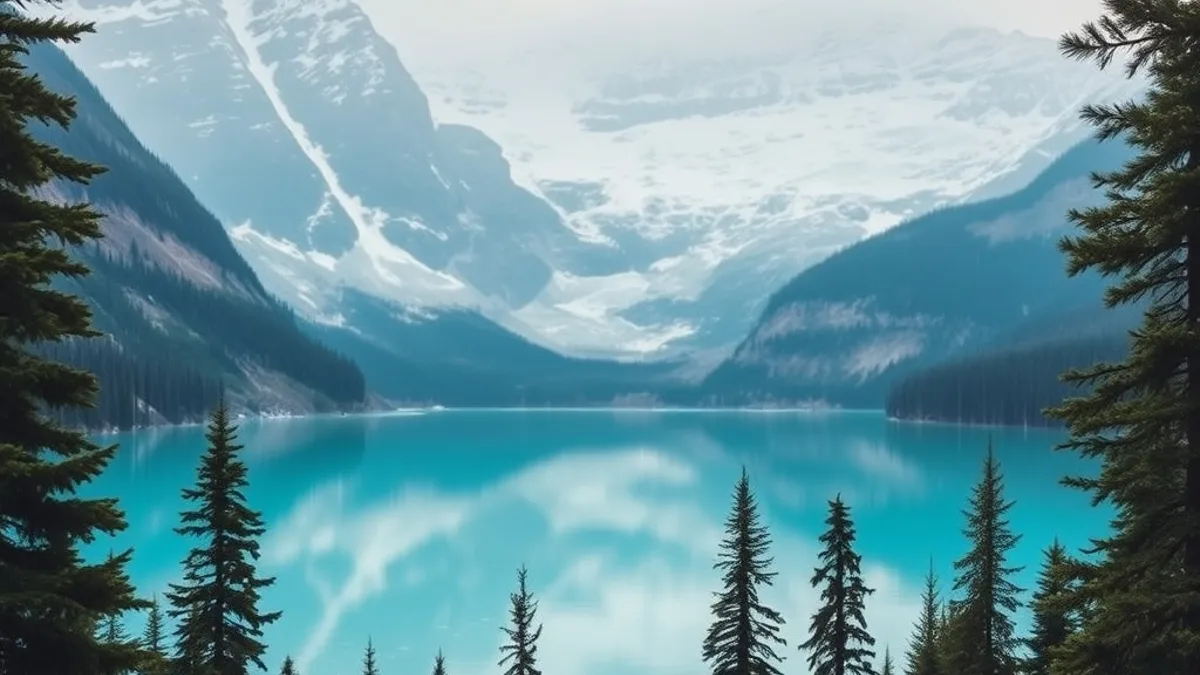
Lake Louise is the closest base to the lake itself and to Moraine Lake, which makes it ideal for sunrise and early-morning visits. Getting to the lakeshore before the crowds arrive is far easier when you’re sleeping 15 minutes away instead of driving in from Banff at dawn.
The village is small and split between the lakeshore and the highway cluster, so check which side a lodge sits on before booking. A lakeshore property puts you steps from the water; a highway property puts you closer to services and the road but requires a drive or shuttle to the lake.
Trade-offs to weigh
Dining and services are limited compared with Banff, and summer rates match or exceed Banff’s, which surprises many travelers. You’re paying a premium for location, not for choice. If you’re the kind of traveler who values scenery over amenities, it helps to read reviews of similar scenery-first lodges, like this Crater Lake Lodge review, to calibrate expectations about what a remote lakeside property offers.
Winter changes the equation. Stays between December and March suit skiers, with the ski hill a short shuttle from the village, and the atmosphere is quieter than in summer.
Staying in Jasper: Quiet Nights and the Icefields Parkway
Jasper attracts a different kind of traveler than Banff. If your priorities are dark night skies, spotting wildlife along the roadside at dusk, and waking up to mountain silence rather than tour buses, this is the area that fits. The townsite is far smaller than Banff, and the lodge selection is noticeably limited, but that is part of the appeal for many visitors.
One thing to understand before you book: Jasper is not a day trip destination from the Lake Louise area. The drive along the Icefields Parkway covers 232 km and takes 3-4 hours in good conditions, without counting stops at glaciers, waterfalls and viewpoints along the way. Treat the parkway itself as a full-day journey and plan Jasper as its own overnight stop, ideally for two or three nights, rather than an out-and-back run.
Lodges, Rates and Getting Around
Summer rates in Jasper tend to run somewhat lower than Banff’s, often in the range of CAD 250-500 per night, though the selection of properties is smaller, so early booking still matters. The townsite itself is compact, which means restaurants and shops are close to most lodges. Beyond town, many lodges sit within a short drive of Jasper’s own trailheads and Maligne Lake, so you can fill several days of hiking and sightseeing without ever repeating the long drive south. Check current rates and availability directly with properties, as prices shift with demand.
When to Go and How Far Ahead to Book
Timing shapes both your experience and your budget in the Canadian Rockies. Peak season runs from late June to early September, when every road, trail and lodge facility is open and the weather is at its most reliable. Days are long, the alpine meadows are at their best, and wildlife is active, which is exactly why so many travelers aim for these weeks. It is also when rates peak and availability disappears fastest, so your booking window matters as much as your choice of area.
For summer travel, plan to reserve lodges 6-9 months in advance. Lake Louise properties sell out first, sometimes well before Banff or Jasper options, because the number of rooms near the lake is so small. Winter is more forgiving: the ski season runs from December to March, booking 3-4 months ahead is usually enough, and rates run lower than summer. Shoulder months reward flexible travelers, with late May and late September often bringing rates of roughly CAD 150-300 and noticeably thinner crowds on trails and roads. If your dates are flexible even by a week or two, shifting the trip into these edges of the season can be the single easiest way to save money without sacrificing the mountain experience.
- Watch for lodge minimum stays in summer. Some popular properties require two- or three-night bookings during peak weeks, which affects how flexible a split itinerary can be.
- Shoulder season can mean reduced services. In late May or late September, some smaller lodges, restaurants and shuttle operations run limited hours or close for the season, so confirm what will be open.
- Winter bookings hinge on ski plans. If you want to ski at Lake Louise, staying near the hill beats commuting from Banff on powder mornings, and midweek winter nights are typically the cheapest of the year.
- Check cancellation policies before committing early. Booking 6-9 months out only pays off if you can adjust or cancel if your plans change, so read the terms carefully.
Matching an Area to Your Trip: Budget, Car and Itinerary
The right base depends less on any single lodge and more on how long you are staying, whether you have a car, and how much driving you genuinely enjoy. If your trip is 3-4 nights and you plan to keep drives under an hour, one base is usually enough. If you want to see both Banff and Jasper properly, plan on two bases, because the distance between them is too great to cover comfortably from either end.
Split stays such as Banff plus Jasper work especially well, since they let you break the 3-4 hour Icefields Parkway drive into a relaxed day with stops at viewpoints and trailheads, instead of rushing it as a there-and-back mission. Budget travelers should also think strategically: Jasper delivers better value in summer, and Banff in shoulder season often undercuts Lake Louise, where summer rates match or exceed Banff’s despite limited dining options.
- No car? Anchor yourself in Banff townsite. It is the only one of the three areas where restaurants, shops and services are truly walkable, and tours or shuttles run from town to Lake Louise for day trips.
- Mix your seasons, not just your towns. A trip combining a Banff shoulder-season start with a peak-season Jasper finish can stretch a midrange budget across two areas without sacrificing scenery.
- Count your driving hours honestly. If a day’s plan involves more than two hours behind the wheel, it usually means you have chosen the wrong base for that activity, and the day will feel rushed no matter how beautiful the stops.
- Match lodge choice to your longest planned day. Book the area closest to the one hike, lake or viewpoint you care about most, and let the rest of the itinerary adapt around it.
Wrapping Up Your Canadian Rockies Base Choice
So which area should you pick? Banff works as the all-round base with the broadest range of places to stay and eat, Lake Louise suits travelers who prioritize early mornings at the lake and winter skiing, and Jasper rewards those seeking quiet nights, dark skies and wildlife. Because Banff and Lake Louise sit 57 km apart and Jasper lies another 232 km north, most itineraries make sense with one or two bases rather than an ambitious loop.
Timing shapes the rest of the decision. Summer lodges in peak season typically run CAD 300-600+ per night and fill early, so reserving 6-9 months ahead secures the best options. In the end, matching the area to your season, budget and transport plan matters more than any single property. If this helped you plan your trip, leave a comment or share the article.