Choosing between Tuscan villas can feel overwhelming because the region offers three genuinely different settings: rolling wine country, the sandy coast, and historic towns. Pick the wrong one and your whole trip shifts — a family dreaming of lazy beach days will struggle from a hilltop farmhouse an hour from the sea, while travelers hoping to walk to dinner will find rural isolation frustrating. The villa itself matters, but the setting around it shapes every day of your stay.
This guide breaks down all three options so you can match the location to the trip you actually want. We compare hill country villas in Chianti and Val d’Orcia, coastal options along the Maremma and Etruscan Riviera, and town bases near Florence, Siena and Lucca — including realistic driving distances between them. We also cover when to book, what weekly rates typically run in high season, how Saturday-to-Saturday rentals work in July and August, and a practical checklist for comparing villas before you commit.
Why the Setting of Tuscan Villas Matters More Than the Villa Itself
Most travelers start their search by comparing photos: which villa has the prettiest pool, the best views, the most charming loggia. That’s understandable, but in Tuscany the setting around the property usually shapes your days more than the property itself. Two villas with identical amenities can deliver completely different holidays depending on where they sit.
The trade-offs nobody mentions in the listing
A hill villa gives you space, silence and those postcard views, but it also means daily drives on winding country roads just to reach a restaurant or a supermarket. A town base flips that equation: you can walk to dinner, linger over wine without worrying about driving, but you’ll usually give up pool privacy and the sense of having the countryside to yourself.
Coastal villas make a different trade again. You exchange Renaissance scenery for beach access and sea breezes, which can be a blessing in the height of summer. None of these options is better in the abstract; they simply suit different trips.
Start with your trip style
Before you compare a single property, decide what kind of holiday you’re after. Sightseeing-focused travelers who want art and architecture on foot should lean toward towns. Slow rural stays built around wine, markets and long lunches belong in the hills. Beach weeks belong on the coast. Match the setting to your trip style first, and the villa search becomes far easier.
Hill Country Villas: Chianti, Val d’Orcia and Wine Country
Hill country is the Tuscany most people picture: cypress lines, stone farmhouses, vineyards rolling to the horizon. It’s also the setting that rewards some geographic homework, because “the hills” cover a lot of ground with very different characters.
Chianti: the day-tripper’s hill country
Chianti, the wine region between Florence and Siena, is the most practical hill choice for travelers who want countryside without giving up city visits. Both Florence and Siena sit roughly 60-90 km apart, and from a Chianti base you’re typically 30-60 minutes from each, making day trips genuinely easy rather than an ordeal. You get wine estates, olive groves and small villages on your doorstep, with two of Italy’s great art cities within an easy drive.
Val d’Orcia, south of Siena, suits slower stays. The landscapes here are the ones you’ve seen on calendars, and the area is known for its hot springs towns and noticeably fewer crowds than Chianti. Both hill areas sit within 30-90 minutes of Siena, but Val d’Orcia feels more remote, which is either the point or the problem depending on your plans.
What the villas are like, and the road reality
Expect stone farmhouses with pools as the typical hill-country product, and note that many rent Saturday-to-Saturday in July and August, which locks you into fixed weeks. One planning challenge deserves emphasis: winding, unlit country roads make evening driving slow and wine tasting awkward if someone has to drive back. Plan a designated driver, book tastings early, or choose restaurants close to your villa for dinner nights.
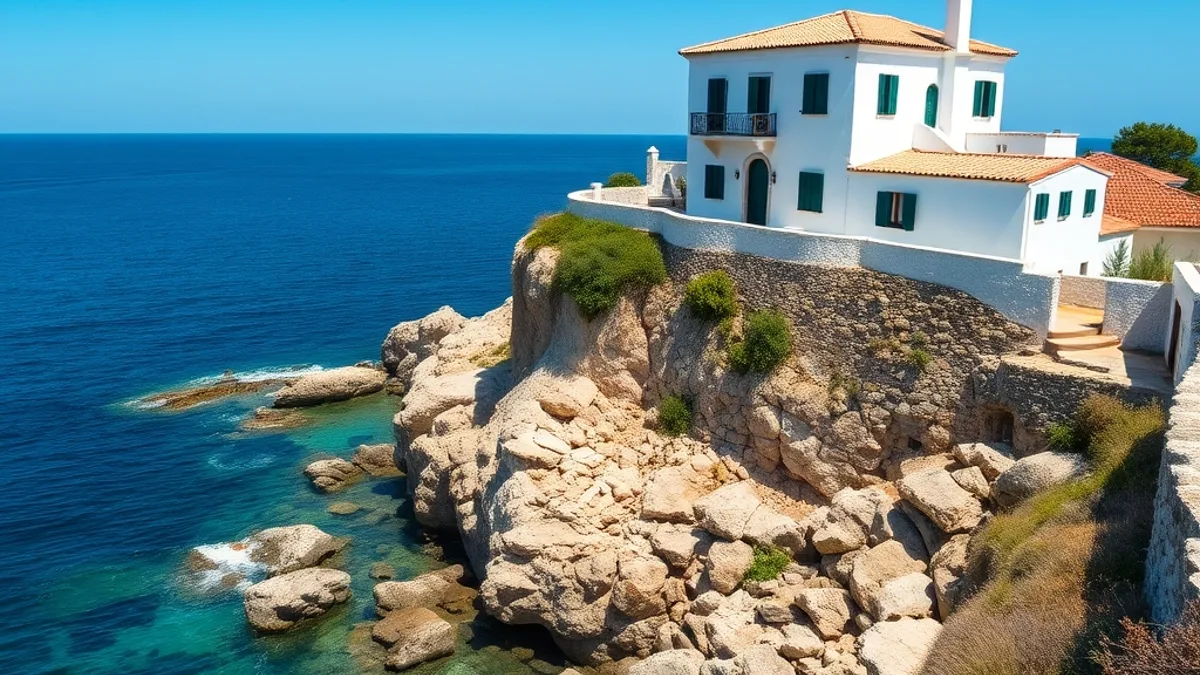
Coastal Tuscan Villas: Maremma and the Etruscan Riviera
The Tuscan coast is the setting many travelers never seriously consider, and that’s a mistake if your ideal week involves more sand than sightseeing. The coast, covering the Etruscan Riviera in the north and Maremma in the south, lies roughly 100-150 km from Florence, so plan 2-2.5 hours of driving each way if you want city day trips. That distance means the coast works best as a destination in itself, not as a launchpad for museum mornings.
Maremma versus the Etruscan Riviera
The two coastal stretches have distinct personalities. Maremma, in the south, offers wilder, less developed coastline: pine forests, long empty beaches and hill towns set back from the shore. It suits travelers who want nature and space rather than promenades. The northern Etruscan Riviera is more built-up, with more services, more development and a busier feel. If you want restaurants and amenities within walking distance, the north may fit; if you want the coast to feel like an escape, look south.
Why the coast wins in peak summer
Here’s a practical point that matters more than any listing photo: sea breezes make coastal villas noticeably more comfortable in July and August heat. Inland hill villas can bake in peak summer, while a property near the shore catches cooling winds that keep evenings pleasant. If your trip falls in the hottest weeks, that breeze alone can justify the coastal choice.
Be honest about your priorities before booking. Coastal villas are best for trips where beach days outweigh museum days. If you can’t imagine a week without at least one visit to Florence or Siena, the 2-2.5 hour drives will wear you down. If you can, the coast delivers a version of Tuscany that most villa brochures leave out entirely.
Villas In and Around Tuscan Towns: Florence, Siena and Lucca
If the idea of stepping out your door and walking to dinner appeals to you, a villa on the edge of a Tuscan town is hard to beat. These properties trade the long gravel driveways and sweeping estates of the countryside for something more practical: restaurants, gelato shops and evening passeggiatas all within a few minutes on foot. The trade-off is real, though. Town-edge villas usually sit on smaller plots of land, and neighbors are often close enough that pool time feels less private than it would at a remote farmhouse.
Which town suits your trip?
Florence is the obvious pick for art-focused travelers. Staying near the city means you can split your days between the Uffizi and a quiet garden, then retreat to your own space instead of a hotel corridor. Siena and Lucca suit travelers who want a calmer base with medieval walls, manageable size and a strong sense of daily local life. Both make it easy to wander out for dinner without touching the car.
There’s a budget angle here too. Villas on the outskirts of towns often cost less than remote estate properties in the same season, simply because they lack the acreage and isolation that command premium rates. If your priority is location over grounds, that difference can fund several extra nights or a few very good dinners. Travelers weighing city convenience against villa comfort may also find it useful to read about villas built around urban comfort, since the same logic applies in other European cities.
When to Book Tuscan Villas and What You’ll Pay
Timing your booking matters as much as picking the right villa. High season in Tuscany runs from June through September, and the most desirable properties — those with big pools, views and proper air conditioning — are often spoken for long before spring arrives. For those weeks, plan to reserve 6 to 12 months ahead. Shoulder-season trips give you more breathing room: three to six months is usually enough.
On price, expect a wide range. A whole villa in peak season typically runs from €2,500 to €10,000+ per week depending on size, location and amenities, with rates dropping noticeably in May and October. That spread means it pays to compare several properties rather than fixating on the first one with good photos.
- May stays are often the easiest to book. Demand is lower, so you can frequently find quality villas without the year-long lead time peak weeks demand.
- September combines warm swimming weather with thinner crowds. The sea and pools are still pleasant, and day-trip towns feel far less packed than in August.
- Minimum stay requirements relax outside July and August. The strict Saturday-to-Saturday rule that governs most peak-season rentals is far easier to work around in May, June and September.
- Shoulder-season savings can be substantial. The same villa that commands top rates in August often costs meaningfully less in late May or early October.
If your dates are flexible, aim for May, June or September. Those months offer the best overall mix of reliable weather, genuine availability and shorter minimum stays — a combination July rarely matches.
How to Compare Tuscan Villas Before You Commit
Villa photos flatter. Wide angles make courtyards look grand and distances look short, so it pays to verify the practical details before you commit a deposit. The three questions that matter most are where the villa actually is, what the property includes, and how you physically get to it.
Start with drive times. A listing might say “20 minutes from Siena,” but that could mean straight-line distance or a fast highway stretch. Plot the real route on a mapping tool and time it to your must-see towns. In hill country, a distance that looks small on the map can turn into a slow, winding drive, so build day trips around realistic timings rather than the owner’s best-case estimate.
- Pool opening dates. Some pools open only from late spring; if you travel outside peak summer, confirm in writing that the pool will be filled and usable during your dates.
- Air conditioning. Not every Tuscan villa has it, and older stone farmhouses may offer it in only some bedrooms — a detail that matters enormously in August.
- Whether the owner lives on site. Some guests love having a resident host for recommendations and problems; others want total privacy. The listing doesn’t always make this clear, so ask directly.
- The final approach road. A long gravel farm track can be slow and dusty, especially with luggage and a small rental car. Ask how far the unpaved section runs and whether a regular sedan can manage it.
Ten minutes of questions before booking prevents a week of small frustrations. Villas are a big investment of both money and expectations, and the details above are exactly the ones listings tend to gloss over.
Finding Your Base in Tuscany
So how do you choose? Start with what your trip is really about. Hill country villas suit wine-and-landscape trips, the coast suits proper beach weeks, and a villa within walking distance of a town center works best for sightseeing on foot. Match the setting to your travel style first, then fall in love with a property, not the other way around.
Timing matters too. Booking 6-12 months ahead secures peak-season weeks at typical rates of €2,500-€10,000+ per week, while shoulder-season trips give you more flexibility. In the end, the right setting shapes your holiday as much as the villa itself: a beautiful farmhouse in the wrong corner of Tuscany can turn every day trip into a slog. If this helped you plan, leave a comment or share the article with a fellow traveler.