You’ve seen the photos a hundred times: a wide sweep of powder-white sand, water in impossible shades of blue, a lone palm tree leaning just so. Then you arrive, drop your bags and find a strip of sand barely wide enough for two rows of loungers, murky water and a seaweed line the marketing team conveniently cropped out. If this has happened to you, the problem isn’t bad luck — it’s that judging resort beach quality from photos alone almost never works.
The good news is that you can vet a beach before you pay, using tools you already have: satellite maps, guest reviews and a basic sense of how beaches change with the seasons and tides. This guide walks you through why resort photos mislead, how to read a shoreline from above, what the water color really tells you, and how to dig through reviews like an inspector. You’ll also learn when to book for the best water conditions and how to match the beach to the way you actually travel.
Why Resort Beach Photos Lie
Resort beach photos are engineered to flatter, and the biggest culprit is the lens. Wide-angle lenses and drone shots compress distance and stretch the frame, so a narrow pocket of sand can look like an endless strand. The fix is simple: compare the beach against something with a known size. Count the umbrellas, measure the sand against the width of the pool building, and ask yourself how many rows of loungers that stretch could realistically hold.
Timing matters just as much as optics. Marketing shots are typically taken at low tide, when the beach is at its widest, in golden hour light that smooths out every flaw, and during the dry season when the sand is clean and the water is at its clearest. None of that is dishonest exactly — but it does show you the beach on its single best day of the year.
Watch out for renders on new-build resorts
If a resort hasn’t opened yet, be especially careful. Many pre-opening websites use stock-style computer renders, and those images sometimes show a beach that doesn’t exist yet — or one that will look very different once construction, groynes and seasonal erosion have had their say. For new properties, rely on satellite views and photos from nearby hotels rather than the glossy artist impressions.
Check the Sand and Shoreline on a Map
Satellite view is the most honest photo a resort will never show you. Open your preferred mapping app, switch to satellite mode and zoom in on the actual shoreline. Look for beaches wider than roughly 15-20 m at high tide — anything narrower gets cramped fast once loungers, umbrellas and a high-tide line all compete for the same space. A beach that looks generous in a photo but thin from above will feel crowded even at low occupancy.
Shape matters as much as width. A gentle, continuous curve of sand usually means room to walk, swim and settle in. A strip broken up by rocks, seawalls or piers forces everyone into the few usable gaps, and those structures often mark erosion problems the resort would rather not discuss.
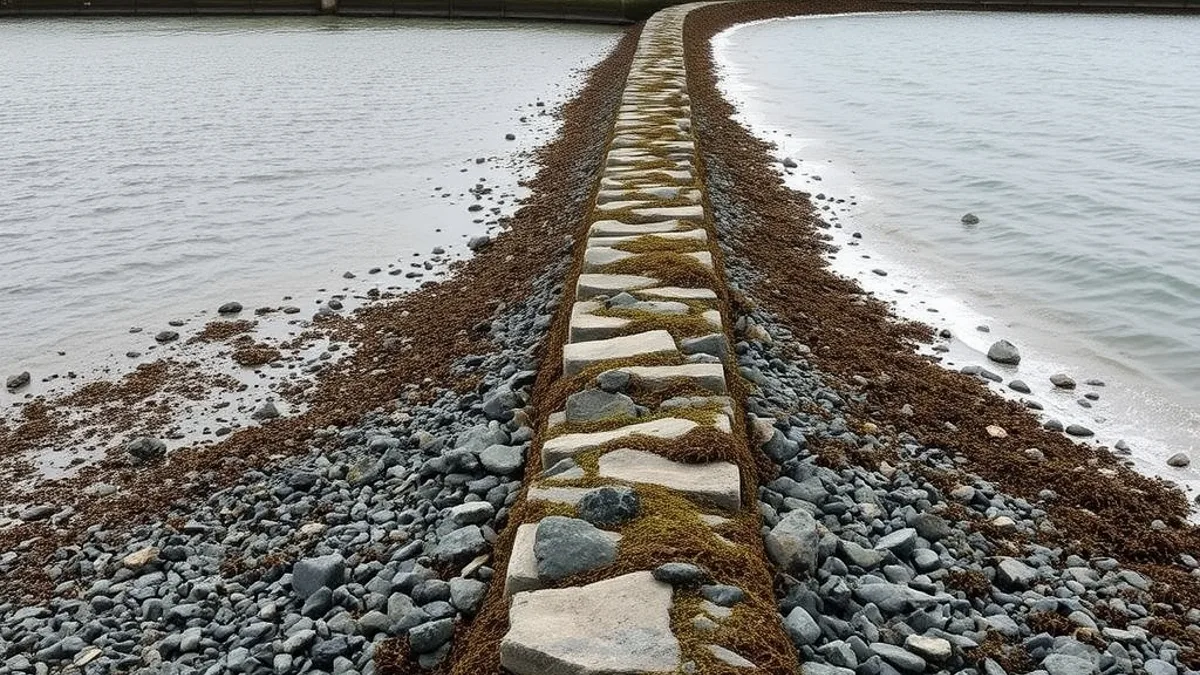
- Seaweed patches: dark or brownish zones just offshore can signal persistent sargassum or seagrass accumulation that washes up regularly, not just after a storm.
- Breakwaters: man-made walls parallel to shore calm the water but often trap weed and change how the beach looks and feels compared with a natural shoreline.
- Erosion scars: an uneven, scalloped edge where sand meets vegetation is a sign the beach is retreating, and it may be far narrower in person than the map suggests.
One caveat: satellite and map imagery is typically 1-3 years old, so treat what you see as a starting point. Coastlines shift, and a beach can change noticeably in a couple of seasons. Cross-check what the map shows against recent guest photos before you commit.
Judge Water Clarity and Swimming Conditions
Water color is a surprisingly reliable clue. Turquoise water usually means a shallow, sandy bottom that reflects light back up — exactly what you want for wading and easy swimming. Deep blue water close to shore often signals a steep drop-off, which can mean waves, currents and a less forgiving entry, especially for children or casual swimmers.
The best swimming beaches share a similar profile: a gentle slope and a depth of roughly 1-1.5 m within about 10 m of shore. That gives you enough water to swim without being suddenly out of your depth, and it stays comfortable for kids playing at the edge. If a beach drops off quickly, expect a shorter window of safe, easy swimming when the swell picks up.
Match the water to the season
The same beach can be two different places depending on the month. In the Caribbean, waters are typically calmest December to April, while May to November brings a higher chance of rain and seaweed. Check which season your dates fall into before assuming the postcard water will be there to greet you.
If snorkelling is the point of the trip, zoom in on the map for reef or rock shelves near the shore. A beach with visible reef close by lets you snorkel straight off the sand instead of booking a boat trip every day — a big practical difference once you’re there.
Read Guest Reviews Like a Beach Inspector
Star ratings tell you surprisingly little about a beach. A resort can score well on food, service and rooms while sitting behind a strip of sand that disappears at high tide or turns rocky ten steps from the water. Instead of scanning overall scores, use the review search box on booking sites and type in specific words: “seaweed”, “rocks”, “narrow” and “high tide”. If dozens of recent reviews mention sargassum piling up or water shoes being essential, you have learned more in five minutes than any brochure will tell you.
Guest photos are your second best tool. Resort marketing images are professionally shot, edited and often taken years ago, while guest photos show the beach as it actually was last month. Sort reviews by newest first and prioritize photos from the last 6-12 months, because shorelines change fast after storms, dredging or construction next door. Pay attention to photos taken at midday, since harsh light reveals seaweed lines and murkiness that golden hour shots hide.
Also read reviews with the calendar in mind. If guests rave about calm, clear water in February but complain about chop and brown water in September, the beach is seasonal rather than bad. That distinction matters when you pick your travel dates.
- Search for “beachfront” complaints: reviews mentioning a shuttle, a golf cart ride or a road to cross before reaching the sand usually mean the resort is not truly beachfront, no matter what the name suggests.
- Look for umbrella and lounger density: guests who mention fighting for shade or rows of loungers packed edge to edge are describing a beach that will feel crowded even if the sand is technically wide.
- Watch for construction mentions: reviewers complaining about crane noise or beach access closed for a neighboring build are flagging a problem that marketing photos will never show.
- Note who the complaints come from: a scuba diver calling the water murky is less worrying than a family saying their toddlers could not wade safely, so weigh comments against your own priorities.
Time Your Booking Around the Beach Season
Beachfront rooms are the first rooms to sell out and often cost 20-40% more than garden-view rooms at the same resort. If you want one for peak season, book 4-6 months ahead. Wait longer than that and you will usually be choosing between a view of the parking lot or a room category that has doubled in price.
Shoulder season works differently. Booking 1-2 months out can land you noticeably lower rates, sometimes on the very room categories that sold out early for peak dates. The trade-off is water quality: depending on the region, shoulder months can bring a higher chance of seaweed, rain or rough surf. In the Caribbean, for example, May to November carries more seaweed and rain risk, while December to April is when the water is typically at its calmest and clearest. If your dates fall in the riskier window, lean harder on recent guest photos before committing.
Check the tide before you pay for the view
Tide charts are the step almost everyone skips. A beach that looks wonderfully wide in photos may have been shot at low tide, and the same stretch of sand can shrink by half at high tide. Search tide tables for your exact travel dates and see how much beach remains around midday, when most guests are actually out on the sand. If the high-tide line leaves only a narrow sliver in front of the loungers, a garden-view room might be the smarter spend.
Match the Beach to How You Actually Travel
The “best” beach is not a universal standard, it is the one that fits what you actually do on vacation. Families with small children need shallow, gently sloping sand where kids can wade without the bottom dropping away, plus natural shade or reliable umbrellas for midday sun. Divers and snorkellers should rank reef access above soft powder sand, because a beach with coral and rock shelves a short swim from shore is worth far more to them than a postcard-perfect strip with nothing to see underwater.
Think honestly about your daily rhythm too. If your idea of paradise is a quiet morning walk with coffee, a wide beach on a low-key coast will beat a famous but packed strip where you claim a lounger at dawn. Popular stretches photograph beautifully, but that popularity shows up as crowds, vendors and noise. A less famous beach on a calmer stretch of coastline often delivers the same scenery with a fraction of the foot traffic.
Sunset seekers have one more check to run: direction. Before paying extra for an oceanfront room, confirm which way the beach faces. A west-facing shore gives you the classic sun-into-the-water sunset, while an east-facing beach gets gorgeous sunrise light and then shade in the evening. Neither is wrong, but booking an oceanfront room for sunsets on a beach that faces the wrong way is an expensive mistake.
- For families, check for a lifeguard and entry points: a gently sloping beach with a marked swimming zone and lifeguard coverage matters more than water color when you have young kids in tow.
- For snorkellers, look for a beach adjacent to a protected cove: bays sheltered by headlands or reef usually hold clearer water and more fish than an open, surf-exposed shore.
- For light sleepers, map the beach bars: a beach lined with beach clubs and DJ setups means music until late, so if quiet evenings matter, pick a resort at the quiet end or on a residential stretch.
- For walkers, check the sand’s continuity: a beach that connects to neighboring stretches of sand lets you take long walks, while one broken up by rocky headlands or private property limits you to a short stroll.
The Quick Pre-Booking Beach Check
If you have ever paid for an oceanfront room based on glossy photos, then arrived to find a narrow strip of sand, murky water or a packed shoreline, you know the frustration. The good news is that a beach’s true quality leaves clues long before you book. Measure the beach width on satellite view, scan guest photos from the last several months, and search reviews for mentions of seaweed, rocks and high tide. Those three steps take minutes and reveal what the marketing shots hide.
From there, match your travel dates to the region’s calm-water season and book beachfront 4-6 months ahead if you are traveling in peak months. Decide what kind of beach actually suits your trip, whether that is shallow water for kids or reef access for snorkelling, and only pay extra for the view once the sand and water check out. Have a beach-check trick of your own? Share it in the comments or pass this article along to a friend planning a getaway.