Glamping with kids sounds like the perfect family trip: real beds under canvas, s’mores by the fire and none of the tent-packing drama. But many parents hesitate, and for good reason. Will the little ones actually sleep? Is the heater or fire pit safe around a curious toddler? And how do you avoid booking a romantic couples’ retreat that turns out to be completely wrong for children?
This guide walks you through the three things that matter most: safety, comfort and smart booking. We’ll compare glamping with a regular campsite, list the safety questions to ask before you pay, and cover the comfort features that make or break a night’s sleep. You’ll also find advice on timing your reservation, choosing between lakes, farms and coastlines, and packing routines that keep the trip smooth. By the end, you’ll know exactly what to check, what to pack and when to book.
Why Glamping With Kids Beats a Regular Campsite
The biggest reason families choose glamping over a traditional campsite comes down to one thing: sleep. A young child who sleeps badly turns the whole trip into a marathon of crankiness, and the classic campsite culprits are easy to guess. Cold drafts, hard ground, a deflating air mattress and 5 a.m. sunlight through thin nylon all conspire against you. Glamping units remove most of those risks in one go, because real beds, heating and solid walls keep the temperature steady and everyone’s back happy.
No midnight bathroom treks
Anyone who has walked a groggy four-year-old across a dark campsite to the toilet block knows that particular joy. With an ensuite bathroom steps from the beds, those nighttime trips become a ten-second errand instead of a flashlight expedition over tent guy-ropes. It also means less chance of a child waking fully and deciding the day has started.
Doors that actually lock
For parents of toddlers, a solid structure with a lockable door simply feels calmer than a zippered tent flap. You can close the door at nap time, keep the space secure while you sit outside, and relax knowing the kids can’t wander out unnoticed. Open tents have their charm, but when small children are involved, four walls and a proper door earn their keep every single night.
Safety Checks Before You Book
Photos on a booking site can hide a lot, so the smartest move is to ask direct questions before you pay. Fire is the first topic: many glamping units come with wood stoves, fire pits or gas stoves, and these are exactly the features that make a site cozy and a toddler dangerous. Ask the host specifically whether heaters and stoves have guards, and whether the fire pit sits well away from the sleeping area or play space. A good host will answer in detail; vague replies are a signal to keep looking.
Next, think about what happens if someone gets sick or takes a fall. Confirm that the site sits within about 30 minutes drive of a medical facility, and note the route so you’re not figuring it out in an emergency. It’s a quick question that separates genuinely family-ready sites from ones that just added a cot for marketing. For an example of how a family-oriented lake glamping site presents itself, this review of a lakeside glamping resort in Castel Volturno, Italy shows the kind of detail worth asking about.
Then walk the property in your mind, using the host’s descriptions. The checklist below covers the physical hazards to ask about:
- Perimeter fencing: ask whether the unit or play area is enclosed, which matters enormously if you have a runner on your hands.
- Water hazards: ponds, rivers and streams can be charming from the deck and hazardous from a toddler’s eye level, so ask how far they are and whether access is blocked.
- Deck railings and staircases: raised decks and steep steps are common in glamping cabins, so confirm that railings are solid and gaps between balusters are too narrow for small heads.
Finally, never assume equipment exists. Cots, bed rails and high chairs are often available, but the best sites offer them on request, and supplies can run out on busy weekends. Message the host before booking, get the confirmation in writing, and bring your own bed rail if your child is an unpredictable sleeper.
Comfort Essentials That Make or Break the Trip
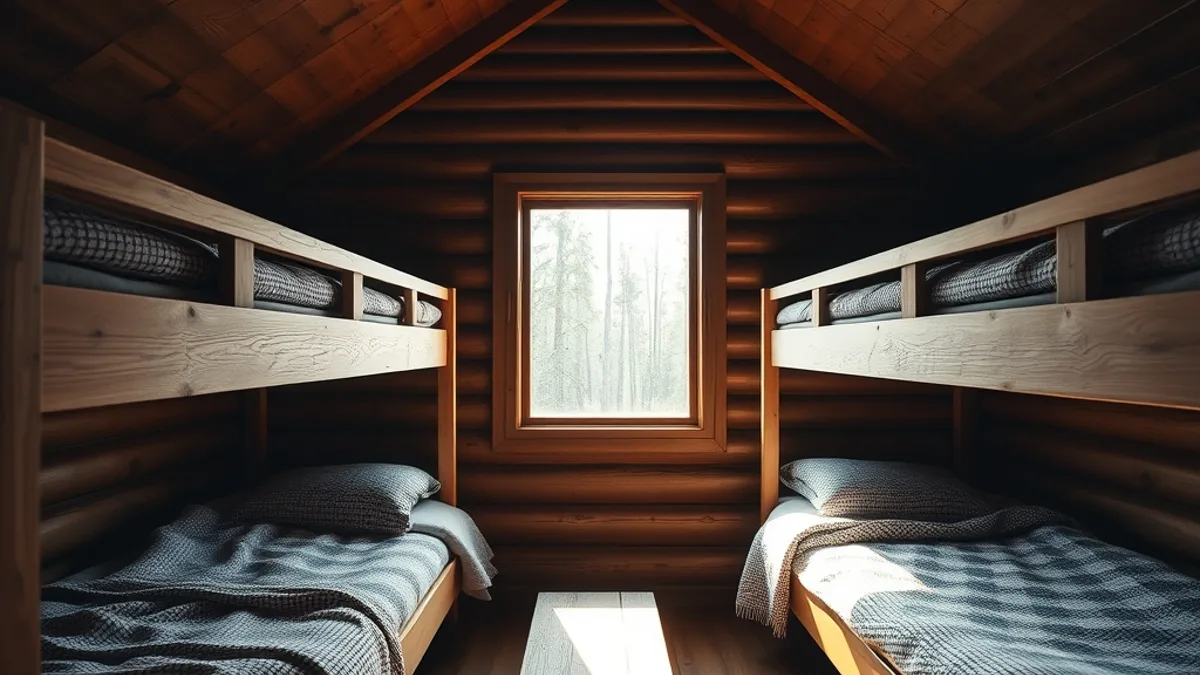
Comfort is where family glamping trips are won or lost, and it starts with space. Family tents and cabins usually sleep 4-6 people, and that capacity is there for a reason: kids, luggage, a travel cot and a rainy-day afternoon all need room. Squeezing a family of four into a snug couples’ dome guarantees bad sleep and short tempers, so check the stated capacity and count the actual beds.
That leads to the second big check: confirm you’re getting real beds, not floor mattresses. Some budget-friendly units advertise four sleeping spots but deliver two proper beds plus two thin mattresses on the ground. That arrangement defeats the purpose of glamping for young children, so ask the host to describe the bed configuration before booking.
Heating matters more than most first-timers expect. If you’re traveling in May or September, nights can drop genuinely cold even when days feel mild, so prioritize units with a proper heater or wood stove rather than relying on extra blankets. And for summer trips, brightness is the enemy: canvas glows at dawn, and kids wake with the light. Ask whether the unit has blackout curtains or sits in natural shade from trees.
A few small items in your bag close the remaining comfort gaps:
- A familiar blanket or comfort object: the smell and texture of home does more for an anxious sleeper than any gadget.
- A white noise app or portable machine: it masks unfamiliar sounds like wind, birds and neighboring families talking late.
- Favorite pajamas and a bedtime book: keeping the same wind-down routine signals that sleep still happens, even in a new place.
How to Book Family Glamping at the Right Time
Family glamping units are the first thing to disappear from any calendar. Couples happily shift dates, but parents tied to school holidays cannot, so the best family tents and cabins get claimed early. Booking with a bit of strategy saves you from settling for whatever is left in August, and it gives you time to confirm the details that matter before money changes hands. The four steps below take an evening at most, and each one prevents a very common mistake.
- Reserve 3-6 months ahead for summer dates. Family units that sleep 4-6 people sell out faster than couples’ tents, simply because there are fewer of them on most sites. As soon as you know your holiday window, put a hold on the unit you want rather than waiting for a deal that may never appear.
- Budget $120-$350 per night and check minimum stays. Prices vary widely by region and season, but most family glamping falls in this range. Watch for a 2-night minimum stay on weekends, which is common at popular sites and can double the cost of a quick getaway.
- Read recent family reviews specifically. A glowing review from a solo couple tells you little about whether the fire pit sits near the play area or whether toddlers get bored by day two. Filter for feedback from parents traveling with kids of similar ages, and pay attention to anything written within the last year.
- Message the host before paying. Ask directly whether the setup suits your children’s ages, whether cots or bed rails can be added, and how the sleeping arrangement works in practice. A host who answers clearly and quickly is a good sign; vague replies are a reason to keep looking. For an idea of what a well-run family site looks like, this glamping review from Lake Powell in the United States shows the kind of details worth confirming in advance.
None of these steps takes more than an hour in total, yet together they remove most of the risk from your booking. Do them in order and you will pay for a trip that actually fits your family, not one you hoped would work out. Start with the calendar, then the budget, then the reviews, and save the host conversation for last so your questions are specific to the exact unit and dates you have in mind.
Choosing the Right Setting: Lakes, Farms and Coastlines
Where you book matters as much as what you book. A luxury tent in the wrong setting can feel like a missed opportunity, while a simple cabin in the right one can become the trip your kids talk about for years. Match the location to your children’s ages and energy levels before you fall in love with photos of the unit itself.
Farm stays for younger children
If your kids are toddlers or early primary age, a farm stay is hard to beat. Animals to visit, space to roam and usually a sightline from your tent to wherever the children wander make for relaxed parenting. Many working farms also offer feeding sessions or egg collecting, which fills mornings without any planning on your part. A good example of the genre is this glamping review from Combe Martin in the United Kingdom, where the site combines safari-style tents with open grounds that young children can explore safely.
Lakes, forests and coastlines for older kids
Lake and forest sites come into their own once children can swim, paddle a kayak or handle a proper hike. These settings give older kids real independence, but you should check the site’s rules on water supervision before booking, since some require adults within arm’s reach and others have designated swimming areas only. Ask whether lifeguards are present or whether swimming is at your own risk.
Coastal glamping offers sea breezes and the sound of waves, but it trades away the natural shade that inland woodland provides. Canvas heats up quickly in direct sun, so if you are traveling with small children, confirm that the tents have shade structures, windbreaks or a sheltered position. A site that looks idyllic in a calm photo can be noisy and exposed on a breezy week, and a good host will tell you honestly how exposed the units are.
Packing and On-Site Routines for a Smooth Stay
Glamping removes the hardest parts of camping with kids, but a little routine still goes a long way. The first evening sets the tone for the whole stay: children who know where things are and what the rules are sleep better, and so do you. Start before you even leave home by thinking about what the evenings and mornings will actually look like.
Layers are the number one packing mistake families make. Even in August, evenings near lakes or the coast cool quickly, and a child who is cold at bedtime will be awake and cranky within the hour. Pack warm sweatshirts, long pants and closed shoes for everyone, plus spare socks, because canvas floors and grass paths get damp after sunset. Closed shoes also protect small feet on gravel paths, fire pit areas and around tent pegs, which are easy to trip over in the dark.
When you arrive, resist the urge to collapse into the tent. A simple arrival routine keeps everyone calm and safe:
- Unpack before dark. Getting everything into place while you can still see means no rummaging through bags with a flashlight at bedtime, and kids can find their own pajamas without help.
- Locate the nearest bathroom. Walk the route with your children on day one, timing it, so a midnight trip feels familiar rather than frightening. Note whether the path is lit and whether you need a torch.
- Agree boundaries out loud. Point out which areas are off limits, such as the fire pit, the pond or the neighbor’s pitch, and have your kids repeat the rules back. Young children remember boundaries far better when they have walked them once.
Finally, carry a basic kit rather than relying on the site shop. Sunscreen suited to young skin, insect repellent safe for children, plasters in a couple of sizes and a thermometer cover most minor problems. A thermometer is the item parents most often skip and most often wish they had packed, since a fever on night two of a week-long trip is far easier to assess at your tent than at an unfamiliar pharmacy.
Wrapping Up Your Family Glamping Plan
Glamping with kids really can be as relaxing as it looks in the photos, as long as you cover the basics before you pay. Run through your safety checks, prioritize comfort features like real beds and heating, and book early. Those three pillars solve most of the worries parents have about taking little ones glamping, from disturbed sleep to unsafe setups.
Match the setting to your children’s ages: farm stays suit toddlers who want animals and open space, while lakes and coastlines work better for older kids ready to swim or hike. Then lock things in 3 to 6 months ahead for summer dates, and confirm family amenities like cots and child-proofing directly with your host before paying. If this guide helped you plan your trip, share it with another family or drop your own glamping tips in the comments.