You’ve decided you want a cozy cabin escape, and the Scottish Borders keeps coming up. The problem? You’re not sure which area to base yourself in, or which season actually delivers the experience you want for the money you’re happy to spend. Pick the wrong valley in the wrong month and you can end up paying peak rates for a drive that’s longer than you expected.
This guide sorts that out. We’ll look at why cabins in the Scottish Borders make such a good alternative to the crowded Highlands, compare the three best areas to stay, and break down what each season offers and costs. Then we’ll cover how far ahead to book, what features matter in a cabin stay, how to get there, and how to pull the whole trip together. By the end, you should know exactly where to point the car and when to press “reserve”.
Why Choose Cabins in the Scottish Borders
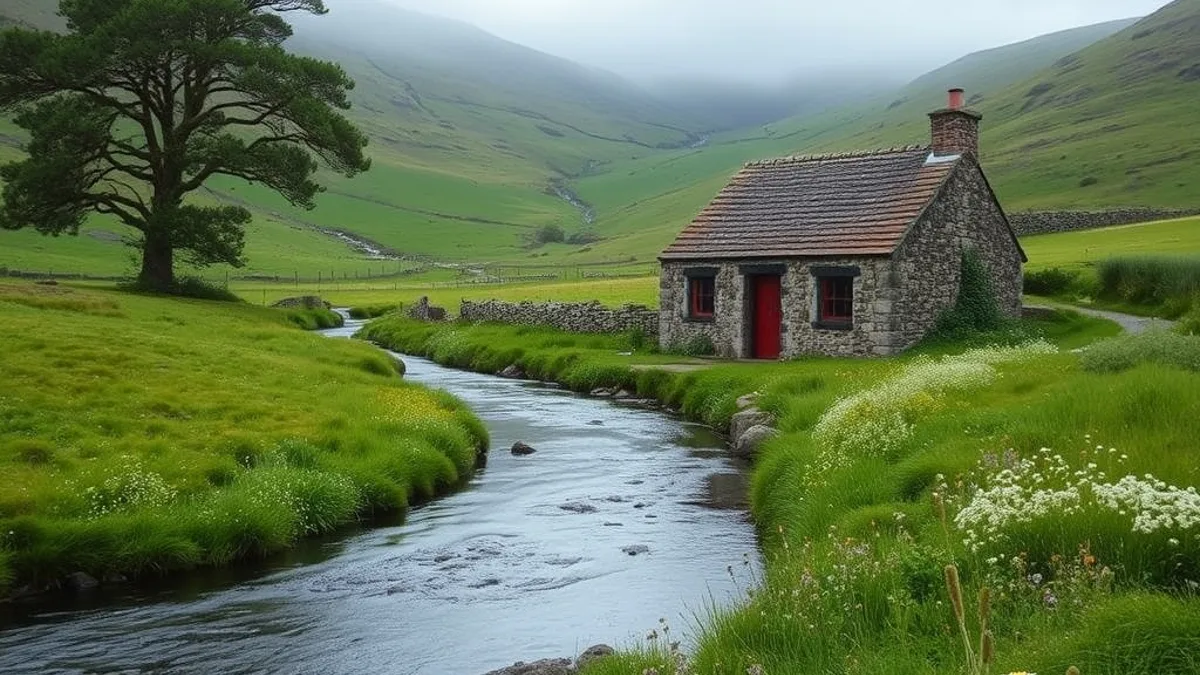
The Scottish Borders sit right on Edinburgh’s doorstep, roughly 1–2 hours by car, yet they feel like a different world. Rolling hills fold into river valleys, and abbey towns like Melrose and Jedburgh give you history to wander through between walks. What you don’t get is the Highlands experience of circling a car park for a viewpoint or booking accommodation a year ahead.
The cabin scene here is varied and genuinely characterful. You’ll find everything from off-grid timber pods tucked into woodland to traditional wood-stove bothies on working farms, with most places sleeping two to four people. Glamping options sit alongside proper log cabins, so there’s something whether you want a back-to-basics weekend or a hot tub with a view.
Fewer crowds, better value
Because visitor numbers are far lower than in the Highlands, availability is easier and prices tend to be kinder for the same quality of scenery. You can often book a well-located cabin a couple of months out in shoulder season rather than fighting for scraps. For a short break from central Scotland or northern England, that combination of access, quiet and value is hard to beat.
Where to Base Yourself: The Best Areas
The Borders aren’t huge, but the valleys have distinct personalities, and your choice of base shapes the whole trip. Think first about what you’ll actually do each day: cycling, riverside walking, fishing or simply switching off under dark skies. A cabin near Peebles puts you minutes from forest trails, while a stay near Selkirk trades convenience for silence and star-filled nights. Then match your plans to one of these three areas.
- Tweed Valley around Peebles and Innerleithen: the natural pick for cyclists and forest walkers. Glentress Forest nearby is one of Scotland’s best-known mountain-bike centers, with graded trails for every ability, and the Tweed itself runs right through the valley for gentler days on foot. Cafés and bike hire in Peebles make logistics easy.
- Kelso and the central Tweed: a good all-rounder for river walks and fishing, with easy reach of abbey towns like Jedburgh and Melrose. Kelso’s cobbled square makes a pleasant base town for supplies, pubs and a wander around the ruined abbey at nearby Dryburgh.
- The Ettrick Valley near Selkirk: the quietest of the three, with minimal light pollution and open hill country on the doorstep. If stargazing and long, empty hill walks are the point of your trip, this is where to look.
A practical note: the Tweed Valley is the busiest of the three and has the most cabin choice, so it suits first-time visitors and families who want amenities close by. Ettrick options are fewer but often more remote, which is exactly the appeal for some travelers. If you’re torn, central Tweed around Kelso gives you the easiest access to multiple towns in one stay, letting you sample abbey country and riverside paths without ever repacking your bags.
When to Go: Seasons in the Scottish Borders
Timing makes a real difference to both your experience and your bill in the Borders. Peak season runs from June to August, when the weather is at its warmest and demand is highest. Expect £90–£160 per night for a two-person cabin, and book well ahead for summer weekends.
The sweet spot: May and September
May and September are the months locals would choose. You get long daylight hours, May brings lambing season to the surrounding farmland, and September adds early autumn tones without the crowds. Rates often drop to £70–£120 per night, which is a meaningful saving for essentially the same scenery.
October is the month for color. The forests of the Tweed Valley hit peak autumn display, and a cabin with big windows or a fire pit becomes the best seat in the house. Pack for changeable weather, though, as October can swing between golden afternoons and proper rain.
From November to February, the Borders go quiet and prices follow. Winter stays often fall below £70 per night, and this is when a wood-stove cabin earns its keep: short days outside, long evenings by the fire. If cosiness is the goal rather than hiking, winter is genuinely good value.
How to Book Cabins in the Scottish Borders
Booking a cabin in the Scottish Borders is straightforward, but timing matters more than it does for a hotel. The best cabins sleep only two to four people, so a single busy weekend can wipe out availability across a whole valley. A little planning gets you the stay you want at a price you’ll be happy with.
- Lock in summer weekends early. For stays between June and August, aim to book 3–6 months ahead. Festival season in Edinburgh pushes visitors into the Borders looking for quieter beds, so July and August weekends in particular go fast.
- Be flexible with winter dates. Midweek stays from November to February typically need only 4–8 weeks’ notice, and hosts often discount them since demand is low. If you want a wood-stove cabin at its cheapest, this is your window.
- Ask about power and facilities before you book. Some cabins, particularly in the Ettrick Valley, are off-grid with no mains electricity. That changes what you pack: think torches, a fully charged power bank, and no expectation of charging devices in the room.
- Read the cancellation terms carefully. Farm-based cabins are often small operations run by the owners themselves, so policies can differ from big booking platforms. Check how flexible your dates are before committing.
- Message the host with questions. Owners are usually happy to confirm heating, access and check-in details directly, which saves surprises after a long drive.
The good news is that the Borders rarely sell out the way the Highlands do, so last-minute trips are still possible outside peak weekends. If your dates are fixed around a festival or a summer holiday, though, treat the booking like a flight and get in early. A quick email to the host before you pay will settle any questions about off-grid living, pets or access roads.
What to Look For in a Borders Cabin Stay
The best Borders cabins share a few practical traits, and knowing them before you book saves disappointment. Because most cabins sit on working farms or estate land rather than in villages, the details that matter are slightly different from a typical hotel stay. There is no reception desk to solve problems for you, no shop around the corner, and often no neighbor within sight. That is exactly the appeal for many travelers, but it also means the small print deserves a closer look before you pay. Here is what to weigh up.
Heating should top your checklist if you are traveling between October and March, when Borders nights turn properly cold. A wood-burning stove transforms a cold-weather stay, but confirm there is also reliable backup heating such as electric radiators, since a stove alone takes time to warm a cabin after a long day on the hills. Ask whether firewood is included or charged separately, as that varies between hosts, and check how the stove is lit if you have never used one before. Some hosts leave kindling and instructions; others expect you to know the basics.
- Private outdoor space: since cabins sit on farm or estate ground, look for your own deck, firepit or garden area rather than shared grounds, so you can sit outside with a drink without feeling you are in someone’s farmyard.
- Dog policies: many Borders farm cabins welcome pets, but most charge a separate fee per stay or per dog, and some restrict dogs to certain rooms or require them to be kept off furniture. Confirm this before booking rather than at the gate.
- Access roads: some valley cabins, particularly in the Ettrick, sit at the end of single-track farm lanes with passing places and potholes. These suit a small car far better than a large estate or motorhome, so check the listing or ask the host about the final stretch.
- Phone signal and wifi: remote valley locations often have patchy mobile coverage, and off-grid stays may have no wifi at all. If you need to work or navigate, download maps before you arrive.
Finally, look at photos of the surroundings, not just the interior. A cabin with a south-facing spot above a river valley will feel very different from one tucked in a shaded plantation, especially in the darker months when daylight is short and you will spend more time indoors. Ask which direction the main window faces and whether trees block the view, because a well-positioned cabin can double the pleasure of a winter stay.
Getting There and Getting Around
The Scottish Borders are one of the easiest rural escapes in Scotland to reach from Edinburgh, but that convenience stops at the main roads. Once you turn into the valleys, public transport thins out fast, so how you arrive shapes your whole trip. It pays to decide before you book whether you are bringing a car or relying on rail and taxis.
Driving in
From Edinburgh, the A68 and A7 are the main routes south, and either will get you into the central Borders without much fuss, though exact timing depends on your destination and traffic. A car is essential for valley cabins: the Ettrick Valley and the smaller Tweed-side stays sit well off any bus route, and you will want the flexibility for food shops and day trips. The roads are generally quiet and scenic, so the driving itself is part of the pleasure rather than a chore.
Coming by rail
Two rail options work well. The Borders Railway runs from Edinburgh to Tweedbank, putting you within reach of Galashiels and the western Tweed Valley, while Berwick-upon-Tweed on the east coast main line serves the eastern Borders around Kelso and Coldstream. Either way, most cabins still need a taxi or hire car from the station, so check the distance to your specific stay before booking. Some hosts will collect you from the nearest town if arranged in advance, which is worth asking about when you reserve.
Whichever way you arrive, the smart approach is to settle into one cabin and explore outward from it. The abbey towns, river walks and forest trails of the Borders are compact enough that a single week in one spot covers a surprising amount of ground without ever repacking the car.
Wrapping Up Your Borders Cabin Trip
A cabin break in the Scottish Borders gives you Highlands-style scenery without the Highlands crowds or price tag, all within easy reach of Edinburgh. The trick is to pick your area first — the Tweed Valley for trails and forests, Kelso for river walks and abbey towns, or the quiet Ettrick Valley for dark skies — then match the season to your budget.
That second part matters more than most people expect. Summer weekends cost the most and book out fastest, while May and September deliver long daylight and lambing or harvest scenery at noticeably lower rates. If cosiness is the goal, a wood-stove cabin in the depths of winter is the cheapest way to get it. Decide what kind of trip you want, book accordingly, and the Borders will do the rest. If this helped you plan your escape, leave a comment or share the article with a fellow traveler.