Most travelers planning a Seychelles trip already know the picture in their head: white sand, granite boulders, turquoise water. What they often don’t know is which island to actually book a resort on. Choosing between the Seychelles resort areas matters more than it seems, because each of the three main islands delivers a very different version of that postcard.
Base on the wrong island and you can end up with long transfers for a short stay, or a quiet stretch of coast when you wanted restaurants within walking distance. This guide compares Mahé, Praslin and La Digue side by side: how the islands really differ, the best resort areas on each, when to book for the seasons and prices you want, and how to match the island to your trip style, whether that’s a honeymoon, a family beach week or a slow, car-free escape.
How Mahé, Praslin and La Digue Really Differ
The three main islands are close together on a map but far apart in feel. Mahé is the largest at about 28 km long, and it’s where nearly every trip begins: the international airport sits here, along with Victoria, the small capital, and the widest mix of resort styles in the country. You’ll find everything from large five-star compounds to mid-range beach hotels, spread across several distinct coastlines.
Praslin, about 10 km across, is the quieter middle ground. It has a proper resort scene but on a smaller scale, calmer swimming beaches, and one of the Seychelles’ signature natural sights: the Vallée de Mai palm forest, home of the famous coco de mer.
The car-free outlier
La Digue is only about 5 km across, and it plays by different rules entirely. There are no cars for visitors; bicycles and ox carts are the main transport. Accommodation skews toward small guesthouse-style resorts rather than big hotel brands, and the island’s appeal rests on postcard beaches like Anse Source d’Argent, where granite boulders meet shallow lagoons.
The practical trade-off is simple: Mahé offers convenience and choice, while the smaller islands offer intimacy and a slower pace. The right pick depends on how much transfer time you’re willing to trade for tranquility.
Mahé: Resort Areas With the Shortest Transfer
Mahé rewards travelers who want to start their holiday fast. Because the airport and Victoria sit close together, some resort areas put you on the beach within half an hour of landing, and the island’s variety means there’s a coastline to match almost any preference and budget.
Beau Vallon: the classic strip
Beau Vallon is the island’s classic resort strip, roughly 25 minutes by car from the airport. It has a long, swimmable beach with sunset views, several established resorts, and the closest thing Mahé has to a walkable dining scene, with beach kiosks and restaurants along the bay. If you want the familiar resort-holiday formula with minimal effort, this is it.
Southwest seclusion and east coast practicality
The southwest coast around Intendance and Takamaka works differently. Here you’ll find secluded five-star compounds set in tropical gardens, often with their own beaches and restaurants. The trade-off is that walkable dining is limited, so you’re largely staying put within your resort, which suits travelers happy to pay for that self-contained luxury.
The east coast near Victoria is the practical pick for short stays. If minimizing transfer time matters most, for example on a four-night trip, basing here means you lose almost no time to the road.
One more thing to expect on Mahé: the widest price spread in the Seychelles, with rates running roughly from €250 to €1,200+ per night depending on season and property. The island accommodates both ends of the market better than Praslin or La Digue.
Praslin: Côte d’Or and the Quieter North Shore
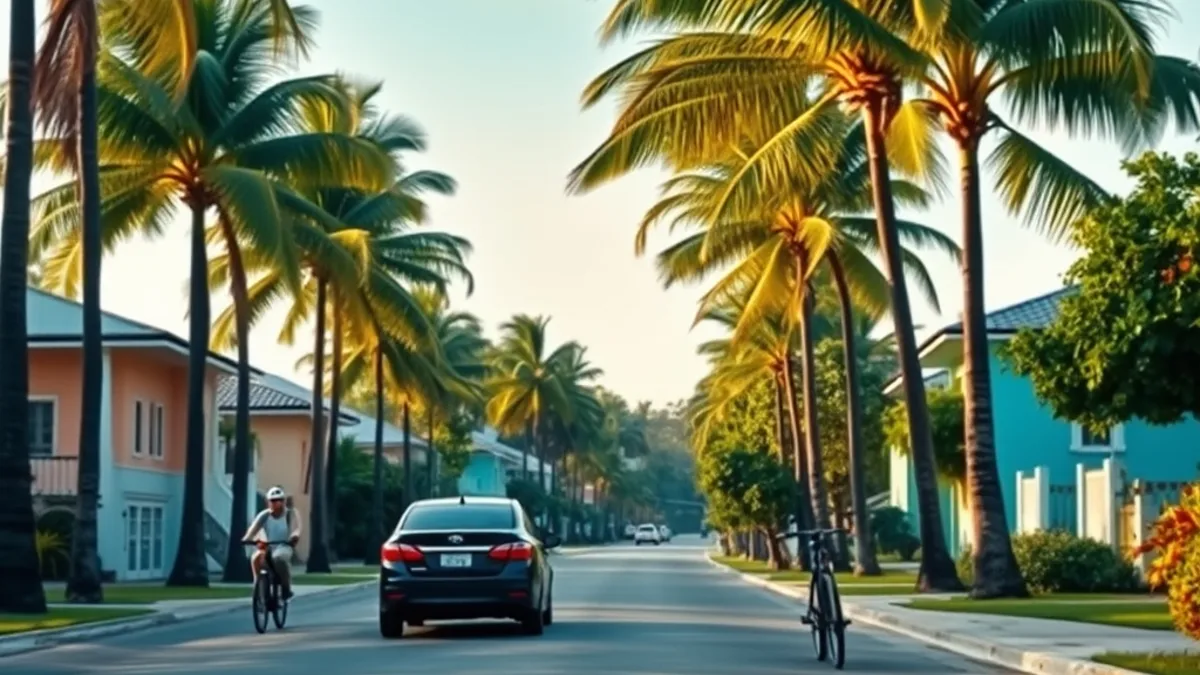
Praslin is the island many travelers should probably be looking at but often overlook. It’s small enough to feel relaxed, about 10 km across, yet developed enough to offer a real choice of resorts, restaurants and beaches. The pace sits comfortably between busy Mahé and sleepy La Digue.
Anse Volbert and the Côte d’Or
Anse Volbert and the Côte d’Or stretch form the island’s main resort cluster. The water here is shallow and calm, which makes it the most family-friendly swimming on the island, and you can walk between a handful of resorts, guesthouses and beach restaurants. If you want a base with both sand and amenities on your doorstep, this is the stretch to book.
The northwest around Anse Kerlan and the Lazio marine park suits snorkelers in particular. The water is calm and clear, and the reef is close enough that good snorkeling really is on your doorstep rather than a boat trip away.
A smart base for day trips
Praslin also works well as an operating base. The Vallée de Mai reserve, one of the Seychelles’ most famous natural sights, sits in the island’s interior, and the ferry hop to La Digue takes about 15 minutes, making a car-free day there easy.
Getting there is the filter: the ferry from Mahé takes about 60 minutes, or you can take a domestic flight of roughly 15-20 minutes. Neither option suits last-minute planners well, since seats and cabins fill up in popular weeks. Praslin tends to reward travelers who plan ahead.
La Digue: Staying on a Car-Free Island
La Digue works differently from Mahé and Praslin. There are no large resort compounds here; accommodation leans toward boutique properties and guesthouse-style stays, often with just a handful of rooms and a personal, family-run feel. If you’re expecting a full-service resort with several restaurants, a spa and a kids’ club, this island will surprise you, usually in a good way.
Getting around without a car
Bicycles are the default transport on La Digue, with ox carts still adding to the old-world atmosphere. This shapes where you should stay. If you want restaurants, shops and the jetty within walking distance, base yourself near La Passe, the island’s small main settlement. Staying farther out is peaceful, but it means pedaling home after every dinner.
The beaches that put La Digue on the map, Anse Source d’Argent with its granite boulders and Grand Anse with its dramatic surf, anchor the island’s appeal. Reaching them usually involves a short bike ride or a walk from wherever you sleep, so factor that into your daily rhythm. Some access points also involve a small entrance or landowner fee, so carry a little cash.
Getting here is easy: the ferry from Praslin takes about 15 minutes, which makes La Digue simple to add to any itinerary. Just remember that everything you bring has to roll off the jetty on a cart or in your hands, so luggage logistics favor light packers. One good bag beats three.
When to Book: Seasons and Lead Times for Seychelles Resort Areas
The Seychelles sits close to the equator, so temperatures stay warm year-round. What changes most is rain and wind. Aim for May to September if you want the dry season, when cooler trade winds keep things comfortable on the beach and make hiking trails more pleasant. December to February is the wettest stretch, with heavier downpours that can interrupt beach days, though they rarely last all day. If your dates are flexible, the shoulder months around April and October-November often bring calmer seas with softer prices, a sweet spot for swimmers and snorkelers watching their budget.
Timing matters just as much as island choice when it comes to cost. Peak-season rates push nightly prices toward the top of the typical range, and the most sought-after properties fill first. Booking 3-6 months ahead gives you a real choice of rooms and room categories instead of whatever is left. If you are set on a specific overwater villa or a beachfront suite, earlier is better; if you are flexible, last-minute deals do exist outside the busiest weeks.
- Inter-island transport sells out first: ferries and the 15-20 minute domestic flight between Mahé and Praslin fill up weeks ahead in peak weeks, so reserve these seats before you confirm hotels.
- Match the season to your activities: trade winds in the dry months can stir up seaweed on some beaches, while the calmer shoulder-season seas generally suit boat trips and snorkeling excursions better.
- Check current ferry schedules before locking plans: departure times shift between seasons, and a mismatched schedule can cost you half a day on a short trip.
Matching the Island to Your Trip Style
Each island suits a different kind of traveler, and picking the wrong base is the most common mistake in the Seychelles. Rather than ranking the islands, it’s smarter to match them to how you actually like to travel. Think honestly about your priorities before booking: do you want restaurants and shops within walking distance, or would you happily trade convenience for privacy and a longer transfer? Are you planning one base for the whole trip, or splitting your stay between two islands? Your answers will point you to the right island faster than any “best of” list.
Couples chasing quiet luxury tend to lean toward Mahé’s southwest coast, with its secluded five-star compounds, or the calmer north shore of Praslin. Both trade walkable dining for privacy, scenery and space to do very little. If your ideal day involves little more than a lounger, a good book and room service, these areas deliver. Families with children usually do best on Praslin’s Côte d’Or, where the shallow, gentle water lets kids swim safely and transfers stay short, which matters when younger travelers get restless.
- Cyclists and slow-travel fans: if the idea of skipping cars entirely appeals to you, La Digue is the clear pick, with bicycles and ox carts as the only real transport options.
- Short-stay travelers: with four nights or fewer, base yourself on Mahé, where Beau Vallon sits roughly 25 minutes from the airport, so you don’t lose a day to inter-island transfers.
- Beach hoppers and photographers: La Digue’s Anse Source d’Argent ranks among the most photographed beaches in the world, worth prioritizing even on a brief visit.
One last tip: whatever island you choose, be realistic about your budget and travel style together. A secluded resort that looks idyllic online can feel isolating if you like evening strolls to cafés, while a lively beach strip can frustrate travelers seeking silence. Match the base to the trip you’re actually taking, not the one in your imagination.
Wrapping Up the Island Comparison
So which island should you actually book? If your trip is short or you want the widest choice of resorts and easy transfers, Mahé is the safe pick. Praslin sits in the middle: quieter, with calmer swimming beaches, yet still well connected. La Digue delivers the slow, car-free charm that no other island can match, but it rewards travelers who pack light and love cycling.
Timing shapes the rest of the decision. The dry season from May to September brings cooler trade winds, and booking 3-6 months ahead protects you from peak-season prices at the top of the range. With ferry and flight times of 15-60 minutes between the islands, a two-island split is a realistic plan rather than a logistical gamble. If this comparison helped you choose, leave a comment or share the article with your travel partner.