Japan city hotels come in three very different flavors, and that is exactly what makes planning a trip here so tricky. Tokyo, Osaka and Kyoto each reward a different style of traveler, yet most visitors only have five to seven nights to spread across them. Choose wrong, and you either overspend on a base that does not match your itinerary or waste hours commuting from the wrong side of the country.
This guide compares how the three cities differ at a glance, then breaks down the best areas to stay in Tokyo, Kyoto and Osaka, including typical room rates and what each neighborhood is actually like after dark. We also cover when to book for cherry blossom and autumn foliage weeks, and how to split your nights sensibly between the three cities. By the end, you should know exactly where your budget and your itinerary point you.
How Japan City Hotels Differ: Tokyo, Osaka and Kyoto at a Glance
Tokyo plays host to the widest selection of luxury and business hotels in Japan, from international flagship brands to sleek business properties near every major station. The trade-off is price: central Tokyo rooms consistently cost more than comparable options in the other two cities, and the gap widens during busy seasons.
Osaka: the value pick
Osaka is where your yen stretch furthest. Rooms there typically run 30–40% below Tokyo prices, and the city’s core doubles as one of Japan’s great food-and-nightlife districts. If you want to eat well, stay out late and still keep your nightly rate reasonable, Osaka is hard to beat.
Kyoto works differently. Rather than competing on size or nightlife, it trades big-city energy for atmosphere. Accommodation leans into tradition, with converted machiya townhouses and ryokan-style stays offering tatami rooms and kaiseki dinners that no business hotel can replicate. Rates sit in the middle, but the experience is unlike either neighbor.
Why a multi-city itinerary works so well
The distances involved are small. The Shinkansen covers Tokyo to Kyoto in about 2 hours 15 minutes, and Osaka sits even closer to Kyoto. That speed means you do not have to choose one city and sacrifice the others; a well-planned route lets you sleep in all three without spending your trip on trains.
Where to Stay in Tokyo: Best Areas for First-Time Visitors
Tokyo is enormous, and picking the wrong neighborhood can add an hour of train time to every day. For most first-time visitors, four areas cover the main bases: Shinjuku, Ginza and Marunouchi, Shibuya, and the eastern pair of Ueno and Asakusa. Each attracts a different type of traveler, and nightly rates vary accordingly, with central areas like Shinjuku and Ginza averaging around ¥20,000–¥40,000 per night.
Shinjuku is the practical choice if nightlife and transport matter most. The station complex is one of the busiest in the world, and the surrounding blocks are packed with izakayas, bars and department stores. Ginza and Marunouchi, meanwhile, cater to luxury travelers and shoppers who want to be close to Tokyo Station for Shinkansen departures. If you are weighing a splurge in this part of the city, our review of The Peninsula Tokyo shows what top-end luxury near the imperial palace looks like in practice.
- Shinjuku: look for hotels on the west or south exits of the station, where airport limousine buses and long-distance highway buses stop, handy if you plan onward travel by land.
- Ginza and Marunouchi: several hotels here sit inside walking distance of both the Ginza shopping arcades and Tokyo Station’s Yaesu side, so you can shop and catch a morning Shinkansen without a taxi.
- Shibuya: the area around the crossing and Shibuya Sky has a younger, louder feel, and recent redevelopment has added hotels directly above the station itself.
- Ueno and Asakusa: these east-side neighborhoods put you near traditional sights like Senso-ji temple and Ueno Park’s museums, and room rates typically undercut the west side of the city.
A simple rule of thumb: choose Shinjuku or Shibuya for evenings out, Ginza or Marunouchi for polish and station access, and Ueno or Asakusa if you want traditional Tokyo at a lower price.
Where to Stay in Kyoto: Areas, Stay Types and Seasonal Demand
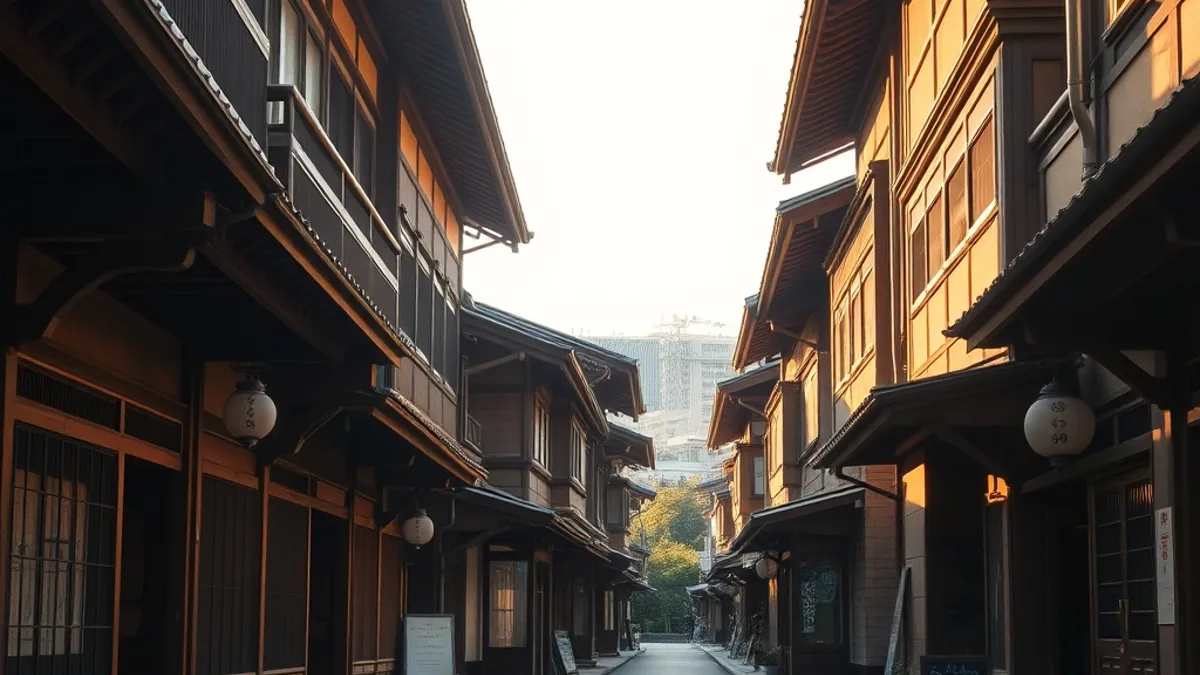
Kyoto’s layout makes neighborhood choice unusually important, because the city stretches between two very different centers. Downtown Kawaramachi and the Gion district put you within walking distance of restaurants, bars and the geisha districts where you may spot maiko heading to evening appointments. Staying here means lantern-lit lanes and tea houses are literally outside your door.
Kyoto Station area: practical but plain
The area around Kyoto Station is the opposite in character. It is the best base for day trips to Nara, Osaka and Arashiyama, and it is where you will arrive and depart on the Shinkansen. What it lacks is atmosphere: the surroundings are modern and businesslike, so most travelers choose it for convenience rather than charm.
Ryokan and machiya stays
Kyoto is the best city in Japan to try traditional accommodation. Ryokan offer tatami rooms, futon bedding and multi-course kaiseki dinners, while machiya guesthouses convert old wooden townhouses into self-catering stays. Mid-range options in these styles typically run ¥15,000–¥35,000 per night. For a full immersion experience, our HOSHINOYA Kyoto review covers a luxury ryokan-style property reached by boat along a river gorge.
Timing matters as much as location here. Cherry blossom season in late March to early April and autumn foliage weeks in mid-November to early December push rates above ¥50,000 per night, and the most atmospheric properties sell out first. Reserve as early as you can if your dates fall in those windows.
Where to Stay in Osaka: Value, Food and a Smart Kyoto Base
If your goal is to stretch your Japan budget without giving up comfort, Osaka is where your money goes furthest. Rooms here typically run ¥12,000–¥25,000 per night, which leaves a noticeable gap in your budget compared to comparable hotels in Tokyo. Over a multi-night stay, that difference adds up fast, and it often means you can afford a bigger room or a better location for the same spend.
The best areas to base yourself
Namba and Shinsaibashi are the top picks for most visitors. Namba sits right in the middle of Osaka’s famous food and nightlife scene, with takoyaki stalls, izakaya and late-night energy all within walking distance. Shinsaibashi adds serious shopping access, with the covered shopping arcade and surrounding boutiques a short stroll from many hotels. Both areas are lively but manageable, and they connect easily to the rest of the city by train.
Umeda is the smarter choice if you plan lots of day trips. Osaka Station sits at the center of the rail network, with fast, direct services to Kyoto, Kobe and Nara. Hotels around Umeda tend to skew slightly more businesslike, but they compensate with convenience and often quieter streets at night.
Osaka as a Kyoto base
One of Osaka’s best-kept secrets is its role as a Kyoto base. The train ride between the two cities takes only about 15 minutes, which means you can sleep in a cheaper Osaka room and still be sightseeing in Kyoto shortly after breakfast. For travelers watching their budget, this combo works beautifully: Kyoto’s atmosphere by day, Osaka’s food scene and lower rates by night. Many repeat visitors to Japan now skip staying in Kyoto altogether for this reason, though purists will still want a night or two in the old capital. If you do use Osaka this way, book a hotel near a station with direct Kyoto connections so mornings stay simple.
When to Book Japan City Hotels: Seasons and Lead Times
Timing your booking matters more in Japan than in many other destinations, because hotel prices swing sharply between seasons. The two peak windows are spring’s cherry blossom weeks, which peak late March to early April, and the fall foliage period, which peaks mid-November to early December. During these weeks, demand surges and rates climb, especially in Kyoto, where mid-range rooms can spike well above their usual range. The good news is that a little planning goes a long way, and the steps below will keep you ahead of the crowd.
- Identify your travel window first. Check whether your dates fall inside one of the two peak seasons or in a shoulder month. This single decision determines how far ahead you need to book and how much you should expect to pay.
- Book 3–6 months ahead for peak weeks. Cherry blossom and autumn foliage weeks sell out early, and the best-located rooms disappear first. Booking in this window gives you real choice instead of leftover inventory.
- Book 1–2 months ahead for shoulder months. If you are traveling in May–June or January, this lead time is generally enough. You will still find good availability in central areas of all three cities.
- Plan around New Year week. Late December to early January brings closures at restaurants and attractions along with crowded trains. If your trip overlaps this period, confirm opening hours and reserve seats in advance.
Shoulder months deserve a special mention for budget-conscious travelers. May–June and January offer lower rates and noticeably thinner crowds, yet the weather remains pleasant enough for full days of sightseeing. If your schedule is flexible, shifting your trip by a few weeks away from the peaks can save you a meaningful amount while making every sight calmer and more enjoyable.
One last tip: once you have picked your dates, set a reminder to book your Kyoto rooms first. Kyoto’s smaller hotel stock fills fastest during popular weeks, while Tokyo and Osaka usually offer more last-minute options. Locking in the tightest market early protects both your itinerary and your budget.
How to Split Your Nights Between Tokyo, Kyoto and Osaka
Once you know how long you have in Japan, the next question is how to divide it. For a 5–7 night trip, the most common split is 3 nights in Tokyo, 2 nights in Kyoto and 1–2 nights in Osaka. This rhythm works because each city plays a different role: Tokyo for scale and arrival, Kyoto for atmosphere, and Osaka for value and food. If your trip is 4 nights or fewer, resist the urge to change hotels at all — base yourself in one city and use day trips instead, since every hotel change costs you packing time and Shinkansen fares.
- Use open-jaw flights to avoid backtracking. Fly into Tokyo and out of Osaka, or the reverse. This lets you move in one direction on the Shinkansen instead of paying for and wasting time on a return journey to your arrival city.
- Place Kyoto nights in the middle of your itinerary. Arriving in Kyoto after a Tokyo stretch means you reach the city rested, and leaving for Osaka afterward involves a short transfer of only about 15 minutes by train — far easier than a long Shinkansen haul at the end of a tiring trip.
- Match the split to your priorities. Food lovers and budget travelers can lean toward the higher end of the Osaka allocation, while museum and cityscape fans may prefer to add a night in Tokyo and trim Osaka to one.
Whichever split you choose, book each city’s hotel as soon as your dates are fixed, especially if any part of your trip falls in a peak season. A well-paced itinerary with sensible hotel choices means less time hauling luggage between stations and more time actually enjoying the cities themselves.
Choosing Between Japan City Hotels: Final Takeaways
So which city deserves your nights and budget? Tokyo delivers scale and luxury, Osaka delivers value, and Kyoto delivers atmosphere. Rates run from around ¥12,000 a night in Osaka to ¥50,000 and above in Kyoto during peak season, so where you base yourself shapes what your trip costs as much as what you see.
For most first-timers, a 3-2-2 night split across the three cities hits the sweet spot, and booking 3–6 months ahead secures the best rooms during cherry blossom and autumn foliage weeks. Decide what matters most to you, match it to the city that delivers it, and your itinerary practically writes itself. If this helped you plan, leave a comment or share the article with a fellow traveler.