Booking a winter lodge in Finnish Lapland is easy to do and surprisingly hard to picture. Most travelers know there will be snow, huskies and a chance of northern lights, but few can imagine what the day actually feels like: when you wake up, what the light looks like, when dinner happens and how cold it really is walking to the sauna. That gap between expectation and reality leads to packed suitcases, missed bookings and sometimes the wrong month entirely.
This guide walks through lapland lodge stays one day at a time, from arrival and gear fitting to slow dark mornings, safaris, sauna evenings and aurora watching. It also covers when the season runs, how far ahead to book, what the rooms are actually like and how the rhythm shifts from the deep polar night of December to the longer days of March. Read it before you commit to dates, and you’ll know exactly what you’re signing up for.
When Winter Season Runs and How Far Ahead to Book Lapland Lodge Stays
Lapland’s winter lodge season runs roughly from late November to late March, but it doesn’t feel like one long stretch of identical weeks. December and February are the busiest months by far, and for good reason. December offers the polar night, snow-heavy landscapes and festive atmosphere, while February brings reliable snow cover, colder but often clearer nights, and excellent aurora odds.
That popularity has a practical consequence: small lodges fill up fast. Many properties in Finnish Lapland have only a handful of cabins or rooms, so a single family reunion can swallow a third of the inventory. For December and February dates, book 4-6 months ahead to get your pick of rooms and room types. Last-minute availability does exist, but usually in the least desirable cabins or on awkward midweek dates.
What you’ll pay in high winter
Rates in high season typically run €250-€600 per night for two people, depending on the lodge, the room type and whether meals and activities are bundled in. A simple log cabin with breakfast sits at the lower end, while glass-roofed aurora suites with private saunas sit at the top. If your dates are flexible, November and March shoulder weeks cost noticeably less, and early March still gives you deep snow with far more daylight. Check current rates directly with lodges, as prices shift year to year.
Morning Rhythm: Waking Up in Polar Night
The single biggest adjustment for most travelers is the darkness. In December and early January, polar night limits daylight to about 3-4 hours, with sunrise around 10am and sunset by 2pm. That means your first morning at the lodge may begin in complete darkness, and you could eat breakfast, drink two coffees and watch the snow fall for hours before the sky shows any real color.
Don’t fight this rhythm, work with it. Breakfast is typically served around 8-9am, often by lamplight with the snow glowing faintly through the windows. There’s something genuinely calming about a slow, dark morning with no pressure to rush out the door. Bring a book, linger over coffee, and let your body adjust before the day’s activities begin.
How the light changes by March
By March, daylight stretches to 6-8 hours, and the character of your mornings changes completely. Sunrise comes earlier, the snow is bright and crisp, and you can fit in a morning ski or snowshoe loop before lunch. If the total darkness of polar night sounds intimidating, early March offers a gentler introduction to Lapland while still delivering deep cold and reliable aurora conditions after dark.
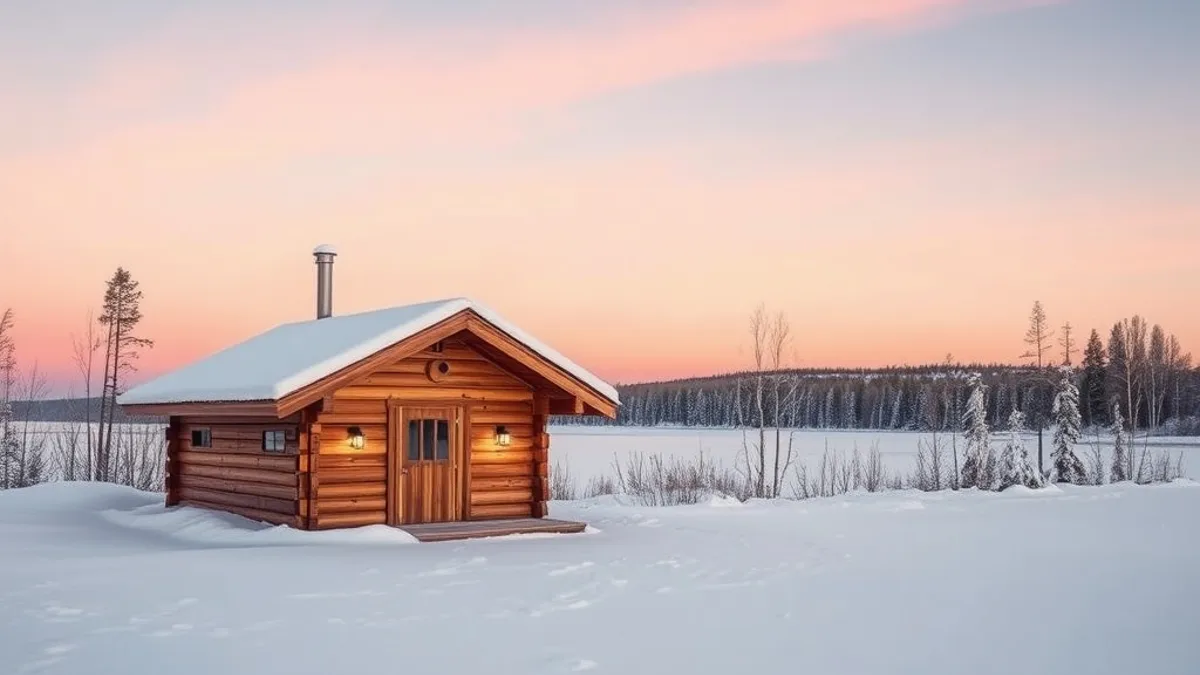
Daytime Activities Straight From the Lodge Door
The beauty of a good Lapland lodge is that most of the winter fun starts close to your front door. Husky sledding and reindeer safaris are the headline activities, and they’re usually the first things travelers book, typically costing around €100-€180 per person for a 2-3 hour tour. Most lodges either run these themselves through on-site activity partners or arrange pickups from the door, which matters more than you’d think. At -25°C, you do not want to be managing rental cars, icy roads and unfamiliar routes before a safari; let the lodge logistics handle it. Booking through the lodge also means your gear fitting, thermal suits and boots are sorted on site, so you simply show up warm and ready.
Beyond the organized safaris, some of the best moments cost nothing. Snowshoeing and cross-country skiing often start directly from the lodge grounds, with groomed or marked trails leading into the forest. Ask at reception which loops they recommend for your fitness level and how long they take before the light fades. A short walk after lunch, with the low sun turning the snow pink, can be as memorable as any paid tour.
- Many lodges lend snowshoes and basic ski equipment to guests at no charge, so you can test the trails before committing to a paid guided tour.
- Husky sledding usually pairs you two per sled, with one person mushing and one riding in the sled blanket, so couples can swap halfway through the tour.
- Reindeer safaris move at a much slower pace than husky runs, which makes them the better choice if your goal is photography or traveling with young children.
- Short daylight is the real constraint on daytime plans: in midwinter you’ll want your main activity booked into the 10am-2pm window when there’s actual light on the trails.
Evening Sauna, Dinner and Northern Lights Watching
By late afternoon the light is already fading, and that is your cue to head for the sauna. Sauna before dinner is the standard routine at Lapland lodges, and many keep a wood-fired sauna crackling so you can step out, roll in the snow or dip into a hot tub with the thermometer sitting somewhere between -5°C and -25°C outside. The contrast sounds extreme until you try it; warm skin in freezing air is one of the great pleasures of a winter trip.
Dinner follows early, usually served around 6-7pm. Menus lean on local ingredients: reindeer in various forms, lake and river fish, and berries like lingonberry and cloudberry turned into desserts and preserves. Portions tend to be hearty for good reason, since many guests come in straight from an evening snowshoe walk or a late safari and need the fuel.
Chasing the aurora after dinner
This is where the evenings get interesting. Northern lights are visible on roughly 150 nights per year in Finnish Lapland, so the odds are genuinely in your favor over a week-long stay. Most lodges take this seriously: they run aurora alerts to your phone, keep an eye on the sky from a common room with big windows, and some even offer wake-up calls if the sky flares up after midnight.
A practical tip: keep your thermal layers half-dressed under your dinner clothes. When the alert comes at 11pm, you want to be outside in two minutes, not rummaging for boots. Clear skies matter more than strong forecasts, so ask the staff which nearby spot has the darkest horizon and check it on your first night.
What Lodge Rooms and Cabins Are Like in Deep Cold
Lodge accommodation in Lapland looks nothing like a standard city hotel room, and that is deliberate. The deep cold shapes everything: expect underfloor heating, a fireplace or wood stove, and thick timber walls rather than radiators and thin partitions. The building itself is part of the insulation strategy, and stepping onto a warm floor at -20°C outside is a small luxury you will notice every single morning.
You generally choose between two styles. Glass-roofed aurora cabins put a clear panel above your bed so you can watch the sky without getting up, which is brilliant on an active night. Traditional log cabins trade those sky views for cosiness: heavier timber, a crackling stove and a darker, snugger feel that many guests end up preferring after a day in the cold.
One feature separates good lodges from mediocre ones: a proper drying room. Boots, gloves, balaclavas and thermal suits come back soaked with sweat after every safari, and nothing dries overnight in an ordinary room. A dedicated heated room with racks and boot dryers means you start each morning with warm, dry kit, which honestly changes how much you enjoy the trip.
- Underfloor heating in bathrooms means stepping onto tile after a shower never feels icy, a detail you appreciate more with every degree the outside temperature drops.
- Kitchenettes or kettles in aurora cabins let you make a hot drink at 2am without leaving your bed-side view of the sky during a display.
- Blackout or light-control options matter because bright snow reflection and long aurora nights can confuse your sleep rhythm more than you expect.
- Storage for outer layers near the entrance keeps snow-covered suits out of sleeping areas, so cabins stay dry instead of humid overnight.
Getting There and Settling In on Arrival Day
Most travelers fly into Rovaniemi, Kittilä or Ivalo, depending on which part of Finnish Lapland their lodge sits in. From the airport, transfers typically run anywhere from 30 minutes to 2 hours by shuttle or pre-booked taxi. Arrange the transfer with the lodge in advance if you can; in midwinter, taxis are scarce in remote areas and roads are snow-covered, so you do not want to improvise this leg after a long travel day.
What arrival day actually looks like
Arrival day is deliberately low-key. Expect a gear fitting where the lodge issues or checks your thermal outer layers, an orientation covering meal times, sauna rules and aurora alert procedures, and an early dinner. That schedule is not just logistics: it gets you settled and fed before your first aurora attempt, which usually happens the same night if skies cooperate.
Use the orientation to ask practical questions. Where is the drying room? How far is the nearest dark-sky spot on foot? Which night of your stay do the guides consider best for a longer safari? Staff answer these dozens of times a season and their answers save you real time.
Packing in layers
Layering is the whole game at -25°C. Start with thermal base layers, add insulating mid-layers, and top with a windproof shell. Insulated boots rated to -30°C are worth buying or renting rather than hoping your winter shoes cope, and a headlamp is essential for the dark hours, since you will be walking lodge paths in near-total darkness by mid-afternoon. Pack spare gloves and a spare hat too; wet gloves at these temperatures are genuinely miserable.
Wrapping Up a Week of Lapland Lodge Stays
A week at a Lapland lodge makes sense once you picture the rhythm: slow, lamplit mornings, a few precious hours of daylight packed with husky and reindeer safaris, then sauna, an early dinner and aurora watching under the dark sky. The deep cold and polar night are not obstacles to push through — they are the whole reason you came, and the lodges are built around them.
So if you couldn’t imagine what an actual day looks like before booking, you now can, from wake-up to lights-out. Plan 4-6 months ahead for December or February to secure the best lodges, expect rates of €250-€600 per night for two in high winter, and pack for temperatures that typically sit between -5°C and -25°C. If this helped you picture your own Lapland lodge week, leave a comment or share the article with a fellow traveler.