You’ve decided the Lake District deserves more than a weekend in a chain hotel, but the choice is paralyzing. Sixteen named lakes, five practical villa bases, and stay types ranging from stone cottages to lakeside lodges — and the question of which season actually delivers a villa experience rather than a parking headache. That’s where searching for cumbrian villas often stalls, and where this guide picks up.
We’ll walk through why a villa beats a hotel here, compare Windermere, Ullswater, Derwentwater and Coniston as bases, and cover the stay types worth considering — from characterful stone cottages to premium lakeside lodges. You’ll also find practical advice on when to book for the best rates, how to plan lake days and fell walks from your villa door, and an honest look at what villas cost and what the price actually buys. By the end, you’ll know which lake, season and stay type suit your trip.
Why a Cumbrian Villa Beats a Hotel in the Lake District
A hotel room in the Lake District gives you a bed and a bathroom, which is a problem when the weather turns on a whim. Rain can sit on the fells for a day at a time, and a room with a kettle is a poor place to spend it. A villa gives you a full base: a kitchen for slow breakfasts, a lounge with space to dry boots, and room for the whole group to spread out rather than tiptoe around each other.
Location is the second reason. The best shorefront positions on Windermere, Ullswater and Derwentwater are largely taken by private homes and small lodges, so lakeside hotels are scarce and charge accordingly. Villas and lodges fill that gap, clustering right where you actually want to wake up.
The parking advantage
Then there is the car. Most car-free lake spots require parking 20 to 40 minutes’ walk from the shore, and popular access points fill by mid-morning, especially in summer. A villa with its own private parking spot matters more here than almost anywhere in England: you can be at the water before the crowds and walk back to the house instead of circling a car park at the end of a long day.
Choosing Your Base: Windermere, Ullswater, Derwentwater or Coniston
Start by picking your lake, because that decision shapes everything else. The Lake District has 16 named lakes and tarn basins, so narrowing down to one or two is the first real job of planning. Windermere is the largest at about 10.5 miles long, and the towns of Windermere and Ambleside on its eastern shore suit first-timers who want boat hire, the widest choice of restaurants and easy access to the rest of the national park. Ullswater, near Pooley Bridge and Glenridding, offers quieter shores and direct access to the Helvellyn ridge, which rises straight from the water’s edge. Derwentwater puts you in walking distance of Keswick, while Coniston draws hikers after the Old Man and anyone who fancies a day on the steam gondola.
Which base fits your trip
- Windermere and Ambleside: the biggest lake means the longest cruises and the most launch points, plus Ambleside’s restaurant scene for evenings when nobody wants to cook.
- Ullswater: the Pooley Bridge and Glenridding ends stay noticeably calmer than Windermere, and the fells begin almost at the shoreline, so you can start serious walks from the village.
- Derwentwater: ideal if you want to base yourselves in or near Keswick, with a town’s worth of shops and cafés a short drive or walk from lakeside lodges.
- Coniston: the pick for hikers set on climbing the Old Man, and for the novelty of reaching a trailhead or a café by steam-powered boat.
If you are torn, remember that the five bases are close enough that a week in any one of them lets you day-trip to the others without early alarms or marathon drives. Match the lake to your priorities rather than the map: families usually settle happily around Windermere and Ambleside, walkers lean toward Ullswater and Coniston, and anyone who wants a market town on the doorstep will feel at home near Derwentwater. Choose the lake whose character matches your group, not the one closest to the motorway, and the rest of the planning tends to fall into place.
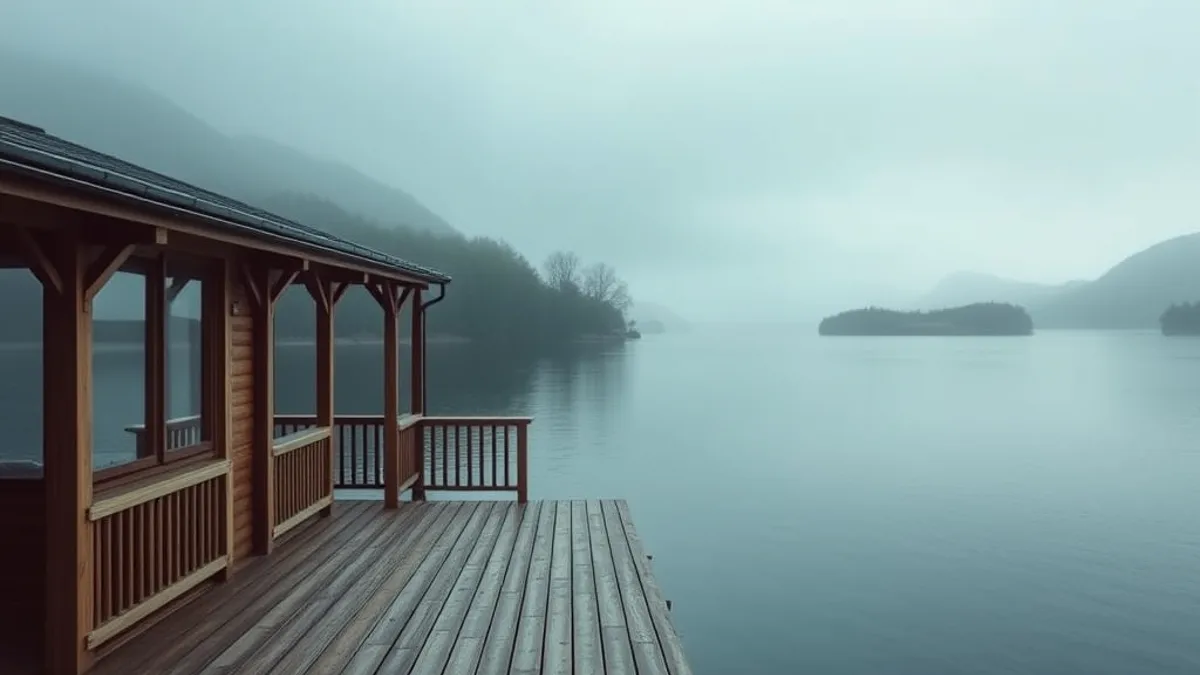
When to Book Cumbrian Villas for the Best Rates
The Lake District’s booking calendar is unforgiving in summer. Shorefront properties on Windermere, Ullswater and Derwentwater are limited in number, and the best of them sell out first. For June-to-August lakeside villas, lock in your dates 6 to 9 months ahead. If you leave it until spring, the remaining choice tends to be inland cottages and awkward changeover days rather than the water-view property you originally wanted.
The shoulder-season shortcut
May and September are the smart traveler’s months. Walking conditions are near-identical to high summer, with long daylight and trails that are far less crowded, and rates often run 30 to 40 percent below August peaks. That gap can be the difference between an inland cottage and a true lakeside lodge for the same budget.
Shoulder-season bookings are also more forgiving on timing. You can safely wait until 2 to 3 months out, when owners start discounting remaining weeks to fill the calendar. Check cancellation terms before you commit either way: early bookers should confirm the deposit and balance schedule, while late bookers should read the discount terms carefully. If a specific shorefront villa is non-negotiable, book early regardless of season; if flexibility matters more, let the shoulder season do the work for you.
Stay Types: From Stone Cottages to Lakeside Lodges
The Lake District’s stay types fall into three broad camps, and picking the right one matters as much as picking the right lake. A couple who book a ten-bedroom country house will feel lost in it, while a group of twelve squeezed into a stone cottage will spend the week apologizing to each other. Match the building to the group first, then refine by location.
Traditional Lakeland stone cottages are the classic choice for couples and small groups. They sit within walking distance of village pubs and shops, which matters on wet evenings when nobody wants to drive. Expect low beams, slate floors and log burners rather than panoramic views, and check parking arrangements carefully before booking.
Purpose-built lakeside lodges around Windermere and Ullswater take the opposite approach: floor-to-ceiling glass facing the water and a private deck for morning coffee. If watching weather roll across the lake from indoors sounds like the holiday itself, this is your category. For a different take on the lakeside lodge idea, our guide to Sweden villas for lakeside rest shows how the formula works elsewhere.
- Stone cottages usually have slate or flagged floors and small windows, so they feel cozy in bad weather but rarely offer much of a view from inside.
- Lakeside lodges are often set in purpose-built holiday parks with shared facilities such as pools or tennis courts, so check whether those amenities are included in your rate.
- Converted country houses sleeping 8 to 14 split a top-end nightly rate of around £600 across the whole group, which can work out cheaper per person than booking separate hotel rooms.
- Large houses typically come with grounds, so look for details on gardens, games rooms and whether linen for all bedrooms is included in the price.
Planning Lake Days and Fells Walks From Your Villa Door
The easiest way to enjoy the lakes is to stop trying to see all 16 basins in one trip. Build each day around a single lake: a morning launch cruise to get oriented, an afternoon shoreline walk while the light softens, then an early dinner back at your villa. This rhythm means you rarely drive more than once a day, and never after a pint of Cumbrian ale.
Villa-based travelers have an advantage over day-trippers here. You can start walks before the car parks fill, linger over breakfast, and return soaked without facing a hotel check-in desk. The same one-lake-per-day structure works beautifully for planning trips elsewhere too, as our guide to Killarney villas for lake days demonstrates with Ireland’s lake country.
Big walks from Ullswater
From Ullswater villas, you have direct access to the Helvellyn ridge, and the classic route via Striding Edge is one of England’s finest ridgeline walks. Give it an early start and budget roughly 6 to 7 hours for the full circuit. Check the mountain forecast the night before, since Striding Edge is exposed and should not be attempted in high winds or poor visibility.
Boat-and-boot days on Derwentwater
Derwentwater’s landing stages make it the easiest lake to combine boating and walking. Hop on a launch, ride part of the circuit, and step off for short walks such as the ascent of Catbells, all without moving your car from its spot. For walkers based in Keswick, this flexibility is the single biggest reason to choose Derwentwater over the bigger lakes.
What Cumbrian Villas Cost and What the Price Buys
Cumbrian villa prices swing enormously with season and proximity to water, so it helps to know the rough bands before you search. Outside peak weeks, a two-bedroom inland cottage typically costs £150 to £250 per night. That gets you full self-catering facilities, a living space most hotel rooms cannot match, and a base within driving distance of every major lake.
At the top end, true lakeside positions with private shoreline access command a serious premium in August. You are paying for the view, the water’s edge and often a private parking spot steps from the shore, which is scarcer than it sounds around the busiest lakes. If that stretches the budget, remember that inland cottages a short drive from the shore can cost a fraction of the price while keeping the fells and lake launch points within easy reach.
Booking by the week rather than by the night usually saves 15 to 20 percent. Be aware that most owners require Saturday-to-Saturday changeovers in summer, so your arrival and departure days are fixed whether the ferry timetable or your flight suits it or not.
- Summer Saturday changeovers mean the best properties may be gone a full season before anyone needs a mid-week arrival, so plan your leave dates around them early.
- Weekly discounts are often applied automatically on owner-direct listings, so compare the seven-night total rather than multiplying a nightly rate by seven.
- Check whether the quoted price includes heating, logs for the burner and WiFi, since some owners charge these as extras on shorter stays.
- Ask about deposits and cancellation terms before you commit, as owner-direct bookings can have stricter refund policies than agency listings.
Wrapping Up Your Lake District Villa Plan
A proper villa-style base in the Lake District comes down to three decisions made in order. Pick your lake first—Windermere for first-timers, Ullswater for quieter shores, Derwentwater or Coniston for walkers—then match the stay type to your group, whether that’s a stone cottage for two or a converted country house for twelve. Finally, book inside the right lead-time window: 6 to 9 months ahead for summer lakeside properties, or 2 to 3 months if you’re flexible on shoulder-season dates.
The two levers that keep a Cumbrian villa trip affordable are shoulder-season timing and inland cottages, which can bring a week down from peak August rates toward the £150 end of the scale. And whatever you choose, prioritize private parking near the shore—it turns the region’s logistics into part of the holiday rather than a daily fight for a space. Have you found your ideal Lake District base yet? Leave a comment or share this article with someone planning the same trip.