Three very different islands, one archipelago — which Canary Island actually fits the resort holiday you have in mind? Tenerife, Gran Canaria and Lanzarote all promise year-round sunshine and a short flight from mainland Spain, yet each delivers a noticeably different resort experience. This Canary islands resort guide breaks down what each island does best, so you can match the destination to the trip you actually want.
We’ll compare the big south-coast resorts of Tenerife, the compact beach hubs and dunes of Gran Canaria, and the low-rise, volcanic calm of Lanzarote. Then we’ll cover the practical side: when to book for the best mix of weather and price, what resort rooms typically cost on each island, and a simple way to choose between the three. By the end, picking your island — and your stay — should feel straightforward.
Tenerife: Big-Island Variety from South-Coast Resorts to Teide
Tenerife is the largest of the Canary Islands, and its resort map reflects that scale. The south coast — Costa Adeje and Los Cristianos in particular — concentrates the island’s biggest hotels and apartment resorts, and it also catches the most reliable sunshine. The trade winds that brush other parts of the archipelago tend to lose their grip here, which is why the south stays dry and beach-friendly for most of the year.
Resort comfort with serious day trips
What sets south Tenerife apart is how easily resort comfort combines with proper excursions. Teide volcano, the highest peak in Spain at 3,715 meters, makes an unforgettable day trip, and the waters off the southwest coast are one of Europe’s best spots for whale and dolphin watching. The capital, Santa Cruz, adds shopping and city atmosphere if you want a change from the pool.
The resort inventory here is the largest of the three islands, which means the widest price spread too. Family-run apartment stays can start around €90 a night, while the top luxury and spa properties reach €600. Whatever your budget, you’ll find options.
The trade-off is worth knowing before you book: the south is built-up, with purpose-made resort strips rather than quiet fishing villages. If you prefer greenery and a slower pace, the north around Puerto de la Cruz is lusher and more traditional — but it also sits in the path of more cloud, so expect a mix of sun and overcast days rather than the south’s near-guaranteed blue.
Gran Canaria: Beaches, Dunes and Compact Resort Hubs
Gran Canaria packs a lot into an island smaller than Tenerife, and that compactness is its biggest selling point for a resort holiday. The resort heartland sits in the south, where Maspalomas and Playa del Inglés line up behind one another, backed by the famous Maspalomas dunes — a rolling golden landscape that feels more Sahara than Atlantic.
Short transfers, easy logistics
Because the island is small, nearly every resort is within a 60-90 minute drive of the airport. That matters more than you might think: with a short transfer, you can land in the morning and be on the beach or by the pool by lunchtime, even with kids in tow.
Gran Canaria is also a strong pick for mixed groups. Family resorts with kids’ clubs, adult-only hotels for couples, and a lively nightlife strip all coexist in the south — sometimes on the same street. If your group spans generations or tastes, you can book different bases and still meet up easily.
The piece the pure resort zones lack is city life, and that’s where the capital, Las Palmas, comes in. It has genuine city beaches, an old town worth wandering, and an urban dining scene that goes well beyond resort menus. A day trip or even a split stay — a few nights in the city, the rest in the south — gives you the best of both without long drives.
Lanzarote: Low-Rise Resorts and Volcanic Scenery
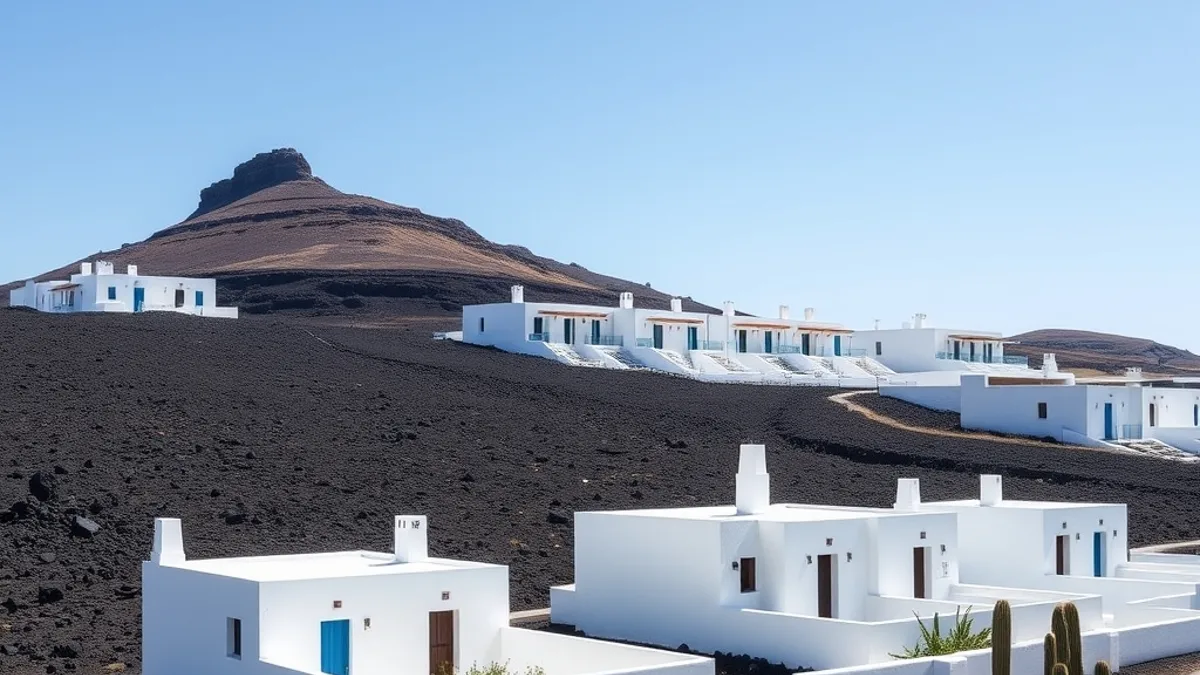
Lanzarote looks unlike any of its neighbors, and that’s largely by design. Strict local building rules keep resorts low-rise and whitewashed, so hotels blend into the black lava landscape rather than towering over it. The result is an island where the scenery — volcanic cones, lava fields, vineyards growing in stone pits — stays the star, even in the busiest resort zones.
Three resorts, three moods
The main resort zones each have a clear personality. Puerto del Carmen is the classic choice, with a long seafront promenade, beaches and the island’s most active nightlife. Costa Teguise, further north, leans toward families, with calmer waters and a relaxed pace. Playa Blanca in the south is the quietest of the three, known for calm conditions and a slower rhythm.
This is the island for design-minded travelers and couples who want scenery over big-hotel buzz. If your idea of a resort holiday includes striking architecture, dramatic drives and evenings that end early, Lanzarote fits better than the larger resort scenes of Tenerife or Gran Canaria.
One practical note: Lanzarote is the driest and windiest of the three islands. The trade winds are a blessing in summer, cooling days that would otherwise be scorching, but they can feel strong on exposed beaches. If you’re sensitive to wind, pick a sheltered cove or a hotel with protected pool areas, and check beach conditions before committing to a spot for the day.
When to Book a Canary Islands Resort
The Canary Islands work year-round, but the sweet spots for resort stays are May-June and October-November. In those months the sea sits at a comfortable 21-24°C, warm enough for long swims, while the beaches and pool decks are noticeably quieter than in peak season. The weather stays mild too, with average highs somewhere in the middle of the islands’ 21-29°C yearly range. Rates drop as well, which means the same seafront room that costs a fortune in August can suddenly fit a modest budget, and you may find better availability at the resorts that sell out months ahead in summer.
Winter is a different story. From December through March, the islands fill with northern Europeans chasing sunshine, and resort prices climb accordingly, even though the weather is only mildly warm at 21-23°C. If you want a winter escape, accept that you are competing with half of Germany, Scandinavia and Britain for the best rooms. Book early, stay flexible on dates, or look slightly inland from the seafront to find fairer value.
Timing your booking matters as much as timing your trip. Leave it too late in the high season and you will be choosing between leftover rooms and inflated rates, especially for family rooms and sea-view suites.
- July-August stays: book 2-4 months ahead to keep a real choice of resorts and room types instead of settling for what is left.
- Christmas and New Year weeks: these need 3-5 months of lead time, since the most desirable rooms sell out first.
- Shoulder-season savings: rates in May-June and October-November often fall 20-40% below high-season levels, sometimes enough to move you up a resort category.
- Sea temperature check: if swimming matters more than sunbathing, favor the shoulder months, when the 21-24°C water feels far kinder than the cooler Atlantic of midwinter.
What Canary Islands Resorts Cost
Resort pricing across the three islands is refreshingly similar, so your budget usually decides the category of stay rather than the destination. A standard double room in a mid-range resort typically runs €90-250 per night everywhere, whether you are in south Tenerife, Maspalomas or Puerto del Carmen. That spread covers everything from simple family-run apartment resorts to polished four-star properties with several pools.
Move up to luxury and spa resorts and the range stretches from €250-600 per night. The top end of that band is concentrated in south Tenerife, where the largest five-star inventory of the three islands sits along the Costa Adeje coastline. Lanzarote and Gran Canaria have excellent upscale options too, but fewer of the flagship properties.
All-inclusive changes the math again. Packages typically add a meaningful premium per person per night over room-only rates, which can work out well for families who would otherwise pay separately for meals, snacks and drinks. Run the numbers honestly, though: a couple planning dinners out at local restaurants will often save by paying room-only and eating away from the resort.
- Room-only vs. board: half-board often lands between the two extremes, and suits travelers who want lunch out at beachside cafés rather than another buffet meal.
- Christmas-New Year spike: prices jump sharply in that window on every island, regardless of category, so even mid-range rooms can approach luxury-season rates.
- Shoulder-season savings: the May-June and October-November sweet spots bring noticeably lower rates across all three islands, so the same resort can cost far less outside the peak weeks.
- Compare like with like: check whether quoted rates include resort fees, parking or a tourist tax, and confirm current details with the property before you book.
How to Choose Between the Three Islands
All three islands deliver reliable sunshine and resort comfort, so the real decision comes down to what you want around the pool. If your priority is the widest possible choice of hotels plus easy day trips, south Tenerife is the answer. It has the largest resort inventory of the three, and excursions like Teide volcano at 3,715 m, whale watching trips and a visit to Santa Cruz are all within reach. The trade-off is that the south coast is the most built-up stretch of the three islands, so expect a dense strip of hotels rather than quiet coves.
If you dread long transfers and want more than just a beach, Gran Canaria fits better. Because the island is compact, you can land, collect your bags and be checked into a Maspalomas resort in time for a late lunch, which matters when you are traveling with tired children. Las Palmas adds city beaches and urban dining that the pure resort zones lack, giving you a genuine city break bolted onto your beach week.
If you would trade big-hotel buzz for scenery and calm, Lanzarote is the pick, with its low-rise whitewashed resorts set against a dramatic lava landscape.
- Mixed groups: Gran Canaria handles them best, because family resorts, adult-only options and a lively nightlife strip coexist around Maspalomas and Playa del Inglés.
- Island hopping: inter-island flights take 40-60 minutes, making a two-island trip realistic, while ferries take 2-6 hours and suit travelers with more time than urgency.
- Design-minded couples: Lanzarote’s strict local building rules keep everything low-rise and whitewashed, which is exactly the aesthetic that draws photographers and honeymooners.
- Excursion lovers: south Tenerife’s day-trip menu, from the Teide cable car to boat trips looking for pilot whales, is the deepest of the three islands.
Picking Your Island, Picking Your Stay
So, which island should anchor your Canary Islands trip? Tenerife rewards travelers who want big resorts with plenty of excursions on the side, Gran Canaria packs beaches, dunes and city energy into a compact island, and Lanzarote trades hotel towers for whitewashed, low-rise calm. There is no wrong answer here — it comes down to what you want your days to look like once you step outside your hotel.
A couple of practical notes before you commit. The flight from mainland Spain takes roughly 2.5-3 hours, so even a long weekend is realistic without burning half of it in transit. If you genuinely can’t settle on one island, hopping between them is easier than many first-time visitors expect, though it pays to compare flight and ferry schedules with your operator before locking in dates. And whatever you book, confirm current rates and any local tourist taxes directly with the resort, since these tend to shift from year to year.
Found this useful? Leave a comment with the island you’re leaning toward, or share this guide with the person you’ll be traveling with — choosing together is half the fun.