Many travelers book a resort half-board package assuming it covers every meal and drink of their stay, only to find a string of extra charges on the bill at checkout. That bottled water at dinner, the cappuccino after the meal, the lunch you assumed was included — each one can turn a seemingly good deal into a costly surprise. The confusion is understandable, because half-board means different things at different properties, and the fine print rarely announces itself.
This guide walks you through what a resort half-board package actually includes, what it usually leaves out, and how it compares to full-board and all-inclusive options. You’ll also find realistic cost expectations, the fine print to check before booking, and an honest look at when half-board is worth the money — and when you’re better off skipping it entirely.
What a Resort Half-Board Package Actually Includes
A resort half-board package has a fairly standard definition: it covers breakfast plus one main meal, most often dinner, served in a designated restaurant at the property. That’s it. Two meals a day, eaten on site, with everything else — drinks, snacks, extra courses — handled separately. The package usually restricts you to one designated restaurant per night, so if the resort has several dining venues, your choice may be limited to the main restaurant unless you pay a supplement.
In practice, most half-board meals are served as a buffet or a set menu rather than à la carte. Buffets are the more common format at larger resorts, letting you help yourself to starters, mains and desserts from a fixed selection. Set menus typically offer two or three choices per course. If you were picturing ordering freely from the full dinner menu, adjust your expectations before you book.
Timing and table rules
Dinner service windows are typically fixed, and at many resorts they run roughly from 19:00 to 22:00. If you plan a late excursion or a long spa treatment, check whether the kitchen will still be serving when you return. Breakfast windows are usually more generous, but they are set times too, not an all-morning affair.
At resort properties, dinner often comes with a few formalities. You may be allocated a table for the length of your stay rather than choosing a new one each evening, and dress codes at dinner are common — long trousers for men and no beachwear are typical requirements, even at otherwise relaxed properties. Pack accordingly, because arriving in swim shorts may mean being turned away from the restaurant.
What Half-Board Usually Leaves Out
The exclusions are where half-board packages catch travelers out, and they catch them out consistently. The biggest surprise for most guests is drinks: at dinner, even water and coffee are frequently billed separately. That means the glass of tap water you asked for alongside your set menu shows up as a line item, and so does the espresso you ordered at the end. Alcoholic drinks, soft drinks and anything from the bar are, of course, extra as well.
Lunch is almost never included, so plan for daytime meals outside the package. If you spend every day at the resort pool, those lunches add up quickly and can quietly erase the savings you thought half-board offered. Before booking, do a rough calculation of what you’ll realistically spend on midday food and decide whether the package still makes sense.
- Minibar: anything you take from the room fridge is charged to your account, often at prices well above local shop rates, so check the price list before you open anything.
- Room service: even if the food itself seems similar to restaurant dishes, room service usually carries both a per-order charge and a service fee, and it is never part of the meal plan.
- Snacks between meals: the poolside snack bar, afternoon pastries at the lobby café and ice cream by the beach are billed separately, which matters most at resorts where meals are spaced far apart.
- Specialty restaurants: venues beyond the designated main restaurant — teppanyaki counters, beach grills, fine-dining rooms — usually cost extra, and some resorts charge a supplement to dine at à la carte venues even when you hold a half-board package.
Ask the resort for a written summary of what the package covers before you pay. A two-minute email can save you an unpleasant conversation at checkout.
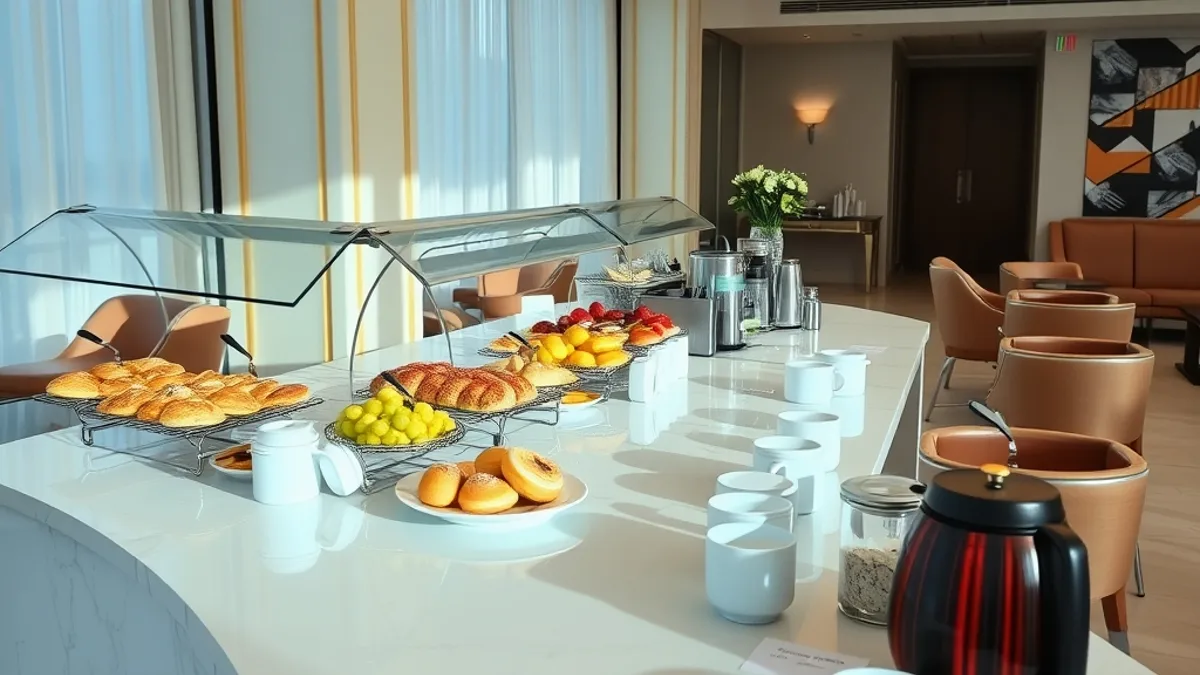
Half-Board vs Full-Board vs All-Inclusive
The three main resort meal plans sit on a clear ladder, and knowing where each one stops is the key to choosing well. Half-board covers breakfast plus one main meal, usually dinner, with drinks excluded. Full-board adds lunch to that, giving you three meals a day, but it still excludes most drinks — so your water, coffee and wine at every meal remain extra. All-inclusive sits at the top: it adds lunch, snacks and most local drinks on top of the other two plans.
That extra coverage comes at a price. All-inclusive typically costs 50-100% more than half-board at the same property, which is a significant jump for travelers who don’t intend to use everything it includes. The right choice depends less on the plan itself and more on how you plan to spend your days.
When half-board fits your travel style
Half-board suits travelers who plan to leave the resort for lunch and explore the destination. If your days involve hiking trails, old towns, markets or beach clubs nearby, you’ll want to eat where you are — and return to the resort for a relaxed, pre-paid dinner. You get the convenience of a set evening meal without paying for a lunch you’d never eat on site.
When the other plans make more sense
All-inclusive suits beach stays where guests rarely leave the property. If you’re settling in for a week of pools, sun loungers and sunset cocktails without venturing past the gate, paying per meal and per drink would quickly cost more than the flat rate. Full-board is the middle path worth considering if you’ll stay on site all day but don’t drink much — you get lunch covered without paying the premium for unlimited beverages you may barely touch.
How Much a Half-Board Package Costs
The easiest way to think about half-board pricing is as a daily supplement on top of your room rate. In Europe, that supplement typically works out to roughly 30-50 euros per person per day over room-only rates. On a one-week trip for two, you are therefore looking at somewhere in the region of 420-700 euros added to the bill, depending on the property.
That range is a starting point, not a ceiling. Upscale resorts in destinations like Santorini or Baden-Baden can charge well above it, especially where the included dinner is served in a showcase restaurant with views or a set tasting menu. At properties like the cliffside hotel in Oia we reviewed in detail, the premium reflects both the setting and the food, so the supplement can sit noticeably higher than at a family resort on a package-heavy island.
How to judge whether the supplement is worth paying
Compare the package price against realistic local restaurant costs rather than gut feeling. Add up what you would actually spend on breakfast plus dinner each day at nearby places, including a glass of wine or two, and see how close you get to the supplement. Keep in mind that drinks at dinner are usually excluded and billed separately, so the package rarely covers your full evening spend.
Couples should double-check per-person pricing before booking. Supplements are quoted per guest, not per room, so a figure that sounds modest for one traveler doubles for two people sharing. Ask the hotel or your operator to confirm the total for your entire stay, in writing if possible, so there are no surprises at checkout.
Fine Print to Check Before Booking
Half-board terms vary more between resorts than most travelers expect, and the differences usually show up on the final bill rather than in the brochure. Before you book, spend a few minutes reading the meal conditions, either in the rate description or by emailing the property directly with your questions. Ten minutes of checking now can prevent an awkward conversation at checkout later. The questions below are the ones that most often catch guests out.
- Which restaurant is covered? Your meals will often be limited to a single venue each evening, so confirm that the restaurant included in your rate is the one you actually want to eat in, and whether you need to reserve a table in advance.
- Can dinner be swapped for lunch? Some resorts allow this with 24 hours’ notice, which is handy if you have a day trip or an evening excursion planned. Ask how the swap is arranged and whether it applies every day or only on certain days of the week.
- When does the package start? Check whether your first meal is on the arrival day itself or only from the first full day, and whether the last breakfast is included on departure morning. Late arrivals can otherwise lose a paid dinner without realizing it.
- What happens to unused meals? Most resorts do not refund or transfer missed dinners, so if your itinerary includes several nights away from the property, factor that into whether the package makes sense at all.
It also pays to get answers in writing, since front-desk staff and booking platforms sometimes describe the same package differently. A short email confirming exactly what is included, where it is served and on which days gives you something concrete to point to if an unexpected charge appears on your final bill. Keep that message handy until your stay is fully settled.
When Half-Board Is Worth It
Half-board earns its keep in specific situations, and the strongest of them is remoteness. At resorts with few dining options nearby, such as properties around Iguazú, the included dinner is less a convenience than a necessity. When the nearest alternatives are a long drive away and your days are spent on excursions, having a reliable evening meal at the hotel removes daily planning entirely. The riverside resort at Puerto Iguazú we reviewed is a good example of the kind of property where the package pays for itself in practicality alone.
Where the food itself justifies the package
Wine-region stays are another natural fit. Resorts in areas built around vineyards and local producers often design their included dinners to showcase regional ingredients, sometimes paired with wines from the surrounding estates. In that setting, half-board stops being a cost-saving measure and becomes part of the experience you came for.
Trip length matters too. Short stays of 2-4 nights benefit most, since you rarely tire of eating in the same restaurant over just a few evenings. On a week-long stay, even a good dinner venue can start to feel repetitive, which is when the package loses some of its appeal.
The opposite applies in cities and towns dense with restaurants. If you are staying somewhere with dozens of appealing places to eat within walking distance, half-board locks you into the hotel every evening for money you could spend more interestingly elsewhere. In that case, room-only or breakfast included is almost always the better choice, and you can simply book the hotel’s restaurant on a night or two when it appeals.
Wrapping Up Half-Board Packages
A resort half-board package bundles your morning meal with one main meal later in the day, most often dinner, while leaving drinks and lunch out of the deal. That single sentence clears up the most common misconception: half-board is not full board, and it is definitely not all-inclusive. If you expect every meal and every drink covered, you will likely face extra charges at checkout for water at dinner, daytime snacks and anything from the minibar.
In practice, it typically adds 30-50 euros per person per day over room-only rates in Europe, and it suits remote resorts or short stays of a few nights best. The smartest move is simple: read the meal terms before booking, confirm which restaurant is included and ask about dinner service windows so the package matches your plans. If half-board has saved you money or cost you a surprise, share your experience in the comments below.