A two-night lodge stay often feels too short to justify the trip. You wonder whether 48 hours is enough to unwind, whether the drive will eat up half your break, and whether you’ll spend more time packing and planning than actually relaxing. That doubt stops a lot of travelers from booking what could be the easiest, most restorative trip of the year.
The truth is that two-night lodge breaks work remarkably well when you plan them with a light touch. In this article, you’ll find why a 48-hour stay can deliver more rest than a rushed week away, how to choose a lodge within easy driving distance, and when to book for the best rates and quietest trails. We’ll also cover realistic budgeting, a day-by-day itinerary that leaves room to do nothing at all, a light packing list, and how to turn the occasional lodge weekend into a regular habit.
Why Two-Night Lodge Breaks Work Better Than You Think
Most travel stress comes from trying to see too much in too little time. A 48-hour stay flips that problem on its head: with only two nights, there’s simply no room for a packed itinerary, so you’re forced to slow down and actually rest. Instead of ticking off sights, you settle into one place and let the days unfold.
Lodges make this easy because everything is bundled together. Your room, your meals, and usually a handful of on-site activities — trails, a lake, a fireplace lounge, sometimes a spa — are all within a short walk. There’s no daily debate about where to eat, no driving between attractions, no wasted hour figuring out logistics. The time you’d normally spend coordinating a trip goes straight into relaxing.
The drive becomes part of the trip
Short breaks close to home have another quiet advantage: travel fatigue nearly disappears. A drive of a few hours is long enough to feel like an escape but short enough that you arrive energized rather than exhausted. You can leave mid-morning, stop for coffee or a scenic overlook along the way, and treat the journey as the opening chapter of the break instead of an obstacle to survive. By the time you check in, the trip has already begun.
Choosing a Lodge Within Reach: Distance and Destination
The single most important decision for a short lodge break is distance. Keep the drive under 3 hours of home so you arrive by early afternoon with a full first evening ahead of you. If the drive stretches past that, you lose the very thing a two-night trip is supposed to deliver: time to unwind. A lodge you can reach for lunch is a lodge you can enjoy by dinner.
Destination matters just as much as distance. With only 48 hours, you want one anchor attraction — a national park, a lake, a ski area — rather than a long sightseeing list. A single strong focal point gives your one main activity a clear shape, and everything else can stay unstructured. Coastal lodges are a great example: a stay like the one described in this Kalaloch Lodge review works because the ocean and the national park around it do all the heavy lifting.
Finally, match the setting to the season so the lodge’s surroundings are at their best during your stay. A few pairings that consistently work well:
- Foliage country in September-October: book early, because leaf-peeping weekends in mountain and lakeside regions fill fastest and often carry peak-season rates.
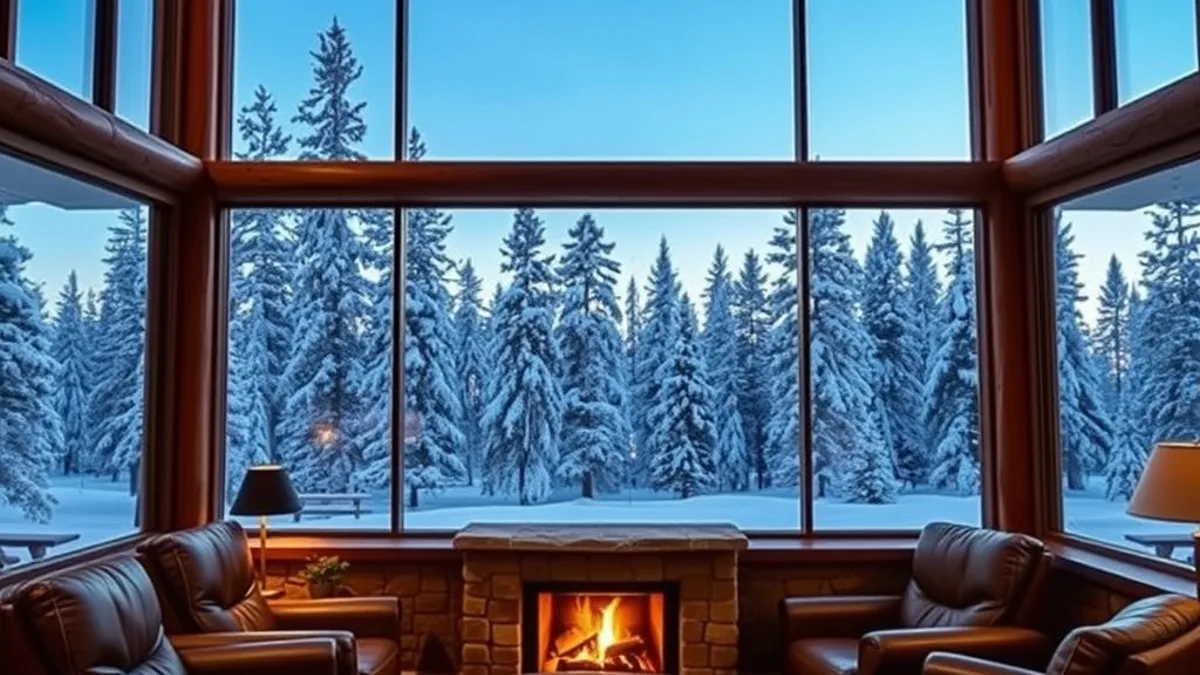
- Snow lodges in December-February: pick a lodge with fireplaces, hot tubs or ski-in access so bad-weather days still feel like part of the experience rather than a washout.
- Lake lodges in late spring: water is cold but trails are quiet, and you often get shoulder-season pricing before the summer rush arrives.
When to Book: Timing Your Two-Night Lodge Break
Small lodges typically have a limited number of rooms — sometimes fewer than twenty — so weekend availability disappears early. Reserve weekend stays 2-3 months ahead, and earlier still if you’re targeting a popular foliage or ski window. Booking late for a two-night weekend break usually means choosing between leftover rooms at awkward prices or pushing the trip to another month entirely.
Go midweek to save and breathe
If your schedule allows it, shift your dates to Sunday-Tuesday. Midweek two-night breaks can cost 20-30% less than the same stay on weekend dates, and the difference goes beyond price. Dining rooms are calmer, the lounge fireplace is unclaimed, and trailheads near the lodge are noticeably quieter. For a break built around rest, those empty common spaces are worth as much as the discount.
Use the shoulder months
Shoulder months like May-June are the sweet spot for popular park lodges. Rates sit below peak levels, trails are largely empty, and the weather is usually settled enough for hiking. The same logic applies on the other side of summer: late September and early October combine thinner crowds with the start of the foliage season in many regions. Check the lodge’s calendar before locking in dates, since some properties close or reduce services in the deepest off-season months.
Budgeting for a Short Lodge Stay
Lodge pricing varies more than most travelers expect, and a two-night stay gives you room to be selective. Across most regions, you can expect roughly $150-$450 per night depending on the season, the region and the room type you choose. A standard room at a lakeside lodge in shoulder season sits at the low end, while a fireplace suite during peak foliage or ski season climbs toward the top.
Food is the second-biggest line item, and it is worth planning for. Many lodges anchor the whole experience around their restaurant, so dinner on arrival night and one splurge meal during your stay are not extras to avoid, they are part of the reason you booked. Check whether breakfast is included in the room rate before you budget, since policies differ widely between properties.
Finally, resist the urge to book several small extras. One well-chosen paid add-on delivers more value than three half-used ones.
- Ask about minimum-stay rules. Some lodges require two nights on weekends anyway, which works in your favor, but a few popular properties ask for three during peak dates, so confirm before you commit.
- Check what activities are already included. Many lodges bundle kayaks, trails, firewood or morning coffee into the rate, and knowing this upfront can save you from paying for add-ons you already have.
- Compare room types honestly. A mid-range room plus one spa treatment often beats a top-tier suite with nothing left in the budget, especially when you plan to spend your days outside.
A 48-Hour Itinerary That Actually Feels Relaxing
The secret to a relaxing 48-hour lodge break is doing less than you think you should. Plan a maximum of 2 main activities per day, and honestly, one is often enough. The most common mistake travelers make is treating a short lodge stay like a compressed vacation, cramming in viewpoints, shops and side trips until they return home more tired than they left. A lodge break works because it gives you permission to stop. Here is a rhythm that works.
- Day one: arrive and settle in. Aim to reach the lodge by early afternoon so you inherit a full first evening. Check in, take one short walk on a nearby trail or a scenic drive to get your bearings, then settle in with dinner at the lodge itself. No errands, no second destination, no rush. If the lodge has a fire pit or a lounge with a view, that is your evening plan.
- Day two: one main activity, one slow afternoon. Put your single big plan in the morning, whether that is a hike, a lake visit or simply a long loop walk from the front door. Keep the entire afternoon unplanned: the fireplace, the hot tub and a borrowed book are the agenda. If you want a sense of how good this pace can feel, our Lake Placid Lodge review shows what an unhurried lodge day looks like in practice.
- Day three: slow breakfast, one last look. Order breakfast without checking the time, then stop at one final viewpoint on your way out. A mid-morning departure gets you home with the afternoon still intact, which is what makes the whole trip feel like a break rather than a production.
The pattern behind all three days is the same: one planned thing, then deliberate emptiness. Protect the empty blocks as firmly as the planned ones, because that is where the rest actually happens. If you feel the itch to fill a gap, resist it. Sitting on the porch watching the light change is not wasted time on a lodge break; it is the entire point. Save the longer sightseeing lists for trips with more days to spare.
Packing Light for Two Nights at a Lodge
Two nights is the easiest packing test there is, and most people still fail it by bringing a full suitcase for a weekend away. One daypack per person plus a single shared duffel covers a 48-hour lodge stay with room to spare, and it leaves your trunk space free for snacks, blankets and anything you pick up along the way. The trick is packing for the season in layers rather than packing for every possible scenario. Since you are limited to a maximum of 2 main activities per day, you genuinely do not need a different outfit for each one.
Think in terms of a base, a warm middle and a weatherproof outer layer, then add footwear that matches the terrain. Lodges are casual by nature, so one presentable outfit for dinner is plenty, and nobody will notice if you repeat a sweater two evenings in a row. Leave the dress shoes at home entirely.
- Waterproof shell and boots for autumn trips. September and October foliage country can turn wet and muddy overnight, and damp trails are the norm rather than the exception, so treat waterproof footwear as essential rather than optional.
- Thermal base layers for winter lodges. Snow-season stays between December and February mean cold mornings on the deck and icy walkways between buildings, so pack thin thermal tops and bottoms you can wear under everything without bulk.
- A headlamp for early departures. Winter sunrises and pre-dawn trail starts happen in the dark, and a hands-free light beats fumbling with a phone flashlight on uneven ground.
- A reusable water bottle. Fill it at the lodge before heading out; trailheads near lodges rarely have reliable water sources, and dehydration sneaks up faster in cold weather than most people expect.
- A small daypack. You will want it for the morning hike or scenic walk on day two, and it doubles as your carry-on for the drive home.
Making Two-Night Lodge Breaks a Habit
So, is 48 hours at a lodge really worth the drive? It can be, as long as you plan around the short timeframe instead of against it. A well-planned two-night lodge break pairs a short drive with one anchor activity and slow lodge time, so you come home rested rather than exhausted from a packed schedule.
The logistics are easier than most travelers expect. Booking 2-3 months ahead and choosing midweek dates keeps costs in the $150-$450 per night range manageable, and arriving by early afternoon gives you a full first evening to settle in. Done right, 48 hours at a lodge can feel as restorative as a week away. If you have tried a short lodge break, tell us how it went in the comments or share this article with someone who needs a quick escape.