The hardest part of a remote lodge stay is often the final stretch of the journey, where a wrong transfer choice can cost hours or strand you entirely. Once you leave the last regional airport or highway town, schedules thin out fast: shuttles may run once a day, gravel roads can turn to mud, and small planes only fly when the weather cooperates. That is why planning your remote lodge transfers deserves as much attention as booking the room itself.
This guide walks through the whole final leg. We start with why access to remote lodges needs extra planning, then look at lodge shuttles and private transfers, driving yourself on gravel and seasonal roads, and arriving by light aircraft with its luggage limits and booking windows. You will also find sample routes that combine several modes, a comparison of road versus air by budget, time and comfort, and a short checklist to keep your arrival smooth.
Why Getting to Remote Lodges Takes Extra Planning
Remote lodges exist precisely because they sit far from everything else, and that includes public transport. The last 50-300 kilometers from the nearest hub typically have no buses or trains, so you rely on a lodge shuttle, your own rental car or a light aircraft to close the gap. Unlike a city hotel, there is rarely a taxi rank waiting at the end of the line, which means every option needs to be arranged before you arrive.
Seasons change everything
Access is not fixed year-round. Snow can bury mountain passes, spring mud can make gravel impassable, and flooding can wash out low bridges, closing roads entirely for months at a time. Many remote access roads close or become 4WD-only between November and April, and some lodges switch to boat or aircraft access in wet seasons. Always check what the route looks like during your specific travel dates, not just in summer photos.
Why arrival timing matters
Many airstrips and transfer services run only one or two scheduled departures per day. Miss the afternoon shuttle and you may be waiting until the next morning, with nowhere comfortable to sleep in between. Airstrips in remote areas often have no terminal, no lighting and no staff, so flights land when conditions allow and not on a fixed clock. Build your itinerary around the departure times your lodge or air operator confirms, and give yourself buffer time for delays on the way in.
Lodge Shuttle Transfers: When They Make Sense
Before you book a rental car or a seat on a small plane, ask the lodge directly whether it runs its own shuttle. Many do, and some offer free transfers within 30-60 minutes of the nearest hub, while others charge a fee per vehicle or per person. A lodge shuttle is often the simplest option because the driver knows the road, the weather and the exact arrival window the lodge expects.
Private transfers cost more, but they suit travelers arriving on late flights or carrying heavy luggage. Instead of waiting for a fixed daily run, a private driver meets you when you actually land, which matters if your regional flight is delayed or you land after the last shared shuttle has gone.
Whichever option you choose, confirm the exact pickup point when you book and reconfirm 48 hours before arrival. Drivers often work fixed daily runs between the lodge and the nearest town, so a missed confirmation can mean the vehicle leaves without you.
- Ask what vehicle you will travel in. A shared minivan handles gravel differently from a 4WD pickup, and knowing the vehicle type helps you judge whether your luggage and the road conditions will be manageable.
- Check whether the transfer is timed to specific flights or ferries. Some lodge shuttles align with particular regional flight arrivals, so booking a flight 30 minutes after the scheduled pickup can leave you stranded overnight in the hub town.
- Clarify who pays for extras. Tolls, park entrance fees along the route, or a surcharge for night driving are sometimes added to the transfer bill at the end, so ask upfront what the quoted price includes.
- Get a contact number for the driver or dispatcher. If your connecting flight is delayed, a quick message can hold the vehicle or rebook you on the next run instead of losing your seat entirely.
Driving to Remote Lodges: Roads, Rentals and Seasonal Closures
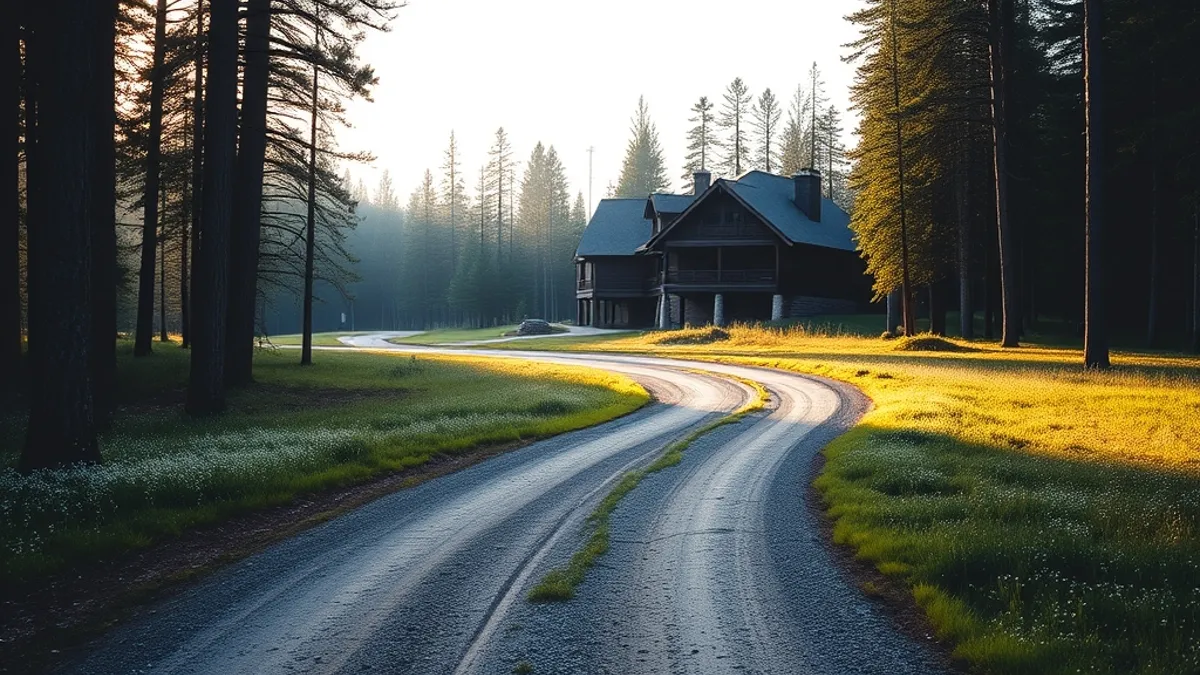
Driving yourself to a remote lodge gives you freedom to stop, detour and travel on your own schedule, but the final stretch demands more preparation than an ordinary road trip. Before you commit, find out whether the last section is paved, gravel or 4WD-only, because that single detail shapes your rental choice, your timing and your fuel plan. It also affects your insurance, since many rental agreements treat unpaved roads differently from sealed highways. A quick email to the lodge usually settles the question in a day, and their answer often includes practical notes on current conditions that no map app will show you.
- Check the road surface for the entire route. Ask the lodge or the rental company whether the final stretch is paved, gravel or 4WD-only, and whether any section requires high clearance. A road that is easy in dry conditions can become slow and punishing after rain.
- Book a vehicle suited to gravel. Rental cars approved for gravel mountain roads often cost $70-120 per day plus insurance, and some companies require a specific vehicle class for unpaved routes. Confirm in writing that gravel driving is allowed under your rental agreement.
- Plan around seasonal closures. Many mountain and forest roads shut or become 4WD-only from November to April, so check the current road status shortly before departure rather than relying on a route plotted months earlier.
- Budget 1-4 hours for the gravel section. From the last town, unpaved stretches commonly take 1-4 hours depending on distance, surface and weather. Aim to arrive before dark, since remote roads are usually unlit and hazards like potholes, livestock or fallen branches are hard to spot at night.
- Fuel up at the last town. Stations can be 100 km or more apart, so fill the tank completely even if it looks half full, and carry some water and snacks in case of a breakdown or a long wait for help.
Lodges that sit at the end of a long seasonal approach reward this preparation. A stay at a property like Signal Mountain Lodge in Moran, United States shows how the drive itself becomes part of the experience when you plan the road, the rental and the timing properly. The scenery along the way often rivals what awaits at the lodge, and having your own vehicle means you can pause for photos, wildlife or a short walk whenever the mood strikes. Do that homework, and the gravel turns from an obstacle into the most scenic hour of your trip.
Light Aircraft Access: Costs, Booking and Luggage Limits
For lodges with no road access at all, a light aircraft is often the only way in. Seats on scheduled or scenic bush flights typically cost $150-400 per person one way, and the flight itself usually takes just 30-90 minutes from the nearest regional airport. That hour in the air can replace a full day of rough driving, so the price is easier to justify than it first looks.
Capacity is the main constraint. Small planes and helicopters carry only 3-8 passengers, so seats sell out quickly in the June-September peak season. Booking 4-8 weeks ahead is the safe rule of thumb, and later than that you may be waiting for a cancellation or paying for a charter of the whole aircraft.
Luggage is the other detail travelers underestimate. Weight limits are usually 10-15 kg per passenger, and soft duffel bags are strongly preferred because they fit the narrow baggage compartments of small aircraft. Hard-sided suitcases may be refused outright or charged as extra freight, so pack accordingly and leave room for anything the lodge stores for you.
- Check in early: small airstrips often want passengers at the terminal 45-60 minutes before departure, since weight and balance calculations are done on the spot.
- Ask about child pricing: some operators weigh passengers and luggage together, which changes how a family’s total allowance is calculated.
- Get the operator’s weather policy in writing: many will rebook you on the next flight free of charge, but a few treat weather cancellations differently from their own cancellations.
- Confirm where you land: some lodges have their own private strip, while others use a shared community airstrip a boat ride away from the lodge itself.
Finally, treat the flight as weather-dependent. Fog, wind and storms ground small aircraft regularly, so build a buffer day into your itinerary on both ends of the trip. If you have an international flight to catch the same day you fly out of the bush, you are stacking two weather-dependent journeys on top of each other.
Combining Transfers: Sample Routes to Real Lodges
Very few remote lodge journeys involve a single transfer. The typical trip pairs a regional flight or train to a hub town, a 1-4 hour shuttle or drive on the final stretch, and sometimes a last leg by boat or 4WD vehicle. The trick is to treat these legs as one connected itinerary rather than separate bookings, because a missed connection at the hub can cost you a full day if the next transfer only runs once daily.
Mountain lodges in the Alps and Rockies
Lodges high in the Alps or the Rocky Mountains often sit at the end of seasonal roads that shut down for the winter months, so the way you arrive can look completely different depending on when you travel. A common route is a train or short flight into a regional hub, followed by a scenic drive that can take several hours on narrow mountain roads. In winter, some of these lodges switch to snowcat or snowmobile transfers entirely, so ask the lodge how the final leg works in your specific season before you book anything else.
Lakeside and island lodges
For lodges on lakes or islands, the last road leg is often replaced by a boat transfer. These usually run on fixed daily departure times, sometimes only once or twice a day, which means your arrival flight or drive needs to connect with the boat schedule, not just the lodge. If you land at the regional airport in the late afternoon, you may spend a night in the gateway town whether you planned to or not.
Whatever the combination, email the lodge your full arrival itinerary when you book. Good lodges coordinate these legs for you, and they will often flag problems you would never spot on your own, like a shuttle that leaves the airport an hour before your flight lands.
Choosing Between Road and Air: Budget, Time and Comfort
There is no single right way to reach a remote lodge. Driving suits travelers with flexible schedules who want scenery along the way, and it gives you freedom to stop in towns you would otherwise fly over. Flying suits short trips of 3-5 nights, where a full day of driving each way would eat up a third of your vacation. Families with lots of luggage often find a private shuttle easier than aircraft weight limits, since a 10-15 kg allowance per passenger disappears fast once you add kids’ gear and cold-weather clothing.
The biggest mistake is comparing only ticket prices. Look at total door-to-door time instead: a light aircraft seat can save you a full day of gravel driving, and that day has a real value when your lodge stay is measured in nights rather than weeks. Before deciding the flight is expensive, add up the shuttle, the fuel, the full cost of renting a suitable gravel-ready car with insurance, and the hours behind the wheel.
- Factor in overnight stops: a long drive may force a hotel night in the gateway town on the way in, which narrows the price gap with flying considerably.
- Consider who is driving: a 1-4 hour gravel section after a long-haul flight is tiring, and the passenger in the group does not share the burden equally.
- Think about the return leg: flying in and driving out, or the reverse, lets you experience both and keeps costs down on one direction.
- Check cancellation flexibility: road transfers usually run in most weather, while small aircraft flights can be grounded, which matters if your dates are rigid.
If you are still torn, let the length of your stay decide. Long trips reward the slow scenic route; short trips almost always justify the flight.
Wrapping Up Your Remote Lodge Journey
Once you’ve weighed shuttles, rental cars and light aircraft against each other, the last leg of the trip usually comes down to a few smart habits rather than luck. The travelers who arrive relaxed tend to do the same three things: they book early, they verify conditions before departure, and they pack with their mode of transport in mind.
Booking early matters most for small planes. Light aircraft seats to remote airstrips typically cost $150-400 per person one way, and during peak season (June-September) you’ll want to reserve 4-8 weeks ahead. If you’re driving instead, reserve your gravel-ready rental car well in advance too, since these vehicles are often in short supply near popular parks.
Checking conditions is equally simple. A quick email or call to the lodge a few days before you travel can confirm whether your road is open, whether your shuttle is still running on schedule, and whether the weather looks suitable for flying. Lodges handle these questions every day and are usually happy to help you adjust plans.
Finally, pack for your transfer. If you’re flying in, keep luggage within the usual 10-15 kg limit and use a soft bag rather than a hard suitcase. If you’re driving, leave room for supplies, since shops thin out quickly once you leave the last town. Get these details right and the journey itself becomes part of the experience. If you’ve made a trip like this before, share your tips in the comments below.