You’ve probably pictured Nepal as a string of rustic mountain huts where you sleep and eat your way up the trail. But what does a teahouse actually offer in terms of comfort, food and cost? If you can’t answer that, it’s hard to judge whether a teahouse lodge trek suits your style of travel — or whether you should be looking at a camping expedition instead.
This guide walks through what teahouse lodge treks really involve. We’ll explain how the lodge system works, help you pick a route and season, and set realistic expectations for rooms, bathrooms, showers and Wi-Fi. You’ll also find what the food is like, what a typical day on the trail looks like, how much to budget, and the etiquette that keeps you welcome in family-run lodges. By the end, you’ll know whether this style of trekking fits you — and how to plan it properly.
What Is a Teahouse Lodge Trek?
A teahouse trek is the classic Nepali way of hiking the big routes without carrying a tent, stove or food supplies. Instead of camping, you walk from village to village and sleep each night in a small, family-run lodge, eating your meals in the same building. Your pack stays light, and your evenings are spent around a warm stove rather than in a mess tent.
The lodges themselves are simple but purpose-built for trekkers. Almost every one has a dining hall centered on a stove — often the only heated room in the building — where everyone eats, reads and socializes. Bedrooms are typically twin-bed rooms with basic furnishings, and bathrooms are shared rather than en suite. It’s basic mountain accommodation, not a hotel, and knowing that in advance is half the battle.
Why the system works so well
The best part is the density of lodges. On the most popular routes, you rarely walk more than an hour or two without passing a village that offers a bed and a hot meal. That means you can trek at your own pace, shorten a day if you’re tired, or push on if you’re feeling strong — no fixed campsites to reach.
The big three — the Everest Base Camp trail, the Annapurna Circuit and the Langtang Valley — all run on this lodge network almost continuously. Even at quite high altitudes, you’ll find family lodges serving dinner and renting out rooms. For trekkers who want Himalayan scenery without expedition-style logistics, it’s hard to beat.
Choosing Your Route and Season
Not all teahouse routes demand the same from you, so match the trek to your experience and available time. The Langtang Valley, at roughly 7-10 days, is the friendliest option for first-timers: it’s shorter, lower overall, and the lodges are frequent and comfortable by teahouse standards. You get dramatic mountain scenery without the extreme altitude of the Khumbu.
Everest Base Camp takes about 12-14 days and the Annapurna Circuit about 15-20 days. Both are magnificent, but both demand more from you: more vacation days, more consecutive walking, and genuine altitude experience, since you’ll sleep well above heights most people ever encounter. If you’ve never trekked at elevation, build experience on a shorter route first.
When to go
Time your trek for the two stable windows: March-May in spring, or late September through November in autumn. In these seasons the weather is generally predictable, skies are clearer, and the lodges along the main routes are open and stocked. Outside these windows, many high-altitude lodges close and trails can be unreliable.
One warning about autumn: October is by far the busiest month on the trail. Popular villages can fill up by mid-afternoon, leaving late arrivals with thin mattresses in a dining hall — or nothing at all. Either reach your destination village by mid-afternoon each day, or have your trekking operator book rooms ahead. A little planning here saves a lot of cold discomfort.
Rooms, Bathrooms and Facilities
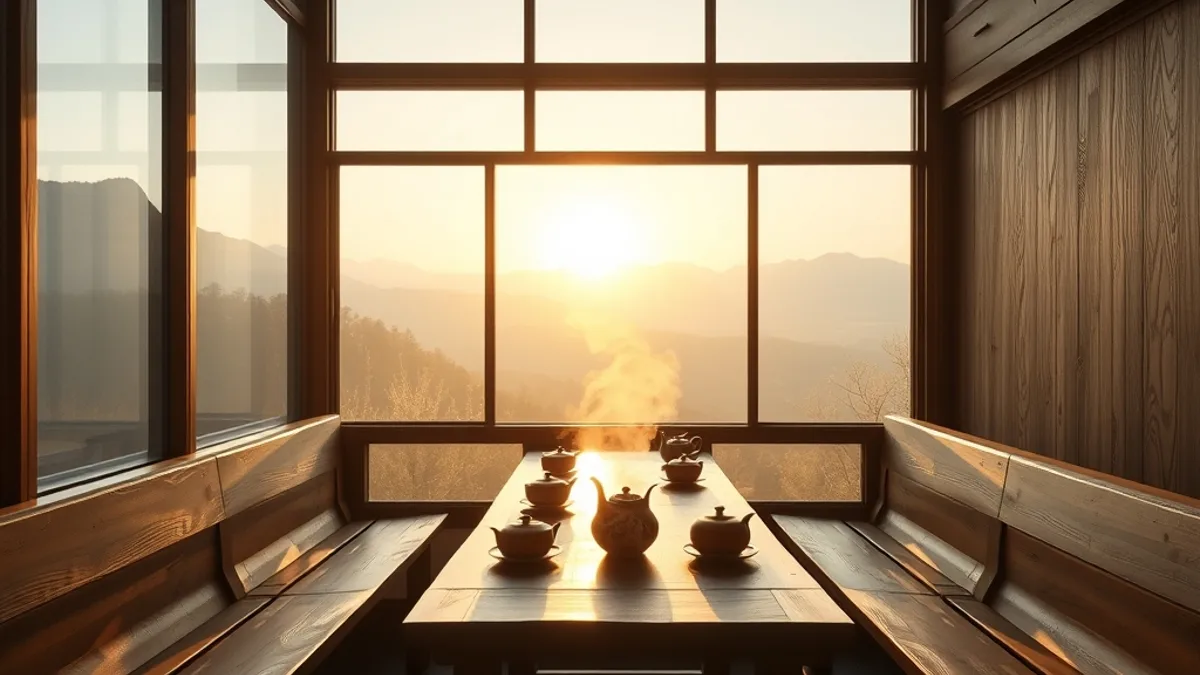
Set your expectations at the right level and teahouse rooms will feel perfectly fine. A typical room is a simple twin with two narrow beds and thin mattresses — bring a sleeping bag liner or a lightweight sleeping bag, because blankets alone aren’t always enough. Bedrooms are unheated; the warm room is the dining hall with its central stove, and that’s where everyone gathers in the evening.
Bathrooms are shared, and you may find either a squat toilet or a western-style one depending on the lodge and altitude. Standards drop as you climb: at higher villages, water pipes can freeze, bathrooms get more basic, and the luxury of a private bathroom simply doesn’t exist. Pack toilet paper and hand sanitizer, since lodges don’t supply them.
The extras that add up
Several things that feel free at home are paid extras on the trail. Knowing about them in advance avoids awkward surprises when the bill comes:
- Hot showers: Usually $2-5 extra per shower, and at the highest villages the water may only be lukewarm — solar heating struggles when temperatures drop, so a quick wash beats a long one.
- Wi-Fi: Often charged at $2-5 per session in villages above 3,000 m, and the connection can be slow even when it works. Download maps and entertainment before you set off.
- Device charging: Frequently the same $2-5 charge at higher altitudes, since lodges run on solar or hydro power with limited capacity. A fully charged power bank lets you skip the fee on short nights.
None of these extras are expensive individually, but they’re worth factoring into your daily budget so small charges don’t catch you off guard at altitude.
Food and Drink on the Trail
If you imagine a menu that never changes from village to village, you would be close to the truth. Nearly every teahouse serves the same core list of dishes: dal bhat (rice with lentil soup and vegetable curries), momos (Nepali dumplings), fried rice, instant noodles, soups of every kind and, strangely but wonderfully, apple pie. After a week on the trail, you will have opinions about which lodge makes the best momos, and you will defend them.
Meals usually cost $4-8 per dish, and prices climb as you gain altitude. Everything on the menu arrives on someone’s back, carried up by porters along the same trail you are walking, so a plate of noodles at 4,000 meters can cost noticeably more than the same plate in a lower village. Fresh vegetables get scarcer the higher you go, too.
Why dal bhat wins every time
Locals joke that you can climb a mountain on dal bhat, and there is real logic behind it. The plate comes with free refills, so hungry trekkers can pile through two or three servings at no extra cost. For long trekking days, it offers by far the best calorie value on the menu, and the mix of rice, lentils and curries keeps you full far longer than a bowl of soup.
What a Teahouse Lodge Trek Costs
For most trekkers, a sensible daily budget is roughly $25-40 per person per day. That covers your room, three solid meals, drinks and small extras like a charging session or a chocolate bar. On shorter routes like Langtang you may spend less, while the higher sections of the Everest and Annapurna routes push prices up.
How lodges really make their money
Rooms typically run $3-10 per night, which sounds impossibly cheap until you understand the deal: lodges keep room prices low on the expectation that you will eat your dinner and breakfast there. If you eat somewhere else, some owners will quietly charge more for the room or simply prefer to give the bed to another trekker. Eating where you sleep is both good manners and good value.
Cash is king on the trail
Carry enough cash for your entire trek, and ask for it in small rupee notes. Higher villages often have no ATMs, and the ones in bigger towns can be unreliable or out of service. Change money in Kathmandu or Pokhara before you set off, and keep a day’s worth of cash in an accessible pocket so you are not digging through your pack at every lunch stop.
Trail Etiquette and Daily Routine
A typical trekking day runs 5-7 hours of walking, with a start soon after breakfast and an arrival at your lodge by mid-afternoon. Arriving early matters more than most trekkers expect: in busier seasons and on popular sections, rooms can be taken by mid-afternoon, and the lodges with the best locations fill first. If you are walking with a guide, they will usually check in ahead of the group; independent trekkers should simply aim to reach the next village before the late-afternoon rush. As soon as you settle in, order your dinner right away so the kitchen knows how many plates to prepare and can plan around the ingredients they have. Menus look long, but at altitude supplies are limited, so ask what is actually fresh that day rather than ordering from the printed list alone.
The dining hall is the heart of every lodge, and everyone gathers around the central stove as evening temperatures drop. It is a shared space, so treat it that way. Boots go near the stove to dry, not a full load of laundry, and there is an unspoken courtesy to taking the last seat rather than saving three. It is also the warmest room in the building, so expect company until bedtime and plan quiet activities like reading or journaling rather than phone calls.
Small habits that make you a welcome guest
- Ask before photographing inside the lodge. Dining halls and kitchens are family living spaces, and many hosts are happy to be photographed but appreciate being asked first.
- Keep noise low after 9 pm. Walls are thin, rooms sit close together, and sound carries. Card games and conversation are fine; late-night music is not.
- Take your boots off at the door. Most lodges keep the dining hall floors covered, and leaving muddy boots outside is standard practice.
- Say goodbye to your hosts when you leave. A quick word of thanks in the morning is remembered, and it is simply good manners in a family home.
Wrapping Up Your Teahouse Lodge Trek Plans
Teahouse lodge treks turn out to be far more comfortable than the word “basic” suggests. Instead of pitching a tent after a long day on the trail, you get a bed, a warm dining hall around a central stove, and a hot plate of food cooked by the family that runs the lodge. For trekkers who pictured rough camping, the reality is a simple but genuinely welcoming room at the end of every walking day.
The practical side is just as manageable. Pick a route that matches your time and fitness, trek in one of the two stable seasons, and plan to reach each village by mid-afternoon so you are not hunting for a bed as the light fades. A little cash organization and a flexible mindset cover most of the rest.
Knowing what the rooms, bathrooms, food and daily rhythm actually look like means you can spend your energy on the mountains instead of coping with surprises. If this helped you plan your trip, leave a comment or share the article with a fellow trekker who is dreaming of the trails.