Most people picture Ibiza as a summer island of beach clubs and DJ lineups, and that image makes planning difficult if you want something calmer. If your idea of a villa holiday is a private pool, a wood-beamed finca and long lunches in a village café, it is hard to know which areas actually work between October and May, when many bars, restaurants and rentals shut up shop.
This guide to Ibiza villas by area breaks the island down region by region for the quieter season. We compare the main regions, look closely at the east coast around Santa Eulalia and the quiet north, explain when to book and what villas typically cost out of season, and help you choose between a finca, a townhouse and a sea-view villa. By the end, you should know exactly which corner of the island fits your kind of off-season stay.
Why Ibiza Villas Out of Season Are a Different Holiday
From October to May, Ibiza becomes a different island. The beach clubs pack away their daybeds, the clubs close their doors, and the coves that are packed in August sit nearly empty. Hiking trails through pine forest get their best light, village cafés fill with locals instead of tourists, and the roads you would never attempt in high season become a pleasure to drive.
The money side is just as convincing. Off-season weekly villa rates often fall 30-50% below July and August highs, which means the same hillside finca with a pool that costs a fortune in August can be remarkably affordable in November. For many travelers, this is the window where a villa that felt out of reach suddenly fits the budget.
What the weather actually feels like
Winter temperatures typically sit around 15-20°C, which is not beach weather but is ideal for almost everything else. Walkers get cool mornings and clear views, cyclists enjoy quiet roads, and long lunches on a sheltered terrace are entirely possible in a light jacket. Pack layers rather than swimwear as your priority, and you will be comfortable.
The trade-off is simple: some services disappear. Many restaurants and beach clubs close November to March outside the main towns, so the area you choose matters far more than it would in July. That is exactly what the next section helps you weigh up.
Ibiza Villas by Area: The Main Regions Compared
Ibiza is a small island, and most areas are within a 30-45 minute drive of the airport, but the regions feel surprisingly different once the season ends. The south-west around San José is all rolling countryside and the island’s famous sunset coastline, where villas often come with wide sea views over the western horizon. It is beautiful and photogenic, though noticeably quieter once autumn arrives and the day-trippers disappear. Roads that crawl with rental cars in August become easy, scenic routes by November.
The south-east, around Jesus and Cala Llonga, is the practical choice: closest to Ibiza Town, with the best chance of finding restaurants, shops and services still running through the winter months. If your trip is short and you want everything within a few minutes’ drive, this is the zone to focus on. The north around San Miguel, San Juan and Portinatx is the quietest corner of the island, with pine-covered hills, small coves and very little traffic, while the outskirts of Sant Antoni offer some of the better-value villas with a lively town still on the doorstep even off-season.
Each corner suits a slightly different type of traveler, so it helps to match the area to your plans before you book:
- South-west (San José area): sunset spots along this coast draw crowds in summer, but out of season you can often have viewpoints like Cala Conta’s surroundings almost to yourself on a weekday morning. Bring layers for terrace evenings.
- South-east (Jesus, Cala Llonga): being close to Ibiza Town means winter eating options, markets and services stay within easy reach, which matters most on a short stay or a first visit.
- North (San Miguel, San Juan, Portinatx): expect dark night skies and genuine silence, but check which village restaurants remain open, as many close November to March. Self-catering is often the safest plan here.
- West (Sant Antoni outskirts): the town itself keeps a local year-round life, so you get winter cafés and supermarkets a short drive away while paying less than in the villa hotspots.
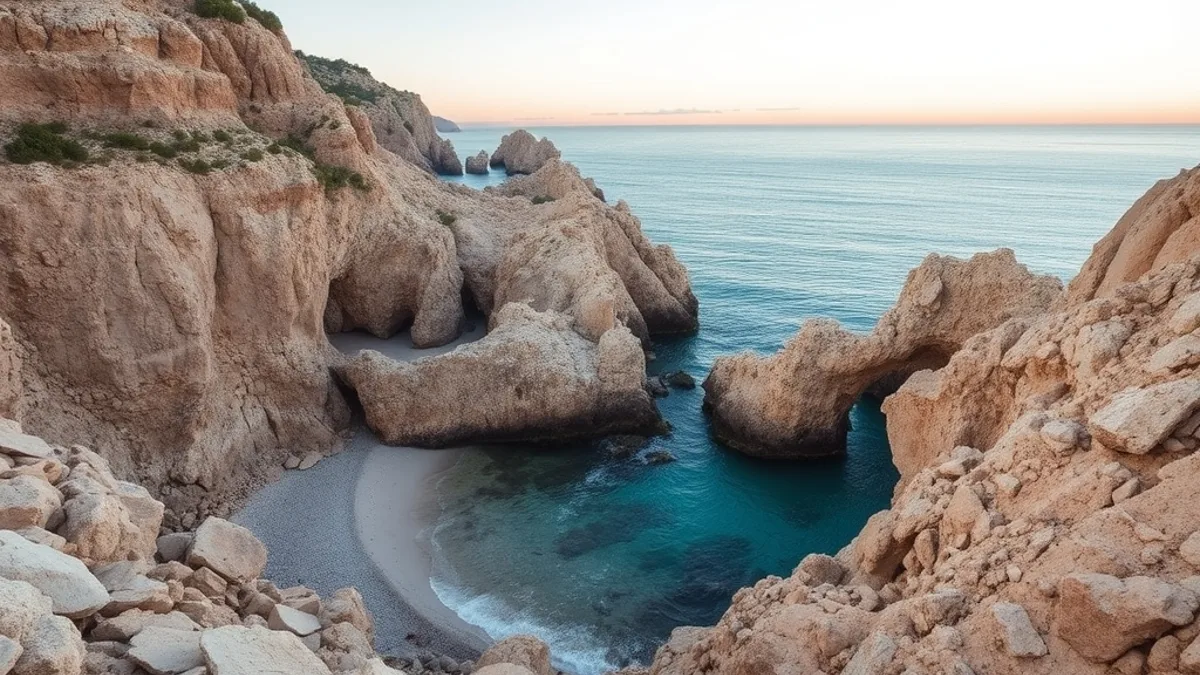
Santa Eulalia and the East Coast for Easy Off-Season Living
If your priority is an off-season stay that feels easy rather than remote, Santa Eulalia is the safest bet on the island. Unlike smaller resorts that effectively close after October, Santa Eulalia keeps restaurants, markets and a year-round marina open when other towns shut down. You can walk to breakfast, browse a market on a mild morning and find dinner without getting in the car, which makes a genuine difference on a two-week winter stay.
The town sits about 20 minutes by car northeast of Ibiza Town, so day trips to the old town, the port or the airport stay simple without you living in the middle of things. Villas on the surrounding hillsides offer sea views over the bay, and many combine that outlook with a private pool and enough garden to feel properly removed from the town below.
Who this area suits best
Santa Eulalia and the east coast are the best fit for couples and remote workers. Couples get walkable cafés and restaurants plus the privacy of a villa, while remote workers get reliable services nearby and a table with a view instead of a hotel desk. Before booking, it is still worth asking the owner specifically about wifi speed and pool heating, since out-of-season comfort depends on those details more than on the view.
The North and Countryside for Total Quiet
If your idea of an off-season Ibiza holiday is silence, star-filled skies and a garden you can actually hear birds in, the north of the island is where you should be looking. The countryside around San Juan and San Miguel is a patchwork of pine-covered hills, terraced olive groves and small farm plots, and the villas here are mostly traditional fincas that have been renovated for modern comfort. These properties tend to come with the kind of outdoor space you simply cannot find near the coast: wide yoga decks, shaded terraces, fruit trees and gardens that stretch well beyond the pool.
Groups are the natural fit here. A finca with four or five bedrooms, a long farmhouse table and a big outdoor kitchen gives everyone room to spread out, and the lack of streetlights makes the night skies genuinely dark. If you have enjoyed a slow, rural villa stay elsewhere in the Mediterranean, the rhythm here is similar — our review of a quiet villa stay near San Juan del Sur, Nicaragua gives a good sense of how a calm village base works day to day.
The trade-off is winter comfort. Many fincas are open-plan, with high ceilings and large stone or tile floors that look wonderful but hold the cold. Winter evenings can feel cool, so check the heating and the indoor living space carefully before you commit.
- Ask about the heating system, not just whether heating exists. Some fincas rely on wood-burning stoves in the main living room only, leaving bedrooms cold until you run electric heaters; others have central heating or underfloor heating throughout.
- Check the length and condition of the access track. Several rural properties sit at the end of unpaved dirt roads, which can be rutted after autumn rain — worth confirming your rental car can handle it.
- Plan for self-catering or daily drives. Many village restaurants in this corner of the island close from November to March, so stock up in larger towns or build a drive into your evening plans.
- Look at the indoor layout for group stays. A finca with one big open-plan space works well for yoga retreats, but if your group wants separate lounges for reading and quiet, check the floor plan before booking.
When to Book and What Villas Cost
Timing your booking well can make a bigger difference to your villa budget than the area you choose. For summer dates between May and September, the reliable rule is to reserve 4-6 months ahead. Good villas with sea views or large pools are booked up early, and by late spring your options narrow to whatever is left.
Out of season, the picture flips. For October to April stays, booking 1-3 months ahead is usually enough, and owners are often happy to negotiate on longer winter lets. This is also when the deepest discounts appear: weekly rates in November, January and February typically fall well below summer highs. If you want a big finca for a group on a modest budget, a January stay is the time to get it.
It pays to be flexible with dates too. Shifting a winter stay by a week or two can sometimes unlock a better villa at the same price, since demand is thin and owners would rather have someone in the house than an empty property through the quieter months. Ask about reduced rates for stays of two weeks or longer, especially for January and February, when many owners simply want the villa occupied and looked after.
The shoulder months are the sweet spot
If you want a taste of summer without summer prices, look at May, June and late September. These shoulder months balance open beach clubs and warm swimming weather with fewer crowds, and villa pricing sits between peak and off-season rates. The sea is warmest in late September, while May and June give you longer days and greener countryside after the winter rains.
One practical note: because these months are popular with returning visitors, the best shoulder-season villas go early too. Treat May and late September almost like summer bookings and reserve several months ahead rather than leaving it to the last minute. If you miss your first choice, ask the owner or agency about similar properties in the same area — a small island means the villa you want may be a short drive away.
Choosing Between a Finca, a Townhouse and a Sea-View Villa
Once you have picked an area, the next decision is what kind of property to book. Ibiza’s villa market splits broadly into three types, and each suits a different kind of off-season stay.
Fincas are the countryside option: converted farmhouses with the most space and privacy, and usually the best value per bedroom away from the coast. The catch is access — many sit at the end of rural tracks, so check the road before you book, especially if you are traveling in autumn or winter when rain can turn dirt roads muddy.
Townhouses near Santa Eulalia or Ibiza Town trade privacy for convenience. You can walk to restaurants, cafés and markets even in the depths of winter, which matters because the colder months see plenty of closures in the smaller villages and along the coast. You will share walls with neighbors, though, and most have no private pool or garden.
Sea-view villas on the south-west coast command premium prices even off-season, and it is easy to see why: sunset terraces facing the water and the famous west coast sunsets are the whole point of staying there. If a long, slow sunset with a glass of wine is your priority, this is where to spend the extra.
- Ask specifically about pool heating. An unheated pool in the mild winter months, when temperatures sit around 15-20°C, can be too cold for anything more than a quick dip — heated pools often carry an extra charge, so confirm the setup and cost.
- Check wifi speed, not just wifi availability. Rural fincas on the north and interior of the island can sit far from the nearest exchange, so if you plan to work remotely, ask for the actual speed and whether it has been tested recently.
- Ask what winter maintenance covers. In the quieter months some villas run with reduced service, so confirm who handles a broken boiler, a stopped-up drain or a garden problem — and how quickly they can reach a rural property.
- Confirm the indoor space matches the season. A villa designed around its terraces and pool can feel cramped in bad weather; look at photos of the living room and kitchen, not just the outdoor shots.
Finding Your Base Beyond the Party Season
The quiet-season puzzle turns out to have a simple answer: pick the area that matches the trip you actually want. The east coast around Santa Eulalia works best if you need year-round cafés, markets and services, the north and countryside deliver real silence at the cost of closed village restaurants, and the south-west rewards you with wide sea views and sunset terraces if you accept a premium price even in winter.
Timing does the rest. Lean on the October to May window for the biggest value, when weekly rates can drop 30-50% below the July and August highs, and book 4-6 months ahead if summer is non-negotiable. Whatever the season, confirm the essentials before you pay: heating, pool heating and wifi make the difference between a cozy off-season base and a chilly one. If this helped you plan your own quiet Ibiza stay, leave a comment or share the article.