New Zealand lodge stays are some of the most memorable in the world, but planning one is trickier than it looks. The country stretches from subtropical Northland to the alpine heart of Otago, and its seasons run opposite to the Northern Hemisphere. That means the same month can deliver beach weather in one region and snow-covered peaks in another, so choosing where and when matters more here than almost anywhere else.
This guide breaks the country into its standout lodge regions, from the alpine lakes around Queenstown and Wanaka to the warm waters of the Bay of Islands and the geothermal and wine country of the central North Island. You will find when each region shines, how the seasons affect rates and crowds, and how far ahead to book. By the end, you should be able to match the right lodge to the right month with confidence.
Why New Zealand Lodge Stays Reward Careful Planning
New Zealand is far bigger than most travelers expect, and the weather varies dramatically from one end to the other. The far north around Northland sits in a subtropical zone, while Otago in the south has a genuine alpine climate. Visit in the same calendar month and you could be swimming at a beach in one region or scraping frost off a rental car in another. This is the single biggest reason careful planning pays off for New Zealand lodge stays.
Seasons run in reverse
The seasons are flipped compared with Europe and North America. December through February is the Southern Hemisphere summer, bringing long daylight hours and warm weather across much of the country. June through August is winter, which turns the South Island into ski and cozy-fire country, with lodges trading lake swims for roaring hearths and mulled wine.
Every lodge style is tied to a landscape
Lodge styles here are just as varied as the climate. You can choose a wilderness retreat surrounded by native bush, a vineyard property tucked among wine rows, or a lakeside lodge with mountain views. Each style belongs to a specific landscape, so the region you pick determines the experience you get. A vineyard lodge makes little sense in Fiordland, and a wilderness retreat is not what most people want in wine country. Matching the property type to the setting is half the fun of planning.
Queenstown, Wanaka and Fiordland: The South Island Alpine Region
The alpine corner of the South Island is the country’s most dramatic lodge country. Queenstown and Wanaka both sit beside glassy lakes framed by the Southern Alps, and the surrounding region delivers mountain scenery that few places on earth can match. It is also the adventure capital of New Zealand, so lodge stays here pair naturally with day trips for hiking, jet boating, bungy jumping and scenic flights. From June through September, skiing joins the list, with the fields around Queenstown and Wanaka running roughly mid-June to early October.
Using Queenstown or Wanaka as a base
Both towns work well as launch points for Fiordland excursions. Milford Sound is best reached from a Fiordland or Te Anau base, and Queenstown sits roughly 120 km from Te Anau, about a 2-hour drive. Many travelers split their stay, taking in a lodge near the lakes before continuing to Fiordland for a night or two. Wanaka offers a slightly quieter, more laid-back base than Queenstown while keeping the same easy access to mountain day trips.
What to expect on demand and rates
This is the most sought-after lodge region in the country, so expect the highest demand and the highest rates. Upscale lodges here typically start from around NZD 600 per night in peak months, with premium properties climbing well beyond that. If your dates fall in the December to February summer window, book as far ahead as you can, because the best rooms go first. Shoulder months bring softer pricing and thinner crowds without sacrificing the scenery.
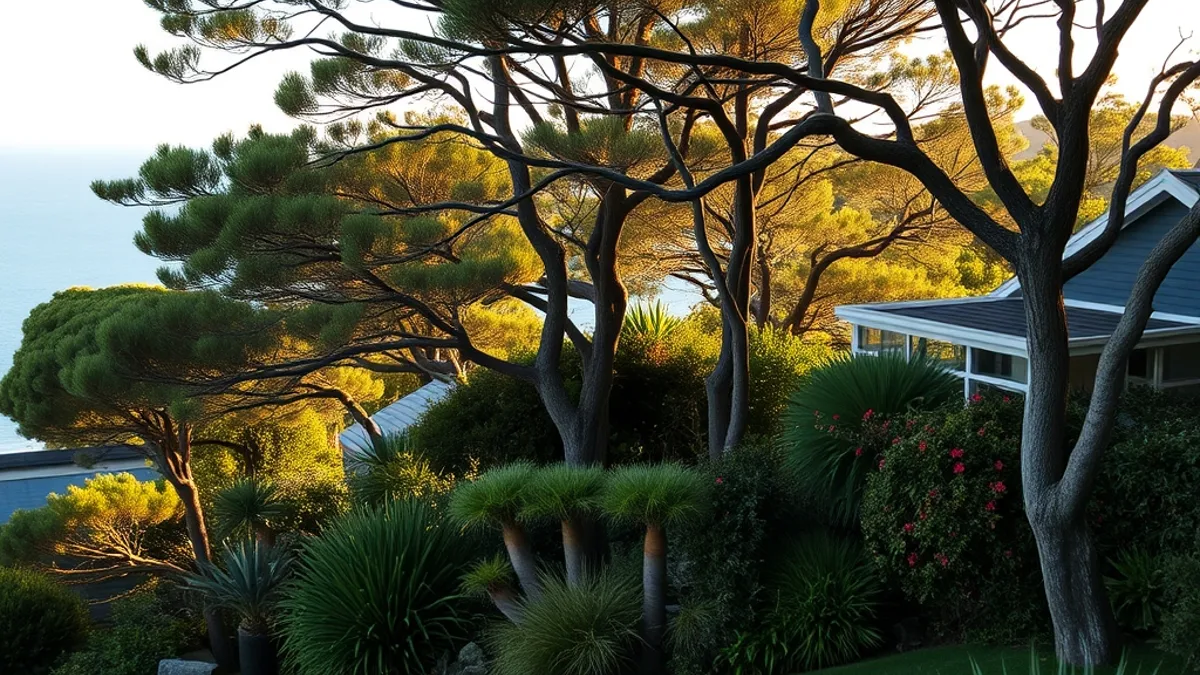
Northland and the Bay of Islands: Warm-Water Lodge Country
If warm water and a slower pace sound more appealing than mountain air, head north. Northland and the Bay of Islands enjoy a subtropical climate, which makes March and April a genuine sweet spot. The sea stays warm from the summer months, the crowds of peak season have thinned out, and the weather is generally settled. It is the closest thing New Zealand has to a tropical-style lodge escape, without the humidity of Southeast Asia.
An easy coastal road trip
The region is wonderfully accessible. The drive from Auckland to the Bay of Islands takes roughly 3 hours, which makes it ideal for a coastal lodge road trip. You can break the journey with stops along the way, spend a few nights at one waterside lodge, then continue north to another. Distances are short enough that you never feel rushed, yet the scenery shifts constantly from rolling farmland to sandy bays and native bush.
What to look for in a lodge
When comparing properties in this region, prioritize three things. First, look for genuine beach access, since the water is the main draw. Second, check whether the lodge offers or can arrange boat charters, because a day on the water among the islands is often the highlight of a Bay of Islands stay. Third, seek out lodges with native bush walks nearby, which let you stretch your legs among ferns and towering trees without leaving the property. Get those three boxes ticked and the region tends to deliver exactly the relaxed coastal stay you came for.
Rotorua, Taupo and Hawke’s Bay: Geothermal and Wine Regions
The central North Island packs a surprising amount of variety into a compact area. From Rotorua you can explore steaming geothermal parks and bubbling mud pools in the morning, then drive a few hours to Lake Taupo for trout fishing or on to Hawke’s Bay for wine tasting. It is one of the few regions where you can combine volcanic landscapes, lake life and cellar doors in a single lodge-based trip without long transfers.
Autumn, roughly March to May, is the season this region shows off. Harvest is in full swing around the Hawke’s Bay wineries near Napier, and the trees lining the lakefront at Taupo turn gold and red. The weather stays mild enough for walking and boating, and the summer tour groups have largely gone home, so lodges feel quieter and more personal.
What kind of lodge to expect
Lodge styles here lean toward vineyard properties in Hawke’s Bay and lakeside retreats around Taupo and Rotorua. A practical bonus for travelers watching their budget: these vineyard and lakeside lodges often sit below the peak pricing you will find at South Island alpine properties. That makes the central North Island a smart choice if you want an upscale lodge experience without the highest rates in the country. Check current availability and rates before you book, as they vary by property and season.
Choosing Your Season: Summer, Ski Season and Shoulder Months
New Zealand’s seasons are reversed from the Northern Hemisphere, so timing your lodge stay means thinking about what you want to do, not just when you can travel. December through February is summer, with long daylight hours and genuine beach weather in the north. It is also when the whole country travels, so expect the biggest crowds and the highest lodge rates of the year.
Winter changes the picture completely in the South Island. From roughly mid-June to early October, the ski fields around Queenstown and Wanaka are in operation, and lodges fill with skiers who come for the slopes and stay for the fire-side evenings. Elsewhere, winter is quieter and cooler, ideal if you prefer a cozy lodge over a busy beach.
The sweet spot for most travelers is the shoulder season. In October-November and March-April, rates at many lodges can run 20-40% lower than peak summer prices, the weather stays mild in most regions, and the crowds thin out noticeably. A few things to weigh when picking your window:
- Daylight length: December evenings stay light late, which stretches out sightseeing days, while June days end early and cut short any driving or walking plans.
- Regional fit: Summer suits Northland’s warm-water coast, while ski season is the reason to be in Queenstown or Wanaka between June and early October.
- Harvest timing: March-April overlaps with grape harvest in wine regions, so vineyard lodges offer an extra layer of activity you will not find in spring.
- Booking pressure: Shoulder months give you more flexibility on room choice and dates, especially at smaller lodges with only a handful of suites.
How to Book New Zealand Lodge Stays at the Right Time
Getting the timing right matters as much as picking the right lodge. New Zealand’s best-known properties have limited rooms, and demand in peak months far outstrips supply. The most sought-after lodges often have only a handful of suites, so a single busy week around the holidays can be fully booked well before you start looking. A simple booking sequence helps you lock in the stay you actually want rather than settling for whatever is left. It also gives you leverage: when you plan early, you can compare properties properly, match inclusions to your travel style and build a route with realistic drive times instead of rushing from place to place.
- Decide your region and season first. Your choice of region dictates your window: alpine South Island for ski season, Northland for warm-water months, wine country for autumn. Everything else in the plan flows from this decision.
- Book 6-12 months ahead for December-February. Top lodges often need this much lead time for peak summer stays, especially around the holidays when families and international travelers compete for the same dates.
- Allow 3-6 months for shoulder months. October-November and March-April trips are usually manageable with this much notice, giving you a decent pick of rooms without the year-long wait.
- Compare what is included in the rate. Many upscale lodges bundle dinners, guided walks or airport transfers into the nightly price. Two lodges with similar headline rates can differ sharply in real cost once you add meals and activities separately.
- Check drive times between lodges. Distances look short on a map, but New Zealand’s roads are winding and often single-lane in places. A route that appears to be a quick hop can realistically take most of a day, so build in buffer time between lodge stays.
Once your dates and route are set, confirm rates and inclusions directly with the lodges, as offers change from year to year. Ask specifically about meal plans, transfer options and any minimum-stay requirements during busy periods, since these details are rarely obvious on a website. It is also smart to reconfirm your booking a few weeks before arrival, particularly if your stay involves remote properties where access can depend on weather. Keep a note of cancellation terms so you know how flexible your dates are if plans shift. A little extra planning at this stage usually pays off in better rooms, smoother drives and a rate that reflects what you are actually getting.
Wrapping Up Your New Zealand Lodge Plan
New Zealand is a big country with seasons that run opposite to the Northern Hemisphere, so conditions can vary dramatically from one end of the country to the other in the same month. The fix is simple: match the region to your season. Head to the alpine South Island around Queenstown and Wanaka for winter sports, and choose Northland for the warm-water months when you want swimming and boating.
If you have flexibility, the shoulder months of October-November and March-April balance value, weather and thinner crowds, with rates often 20-40% below peak summer. For a December-February lodge stay, book 6-12 months out and compare what each rate includes before committing. If this helped you plan your trip, leave a comment or share the article with a fellow traveler.